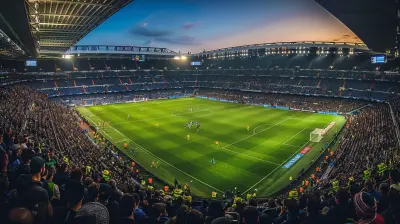
Why That One Game Had Every Fan Talking in 2026
18 October 2026
Every season produces memorable games, but occasionally a single matchup escapes the usual highlight cycle and becomes something bigger. It turns into a shared reference point, a game fans bring up in arguments months later, and a fixture that shapes how teams, coaches, and broadcasters approach the rest of the year. In 2026, one game did exactly that. This article breaks down why that game had every fan talking, what made it structurally different from a normal classic, and what teams and fans can take from it.
The short answer is that the game combined three forces that rarely align: a genuine stakes-driven contest, a tactical shift that changed how both sides played in real time, and a distribution pattern that pushed the moment beyond the core fan base. The longer answer requires unpacking each layer, because the noise around the game was not just about the final score.

What Made This Game Different From a Standard Classic
Most games people call instant classics are remembered for one moment: a late comeback, a controversial call, a spectacular individual play. That kind of memory fades quickly because it depends on a single event. The 2026 game was different because the tension was distributed across the entire contest. The lead changed hands repeatedly, neither team could impose its preferred style for long, and the decisive sequence came from a structural adjustment rather than a lucky break.That distinction matters. A game built on one moment is easy to summarize and easy to forget. A game built on sustained tactical tension forces viewers to pay attention to details they normally ignore, such as rotation patterns, clock management, and matchup switches. Fans who watched closely walked away with something to argue about beyond the result, which is the real engine of long-tail conversation.
There is also the stakes factor. The game sat at a point in the schedule where the outcome directly affected standings, seeding, or qualification. When a result carries consequences beyond pride, neutral fans invest emotionally. That investment is what separates a game people talk about for a week from a game people talk about for a year.
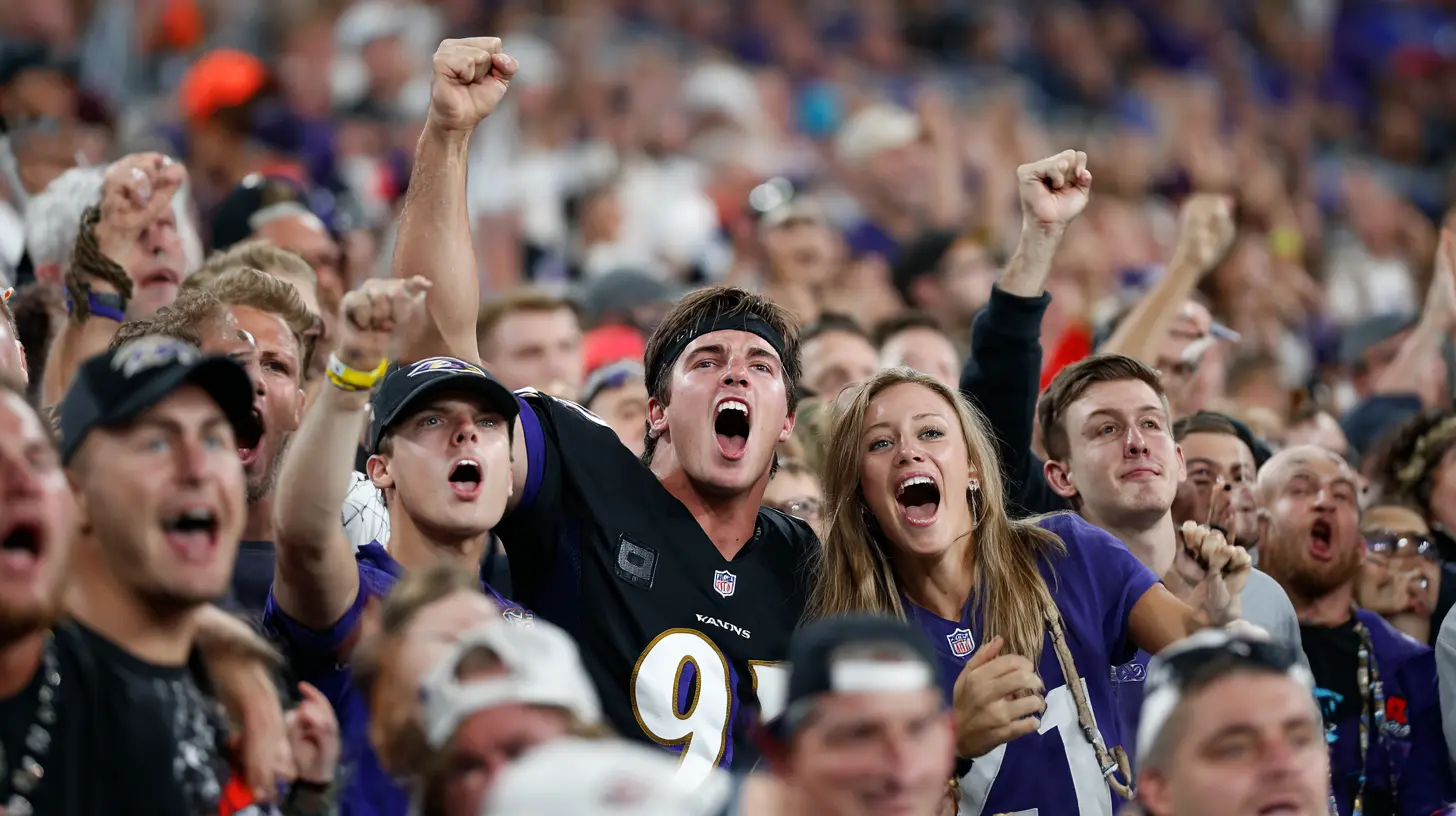
The Tactical Storyline That Kept Viewers Locked In
Two Competing Philosophies on Display
The tactical appeal came from a clash of approaches. One side wanted to control tempo, shorten possessions, and win with efficiency. The other wanted chaos: pace, pressure, and forcing mistakes. Neither approach dominated, which is precisely why the game stayed compelling. Every time one team looked ready to pull away, the other adjusted.This is the kind of matchup that rewards knowledgeable fans. Casual viewers see momentum swinging. Informed viewers see a chess match in which each adjustment creates a new problem. That dual layer of appeal is rare, and it is a major reason the game generated discussion across experience levels.
In-Game Adjustments That Changed the Outcome
The decisive stretch came after a mid-game adjustment rather than a pre-game plan. One coaching staff shifted its defensive matchups to take away the opponent's primary option, accepting a calculated risk elsewhere. The risk paid off, but not immediately. The opponent adapted, the first team countered again, and the final margin came down to which side executed under pressure.Why does this matter for readers trying to understand the game? Because it shows that elite outcomes often come from willingness to abandon a plan that is working on paper but losing on the scoreboard. Teams that cling to preseason assumptions tend to lose these games. Teams that treat adjustments as a live process tend to win them.
Why the Final Minutes Felt Inevitable and Surprising at Once
The closing sequence felt inevitable in hindsight because the winning team had already solved the core problem. It felt surprising in the moment because the losing team had an answer ready. That combination, a resolved structural question plus an unresolved execution question, is the formula for genuine drama. It is also very hard to manufacture, which is why games like this are rare.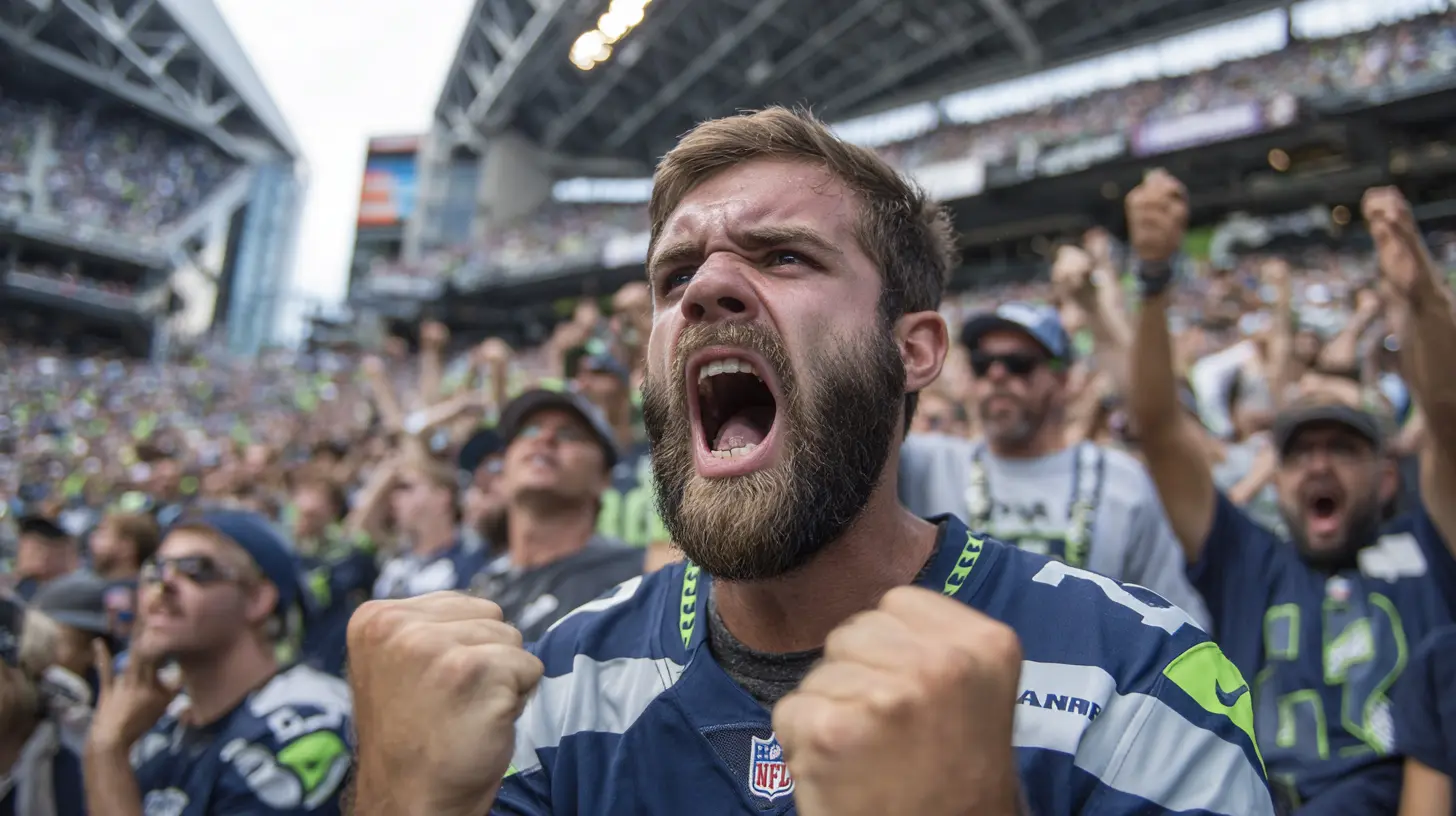
The Human Element: Performances That Carried the Game
Tactics set the stage, but players delivered the performance. The game featured at least one standout individual effort that will be replayed for years, and several quieter contributions that coaches will study. The standout moment gets the attention. The quiet contributions explain the result.Consider the value of a player who does not score but consistently wins the small battles: the extra possession, the well-timed rotation, the foul drawn at the right moment. These actions rarely make highlight reels, but they decide close games. The 2026 game was a masterclass in that principle. Fans who only watched the final two minutes missed the work that made those two minutes possible.
There is a practical lesson here for anyone evaluating players. Judging performance by counting stats alone will mislead you in exactly the games that matter most. Context-adjusted evaluation, which accounts for opponent quality, game situation, and role, gives a far more accurate picture. The 2026 game is a useful case study for that method.

Why the Conversation Spread Beyond the Core Fan Base
A game does not dominate conversation across fan groups by accident. It needs distribution, and the 2026 game had several distribution advantages.First, the timing worked in its favor. The game landed in a window where few competing events drew attention, so it had room to breathe in the news cycle. Second, the highlight package was unusually shareable. The key plays translated well to short clips, which is not always true. A great game with poor highlight material stays inside its niche. Third, the narrative was easy to explain in one sentence, which is the threshold for casual fans to care.
This is a lesson for leagues and broadcasters. A classic game is partly a scheduling and packaging achievement, not only an athletic one. Placing a high-stakes matchup in a clear window, and producing clips that carry the story without context, multiplies reach. Fans remember the game, but they discovered it through the packaging.
The Numbers Behind the Noise
Statistics rarely tell the whole story, but they can confirm what the eye saw. The 2026 game showed several patterns worth noting.- The lead changed hands multiple times, which correlates strongly with viewer retention.
- Neither team exceeded its season average in efficiency, which suggests defense and pressure mattered more than shot-making.
- The decisive run came in a short window, which is typical of games decided by adjustment rather than talent gap.
- Bench contributions were unusually balanced, which points to depth as a differentiator.
These patterns are not unique to this game, but their combination is. When you see multiple indicators of a close, adjustment-driven contest in the same game, you are looking at a genuine classic rather than a lucky finish.
One caution: do not over-read single-game statistics. A one-game sample is noisy, and the same teams could play again next week and produce a completely different result. The numbers here are useful for explaining why the game felt the way it did, not for predicting future outcomes.
Common Misconceptions About Games Like This
Misconception One: The Best Game Is the Highest Scoring Game
High scoring is entertaining, but it is not the same as dramatic. A game with constant scoring can lack tension because both teams are comfortable. The 2026 game was dramatic because scoring was hard and every possession carried weight. Fans should value defensive tension as much as offensive fireworks.Misconception Two: One Player Won the Game
Individual brilliance matters, but attributing a close win to one player ignores the adjustments and supporting work that created the opportunity. The honest analysis credits the system and the role players alongside the star.Misconception Three: The Result Proves Which Team Is Better
A single game is a small sample. The losing team may have a better season, a better roster, or a better matchup profile in a different setting. Treating one result as a definitive verdict is a common analytical mistake, and it leads to bad conclusions about team quality.Misconception Four: The Game Was Decided by Officiating
Controversial calls get attention, and the 2026 game had its share of debate. But close games usually feature multiple turning points, and fixating on one call obscures the tactical story. Fans who focus only on officiating miss the more interesting explanation.What Teams Should Take From It
For coaches and analysts, the game offers several practical lessons.First, build adjustment capacity into your preparation. The winning staff did not just plan for the opponent. It planned for how the opponent would respond to the first plan. That second-order thinking is what separates elite preparation from ordinary preparation.
Second, value players who win small battles. Depth and role clarity matter more in close games than in blowouts. A roster built for blowouts can struggle when the game tightens.
Third, practice late-game scenarios under pressure. The final minutes of the 2026 game were decided by execution habits, not improvisation. Teams that rehearse these situations handle them better.
Fourth, accept calculated risk. The decisive adjustment involved giving something up to take something away. Teams that refuse to concede anything usually concede the game.
What Fans Should Take From It
Fans get more out of games like this by watching the middle, not just the end. The adjustments, the matchups, and the small battles are where the story lives. Rewatching with attention to those details is more rewarding than rewatching the highlights.Fans should also be careful about narrative momentum. A single game can launch a story about a team's trajectory, but one result rarely proves much. Enjoy the conversation, but keep the sample size in mind.
Finally, appreciate the rarity. Games with this combination of stakes, tactics, and distribution do not happen often. The fact that so many people were talking about it is a sign that several things went right at once, not that the sport produces this every week.
How to Evaluate Whether a Game Deserves the Hype
Not every game that trends deserves the label. Here is a practical checklist.- Did the lead change hands multiple times?
- Did at least one team make a meaningful in-game adjustment?
- Were there high-leverage moments decided by execution rather than error?
- Was the result consequential for standings or qualification?
- Did the game produce shareable moments that carry the story without context?
A game that checks most of these boxes earns the conversation. A game that checks only one is usually a highlight, not a classic. The 2026 game checked nearly all of them, which is why the discussion lasted.
Frequently Asked Questions
Was the 2026 game really as good as people say?
By the checklist above, yes. It combined stakes, tactical tension, individual performance, and broad distribution. That combination is rare, and it justifies the attention.Did the game change how teams play?
It is too early to say definitively. The adjustments used in the game were not new, but their visibility may encourage more teams to build adjustment capacity. Whether that becomes a trend depends on results over a full season.Why do some great games stay niche?
Distribution matters. A game without a clear broadcast window, shareable highlights, or an easy one-sentence story stays inside its core audience. Quality alone does not guarantee reach.Should fans trust single-game statistics?
Use them to explain, not to predict. One game is a small sample, and the same teams can produce a different result in a rematch.Final Thoughts
The 2026 game had every fan talking because it delivered on multiple levels at once. It had stakes that mattered, a tactical battle that rewarded attention, individual performances that created memorable moments, and a distribution pattern that carried the story beyond the core audience. None of those elements is unique on its own. Their alignment is what made the game exceptional.For teams, the lesson is to prepare for adjustment, value depth, and rehearse pressure situations. For fans, the lesson is to watch the middle of the game, not just the end, and to enjoy the rarity without overreading a single result. Games like this are worth talking about precisely because they are hard to reproduce.
all images in this post were generated using AI tools
Category:
Fan ReactionsAuthor:

Onyx Frye