Why Athlete Branding is Essential for Long-Term Success
2 June 2026
Introduction
In today’s sports world, talent alone isn't enough to guarantee long-term success. Athletes need to think beyond their performance on the field, court, or track. Creating a personal brand has become just as crucial as training, practice, and competition.
Think about athletes like LeBron James, Serena Williams, or Cristiano Ronaldo. What sets them apart—beyond their incredible skills—is their strong personal brand. Their names are synonymous with excellence, hard work, and influence, making them highly valuable not just to teams but also to sponsors, businesses, and fans.
So, why is athlete branding so important? Let’s break it down.
What is Athlete Branding?
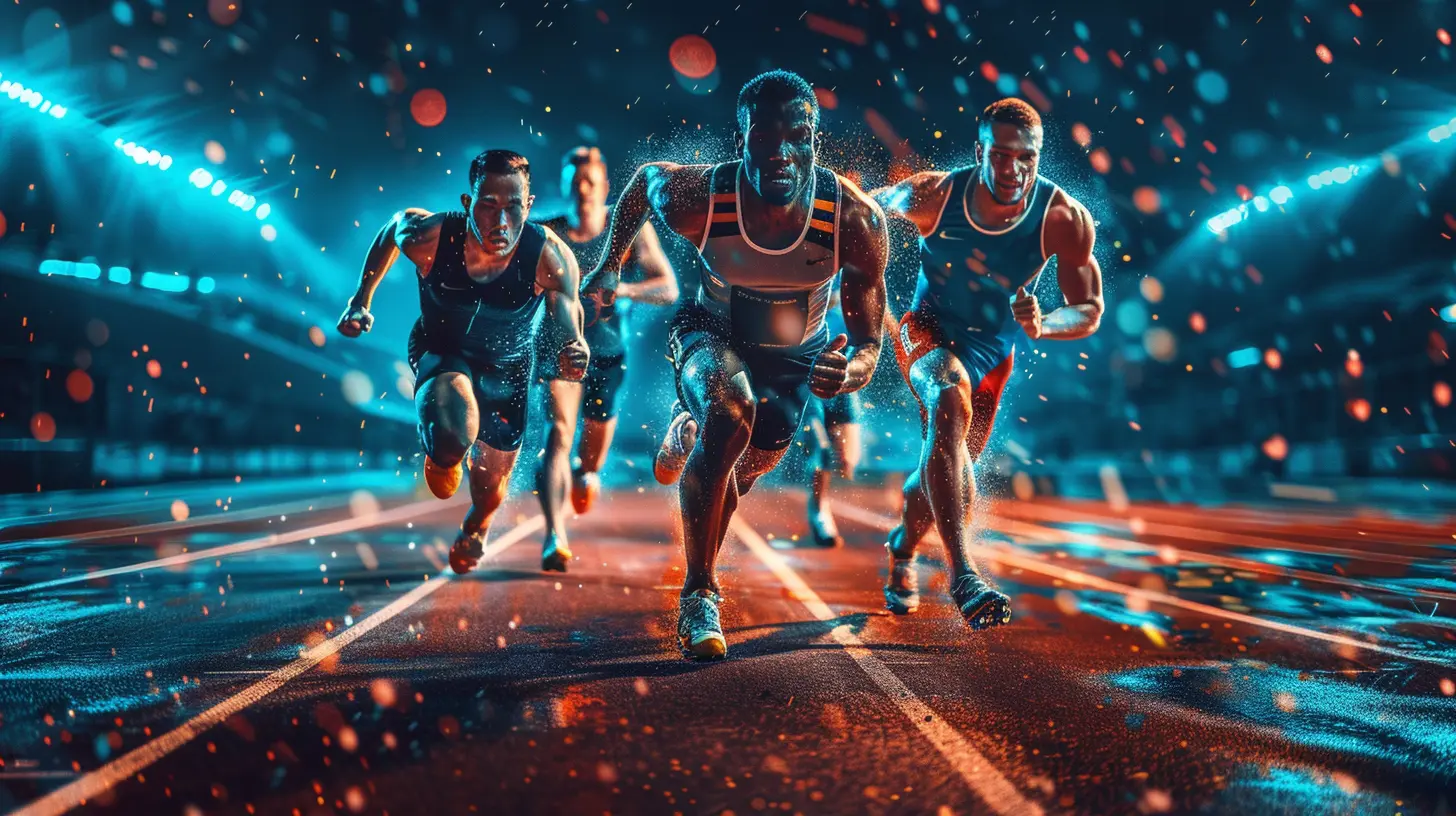
Athlete branding is about crafting and managing a personal image that represents who you are, what you stand for, and how you connect with your audience. It’s more than just popularity; it’s about creating an identity that resonates with fans, sponsors, and media.A strong athlete brand includes:
- Authenticity – Staying true to yourself and what you believe in.
- Consistency – Maintaining a consistent image across social media, interviews, and public appearances.
- Engagement – Building a loyal audience through interaction and meaningful content.
In short, branding helps athletes stand out in a sea of competitors.
Why Athlete Branding is a Game-Changer
1. Increases Marketability & Sponsorship Opportunities
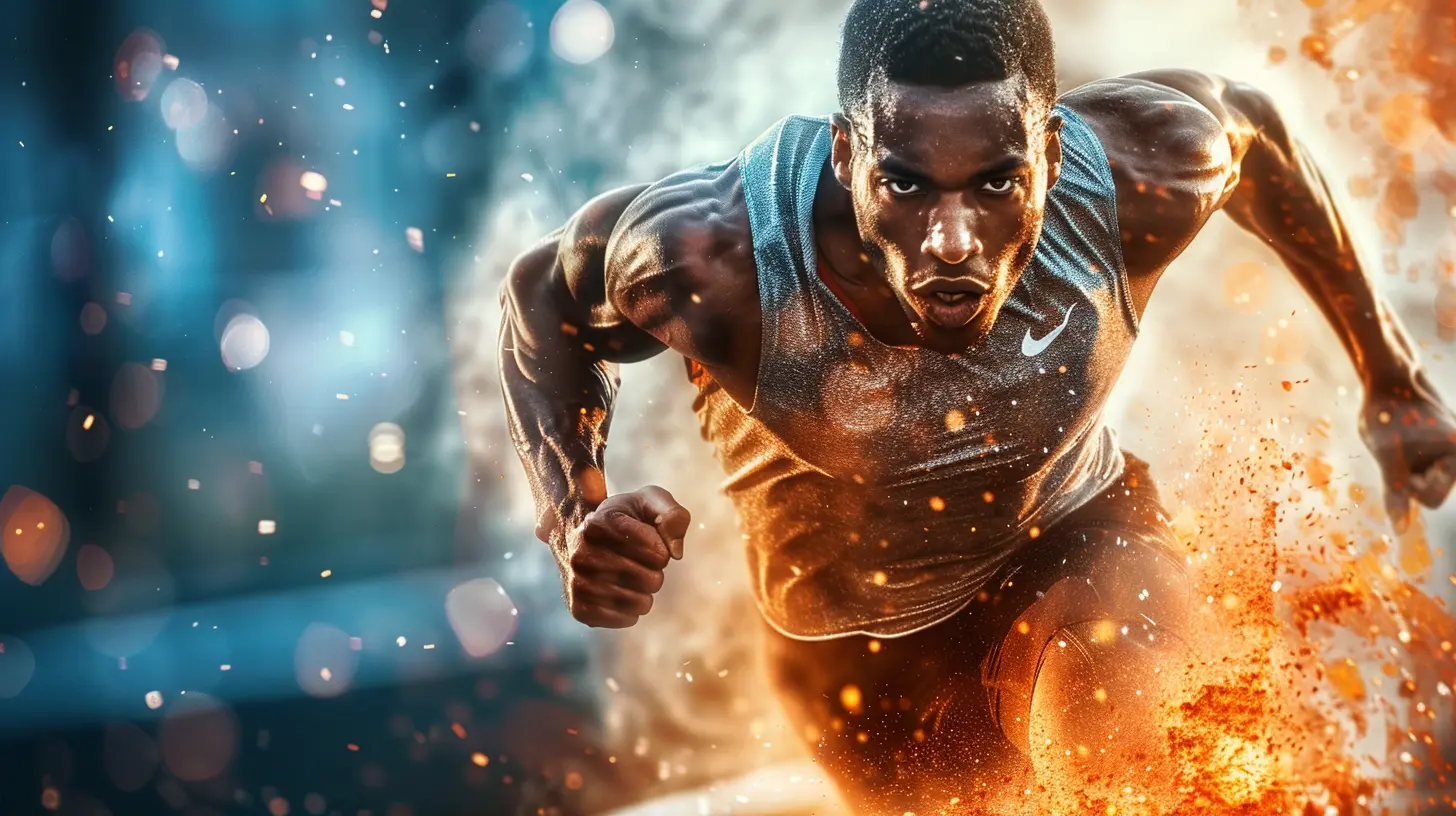
A well-established brand makes athletes more attractive to endorsements, sponsorship deals, and partnerships. Companies are always on the lookout for athletes with a strong following and a positive reputation.Big brands don’t just look at stats; they look at influence. If you have a strong personal brand, companies will see you as a valuable marketing partner, helping you secure lucrative deals that boost your income and career longevity.
2. Provides Financial Security Beyond Sports
Let’s be real—athletic careers are often short-lived. Injuries, aging, and competition can cut an athlete’s career short. A strong personal brand can help bridge the financial gap after retirement.Many retired athletes still earn millions through endorsements, speaking engagements, businesses, and media roles, all because they built a recognizable personal brand during their playing days.
3. Builds a Loyal Fanbase
Fans don’t just support athletes for their skills—they follow them for their personalities, values, and stories. A strong brand creates deeper connections, leading to lifelong support, even beyond an athlete’s competitive years.For example, Kobe Bryant’s "Mamba Mentality" wasn’t just a phrase; it became a mindset embraced by millions. His dedication, work ethic, and inspiration continue to impact people even after his passing.
4. Opens Up New Career Opportunities
Branding isn’t just about the present; it’s about securing future opportunities. Athletes with well-established brands often transition into successful careers in broadcasting, coaching, entrepreneurship, or entertainment.Shaquille O’Neal, Dwayne "The Rock" Johnson, and Tony Hawk are perfect examples of athletes who leveraged their brand to build successful post-sports careers.
5. Strengthens Social Impact & Legacy
A powerful brand allows athletes to use their platform for positive change. Many athletes advocate for social causes, create charities, and influence society beyond sports.LeBron James, for instance, didn’t just build a brand around his basketball career—he used his influence to create schools, fund scholarships, and support communities. That’s a lasting legacy beyond championships and MVP titles.
How to Build a Strong Athlete Personal Brand
1. Define Your Identity & Values
Ask yourself:- What do I stand for?
- What are my passions beyond my sport?
- How do I want to be remembered?
Your brand should reflect your personality, interests, and values. Whether it’s leadership, resilience, or philanthropy, find what makes you unique and embrace it.
2. Master Social Media
Social media is a game-changer for athlete branding. It allows direct communication with fans, sponsors, and media.- Be authentic: Share personal moments, struggles, and victories.
- Engage: Respond to fans, participate in trending conversations, and be active.
- Create valuable content: Post behind-the-scenes videos, training routines, and motivational messages.
A strong social media presence can boost your brand visibility and attract partnerships.
3. Work with the Right Brands & Partners
Not every sponsorship deal is a good fit. Align yourself with brands that match your values and persona. Fans can quickly tell if an endorsement feels forced or inauthentic.Nike, Gatorade, and Adidas don’t just sponsor athletes for their skills; they choose those who embody their brand’s message. Pick partnerships that enhance your credibility.
4. Develop a Strong Public Image
Public perception matters. Athletes should be mindful of how they present themselves in interviews, press conferences, and social media interactions.- Avoid unnecessary controversies.
- Be professional in interviews.
- Handle criticism well and maintain a positive attitude.
Your reputation is part of your brand—protect it.
5. Give Back to the Community
Athletes who give back to the community gain respect and admiration. Whether it’s starting a charity, supporting a cause, or mentoring young athletes, giving back strengthens your brand and legacy.Tim Tebow, for example, is known not just for his football career but for his humanitarian work. His commitment to helping others made his brand even stronger.
Common Mistakes to Avoid in Athlete Branding
1. Ignoring Social Media
Athletes who aren’t active on social media miss out on branding opportunities. Not engaging with fans or sponsors can limit growth.2. Being Inconsistent
A brand should be strong and consistent. Posting randomly or frequently changing public perception can confuse followers.3. Over-Promoting Sponsorships
Fans appreciate authenticity. Promoting too many brands without a genuine connection can make an athlete seem like a marketing tool rather than a person.4. Not Preparing for Life After Sports
Failing to plan for the future can lead to financial struggles post-retirement. Athletes should leverage their brand for future opportunities while still actively competing.Conclusion
Athlete branding is no longer just an option—it’s a necessity for long-term success. Beyond being a great player, athletes who build a strong personal brand create opportunities for financial stability, career longevity, and lasting influence.It’s not just about being famous; it’s about crafting a legacy that outlives your playing days. Whether you’re an aspiring athlete or a seasoned pro, investing in your personal brand today can secure your success for years to come.
all images in this post were generated using AI tools
Category:
Sports MarketingAuthor:
Onyx Frye
Discussion
rate this article
1 comments
Eden Thomas
Great insights on athlete branding! Building a strong personal image is key to lasting success.
June 5, 2026 at 4:35 AM
Onyx Frye
Thanks! I'm glad you found the insights useful. Personal branding truly plays a vital role in an athlete's journey.