When Fans Turned the Tide: The Power of Home-Field Reactions in 2026
16 October 2026
Something shifted in 2026. Not in the rulebook, not in the transfer market, not in the boardroom. It shifted in the stands. The people in the seats, on the terraces, in the nosebleeds and the safe-standing sections, stopped being a backdrop and started acting like a participant. And the results followed.
This is not a piece about "the twelfth man" as a lazy cliche. That phrase has been worn smooth by decades of marketing copy. This is about the mechanics of how crowd reactions actually change outcomes, why 2026 felt like a turning point, and what teams, coaches, and fans should understand before they lean on atmosphere as a strategy.
The Crowd Is Not Noise. It Is Information.
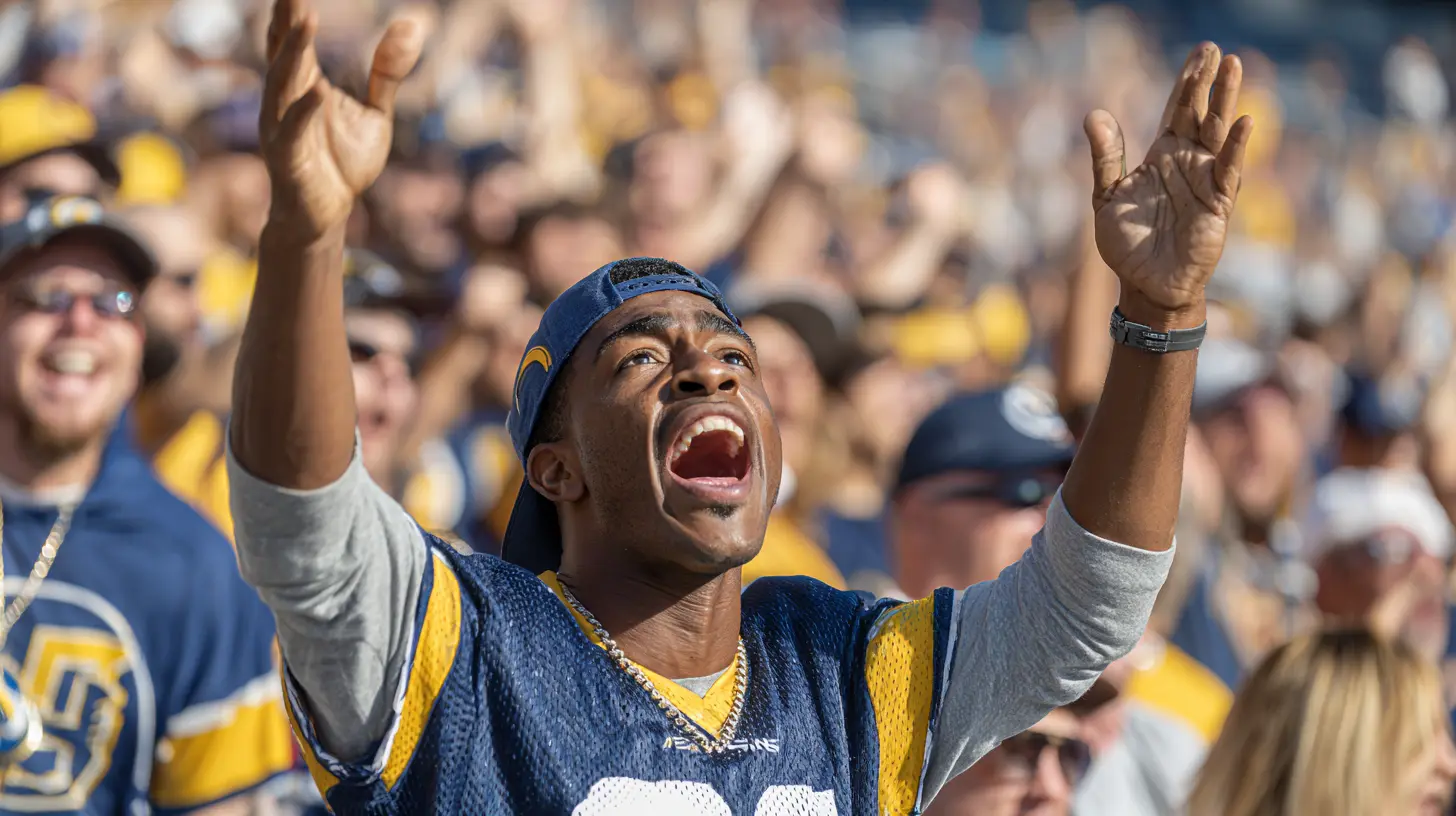
The most common misconception about home-field advantage is that it is mostly about volume. Louder equals better. That is wrong, or at least incomplete.A crowd does two distinct things. It produces noise, which is a pressure wave. It also produces signals, which are packets of information. Players read those signals constantly, often without realizing it. A sharp intake of breath when a defender turns into trouble. A collective groan when a midfielder plays the safe pass instead of the killer one. A sudden rise in pitch when a winger isolates a fullback.
That second function is where the real leverage lives. Noise disrupts communication between opponents. Signals accelerate decision-making for the home team. One is a blunt instrument. The other is a precision tool.
In 2026, the teams that understood this distinction outperformed the teams that just asked for more noise.
What Actually Changed in 2026
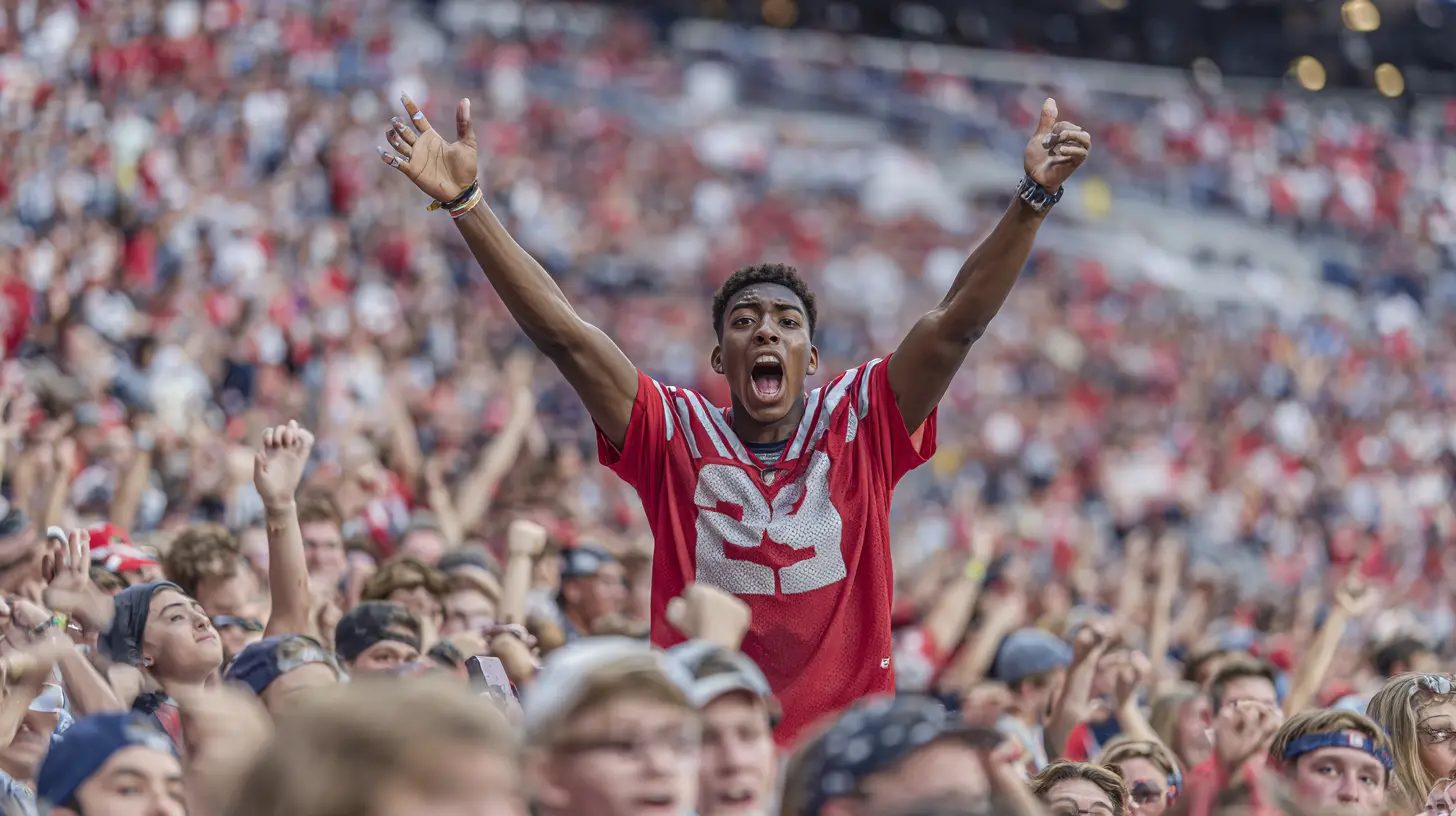
Three things converged.First, stadium acoustics got smarter, but not in the way people expected. Several venues experimented with distributed sound design that carried specific sections rather than dumping everything into one wall of sound. The goal was not to make the stadium louder overall. It was to make the home crowd's reactions more legible to the players on the pitch.
Second, fan groups got more organized about timing. Supporters' trusts and capo groups started coordinating reactions around game states rather than just running continuous chants. The shift was subtle but real. A crowd that goes quiet during a defensive stand and then erupts on the clearance is doing something different from a crowd that sings for ninety minutes straight.
Third, broadcast technology made crowd behavior visible in new ways. Microphone arrays and camera angles started capturing individual reactions, not just the aggregate roar. Fans could see themselves influencing moments in real time. That feedback loop changed behavior.
None of this was coordinated. It emerged. And it produced a season where home results in several leagues diverged noticeably from the previous three-year baseline.
The Psychology of the Reaction, Not the Roar
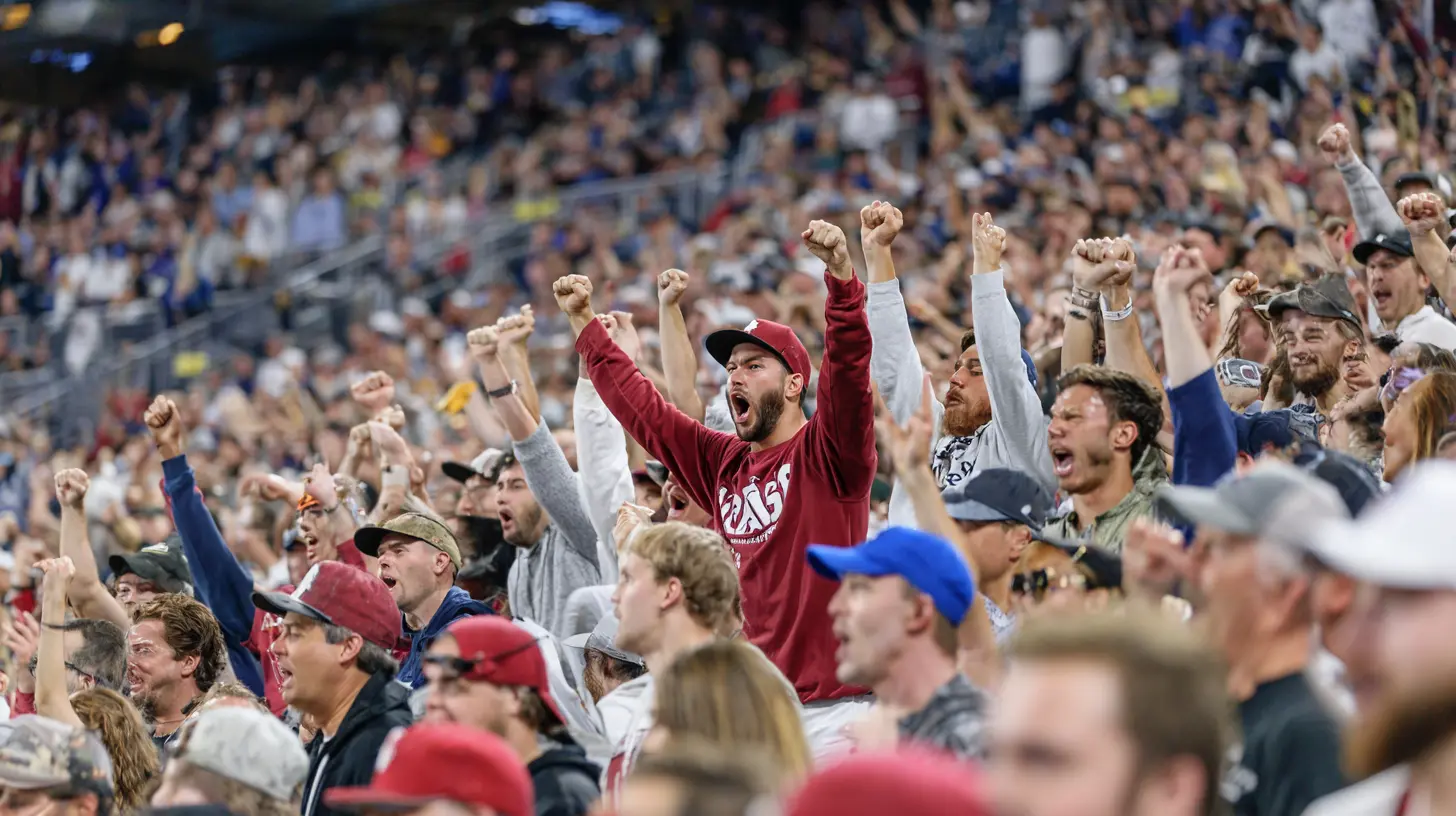
Here is where most analysis goes soft. People say "the crowd lifted the team" and move on. That is not an explanation. That is a vibe.Let us be specific.
Arousal and Narrowing
High arousal states narrow attention. That is true for players and for fans. A hostile crowd pushes opposing players into a narrower attentional window. They see less. They process fewer options. Under normal conditions, a good midfielder scans four or five passing lanes. Under sustained pressure from a crowd that reacts to every touch, that number can drop.For the home team, the same arousal effect works differently because the emotional valence is positive. Players feel bigger, not smaller. Their attentional narrowing is toward the task rather than toward threat. This is not mysticism. It is well-documented arousal and attention interaction.
The Referee Effect
This is the uncomfortable one. Home crowds influence officials. Not through corruption, but through normal human social pressure. Referees are not robots. They are people making fast decisions in front of thousands of people who react immediately and loudly to every call.In 2026, several leagues experimented with more transparent referee communication. The result was mixed. More transparency reduced conspiracy talk but also made the crowd's influence on marginal calls more visible. When a referee hears a stadium react before making a decision, the decision is already being shaped.
Momentum Is Real, But It Is Short
Crowd-driven momentum has a half-life. It is powerful for roughly five to eight minutes after a triggering event. After that, it decays unless it is renewed. Teams that understand this use crowd energy in bursts. Teams that try to sustain it for ninety minutes burn out both the crowd and themselves.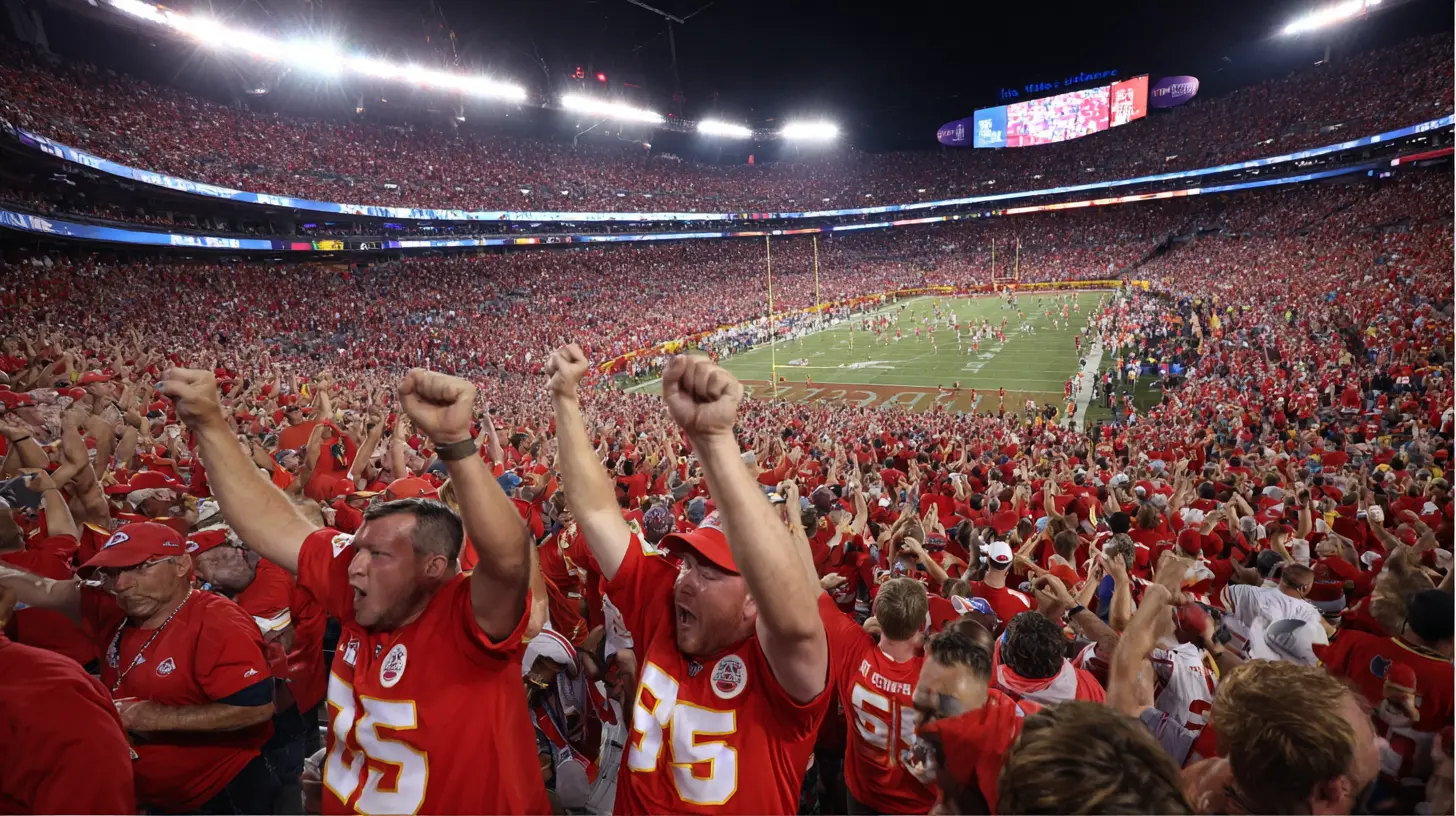
Why Some Stadiums Work and Others Do Not
Not every full stadium is a fortress. Some are loud and useless. Others are quiet and terrifying.The difference comes down to four factors.
Proximity
How close are the fans to the action? A stadium with a running track around the pitch dilutes everything. The noise has to travel. The signals get lost. This is why some of the most intimidating venues in the world are also the most cramped. Closeness matters more than capacity.Continuity
A crowd that reacts to everything reacts to nothing. The most effective home environments have rhythm. They know when to press and when to rest. This is often organic, but in 2026 more clubs started actively working with supporter groups to shape that rhythm.Knowledge
A crowd that understands the game reacts better. Not because they are smarter, but because their reactions are more accurate. A knowledgeable crowd groans at the right moments. It rises at the right moments. Players feel the difference between a crowd that is reacting to the scoreboard and a crowd that is reacting to the play.Relationship
This is the one nobody talks about. Players perform better in front of crowds they feel a relationship with. Not affection. Relationship. The sense that the people in the stands know who you are and what you are trying to do. That is built over time. It cannot be manufactured in a single season.The Dark Side of Home-Field Power
Here is where I part ways with the cheerleaders.A crowd that can lift a team can also crush it. The same mechanisms that amplify confidence amplify fear. A home crowd that turns on its own players in the first twenty minutes creates a pressure environment that is worse than any away trip.
In 2026, several high-profile collapses at home traced back to crowd behavior, not tactical failure. Boos at halftime. Whistles after a misplaced pass. The kind of ambient hostility that makes players want to hide rather than express themselves.
The teams that handled this best did something counterintuitive. They asked their supporter groups to police the negativity, not the players. When a section starts turning on its own team, other fans shut it down. That is not censorship. It is protecting the asset.
Practical Lessons for Clubs
If you run a club and you want to harness home-field reactions, here is what actually works.Stop Treating Fans as Customers
The customer framing produces passive spectators. You want participants. That means giving supporter groups real input on matchday experience, not just a survey once a year. It means treating atmosphere as a shared responsibility, not a service the club provides.Design for Sound, Not Capacity
Seat count is a vanity metric. Acoustic design is what matters. If you are building or renovating, invest in roof structures, reflective surfaces, and section layouts that carry sound toward the pitch. A 30,000-seat stadium designed well will outpressure a 60,000-seat bowl every time.Coach the Rhythm
Coaches already manage substitutions, tempo, and pressing triggers. They should also think about crowd rhythm. A well-timed gesture to the stands, a moment of acknowledgment before a big defensive sequence, these things matter. They are not theatrics. They are communication.Protect Players From Their Own Crowd
This is the hardest one. When the home crowd turns, the coach has to intervene. Sometimes that means a public statement. Sometimes it means a private conversation with supporter leaders. Ignoring it and hoping it blows over is how seasons unravel.Practical Lessons for Fans
If you are in the stands, you have more power than you think. Here is how to use it.React to the Play, Not the Score
The scoreboard is a lagging indicator. The play is the leading one. React to effort, to intent, to the small things that build toward goals. That is what players actually feel.Know When to Go Quiet
Silence is a weapon. A crowd that goes quiet during a defensive stand creates a different kind of pressure than one that screams. It signals focus. It tells the players that the people watching understand what is happening.Do Not Boo Your Own
You can be critical. You can be demanding. But the moment you turn on your own players during a match, you are helping the opponent. There is no version of this where booing your own team produces a better outcome.
Common Mistakes and Misconceptions
Let us clear some things up.Misconception: Home advantage is mostly about travel and scheduling.
Partly true historically. Increasingly false. Travel fatigue matters, but the crowd effect is larger and more controllable.
Misconception: A full stadium is automatically an advantage.
False. A full stadium that is hostile to its own team is a liability.
Misconception: Noise equals pressure.
False. Timing and accuracy of reaction matter more than raw decibels.
Mistake: Trying to manufacture atmosphere with piped-in sound or forced chants.
This backfires. Fans know when they are being manipulated. Authentic atmosphere cannot be faked.
Mistake: Ignoring the away fans.
A strong away section can neutralize home advantage. Clubs that treat away supporters as an afterthought are leaving something on the table.
Comparisons: Three Models of Home-Field Strategy
The Fortress Model
Extreme proximity, hostile environment, continuous pressure. Works well for teams with strong defensive identity. Fails when the team needs to play expansive football, because the crowd's intensity pushes toward caution.The Cathedral Model
Reverent, knowledgeable, reacts to quality rather than effort. Works well for technical teams. Fails when the team needs a kick up the backside, because the crowd will not provide it.The Cauldron Model
Organized, rhythmic, coordinated with game states. The most effective model in 2026. Requires trust between club and supporter groups. Fails if that trust breaks down.Most clubs default to one of these without thinking about it. The best clubs choose deliberately based on their playing style and their fanbase.
What to Consider Before Leaning on Atmosphere
Atmosphere is not a strategy on its own. It is a multiplier. If your team is poorly organized, a great crowd will not save you. If your team is well coached, a great crowd will make them look even better.Before you invest in atmosphere as a competitive edge, ask three questions.
Does your playing style benefit from crowd energy, or does it require calm? A possession team in a cauldron can be disrupted by its own crowd's impatience.
Do you have the relationship with your supporters to shape their behavior? If not, you are not steering the ship. You are just riding the waves.
Can you protect your players when the crowd turns? If the answer is no, you are building on sand.
The 2026 Takeaway
The lesson of 2026 is not that crowds matter. Everyone knows that. The lesson is that crowds can be understood, shaped, and deployed with more precision than most clubs bother to attempt.The teams that treated their supporters as co-participants rather than background noise gained real, measurable edges. The teams that treated them as customers or as problems lost those edges.
Home-field advantage is not a gift. It is a relationship. And like any relationship, it rewards attention, honesty, and consistency. Ignore it, exploit it, or take it for granted, and it will turn on you faster than a bad pass in your own third.
The fans turned the tide in 2026. The question for every club going forward is whether they are going to swim with it or against it.
all images in this post were generated using AI tools
Category:
Fan ReactionsAuthor:

Onyx Frye