What It Takes to Be a Professional Sports Referee
3 August 2026
Let’s be honest—when you’re watching a big game, whether it’s the Super Bowl, the NBA Finals, or the World Cup, your eyes are glued to the athletes. The touchdowns, the slam dunks, the game-winning goals—those are the moments that steal the spotlight. But have you ever stopped to appreciate the folks in the stripes making those split-second calls under immense pressure?
Yep, I’m talking about sports referees.
Being a professional sports referee isn't just about blowing a whistle or throwing up a flag. It’s a grind. It’s sweat, stress, and stamina bundled into a black-and-white uniform. It takes guts, resilience, razor-sharp focus, and a deep love for the game.
So, if you’ve ever wondered what it really takes to become a pro in this high-stakes, high-scrutiny world, let’s break it down together.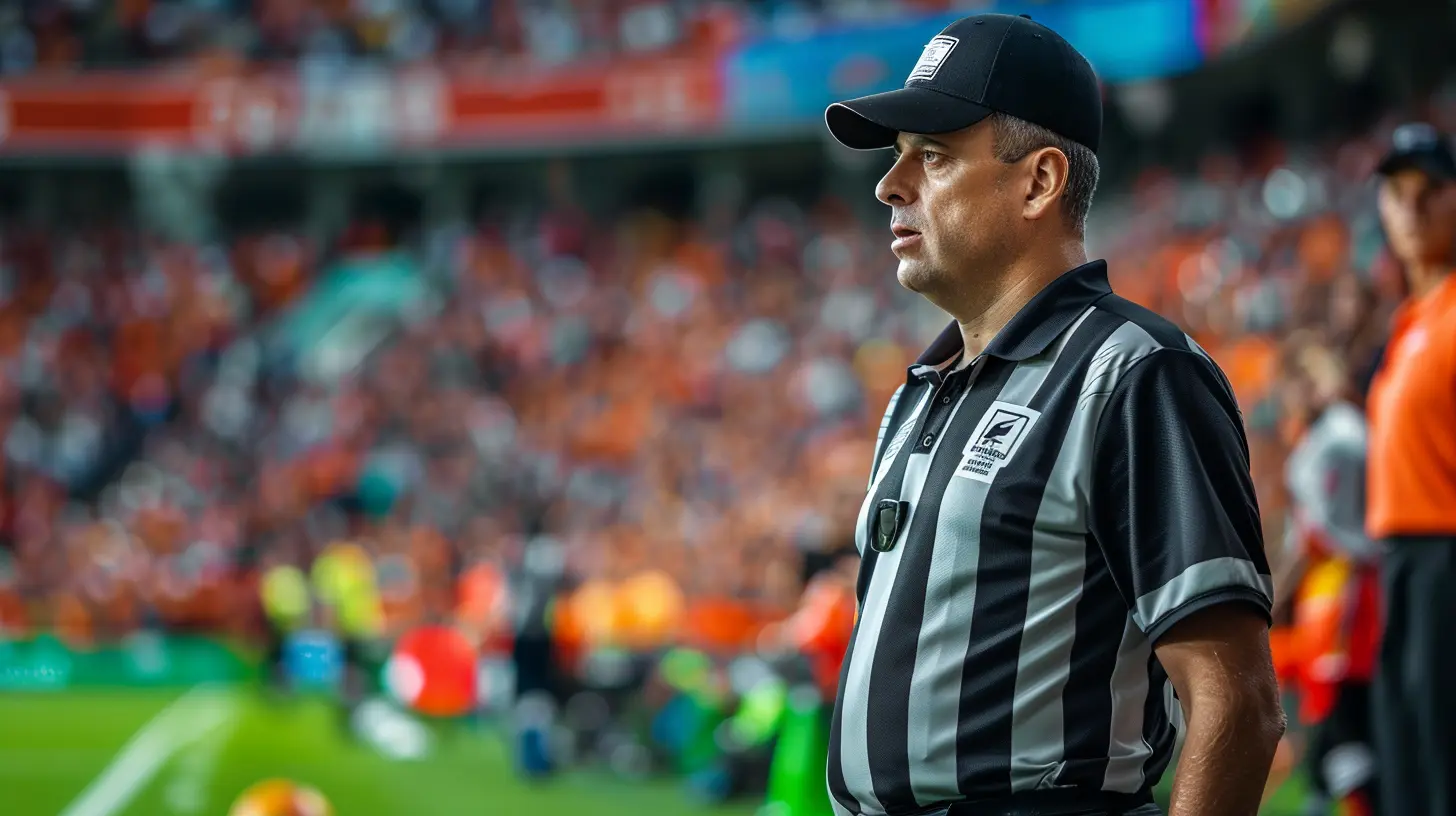
The Heart Behind the Whistle
First things first—being a ref isn’t for the faint of heart. You can’t just stumble into it because you played a little ball in high school. It takes passion, patience, and nerves of steel.Referees are often the most hated and overlooked people on the field. But guess what? Without them, the game literally doesn’t happen. They embody fairness, enforce rules, and keep the chaos in check. Like the unsung heroes of sport, they make sure it's played with integrity.
Professional refs don’t just know the rulebook—they live it, breathe it, and sometimes dream about it at night (seriously, ask one).
Training Ground: Where It All Starts
Alright, let’s say you're seriously thinking about becoming a referee. Where do you even begin?Step 1: Start Local
Referees often start at the grassroots level—youth leagues, community tournaments, or high school games. It’s like being at the gym before a heavyweight fight. You learn the basics, get comfortable making calls, and understand how to manage real-time play.Step 2: Get Certified
No governing body is going to trust you with a major league game without credentials. Depending on your sport (football, basketball, soccer, etc.), you’ll need to get certified by the appropriate national organization. Think of this as your license to blow the whistle.These certifications usually involve:
- Rulebook exams
- On-field assessments
- Continuing education (yes, refs study too)
And trust me—it’s more intense than it sounds. They’re not messing around when it comes to the integrity of the game.
Step 3: Climb That Ladder
You don’t go from refereeing a Friday night high school game to the NBA overnight. Most referees work their way up slowly:- Local leagues
- Semi-professional or college-level
- Minor leagues
- Then, hopefully, the big leagues
We're talking a journey of years, sometimes decades.
Physical Fitness Is Non-Negotiable
This might surprise you, but professional referees are incredibly fit. They’re not just standing around with a whistle in their hand. They run—A LOT.Think about it. In soccer, refs can clock more distance than some players. In basketball, they’re sprinting back and forth, staying close to the action. In football, they’re dodging 300-pound athletes while trying to make perfect judgments.
To keep up, refs train just like athletes do:
- Cardiovascular endurance
- Agility drills
- Strength training
- Regular fitness testing
You’ve got to be fast, alert, and physically durable. That’s the only way you can keep up with the pros.
Mental Toughness: The Game Within the Game
A referee’s mental game has to be on point. Imagine making a tough call in a packed stadium with 80,000 fans screaming at you (and not in a good way). Or reviewing a pivotal play with coaches yelling, players begging, and the entire game on the line.Pressure? Through the roof.
Spotting Everything, Missing Nothing
Referees don’t get timeouts. They’re constantly watching movement, fouls, infractions, time management, and player behavior all at once. They need laser focus and instant recall of rules.It’s like playing mental chess while running a marathon.
Handling Criticism
A big part of the gig? Knowing that no matter what call you make, somebody’s going to hate it. Fans boo. Coaches argue. Players talk back. You’ve got to stay cool, calm, and collected—every single time.It’s not about being liked. It’s about being fair and confident.
Communication Skills: The Unsung MVP
Believe it or not, pro refs need top-tier communication skills. Why?Because they’re not just throwing flags—they're managing people, defusing conflicts, and keeping the game running smoothly.
A great ref knows how to:
- Explain decisions clearly
- De-escalate tense moments
- Show authority without ego
- Earn respect, not just demand it
Their tone, body language, even timing—all of it matters. A single word—or lack of one—can change the course of a game.
Continuous Learning and Adaptability
Sports evolve. Rules get updated. Technology enters the field (hello, VAR and instant replay). Referees have to adapt constantly.Pro refs review game footage, attend workshops, and stay in the loop with rule changes. Some even work with mentors or performance analysts. It’s like never-ending homework, but essential.
The best referees are students of the game—for life.
The Road to Big Leagues: What It Really Looks Like
So, how do you actually make it to the NFL, NBA, or FIFA World Cup?Years of Experience
Most pro refs have 10–15 years—or more—under their belts. They're seasoned vets who’ve proven themselves time and time again at lower levels.Perfect Evaluations
Leagues keep close tabs on referee performance. Every call, every missed foul, every ejection—it’s all graded. A high-performance track record is key.Networking and Exposure
No industry is immune to the power of connections. Referees often need to establish themselves, get seen by the right people, and make an impression that lasts.The Paycheck: Is It Worth It?
Alright, let’s talk money because—let’s face it—that matters too.What Do Pro Refs Make?
- NFL officials: Around $205K per year (as of 2023, depending on experience)- NBA refs: $150K to $550K annually
- MLB umpires: $120K to $450K+
- FIFA soccer refs: Varies significantly based on tournaments and assignments
Not too shabby, right?
But remember—the journey to that paycheck is long, grueling, and filled with uncertainty. Only a handful make it to that level.
The Emotional Rollercoaster
Being a referee isn’t just physically and mentally demanding—it’s emotionally exhausting too.You miss family weekends, get criticized relentlessly online, and sometimes replay tough calls in your head for days. The public doesn’t forgive easily, and social media? Yeah, it can be brutal.
But for those who truly love the game, nothing compares to it.
There’s a unique pride in being the guardian of fairness—to ensure the game is played right, every single time. Referees may be overlooked in victory, but they are essential to every second of gameplay.
Compassion for the Ones in Stripes
Next time you see a referee on the field, maybe cut them some slack. Remember, behind that whistle is a human being giving everything they’ve got to make the game better.They don’t get glory, highlight reels, or endorsement deals. But what they do get—when done right—is the respect of the sport and the satisfaction of knowing they were the backbone of something great.
So, here’s to the referees—the quiet warriors of sports. It takes an extraordinary kind of person to walk into chaos and keep it fair.
Could you be one of them?
Final Whistle Thoughts
Becoming a professional sports referee takes more than knowing the rules—it takes heart, hustle, and a high pain tolerance (both physical and emotional). It’s a rewarding path, but only for those who are truly passionate about the game, integrity, and serving in the shadows.So if you’ve got a love for sports and a desire to do something meaningful without chasing the spotlight, this might just be your calling.
And hey, someone’s got to make the tough calls—why not you?
all images in this post were generated using AI tools
Category:
Professional SportsAuthor:

Onyx Frye
Discussion
rate this article
1 comments
Valeris McFarland
In the shadows, power and precision clash... who truly sees?
August 3, 2026 at 12:57 PM