What Is a Technical Foul in Basketball and Why It’s Given
8 November 2026
In the dynamic world of basketball, every action on the court is governed by a set of rules designed to maintain fairness and sportsmanship. Among these rules, the technical foul stands out as an important tool used by referees to control the game and uphold its integrity. This article delves into the intricacies of technical fouls, their implications, and the underlying principles that guide their enforcement.
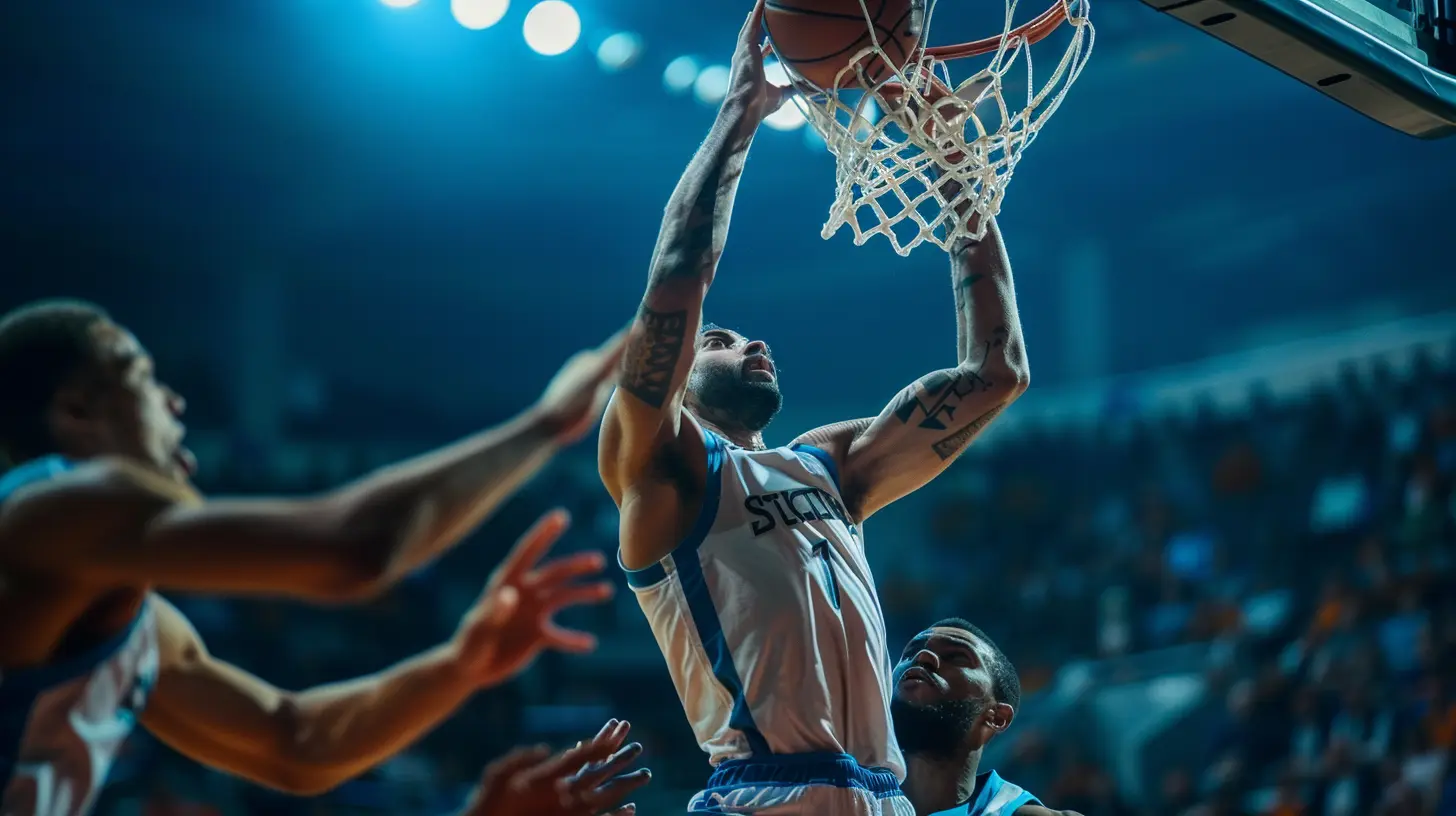
Understanding Technical Fouls
Definition of a Technical Foul
A technical foul is a violation that does not involve physical contact during play. Unlike personal fouls, which occur due to illegal physical actions, technical fouls typically relate to unsportsmanlike conduct, violations of game protocol, or issues with player behavior. This can include actions such as:- Arguing with referees
- Taunting opponents
- Delay of game
- Disrespectful behavior towards officials
The Purpose of Technical Fouls
The primary purpose of a technical foul is to maintain the integrity of the game. By penalizing unsportsmanlike behavior, officials aim to foster a respectful playing environment. This rule serves several key functions:1. Encouraging Sportsmanship: Basketball is a highly emotional sport. Technical fouls act as a deterrent against behavior that could undermine the spirit of the game.
2. Ensuring Fair Play: The dynamics of a game can shift dramatically based on player behavior. Technical fouls help to level the playing field, especially if one team is resorting to tactics that disrupt fair competition.
3. Maintaining Control: Referees have a difficult job, and technical fouls give them a tool to manage the flow of the game. When tensions rise, a well-placed technical foul can help defuse a volatile situation.
Types of Technical Fouls
There are primarily two categories of technical fouls: direct and indirect.Direct Technical Fouls
These are called for actions such as:- Arguing with officials
- Excessive celebration or taunting after a play
- Leaving the bench during an altercation
Direct technical fouls are usually enforced against individual players or coaches.
Indirect Technical Fouls
These fouls do not penalize an individual but rather the team as a whole. Common examples include:- Delay of game violations
- Too many players on the court
- Failure to adhere to substitution rules
In this case, the team incurs a penalty, which could affect their performance and strategy.
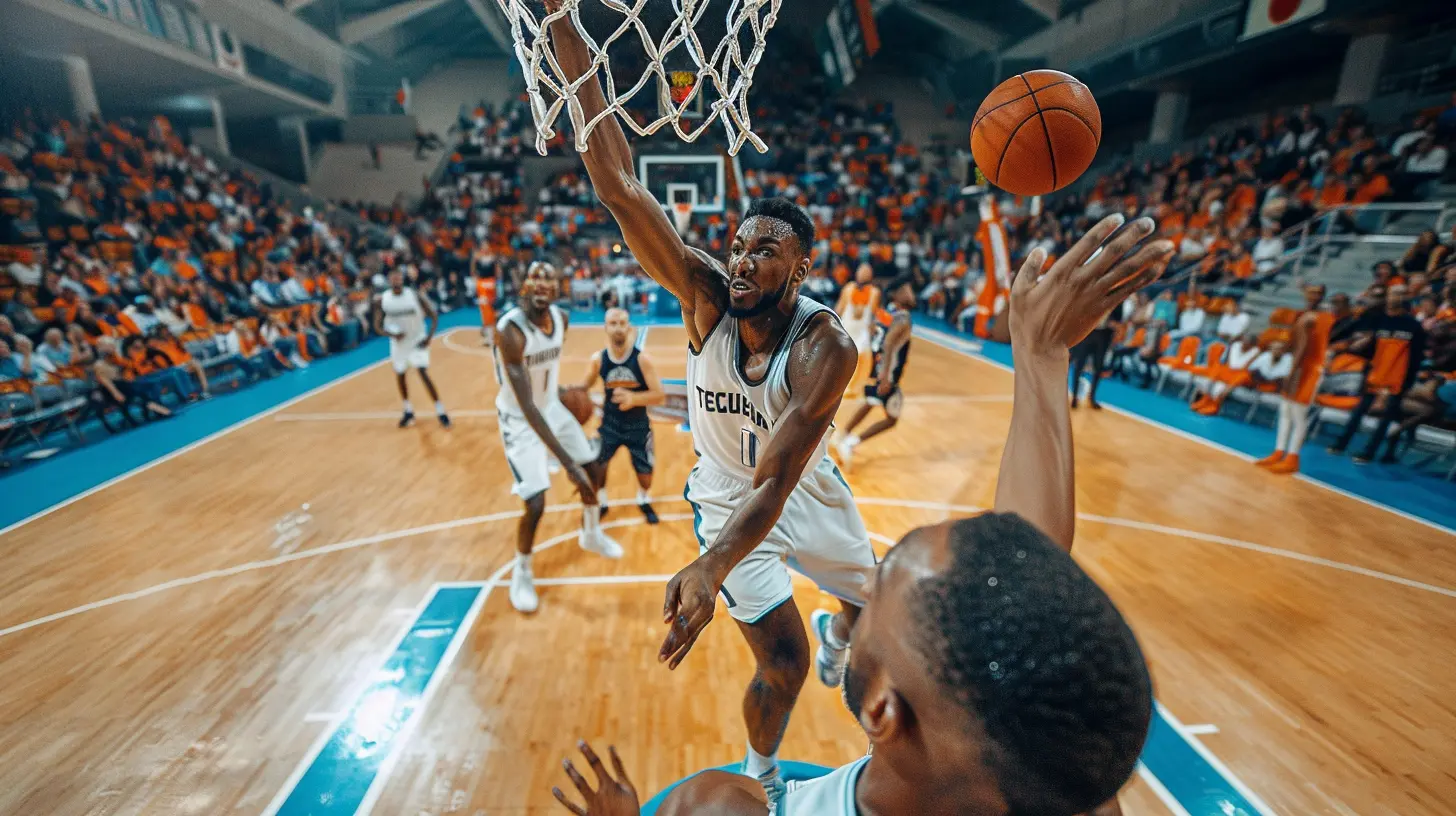
The Mechanics of a Technical Foul
How It Is Called
When a referee identifies a violation that warrants a technical foul, they will signal it by raising one hand with the index and middle fingers extended. This gesture is universally recognized and helps communicate the foul to players, coaches, and spectators.Penalty for a Technical Foul
The immediate consequence of a technical foul is the awarding of free throws to the opposing team. Typically, one or two free throws are granted, depending on the league's rules. the team committing the technical foul may lose possession of the ball, further impacting the game's flow.Example: The Impact on Game Strategy
Consider a scenario where a star player receives a technical foul for arguing with a referee. Not only is the player removed from the game for a period, but the opposing team gains the advantage of free throws and possession. This can shift momentum drastically, showcasing how a single technical foul can influence a game's outcome.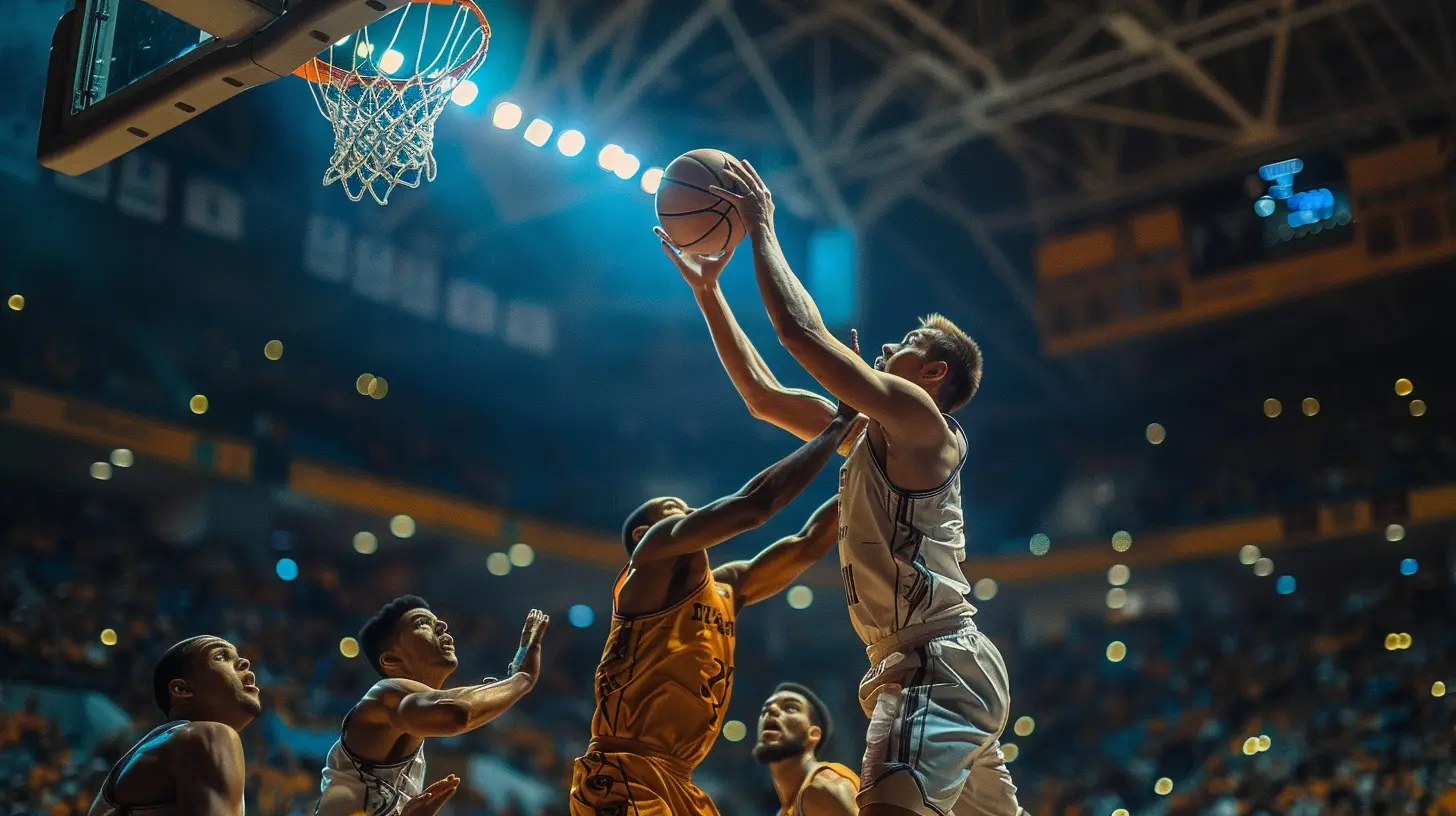
Common Misconceptions About Technical Fouls
"Only Players Get Technical Fouls"
One of the prevalent myths is that only players can be assessed with technical fouls. In reality, coaches and bench personnel can also be penalized for unsportsmanlike conduct. For example, a coach who excessively berates officials can receive a technical foul just as easily as a player."Technical Fouls Are Always Bad"
While receiving a technical foul can seem detrimental, there are instances where it may serve a strategic purpose. For example, when a team is struggling and needs to rally its players, a technical foul can serve as a wake-up call. However, this should be used judiciously, as excessive technical fouls can lead to ejection from the game.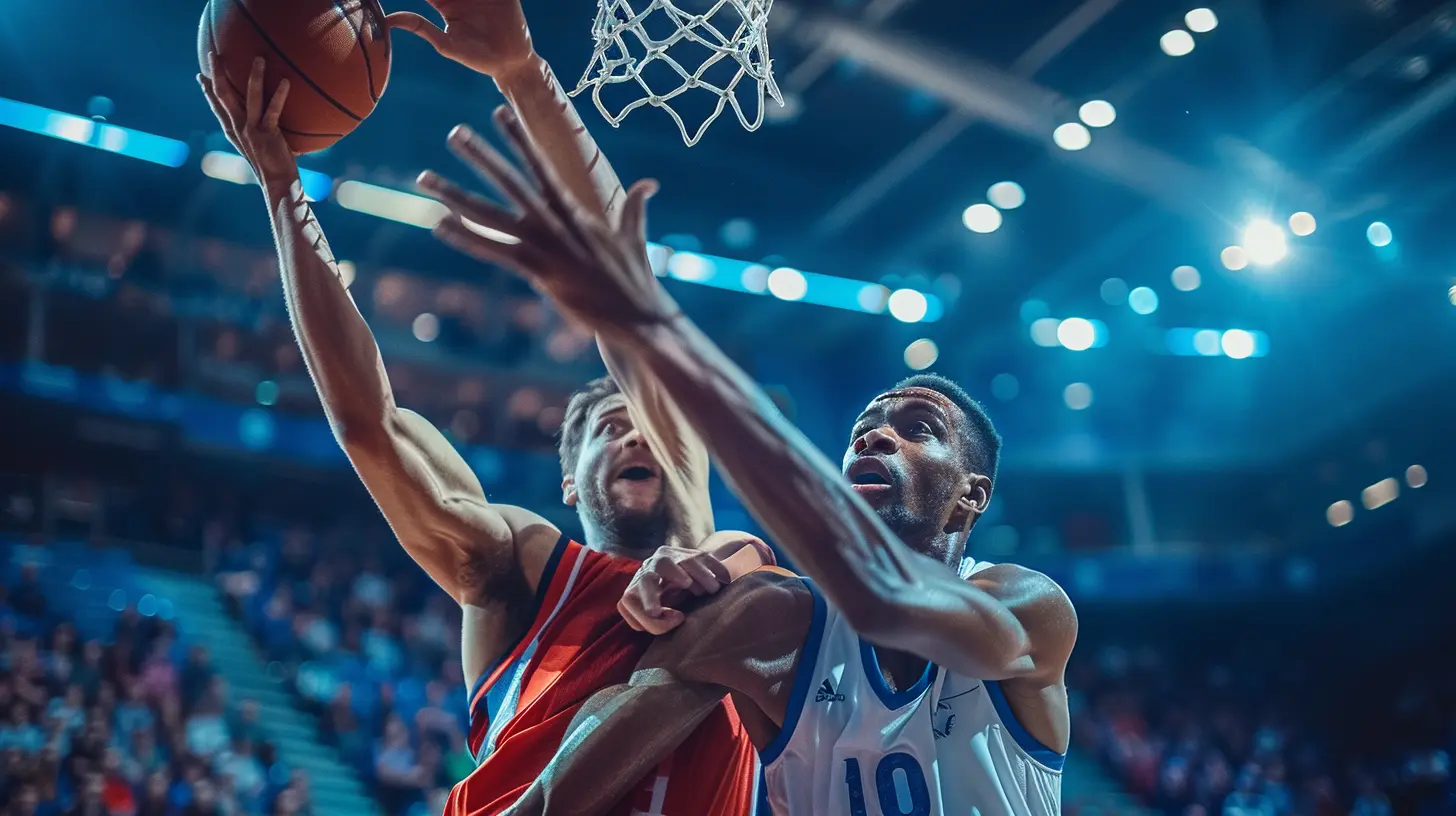
Best Practices for Players and Coaches
Managing Emotions and Relationships with Officials
Players should be trained to manage their emotions effectively. Learning to communicate respectfully with referees can prevent unnecessary technical fouls. Coaches can play an instrumental role in this by modeling appropriate behavior and teaching conflict resolution skills.Strategies to Avoid Technical Fouls
1. Focus on Play: Staying focused on the game and not getting drawn into disputes with officials is crucial. Players should channel their energy into their performance rather than confrontations.2. Respect the Game Protocols: Adhering to game rules regarding substitutions and timeouts can prevent indirect technical fouls. This requires awareness from both players and coaching staff.
3. Use Timeouts Wisely: Coaches should use timeouts strategically to address issues rather than arguing with officials, thereby avoiding potential technical fouls.
The Role of Technology in Reducing Technical Fouls
Video Review Systems
With advancements in technology, leagues are adopting video review systems to assist referees in making decisions. This reduces the instances of mistaken calls, which can lead to frustration and subsequent technical fouls. Having the option to review plays can help maintain the integrity of officiating and minimize emotional responses from players.Training Programs for Referees
Referee training programs are increasingly focusing on conflict resolution and communication skills. By empowering officials with better tools for managing game dynamics, the frequency of technical fouls may decrease.
The Broader Impact of Technical Fouls on the Game
Shaping Game Dynamics
Technical fouls can significantly shape the flow of a game. When a key player is sidelined due to a technical foul, the opposing team often seizes the opportunity to dominate. The psychological impact on both teams can be profound, as one team gains confidence while the other may feel demoralized.Long-Term Consequences
Repeated technical fouls can lead to player suspensions or fines, affecting not just individual players but also team performance over the long run. Teams must be aware of their players' foul counts and manage rotations to mitigate risks associated with technical fouls.Conclusion
Understanding technical fouls is crucial for anyone involved in basketball, from players to coaches to fans. They are not just penalties but rather essential components of the game's structure that promote respect, fairness, and sportsmanship. By recognizing the nuances of technical fouls, players can better navigate the pressures of the game, and coaches can implement strategies that enhance team performance while minimizing risk.In a sport where every point counts, managing emotions and behavior effectively can make all the difference. As the game continues to evolve, the relationship between rules and player conduct will remain a cornerstone of basketball culture, and technical fouls will serve as a reminder of the importance of integrity on the court.
all images in this post were generated using AI tools
Category:
Game Rules ExplainedAuthor:

Onyx Frye
Discussion
rate this article
1 comments
Runeveil Webster
Great breakdown of technical fouls! It's interesting how often they can change the momentum of a game. Players really need to keep their cool because those little mistakes can cost the team big time... Definitely something to watch for!
November 8, 2026 at 4:31 AM


