What Fans Really Thought of the League’s New Rules in 2027
20 October 2026
Every rule change arrives with a promise attached. The league says it will speed up the game, protect players, or make the product more watchable. Fans hear all of that, nod politely, and then form their own opinions the moment the first whistle blows. That gap between the press release and the lived experience of watching games is where the real story lives, and in 2027 it produced one of the most interesting fan reactions in recent memory.
The new rules package touched almost every part of the game: how the clock runs, how defenders can challenge a ball carrier, how replay reviews are triggered, how the final two minutes are managed, and how discipline is handled during and after games. Some of it worked. Some of it backfired in ways the league clearly did not anticipate. And a lot of it revealed something deeper about how fans actually consume sports versus how executives assume they do.
This is not a list of talking points from the rulebook. It is a look at what supporters genuinely thought, why they thought it, and what the whole experiment tells us about the tricky business of changing a game people love.
The Core Tension: Speed Versus Substance
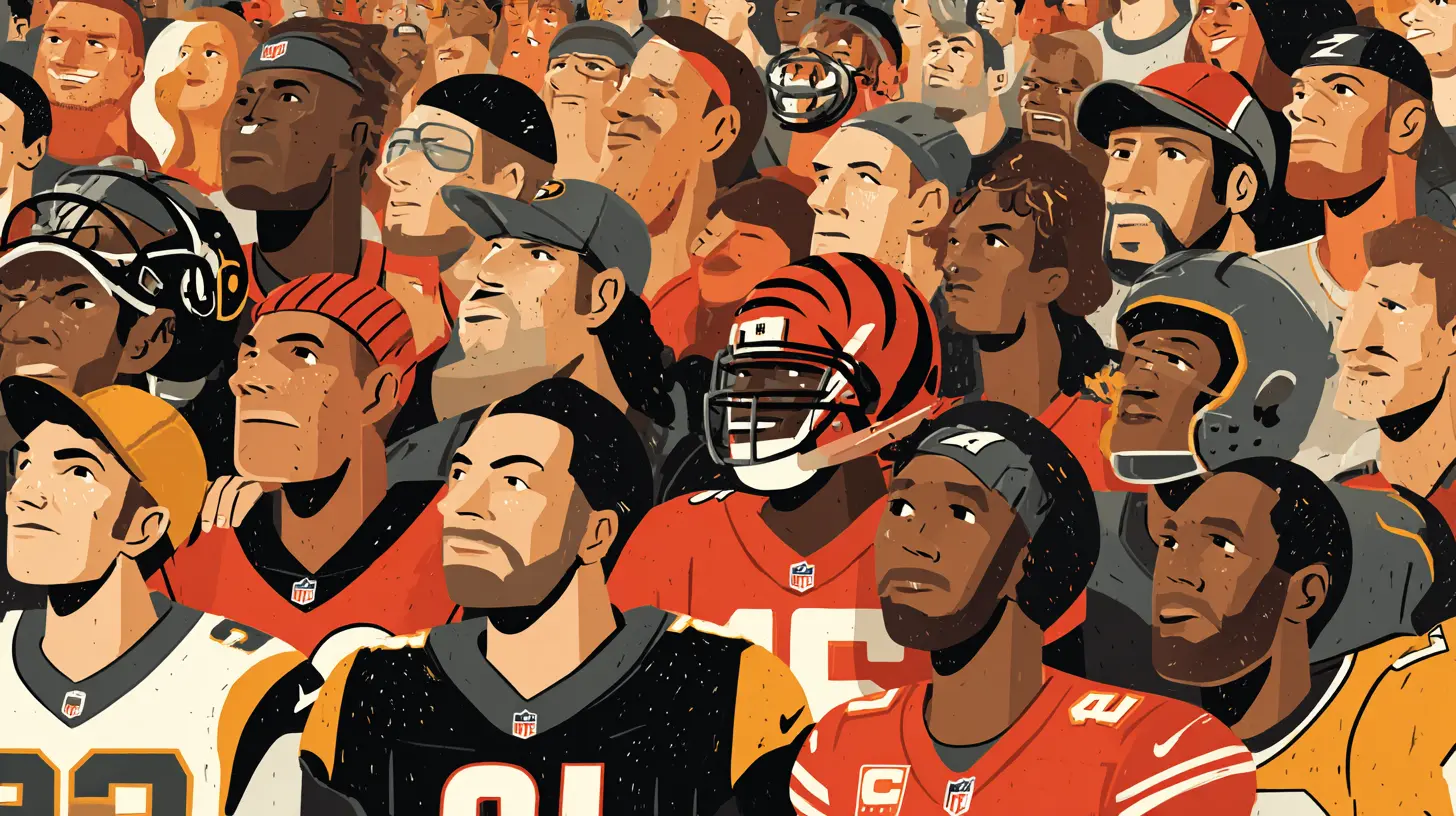
The league sold the 2027 changes on pace of play. Games were getting longer, dead time was piling up, and younger viewers in particular were drifting toward formats that get to the action faster. So the rulebook was rewritten with a simple guiding principle: keep the clock moving and keep the game flowing.On paper, this is hard to argue with. In practice, fans split almost immediately into two camps, and the split did not fall along the lines anyone predicted.
The speed camp loved it. These were mostly fans who watch multiple sports, stream highlights, and treat a live game as one screen among several. For them, a game that trims ten to fifteen minutes of dead time is a gift. They do not feel like they are missing anything, because the parts that got cut were the parts they were already skipping.
The substance camp hated it, and their reasoning was sharper than the league expected. Their argument was not that the game was too fast. It was that speed had been achieved by removing the moments where tension builds. The pause before a crucial third down. The slow walk to the line after a big stop. The timeout that lets a crowd get loud. Those moments are not dead time to a committed fan. They are the punctuation that gives the action meaning.
Here is the lesson the league learned the hard way: dead time and downtime are not the same thing. Dead time is a referee sorting out a malfunctioning headset. Downtime is a stadium holding its breath. You can eliminate the first without touching the second, but the 2027 rules did not make that distinction cleanly, and fans noticed.
Why the Clock Changes Felt Different in the Stadium
The most revealing feedback came from people who attend games in person. On television, a running clock feels like efficiency. In the stands, it feels like confusion.When the clock keeps moving after certain stoppages, fans in the stadium lose their reference point. They cannot see the subtle signals that tell them when play is about to resume. At home, a broadcast graphic explains everything. In row 42, you get a whistle, a lot of people standing up, and a vague sense that you missed something. Season ticket holders complained that they were paying premium prices for an experience that had become harder to follow, not easier.
This is a classic trade-off that rule-makers routinely underestimate. Changes that play well on a broadcast can degrade the in-person product, and the in-person product is where the league's most loyal and highest-spending fans live. A rule that saves eight minutes of broadcast time but costs a stadium crowd its sense of rhythm is not a neutral trade. It is a transfer of value from one group of fans to another.

The Challenge System: Fans Loved It, Then Started to Doubt It
The expanded coach's challenge was the most popular rule on day one. Fans had been begging for more reviewable plays for years, and the league finally gave it to them. Coaches could now challenge a broader category of calls, including certain judgment calls that had previously been untouchable.The early reaction was genuinely warm. Fans liked the accountability. They liked seeing coaches fight for their teams. They liked that obvious mistakes could be corrected. For a few weeks, the challenge system felt like the rare rule change that everyone could agree on.
Then the season wore on, and the mood shifted. Not because the challenges were wrong, but because of how long they took and how often they ended in rulings that felt unsatisfying.
The Problem With Reviewing Judgment
There is a fundamental difference between reviewing a factual question and reviewing a judgment call. Did the ball break the plane? Factual. Was the receiver's hand still in bounds? Factual, more or less. Did the defender commit pass interference? Judgment.When you put judgment calls under a microscope, you do not get clarity. You get a different person's judgment, delivered slowly, with a lot of slow-motion footage that makes almost anything look like a foul. Fans intuitively understand this, which is why support for the expanded challenge system eroded the moment it started overturning calls that looked fine in real time.
The practical takeaway for anyone running a league is straightforward: expand review for facts, not for opinions. Every additional judgment call you make reviewable adds time to the game and subtracts certainty from the outcome. You end up with more correct-seeming decisions and less confident fans, which is a bad trade.
What Fans Actually Wanted From Reviews
Listening closely to the complaints, the issue was never really about the number of reviews. It was about transparency. Fans wanted to hear the reasoning. They wanted the review process to feel like an explanation rather than a verdict from an unseen authority.Where the league did provide live audio of the review discussion, satisfaction jumped noticeably. Where it did not, frustration spiked even when the call was correct. That is a critical insight: fans will accept a decision they disagree with if they understand how it was reached. They will resent a decision they agree with if it feels arbitrary.
Player Safety Rules and the Trust Gap
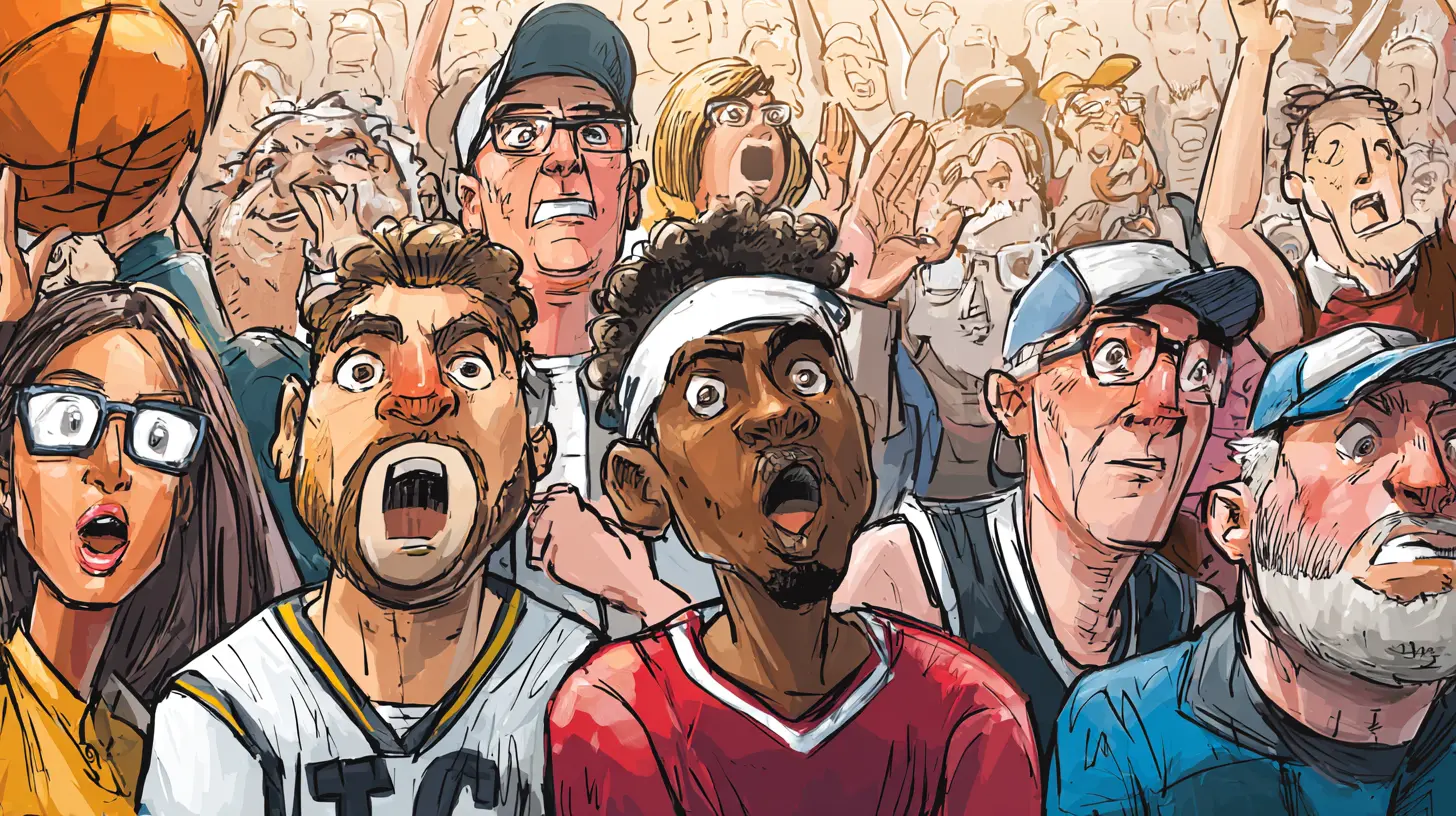
The 2027 package included several player safety provisions, and this is where fan reaction got most complicated. Nobody is against player safety in principle. In practice, fans are deeply suspicious of safety rules that also happen to change competitive outcomes.The most debated provision was the expanded penalty framework for certain contact to the head and neck area. The intent was clear and defensible. The execution created a new problem: penalties that looked accidental, or that occurred at full speed in a sport built on collisions, were suddenly decisive. A team could lose a game because of a hit that the player could not realistically have avoided.
Fans responded with a familiar brand of cynicism. They did not think the league was lying about safety. They thought the league was using safety as cover for something else, whether that was protecting its legal position, managing public relations, or simply asserting control over outcomes. Whether or not that suspicion is fair, it is real, and it matters.
Why Consistency Matters More Than Severity
The single biggest driver of fan anger was not the harshness of the new penalties. It was the inconsistency. One week, a hit drew a flag and an ejection. The next week, a nearly identical hit drew nothing. Fans can live with strict rules. They cannot live with rules that seem to apply differently depending on the jersey, the score, or the quarter.This is the oldest lesson in officiating, and it gets relearned every time a league tinkers with discipline. Consistency is the currency of trust. A rule that is applied evenly, even if it is unpopular, will eventually be accepted. A rule that is applied unevenly, even if it is popular on paper, will generate resentment all season.
The Unintended Effect on Defensive Play
There was also a competitive side effect that fans noticed before the league did. Defenders, wary of the new penalty framework, started playing more cautiously. Tackling angles changed. Pursuit slowed by a fraction of a second. The result was a slightly less physical game, which some fans welcomed and others found deeply unsatisfying.This is a textbook example of a rule change with second-order effects. You can legislate a penalty, but you cannot legislate how players will respond to it. Coaches adjust. Players adapt. And the game that emerges on the other side is often not the game anyone pictured when the rule was written.
The Final Two Minutes: The Rule Fans Argued About Most
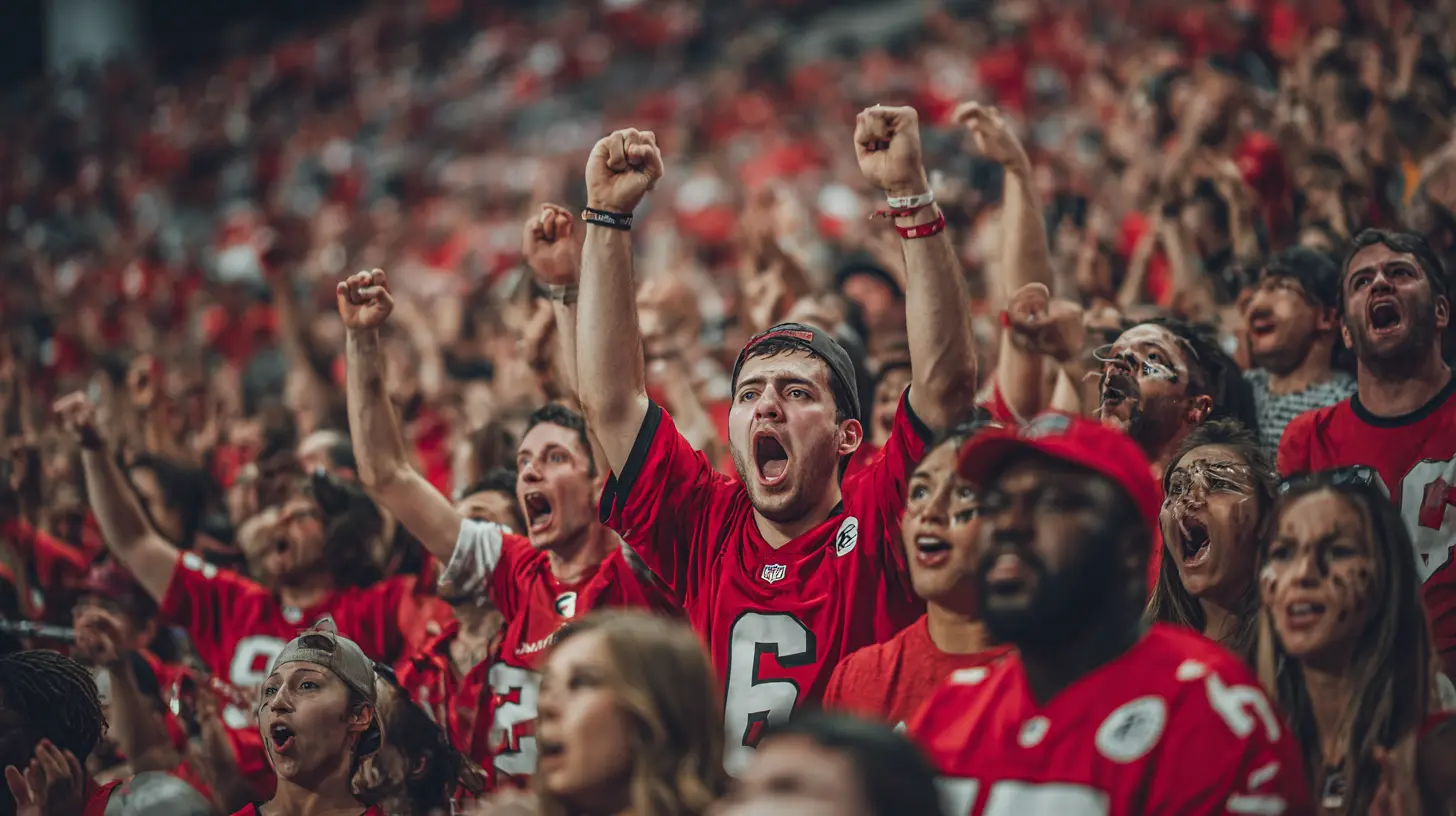
If you want to find the most heated fan debates of 2027, look at the final two minutes of any close game. The new rules changed how the clock stopped, how timeouts interacted with the clock, and how the trailing team could manage a late drive.The stated goal was to prevent games from ending on administrative technicalities. The league wanted the final minutes to be decided by players, not by clock operators and rulebook trivia. That is a noble goal, and in some games it worked beautifully. Late comebacks felt more organic. The clock did not become the story.
In other games, it created chaos. Teams that had spent years mastering the art of the two-minute drill suddenly looked lost. Coaches burned timeouts at strange moments. Players were unsure whether to spike the ball or let the clock run. And fans, who had internalized the old rhythms over decades, found themselves unable to predict what would happen next.
The Case for the Change
Supporters of the new final-two-minute rules make a strong argument. The old system rewarded teams for exploiting clock rules rather than executing plays. A team could run a long, slow drive, get tackled in bounds, and still stop the clock because of a technicality. That felt like a loophole, and closing it made the endgame more about football and less about bookkeeping.For fans who watch a lot of games and understand the strategy, this was a genuine improvement. The endgame became more about execution and less about arcane clock management. It rewarded teams that were prepared and punished teams that were not.
The Case Against
Critics point out that the old rhythms existed for a reason. They gave both teams a fair, predictable framework for the endgame. Everyone knew what to do. The drama came from execution under pressure, not from confusion about the rules.The new system, they argue, replaced predictable tension with unpredictable chaos. And chaos is only fun when everyone understands the stakes. When fans cannot tell whether a team is managing the clock well or badly, the drama loses its meaning.
The fairest assessment is that the change worked as intended in some games and failed in others. The league would be wise to study which situations produced clean endings and which produced confusion, and to refine the rules rather than abandon them. The concept is sound. The execution needs work.
What Fans Really Wanted (And Did Not Get)
Strip away the specific complaints and a clear pattern emerges. Fans were not asking for a faster game, a slower game, or even a fairer game. They were asking for a game they could understand in real time.That is the thread connecting every major complaint of 2027. The clock changes made the game harder to follow in person. The challenge system made outcomes feel less certain. The safety rules made penalties feel inconsistent. The endgame rules made the final minutes harder to predict.
None of these are about the rules themselves. They are about legibility. Fans want to watch a play unfold and know, instinctively, what it means. When rules erode that instinct, fans get frustrated even when the rules are technically improvements.
The Communication Problem
Part of the issue was that the league did a poor job explaining the changes. The rulebook was available. The press releases were thorough. But fans do not read rulebooks. They learn the rules by watching games, listening to broadcasts, and talking to other fans. When the broadcast does not explain a new rule clearly, fans fill the gap with suspicion.The broadcasts that invested in explaining the changes saw noticeably better fan sentiment. Graphics that showed why a flag was thrown, replays that explained a clock decision, and commentary that anticipated confusion all made a difference. The lesson is simple: a rule change is not complete until fans understand it. The league treated the rulebook as the finish line when it was actually the starting line.
The Trust Problem
There is also a deeper issue that no amount of explanation can fully solve. Many fans simply do not trust the league to make changes for the right reasons. They suspect that every rule change is really about money, control, or protecting the league from liability.This suspicion is not entirely fair, but it is not entirely unfair either. Leagues are businesses. Rule changes do affect revenue. And when a rule change coincides with a financial interest, fans notice.
The only real antidote is transparency. When the league explained its reasoning clearly, fan sentiment improved. When it did not, suspicion filled the vacuum. That is a lesson that applies to any organization trying to change a tradition-bound product: explain the why, not just the what.
Practical Lessons for Anyone Changing a Beloved Game
If you are involved in any sport, league, or tradition-bound institution, the 2027 experiment offers some hard-won lessons.Test Changes in Low-Stakes Environments First
The rules that worked best were the ones that had been tested in preseason, minor leagues, or exhibition settings. The rules that caused the most confusion were rolled out cold. Fans are more forgiving of a rule they have seen work than one they are encountering for the first time in a game that matters.Preserve the Rhythms Fans Already Know
Every sport has rhythms that fans have internalized over years. Those rhythms are not just habit. They are part of how fans experience the game. Change them carefully, and explain why. Change them carelessly, and you will spend the season answering angry emails.Prioritize Legibility Over Elegance
A rule can be elegant on paper and confusing in practice. The best rules are the ones fans can understand without a diagram. If a rule requires a broadcast graphic every time it is applied, it is probably too complicated.Consistency Beats Severity
Fans will accept strict rules applied evenly. They will not accept lenient rules applied unevenly. Whatever standard you set, apply it every time, and explain your reasoning when you do not.Treat Communication as Part of the Rule
A rule change is not finished when the rulebook is printed. It is finished when fans understand it. Invest in broadcast explanations, in-stadium graphics, and clear public communication. The cost is small compared to the cost of fan frustration.Common Misconceptions About the 2027 Rules
A few myths took hold during the season and are worth correcting.The first is that fans universally hated the changes. They did not. Support was genuinely mixed, and it varied by rule, by market, and by how well the change was explained. The challenge system was popular early. The clock changes were popular with some fans and hated by others. The safety rules were supported in principle and criticized in practice. Treating fan reaction as a single monolith misses the real story.
The second is that the league ignored fan feedback. It did not. Several rules were adjusted midseason in response to complaints. The problem was not that the league ignored fans. It was that the league did not anticipate the feedback well enough to design better rules from the start.
The third is that the changes were a failure. They were not. Some worked well. Some need refinement. The season was a genuine experiment, and experiments produce mixed results. The real failure would be refusing to learn from them.
What to Watch Next
The most interesting question going forward is not whether the league will keep or repeal the 2027 rules. It is how the league will refine them.The smartest path is incremental. Keep the changes that worked. Fix the ones that caused confusion. Invest in communication. And most importantly, treat fan feedback as data rather than noise. Fans are not always right about the solution, but they are almost always right about the problem.
The 2027 season proved something that should have been obvious all along: fans do not resist change because they are nostalgic. They resist change because they love the game and want to keep understanding it. Give them rules they can follow, explanations they can trust, and outcomes that feel fair, and they will embrace change far more readily than anyone expected.
That is the real takeaway from 2027. The league did not lose the fans. It lost their confidence in a few specific areas, and confidence can be rebuilt. The next round of rule changes will tell us whether the league learned that lesson or not.
all images in this post were generated using AI tools
Category:
Fan ReactionsAuthor:

Onyx Frye