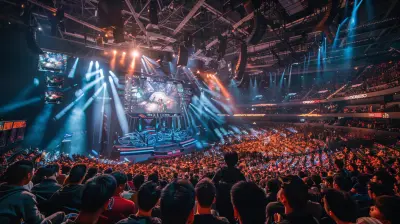
Unexpected Hero: Fan Tributes Flood Social Media in 2026
10 October 2026
Every so often, sport produces a story that no marketing department could have scripted. A player nobody expected to matter becomes the center of a global conversation. In 2026, that pattern repeated itself with unusual force. This time, though, the story was not only about what happened on the field. It was about how fans responded, and how social media turned a quiet, unassuming figure into the emotional anchor of an entire season.
This article examines that phenomenon in depth. It looks at why certain athletes become unexpected heroes, how fan tributes spread so quickly, what makes some tributes land while others fall flat, and what this all means for athletes, teams, and the people who manage them. There are practical lessons here for anyone who works in sport, covers it, or simply cares about it.
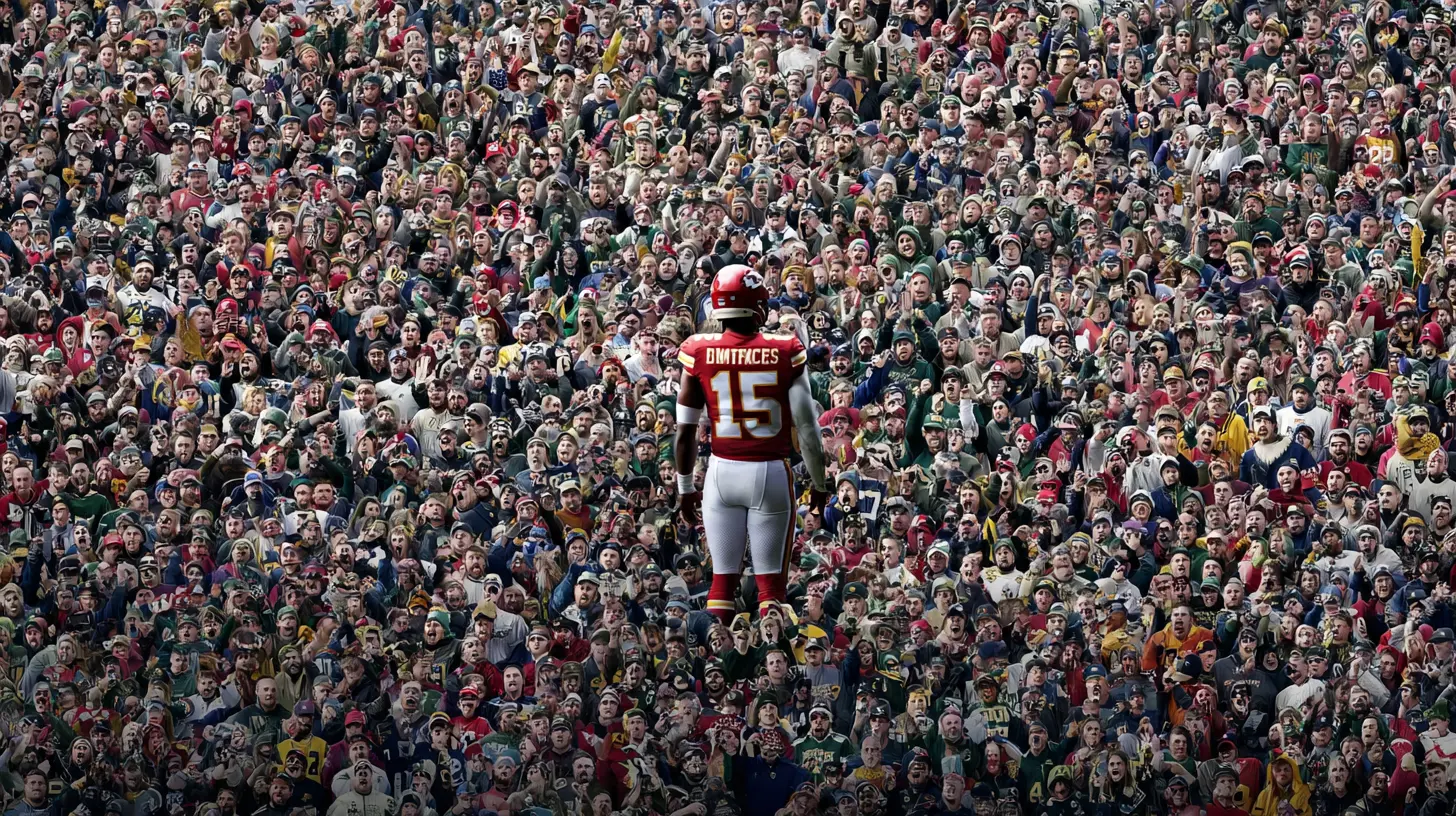
What Makes a Hero "Unexpected"
The word "unexpected" is doing real work in that phrase. A superstar winning a championship is not unexpected. A rookie who barely made the roster becoming the player fans chant for in the final minutes is. The gap between expectation and outcome is what creates the emotional charge.Sociologists who study fandom have long noted that audiences are drawn to narratives of ascent. The underdog story is one of the oldest in human culture. But the 2026 version of this story has a specific texture. It is less about a single dramatic moment and more about a slow accumulation of small, consistent acts that fans notice over weeks and months.
Consider the types of athletes who tend to become unexpected heroes:
- The veteran who was written off and quietly became reliable again
- The bench player who stepped in during an injury crisis and never gave the spot back
- The specialist whose role is unglamorous but whose execution is flawless
- The personality who brought honesty and warmth to a press conference and never stopped
None of these profiles guarantees hero status. What they do is create the conditions. The final ingredient is timing. When a team or a fanbase is anxious, uncertain, or hungry for something genuine, a player who embodies those qualities becomes a focal point.
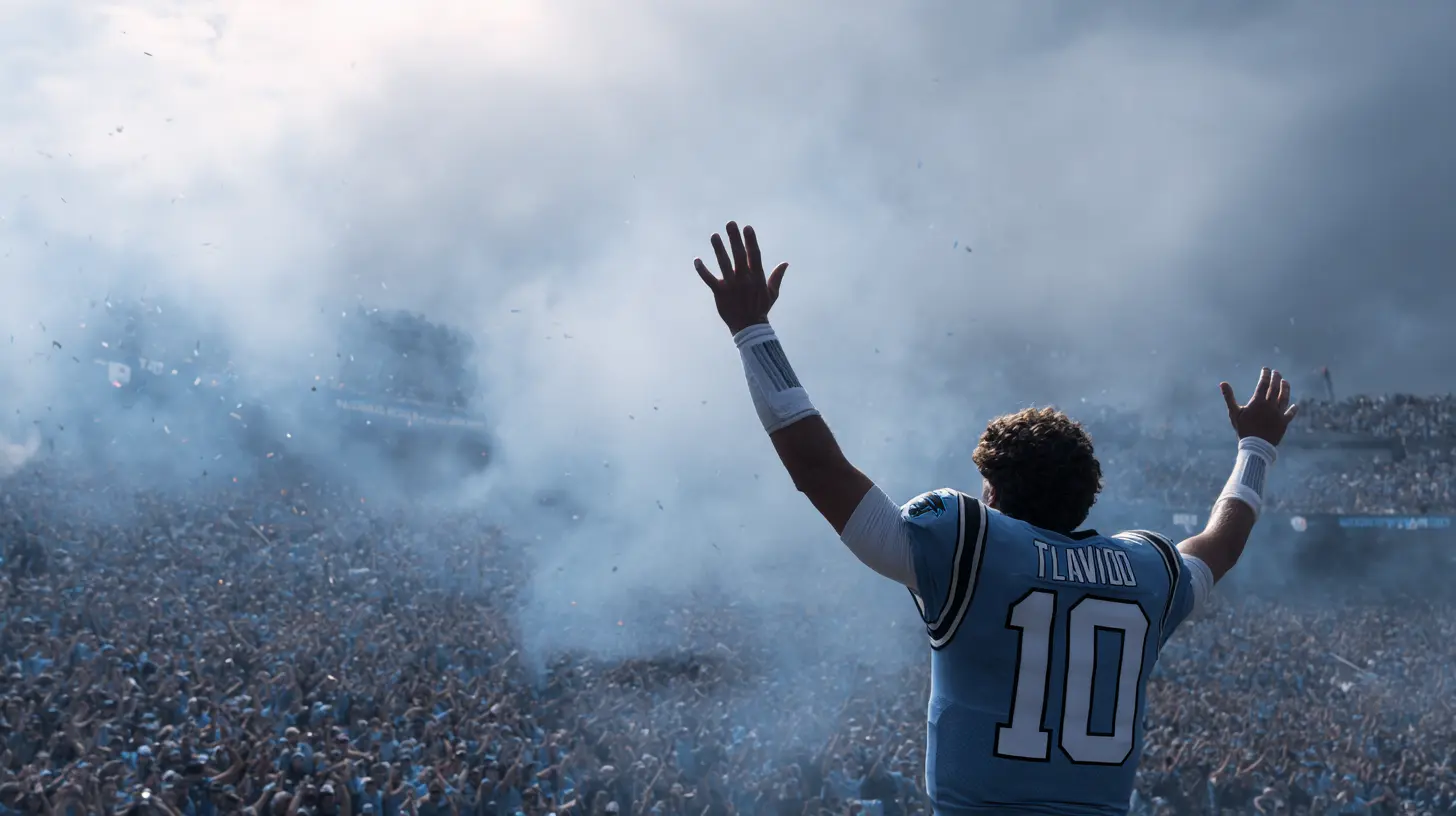
Why Fan Tributes Exploded in 2026
Social media has always amplified sports emotion. What changed in 2026 is the sophistication of fan-made content and the speed at which it travels. Several factors converged.The Maturation of Short-Form Editing
By 2026, the tools available to ordinary fans had become remarkably powerful. A teenager with a phone could cut a tribute video with professional-grade pacing, sound design, and color grading in under an hour. This lowered the barrier to entry dramatically. It also raised the average quality of what gets shared.The result is that a tribute no longer needs to come from a broadcaster or an official account to feel polished. Fan-made edits often outperform official content because they carry emotional authenticity that corporate accounts struggle to replicate. Fans can be raw, specific, and personal in ways that brands cannot.
The Shift Toward Niche Communities
The biggest platforms are no longer the only places where sports conversation happens. Smaller, interest-specific communities have become where the most passionate tributes originate. A tribute might start in a forum dedicated to a single club, a group chat of season-ticket holders, or a Discord server for a particular position group.These spaces matter because they reward depth. A generic "great player" post gets ignored. A detailed breakdown of how a player positions their body before a set piece gets shared widely within that community. The niche origin often gives the tribute a credibility that helps it travel to larger audiences later.
The Emotional Climate
There is also a broader cultural factor. Audiences in 2026 are, in many ways, tired. Tired of manufactured drama, tired of athletes treated as products, tired of narratives that feel engineered. An unexpected hero who seems unaware of their own significance cuts through that fatigue.This is not nostalgia. It is a genuine preference for authenticity. Fans are not looking for perfection. They are looking for someone who seems real, and they reward that with attention and affection.
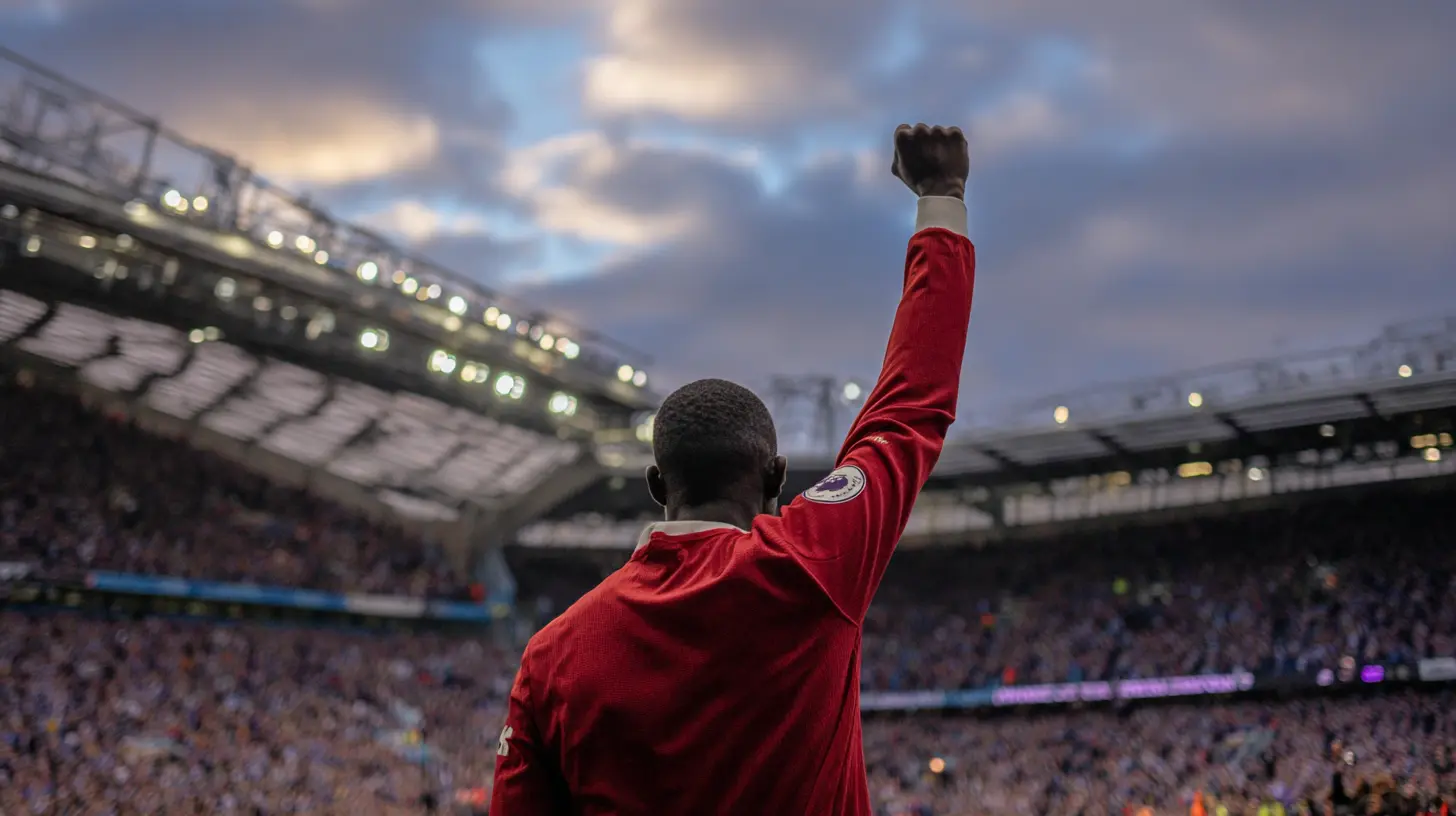
How a Tribute Campaign Actually Spreads
Understanding the mechanics helps explain why some tributes become movements and others disappear within a day. The spread follows a recognizable pattern, though the specifics vary.Stage One: The Inciting Moment
Something happens. It might be a single play, a post-match interview, or a gesture toward fans that was not required. The moment is small enough to be genuine but visible enough to be captured.Crucially, the moment usually involves a contrast. The player does something that runs against the expected behavior of a professional athlete in that situation. They stay late to sign autographs when everyone else has left. They credit a teammate when they could have taken the spotlight. They show visible emotion when the script calls for composure.
Stage Two: The First Tributes
Early tributes come from the most engaged fans. These are often text posts, short clips, or simple image edits. They are not polished. Their value is in their specificity. They reference details that only close followers would know.This stage is fragile. If the tributes feel forced or performative, the moment dies. If they feel like a genuine expression of what many people were already thinking, they gain momentum.
Stage Three: The Amplification
Once enough tributes exist, algorithms begin to notice. A cluster of posts about the same person signals relevance. The content gets pushed to broader audiences, including people who do not follow the team or even the sport.This is where the tribute becomes a story in its own right. Journalists pick it up. Opposing fans weigh in, sometimes with grudging respect. The player's name becomes associated with a feeling, not just a statistic.
Stage Four: The Response
How the player and their team respond determines whether the moment has a long tail or fades. The best responses are understated. A simple acknowledgment, a share of a fan's post, or a brief comment in a press conference tends to work better than an orchestrated campaign.Overproducing the response is the most common mistake. Fans can tell when a tribute is being commercialized. The moment they feel used, the goodwill evaporates.

What Makes a Tribute Land
Not all tributes are equal. Some resonate for years. Others are forgotten by the next news cycle. The difference comes down to a few factors.Specificity Over Grandeur
A tribute that references a particular match, a particular gesture, or a particular quote will always outperform a generic highlight reel. Specificity signals that the creator actually paid attention. It also gives the audience something to hold onto.Compare two posts. One says "What a player, what a season." The other says "The way he tracked back in the 87th minute against a team that had already beaten us twice, that is why we love him." The second is not more eloquent. It is more true. That is what matters.
Restraint
The strongest tributes resist the urge to overstate. They let the subject carry the weight. When a tribute tries too hard to convince the audience that someone is special, it often has the opposite effect.This is a lesson that applies to professional content too. The most effective sports writing about an unexpected hero tends to be calm and observational. It describes rather than declares.
Visual and Emotional Coherence
A tribute works best when its visual style matches its emotional register. A frenetic, high-energy edit suits a player known for intensity. A slow, quiet edit suits a player known for composure. When the style and the subject are mismatched, the tribute feels off even if the viewer cannot articulate why.Timing
Posting a tribute too early can feel premature. Posting too late can feel like jumping on a bandwagon. The sweet spot is usually within 24 to 72 hours of the inciting moment, when the emotion is still fresh but the initial rush has passed.The Role of the Player
An athlete who becomes an unexpected hero faces a strange situation. They did not ask for it. They may not fully understand it. And they now have to navigate it while continuing to do their job.The players who handle this best tend to share certain traits. They stay consistent. They do not change their behavior to match the attention. They remain accessible without becoming performative. They understand that the affection is real but also fragile.
There is a risk in leaning too hard into the role. A player who starts to see themselves as the fan favorite may unconsciously change how they behave. That change is usually detected quickly. Fans are remarkably sensitive to shifts in authenticity.
The healthier approach is to treat the tributes as a byproduct, not a goal. Do the work. Treat people well. Let the rest happen.
What Teams and Organizations Should Understand
For clubs, leagues, and sponsors, an unexpected hero represents both an opportunity and a hazard.The Opportunity
A genuine fan movement around a player creates engagement that no campaign can buy. It brings in casual viewers, generates organic content, and strengthens the emotional bond between the fanbase and the team. Smart organizations find ways to support the moment without controlling it.Support can take simple forms. Featuring the player in existing content. Making sure their story is told accurately. Ensuring that the player has the support they need to handle the increased attention.
The Hazard
The biggest danger is overreach. When a club tries to manufacture a tribute campaign, fans notice immediately. The same energy that made the moment special disappears. What was organic becomes corporate.There is also a risk of putting too much weight on the player. An unexpected hero is still a person with limits. If the organization treats them as a marketing asset rather than an athlete, the relationship can sour quickly.
A Balanced Approach
The best practice is to amplify rather than create. Share fan content. Acknowledge the moment. Do not try to own it. Let the player remain the center of the story, not the brand.Common Mistakes Fans Make
Fans are not immune to missteps. In fact, some of the most common mistakes come from the fan side.- Gatekeeping. Telling newer fans they are not real supporters because they arrived late. This poisons the moment and shrinks the community.
- Over-identifying. Treating the player as a personal possession rather than a person. This leads to resentment when the player makes ordinary decisions.
- Escalating expectations. Assuming the player will always perform at the level that made them a hero. This sets everyone up for disappointment.
- Turning on the player. When the inevitable dip comes, some fans turn faster than they celebrated. This is the most damaging pattern of all.
The healthiest fan response is gratitude without ownership. Enjoy the moment. Do not demand that it last forever.
The Business and Media Dimension
Media outlets and content creators play a significant role in how these stories develop. Their choices shape what the public sees and remembers.The best sports journalism about an unexpected hero does a few things well. It resists cliché. It seeks out the player's own words. It provides context without overexplaining. It treats the subject with dignity.
The worst coverage does the opposite. It reduces the player to a symbol. It invents narrative arcs that do not exist. It uses the moment to make broader points that have little to do with the person.
For creators, the practical advice is straightforward. Ask what is actually true. Find the detail that others have missed. Trust the audience to feel the emotion without being told what to feel.
A Note on Longevity
Unexpected heroes do not always stay heroes. Some fade back into the background. Others build on the moment and become enduring figures. A few become cautionary tales.What determines the outcome is rarely talent alone. It is the relationship between the player, the fans, and the environment around them. When that relationship is healthy, the moment can become a foundation. When it is not, it becomes a burden.
This is why the 2026 phenomenon is worth studying. It is not just a story about social media. It is a story about what happens when genuine human connection meets modern communication tools. The tools will change. The underlying dynamics will not.
Practical Takeaways
For athletes: stay consistent, stay humble, and do not let external attention change how you treat people.For teams: support without controlling. Amplify without manufacturing.
For fans: enjoy the moment without demanding it. Celebrate without gatekeeping.
For media: report with specificity and restraint. Let the story breathe.
For sponsors: understand that authenticity cannot be bought. If you want to be part of the moment, be useful rather than loud.
Conclusion
The unexpected hero is one of sport's most reliable sources of meaning. In 2026, fan tributes on social media gave that archetype a new form. The stories spread faster, looked better, and reached further than ever before. But the core of the phenomenon remained the same. People recognized something genuine in someone who was not trying to be recognized. They responded with affection. And for a while, that affection became the story.Understanding why this happens, and how to handle it well, matters for everyone involved. The moment is fragile. It rewards care and punishes cynicism. Handled with respect, it can become something lasting. Handled poorly, it becomes another forgotten trend. The choice belongs to the people in the middle of it.
all images in this post were generated using AI tools
Category:
Fan ReactionsAuthor:

Onyx Frye