Trail Running vs. Road Running: Which Builds Better Endurance?
13 January 2026
Let’s face it—running is hard, but we keep doing it. Why? Because there's something incredibly rewarding about putting one foot in front of the other until we forget about everything else. Whether you're passing parked cars or trees, the rhythm of your stride and the beat of your heart create a kind of magic only runners truly understand. But here's the million-dollar question: Does trail running or road running build better endurance?
Strap in, lace up those running shoes, and grab your hydration pack (or water bottle if you're a pavement pounder), because we're about to dive deep into the wild world of trail running vs. road running—and by the end, you just might be changing your route.
First, Let’s Define the Terrain
What Is Road Running?
Let’s start with the OG. Road running is what most people think of when they hear “I went for a run.” It’s straightforward—you hit the pavement, sidewalk, or track, and let your legs do their thing. It's consistent, it's smooth, and it's very goal-friendly. Want to PR in your next 5K? Road running will help you track those splits to the second.What Is Trail Running?
Trail running? That’s nature’s cardio playground. Instead of cars and traffic lights, you get dirt paths, rocks, roots, steep hills, and maybe even the occasional squirrel cheering you on. The terrain is unpredictable, the pace is slower (usually), and the benefits go beyond just cardio fitness.
Which One Builds Better Endurance?
Alright, here’s the heart of the matter. To figure out which type of running builds better endurance, we need to break "endurance" down a bit. It’s not just about being able to run far—endurance is about how long your body can sustain effort, how well it resists fatigue, and how it adapts to stress over time.Spoiler alert: There’s no one-size-fits-all answer. But let’s dig into the pros and cons of both.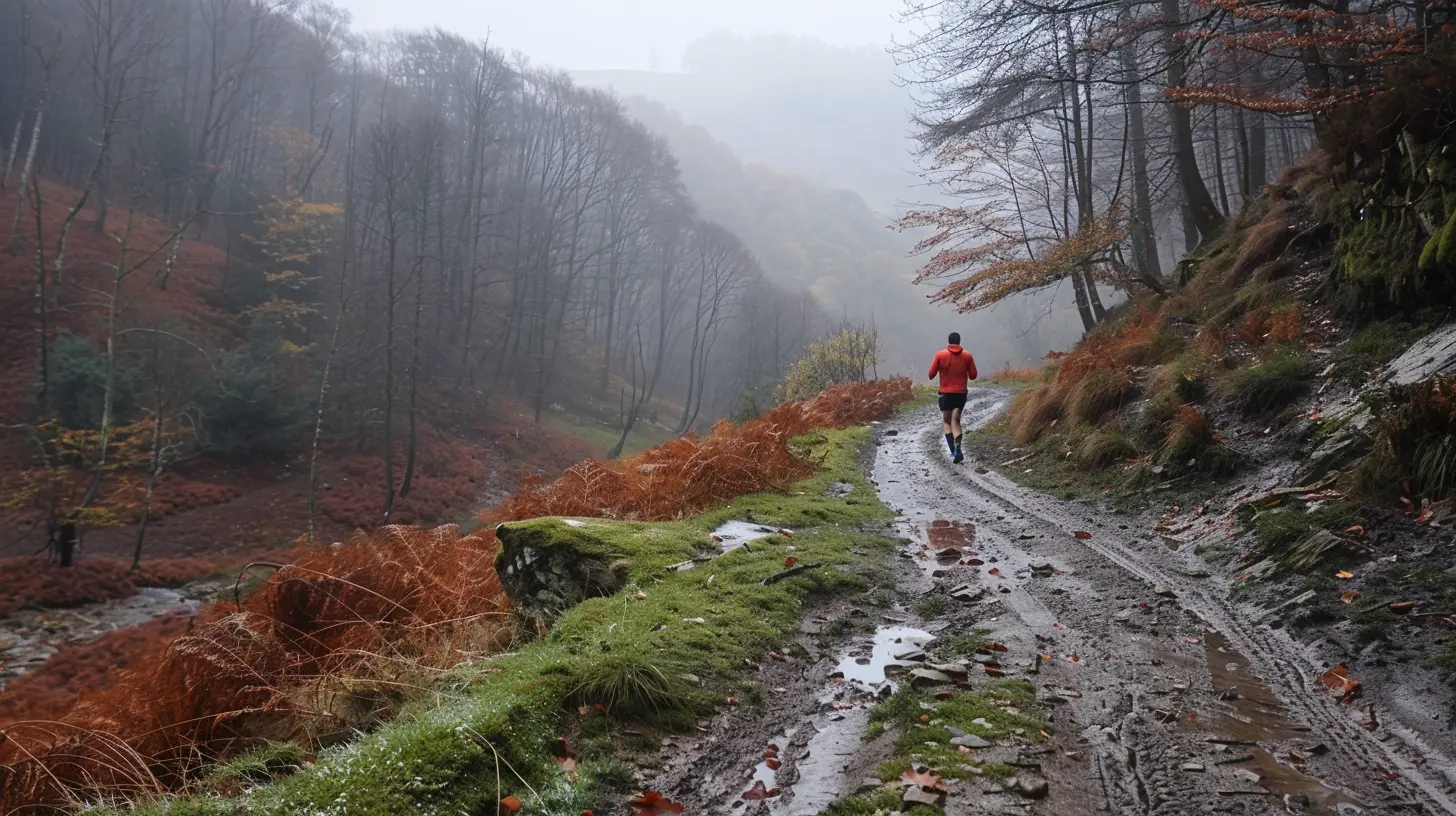
Trail Running: Endurance in the Wild
1. Unpredictable Terrain Boosts Muscular Endurance
Ever tried running uphill over loose gravel while dodging tree roots? If yes, then you already know–trail running engages muscles you didn’t even know existed.Trail runners activate stabilizing muscles like the glutes, quads, hamstrings, calves, and even the core way more than road runners. Going up and down uneven paths builds strength and muscular endurance over time. Think of it like cross-training without the gym membership.
2. It’s Slower… But That’s a Good Thing
Pace snobs, cover your eyes. Trail running forces you to slow down. But that slower pace means you can go longer without burning out early. It also teaches your body to perform under aerobic conditions, which is the golden ticket to improved endurance.3. Elevation Gains Give You Superpowers
Running up hills (and then back down) is like a natural HIIT session mixed with resistance training. The elevation changes spike your heart rate, challenge your lungs, and build endurance in a way flat routes just can’t.Did we mention the mental toughness? Conquering an uphill climb while swatting away bugs at 1,500 feet above sea level isn't just good for your legs—it's a mental win every time.
4. Low Impact = Longer Training Life
The forgiving dirt, grass, and pine-needle-covered trails are gentler on the joints than concrete or asphalt. Less pounding equals less wear and tear, meaning you’ll likely be able to train longer and more consistently over time.
Road Running: The King of Consistency
1. Controlled Environment = Better Metrics
Road running gives you consistency—and that’s not a bad thing! You can monitor your pace, distance, cadence, and heart rate with a nearly perfect level of accuracy. Want to do a tempo run, interval training, or a long slow run with exact mile splits? The road is your lab.Over time, this kind of structured training builds cardiovascular endurance efficiently. It's the kind of training that marathoners and speed demons swear by.
2. Higher Speeds Help Push Limits
Because the terrain is flat and predictable, you can push your pace further. Sustained fast runs build aerobic capacity, which is crucial for endurance. When you're cruising at 80–90% of your max heart rate, you're conditioning your body to perform under stress.It’s like upgrading your engine. You’re not just going longer—you’re going harder, faster, and with more precision.
3. Accessibility = More Frequent Runs
Roads are everywhere. There's a sidewalk outside your front door. No need to drive to a state park or gear up like you're hiking a mountain. So road running often means more runs per week, and frequency is a key player in building endurance.If time is tight or you’re just trying to keep up a routine, the road makes it easy.
The Head-to-Head Comparison
Let’s break it down side-by-side:| Feature | Trail Running | Road Running |
|--------|----------------|---------------|
| Terrain | Varied, uneven | Flat, consistent |
| Muscle Engagement | High (full-body) | Moderate (legs-focused) |
| Impact on Joints | Lower | Higher |
| Speed | Slower | Faster |
| Accessibility | Moderate (requires trails) | High (everywhere!) |
| Cardiovascular Endurance | Builds over longer periods | Builds quickly with pace work |
| Injury Risk | Ankle sprains, falls | Shin splints, knee pain |
| Mental Engagement | High (focus on terrain) | Moderate (repetitive) |
So…Which Builds Better Endurance?
Here’s the real talk: Both trail and road running build endurance—but in different ways.If you're looking for:
- Muscular endurance and core strength → trail running's your jam
- Pace control and aerobic efficiency → hit the road
- Mental resilience and slower, longer efforts → trails again
- Time-based progression and speed training → team pavement
But the best answer might just be: Why not both?
Mixing It Up: The Hybrid Approach to Endurance Glory
Let’s be honest, variety is the spice of running life. Mixing trail and road running not only prevents boredom, but gives you the best of both worlds:- Do your speed workouts (intervals, tempo runs) on the road
- Save long slow runs or recovery runs for the trails
- When you're rehabbing an injury or just need a break from pounding pavement, hit the soft terrain
- Use hills on trails as bonus strength work
Alternate like you’re making a smoothie. Toss in some hills, some sprints, a recovery jog—voilà, you've got yourself the perfect endurance cocktail.
Real Talk: What Do Runners Say?
Ask a dozen runners, and you’ll get a dozen answers:- “Trail running saved my knees and my sanity.”
- “I PR’d my half marathon thanks to focused road training.”
- “Trail running builds grit like nothing else.”
- “The road helps me stay consistent—no excuses.”
Endurance is more than a number on your Garmin. It’s your ability to go out when you don’t feel like it… to finish strong even when your legs want to quit… to show up, again and again. And that, friends, is built on both terrain and tenacity.
Final Verdict
The winner? Your legs, no matter where they’re running.If your goal is maximum endurance, trail running might tip the scales with its muscle activation, lower impact, and mental challenges. But road running's structured consistency and speed work are no slouch when it comes to building cardiovascular stamina.
So get out there. Run a trail. Cruise a block. Charge up a hill. Blow through a crosswalk at your tempo pace. Because the path to endurance doesn’t care what surface you’re on—it just needs you to keep moving.
all images in this post were generated using AI tools
Category:
Endurance SportsAuthor:

Onyx Frye
Discussion
rate this article
2 comments
Kristen Phelps
“Both are awesome! Just run and enjoy the journey!”
February 5, 2026 at 1:15 PM
Onyx Frye
Thank you! Absolutely, the joy in both forms of running lies in the journey!
Alvin McNab
Both trail and road running offer unique benefits for endurance. Trail running challenges the body with varied terrain, while road running promotes consistent pace. Ultimately, it depends on personal preference and goals.
January 18, 2026 at 3:56 AM
Onyx Frye
Thank you for your insightful comment! You're right—both trail and road running have distinct advantages, and the choice ultimately hinges on individual preferences and fitness goals.