Top Training Camps Where the Pros Sharpen Their Edge
17 November 2026
Training camps have long been a cornerstone of athletic development, serving as the critical juncture where raw talent meets expert guidance, rigorous practice, and a supportive community. These camps are not just about physical training; they are immersive experiences that hone the mental and emotional aspects of sports performance. In this article, we will delve into some of the top training camps, explore what makes them effective, and provide insights into how aspiring athletes can choose the right environment to elevate their game.
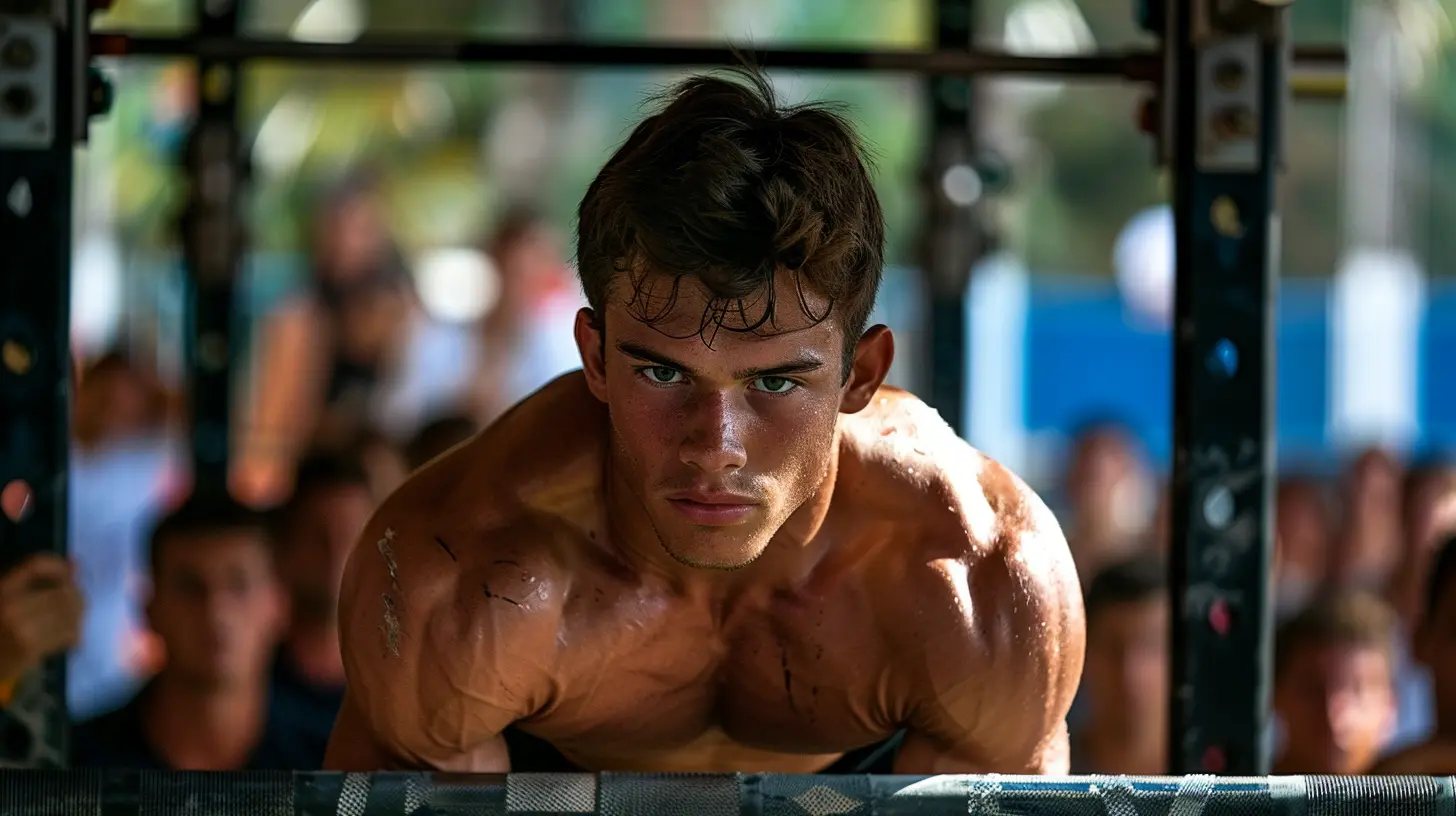
The Importance of Training Camps
Training camps play a vital role in an athlete's journey. They provide structured environments that focus on specific skills, strategies, and physical conditioning. Here are some reasons why training camps are essential:1. Focused Skill Development: Athletes can concentrate on particular skills that need improvement without the distractions of their regular routines.
2. Expert Coaching: Many camps are staffed by former professional athletes or coaches with extensive experience, providing insights that can be transformative.
3. Networking Opportunities: Training camps often attract a diverse group of athletes, allowing for valuable connections and camaraderie.
4. Mental Resilience: The intense environment can help athletes develop the psychological toughness needed to compete at higher levels.
5. Exposure to Competition: Many camps include competitive elements that simulate real-game situations, helping athletes prepare for the pressures of competition.

Types of Training Camps
Different sports require different training methodologies. Here are some categories of training camps that cater to various athletic needs:1. Skill-Specific Camps
These camps focus on honing a particular skill set. For example, basketball shooting camps concentrate on improving shooting techniques, while soccer camps may focus on dribbling and passing.Example: The PGC Basketball Camp
The PGC Basketball Camp emphasizes basketball IQ and skill development. Athletes learn not just about shooting but also about decision-making on the court. This holistic approach helps players become more well-rounded.2. Multi-Sport Camps
These camps provide a variety of training experiences, allowing athletes to develop skills across multiple sports. This can be particularly beneficial for younger athletes who have not yet specialized.Example: IMG Academy
IMG Academy in Florida is renowned for its multi-sport training programs. Athletes can participate in sports like tennis, soccer, and basketball, benefiting from world-class facilities and coaching.3. Elite Performance Camps
These camps are designed for high-level athletes looking to fine-tune their skills and prepare for professional competition. They often feature advanced training techniques and high-intensity workouts.Example: Athletes Performance
Athletes Performance, now known as EXOS, offers elite training programs focused on performance enhancement. They use cutting-edge sports science to tailor programs for individual needs, making it a favorite among professional athletes.
Choosing the Right Training Camp
Selecting the right training camp is a critical decision for any athlete. Here are some factors to consider:1. Goals and Objectives
Before enrolling, athletes should clarify their goals. Are they looking to improve specific skills, gain exposure to competition, or simply enjoy a sport? Different camps cater to different objectives.2. Coaching Staff
Research the credentials of the coaches involved. Look for camps that have experienced coaches with a track record of developing talent. A good coach can make a significant difference in an athlete's development.3. Facilities and Resources
Evaluate the facilities available at the camp. Modern equipment, access to training technology, and well-maintained fields or courts can enhance the training experience.4. Camp Culture
The environment of the camp matters. A supportive, competitive atmosphere can motivate athletes to push their limits, while a toxic environment can hinder progress. Look for reviews or testimonials from past participants.5. Cost and Duration
Training camps can vary significantly in cost and length. Consider your budget and how much time you can commit. Some camps offer week-long sessions, while others may last several months.
Common Mistakes Athletes Make
As athletes consider training camps, they often fall into certain traps. Here are some common mistakes to avoid:1. Not Doing Enough Research
Failing to research a camp can lead to disappointment. Athletes should look into camp programs, coaching styles, and past participant experiences before making a decision.2. Overlooking the Importance of Fit
What works for one athlete may not work for another. It is crucial to find a camp that aligns with an athlete's personal style and learning preferences.3. Ignoring Recovery
Training camps can be intense, and athletes sometimes neglect recovery. Recovery is just as important as training; without it, athletes risk injury and burnout.4. Setting Unrealistic Expectations
Athletes should approach training camps with a growth mindset. Progress takes time, and expecting immediate results can lead to frustration.Real-World Examples of Success
Many athletes have transformed their careers through training camps. Here are a few notable examples:1. Stephen Curry
Before becoming an NBA superstar, Stephen Curry attended various camps that focused on shooting and ball handling. His dedication to skill development at young age laid the foundation for his success in the league.2. Serena Williams
Serena Williams has credited her early training at the Rick Macci Tennis Academy for her technical skills and mental toughness. The camp provided her with the tools necessary to excel at the highest level.3. Lionel Messi
Lionel Messi's early years at FC Barcelona's La Masia academy were formative. The academy's focus on developing not just technical skills but also tactical awareness has been key to his success as one of the greatest footballers of all time.
Best Practices for Maximizing Training Camp Experience
To get the most out of a training camp, athletes should consider these best practices:1. Set Clear Goals
Before attending, define what you want to achieve. Whether it's improving a specific skill or building endurance, having clear goals will help you stay focused.2. Maintain a Positive Attitude
Training can be challenging, but maintaining a positive mindset is crucial. Embrace the process, learn from mistakes, and celebrate small victories along the way.3. Engage with Coaches and Peers
Take advantage of the expertise around you. Ask questions, seek feedback, and learn from fellow campers. Building relationships can also enhance the experience.4. Prioritize Recovery
Incorporate rest and recovery into your routine. Use techniques like stretching, hydration, and nutrition to support your body after intense training sessions.5. Reflect on Your Progress
After the camp, take time to reflect on what you learned and how you can apply it moving forward. This will help you retain the skills and insights gained during your time at the camp.Conclusion
Training camps are invaluable for athletes seeking to elevate their performance. By providing focused skill development, expert coaching, and a supportive community, these camps serve as a breeding ground for talent. Choosing the right camp involves careful consideration of goals, coaching staff, and the overall environment. By avoiding common pitfalls and following best practices, athletes can maximize their training camp experience, setting the stage for future success.Whether you are a young athlete just starting or a seasoned pro looking to refine your skills, the right training camp can be the key to unlocking your potential.
all images in this post were generated using AI tools
Category:
Professional AthletesAuthor:

Onyx Frye