Top Fan Chants That Took Over Arenas in 2026
30 September 2026
Walk into any arena in 2026 and you will notice something that has less to do with the scoreboard than with the people holding the tickets. The loudest, most unifying moments of the year were not always dunks, goals, or knockout punches. They were songs. Short, repeatable, easy to teach, and impossible to ignore once a few thousand people locked in.
Fan chants are not new. What changed in 2026 is speed, scale, and craft. A chant can be born in one section, filmed on a phone, clipped into a vertical video, and echoing in three other cities by the next weekend. Chants now travel across leagues and even across sports. A terrace song from a football ground can show up in a basketball arena, get reworked, and feel native within a month.
This article looks at the chants that genuinely took over arenas this year, why they worked, where they came from, and what teams, supporters groups, and marketers should take from them. It also covers the mechanics behind a chant that sticks, the mistakes that kill one, and the trade-offs between organic invention and manufactured hype. If you run a supporters group, work in game presentation, or just want to understand why 18,000 people suddenly start singing the same three lines, this is for you.
Why Chants Matter More in 2026 Than They Did Five Years Ago
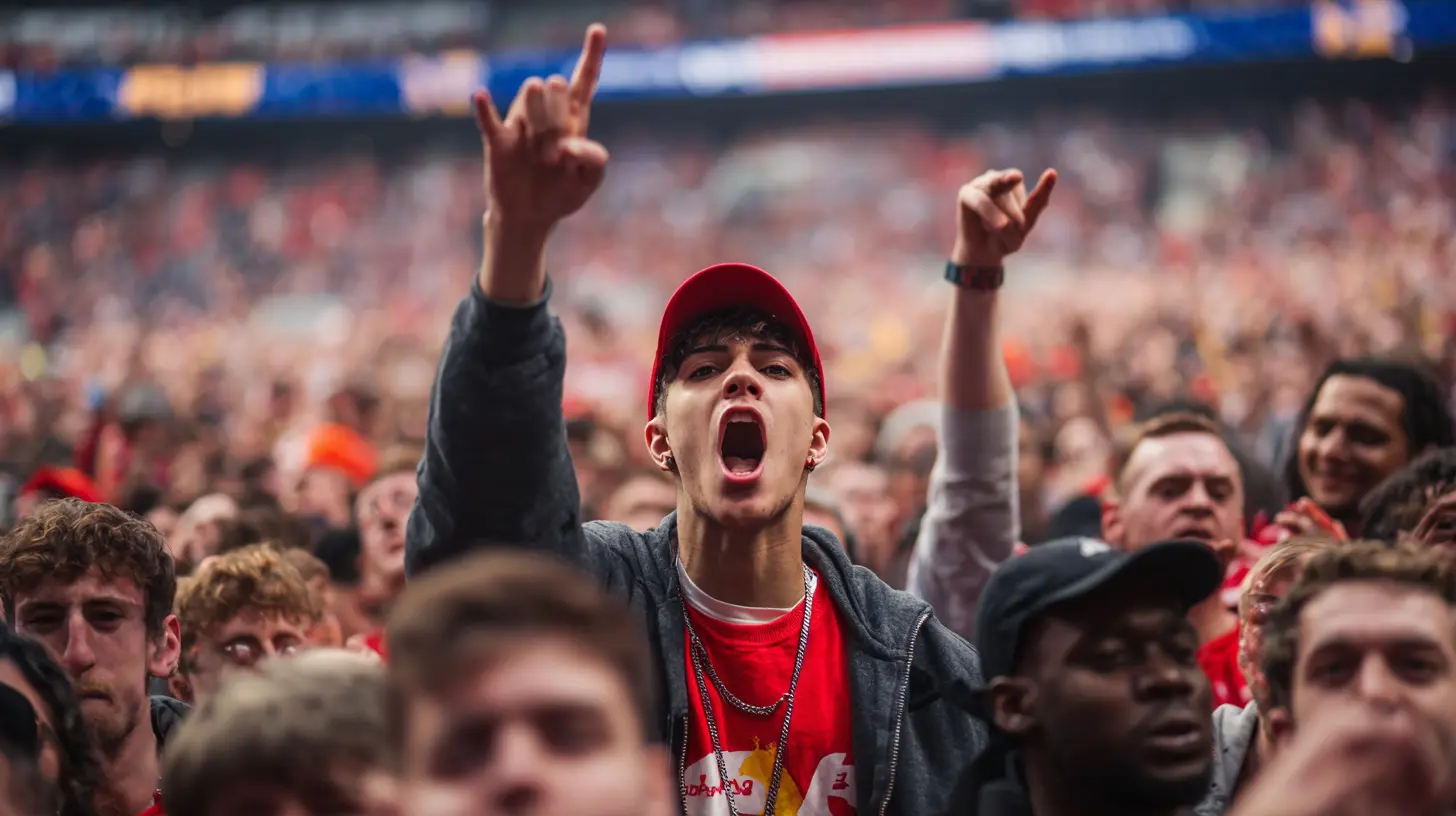
Arena sports have a growing problem: the product on the floor is competing with a phone screen in every hand. Teams have spent years trying to solve this with louder hype videos, brighter lights, and more in-game hosts. Most of it fails because it is one-directional. Fans are talked at, not with.Chants flip that. They are the one part of the arena experience that fans own outright. The team cannot control the tempo, the timing, or the wording. That loss of control is exactly why chants feel authentic, and authenticity is the scarcest currency in live sports right now.
There is also a practical reason chants spread faster. Ticket prices have pushed casual fans toward watching at home, which means the people who show up in person skew more committed. A more committed crowd adopts chants faster and sustains them longer. The result is a feedback loop: better crowds produce better chants, better chants attract better crowds.
Finally, chants solve a structural issue in modern arenas. Many new buildings are designed for comfort and sightlines, not acoustics. They absorb sound, split crowds into smaller clusters, and make spontaneous noise harder. A chant with a simple, punchy rhythm cuts through that architecture in a way that a generic "de-fense" clap never will.
What Made a Chant Stick in 2026
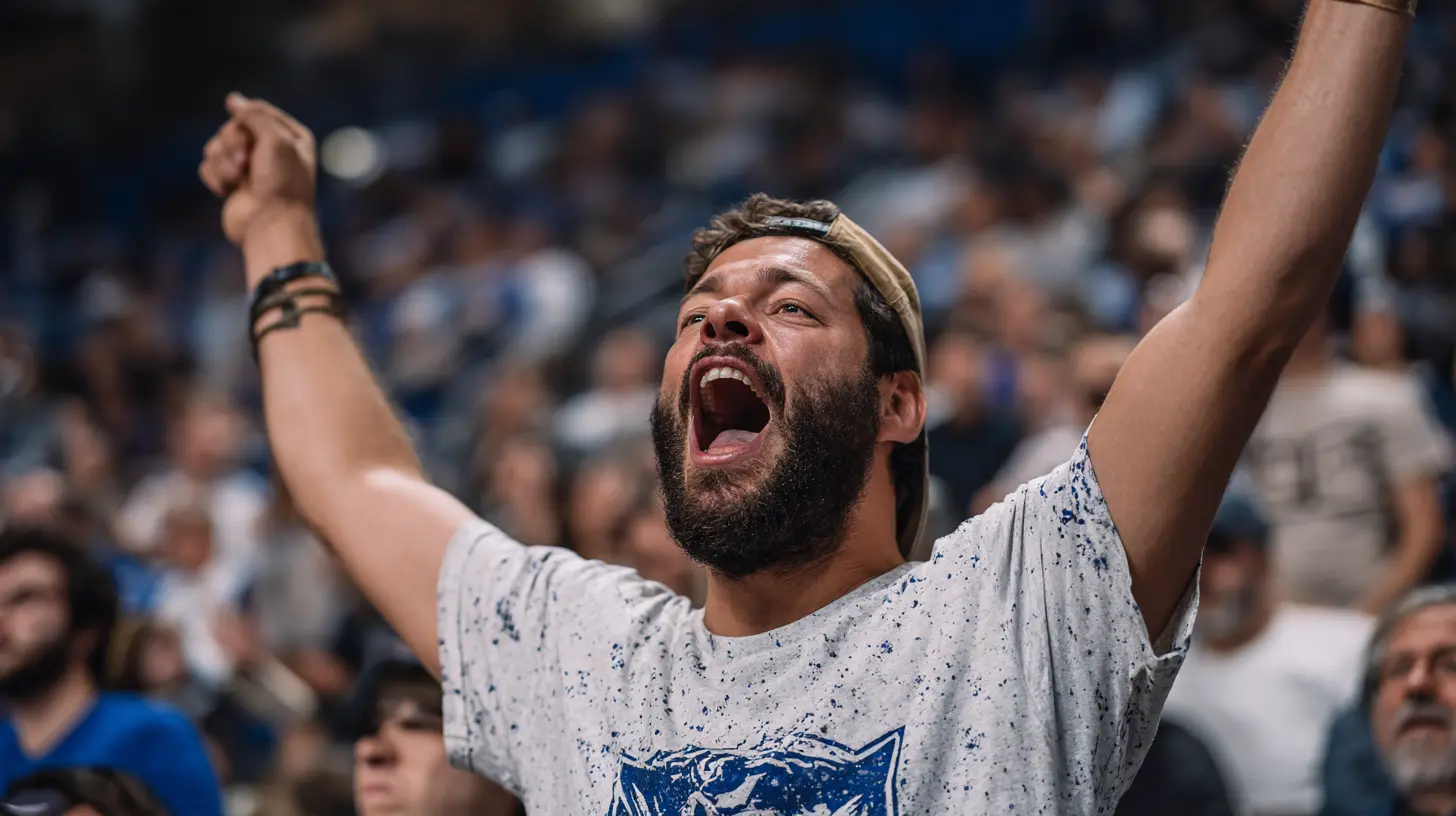
Before getting into specific chants, it helps to understand the shared traits. Almost every chant that took over an arena this year had most of these:- Two to four syllables per line, so it survives a bad acoustics setup.
- A melody or rhythm anyone can copy after hearing it twice.
- A clear trigger, meaning a moment in the game when it fires.
- Emotional flexibility, so it works when you are winning and when you are losing.
- No need for a leader once it starts.
The chants that failed usually had one of two problems. They were too long, so the crowd lost the thread by line three. Or they were too tied to one player, so the chant died the moment that player was traded, injured, or benched.
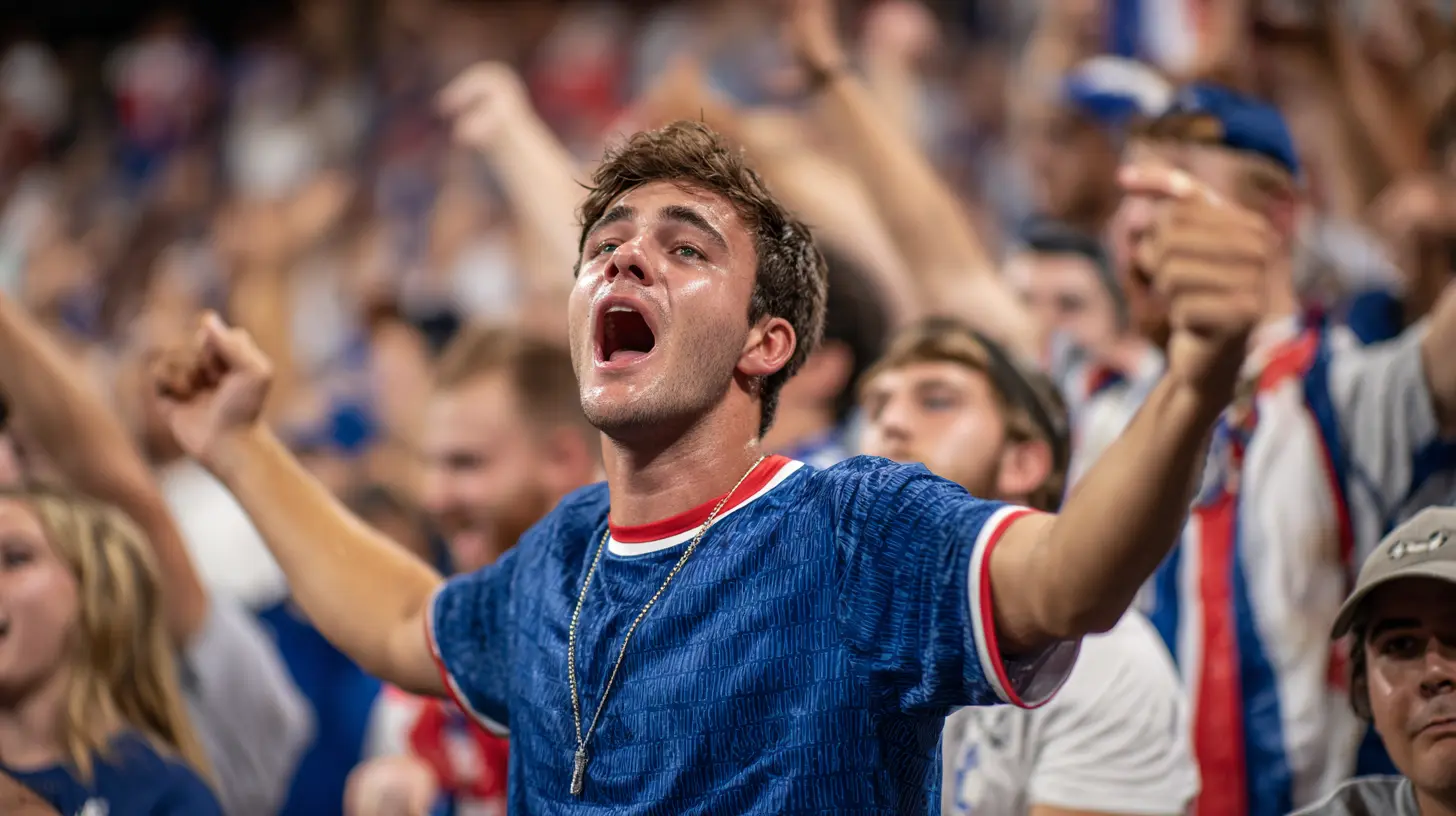
The Chants That Defined 2026
The Two-Clap Anthem
This was the breakout format of the year. The structure is simple: a short sung line, followed by two sharp claps, repeated. The claps do the heavy lifting. They give everyone, including people who do not know the words, something to do.Why it worked: the two-clap pattern is easy to sync across a large space because the claps act as a metronome. Even in arenas with dead zones, the claps travel. It also has a built-in crescendo. Each repetition gets slightly louder, which pulls in people who were not singing at the start.
When to use it: ideal for momentum swings, like right after a big defensive stop or a goal. It is less effective as a constant background chant because the claps lose impact if they never stop.
What to watch: if the crowd speeds up, the chant collapses into noise. The fix is to have a small group anchor the tempo, usually a drum line or a capo section, rather than trying to correct it from the top.
The Call-and-Response Rework
Call-and-response has existed for decades, but 2026 saw a specific twist: the response part was shortened to a single word or a two-syllable sound. That shortening made it usable in sports where the action stops constantly, like basketball and hockey.The advantage is inclusivity. You do not need to know a song. You just need to shout the response. The disadvantage is that it can feel hollow if the call side is weak. A call-and-response chant with a thin call section sounds like a scattered noise, not a movement.
Practical advice: if your supporters group wants to introduce one, test it in a smaller section first. If the response does not come back loud and immediate, the chant is not ready for the full arena.
The Slowed-Down Terrace Song
Football terraces have long used slow, melodic songs that build over a minute or more. In 2026, several arenas adapted this style by slowing the tempo even further and stripping the instrumentation down to voices only.This is a high-risk, high-reward approach. When it lands, it produces the most emotionally powerful moment in the building. When it fails, it exposes how few people actually know the words.
The key is repetition across games. A slow chant needs to be heard ten or fifteen times before a general crowd can carry it. Supporters groups that stuck with it for a full season saw it take hold. Those that tried it twice and gave up got nothing.
The Player Chant With a Twist
Player chants are the oldest trick in the book, but 2026's best versions added a twist: the chant was written so it could be repurposed. Instead of naming one player, the structure allowed the name to be swapped while the melody stayed.This matters because rosters change. A chant tied to one athlete has a shelf life of maybe two seasons. A chant with a swappable name can last a decade.
Consideration before you write one: check whether the melody is distinctive enough to survive a name change. If the rhythm only works with a three-syllable name, you have written a chant for one person, not for the club.
The Defensive Stand Chant
This one is functional rather than beautiful, and that is the point. It fires during a specific phase of play, usually a penalty kill, a goal-line stand, or the final two minutes of a close game.The best versions are almost mechanical. Short, percussive, and designed to be repeated without variation. The goal is not to be catchy. The goal is to make the opposing team feel the pressure.
Trade-off to understand: overuse kills it. If the chant fires every time the other team has the ball, it becomes background noise. Save it for genuine moments of tension.
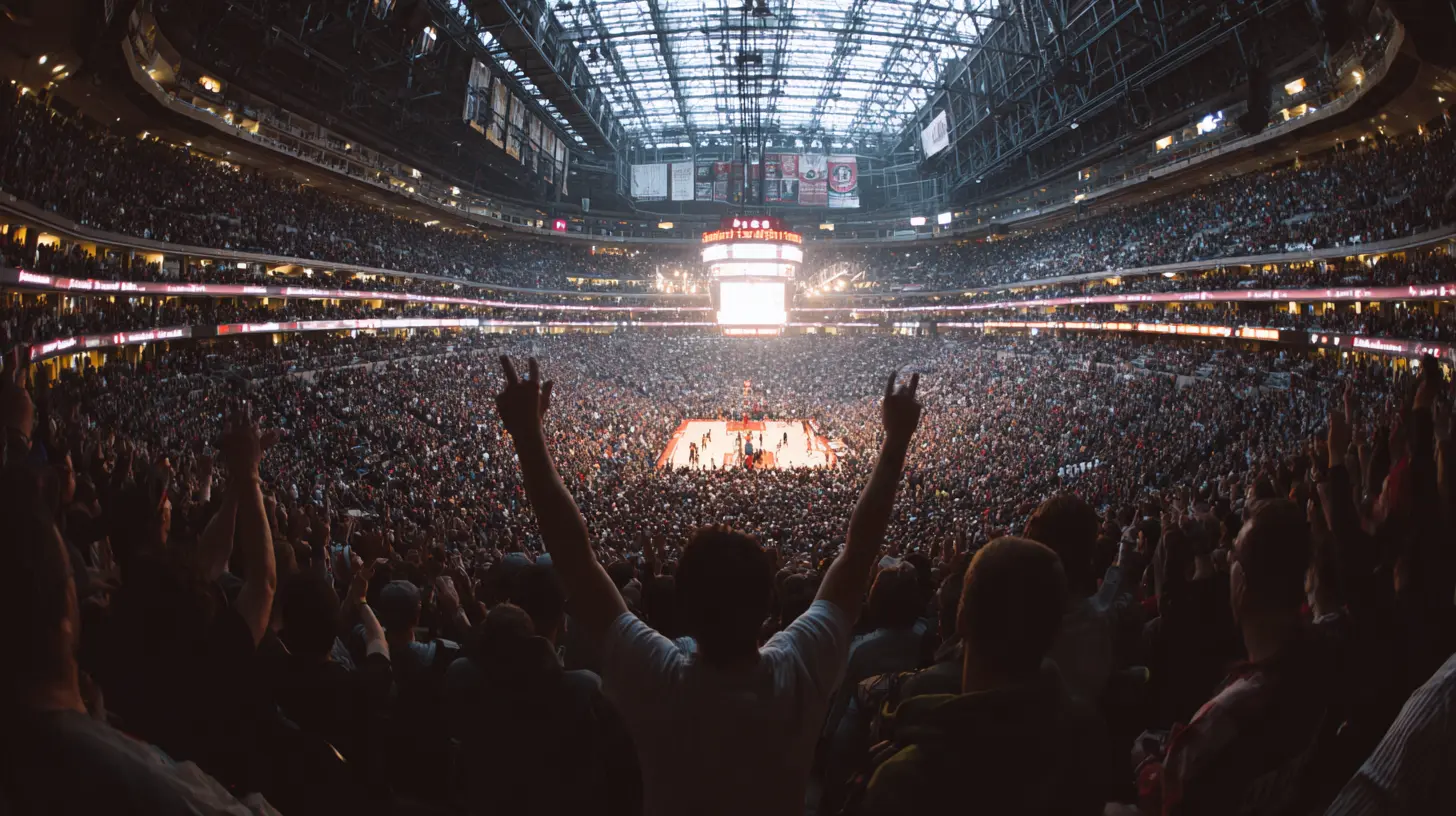
How Chants Spread Across Leagues and Sports
The 2026 chant cycle had a recognizable pattern:1. A small supporters group introduces something at a home game.
2. A fan films it from the stands and posts a short clip.
3. The clip circulates among rival fan bases, often with a joking tone.
4. Another group adapts it, usually changing the words but keeping the rhythm.
5. Within weeks, the chant appears in a different sport entirely.
This is not theft in any meaningful sense. Chant culture has always been communal, and the best chants are the ones that get borrowed. What matters is the adaptation. A chant that is copied word for word into a new context usually feels off. A chant that is reworked to fit the new team's history, colors, or inside jokes feels like it was always there.
For teams and leagues, the lesson is to stop trying to control this. The chants that spread the furthest in 2026 were the ones nobody tried to own.
The Role of Supporters Groups and Capos
Every chant that took over an arena this year had a backbone: a small group of people who started it, held the tempo, and kept it going when the rest of the crowd faded.Capos, drummers, and supporters group leaders are often undervalued by teams. They are treated as atmosphere, not infrastructure. That is a mistake. A good capo section can make a mediocre crowd sound great. A bad one, or none at all, can leave a great crowd silent.
Best practices for supporters groups:
- Assign a tempo keeper. One person or a small group whose only job is to hold the rhythm steady.
- Teach before you perform. Run chant sessions before gates open, not during the game.
- Keep a rotation. If you use the same three chants all game, the crowd tunes out.
- Coordinate with game presentation, but do not surrender control. Teams can help by not blasting music over the crowd during natural chant moments.
Common Mistakes That Kill a Chant
Even good chants die for predictable reasons. Here are the ones that showed up repeatedly in 2026.Overproduction
When a team tries to turn a chant into a produced segment with a backing track, lights, and a hype video, it usually flops. The crowd stops feeling like the chant belongs to them. It becomes content.No Teaching Window
A chant that has never been heard before will not take off in a full arena. It needs a smaller, controlled introduction first. Skipping that step wastes good material.Fighting the Natural Tempo
Crowds speed up. This is a fact of large-group singing. Chants that are written with a built-in tempo anchor, like claps or a drum, survive it. Chants that rely purely on melody do not.Ignoring Acoustics
A chant that sounds great in a 5,000-seat stadium may disappear in a 20,000-seat arena with a soft roof. Test the chant in the actual space before committing to it.Chasing Virality Over Substance
A chant designed to go viral on video often does not work in the room. The camera picks up different frequencies than the human ear, and a chant optimized for a phone mic can sound thin live. Write for the people in the building first. If it is good, the video will follow.What Teams and Marketers Should Take From 2026
Front offices have a complicated relationship with chants. They want the atmosphere, but they also want control. The teams that handled this best in 2026 shared a few habits.First, they gave supporters groups real space, both physically and organizationally. A dedicated section with room for drums and flags produces a better chant engine than a scattered crowd.
Second, they stopped competing with the crowd. Music directors learned to cut the PA when a chant started, rather than drowning it out. That single decision changed the feel of several arenas.
Third, they treated chants as long-term assets. A chant is not a one-game promotion. It is a piece of club culture that compounds over years. The teams that invested in teaching and repetition got chants that will outlast the current roster.
For marketers, the takeaway is subtler. Chants are a rare form of fan-generated content that cannot be bought. The best move is to amplify, not originate. When a chant takes off, capture it, share it, and give credit to the people who started it. Anything else reads as fake.
How to Build a Chant That Lasts
If you are starting from scratch, here is a practical framework.Start with rhythm, not words. Hum the chant first. If it does not work as a hum, it will not work as a chant.
Keep it under thirty seconds. Anything longer needs a leader to sustain it, which makes it fragile.
Write for the worst seat in the house. If someone in the upper deck cannot follow it, simplify.
Test with ten people, then a hundred, then a section. Do not jump straight to the full arena.
Plan for the losing version. A chant that only works when you are winning is a fair-weather chant. The best ones carry weight in a blowout loss.
Give it a home. Tie the chant to a specific moment, player, or tradition. Chants with a clear trigger survive longer than chants that fire randomly.
Misconceptions About Fan Chants
A few myths are worth clearing up.One is that chants are purely spontaneous. They are not. The spontaneous ones fade. The lasting ones are built, taught, and maintained by people doing unglamorous work.
Another is that louder is always better. Volume without rhythm is just noise. A tight, controlled chant from 2,000 people can beat a chaotic roar from 15,000.
A third is that chants belong to a specific sport. They do not. The best chants in 2026 moved between football, basketball, hockey, and even baseball. The format travels. The meaning is local.
What to Expect Going Forward
Chant culture is likely to keep accelerating. Short-form video makes transmission faster, and the tools for making a chant, from a simple drum loop to a phone recording, are available to anyone. The chants that will matter in 2027 and beyond will probably not be the ones with the biggest launch. They will be the ones that a stubborn group of fans kept singing when nobody was filming.That is the real lesson of 2026. The chants that took over arenas did not do it because they were clever, or produced, or promoted. They did it because they were easy to join, hard to forget, and owned by the people singing them. Everything else is just noise.
all images in this post were generated using AI tools
Category:
Fan ReactionsAuthor:
Onyx Frye