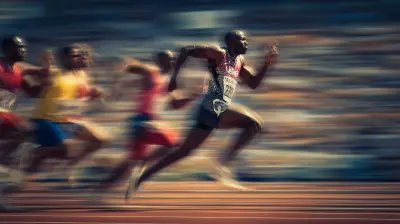
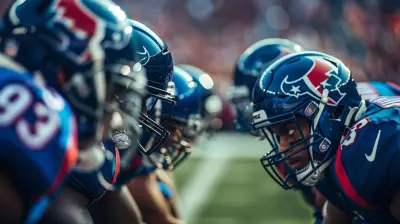
The Ultimate Guide to the Major Sporting Events of 2027
10 September 2026
The year 2027 is shaping up to be one of the most crowded and consequential years on the global sports calendar in recent memory. It sits at a unique intersection: the midpoint between the 2024 Paris and 2028 Los Angeles Summer Olympics, the year before the 2028 Winter Games, and a time when several major world championships and continental tournaments collide. For fans, this means a relentless stream of high-level competition. For athletes, it means brutal scheduling decisions. For brands and planners, it means a logistical puzzle.
This guide is not just a list of dates. It is a strategic look at what matters, why it matters, and how to navigate the year without burning out. Whether you are a die-hard follower of a single sport or a generalist looking to pick your spots, understanding the structure of 2027 will make the experience far more rewarding.

The Big Picture: Why 2027 Is a Pivotal Year
To understand 2027, you have to look at the rhythm of the Olympic quadrennial. The year after a Summer Games is usually a quiet reset. The year before the next Summer Games is typically dominated by qualification events. But 2027 is the third year of the cycle, which is the sweet spot. Athletes are past the post-Olympic letdown, they have rebuilt their bodies and training plans, and they are now peaking for the world championships that serve as the primary qualifiers for Los Angeles 2028.This is different from a World Cup year or an Olympic year. In those years, the stakes are so high that federations often prioritize results over entertainment. In 2027, you get a rare blend: genuine competition for medals alongside experimental tactics and younger rosters being tested. Teams know they need to qualify for 2028, but they also know they have one more year to fix mistakes. That leads to bolder coaching decisions and more unpredictable outcomes.
Another major factor is the ongoing consolidation of the sporting calendar. The rise of franchise leagues in cricket, the expansion of the FIFA Club World Cup, and the increasing length of domestic seasons in football and basketball have created congestion. In 2027, you will see more athlete workload management than ever before. Expect to hear the phrase "peaking for the World Championships" used as justification for skipping lesser events. This is not an excuse; it is a rational response to a calendar that demands too much.
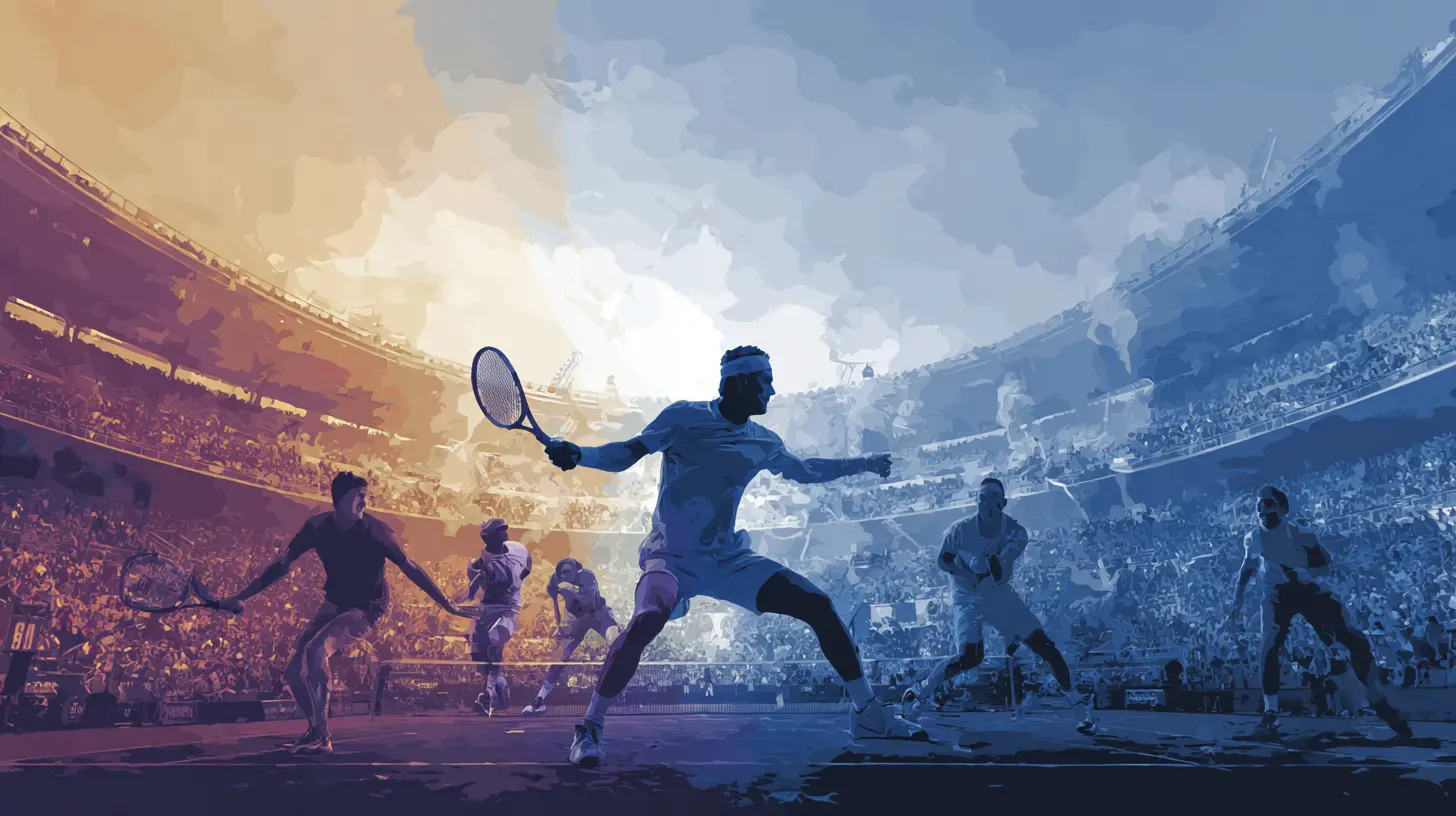
The Undisputed Heavyweight: The FIFA Women's World Cup
The single most significant event of 2027 is the FIFA Women's World Cup, hosted by Brazil. This is not hyperbole. The 2023 tournament in Australia and New Zealand shattered attendance and broadcast records, and the 2027 edition is expected to push the sport further into the mainstream. Brazil provides a unique backdrop. The country has a deep football culture, but the women's game has historically been underfunded and underappreciated there. Hosting the World Cup forces a reckoning with that dynamic, and the local passion for football will create an atmosphere unlike anything seen in the previous two tournaments.The timing is also important. The tournament is scheduled for the summer, which in Brazil means June and July. This is the standard international window, but it creates a major clash with the tail end of the European club season and the start of preseason camps. Players will arrive with varying levels of fatigue. The European champions, whoever they are by then, will have a target on their backs. The United States, after a disappointing 2023 that saw their earliest exit ever, will be in the middle of a major generational transition. Spain, the reigning world champions, will face the challenge of defending a title while managing internal federation politics that have plagued them for years.
The tactical trend to watch is the continued professionalization of pressing systems. The gap between the top eight nations and the rest is closing, but the top teams are now using data analytics to design pressing traps that were once only seen in the men's game. Expect to see more inverted full-backs and false nines, but also expect a physicality that was absent even five years ago. The tournament will be won by the team with the deepest squad, not just the best starting eleven, because the heat and travel demands in Brazil will be severe.

The Other Football: The AFC Asian Cup and the Men's Picture
While the women's game grabs the summer headlines, the men's football calendar in 2027 is dominated by the AFC Asian Cup, which will be held in Saudi Arabia in January. This is a massive event for the Asian Football Confederation, and it carries geopolitical weight. Saudi Arabia has invested heavily in football, from signing global stars to hosting major events. The Asian Cup is their chance to prove they can host a top-tier national team tournament on short notice after the 2023 edition in Qatar was moved from China due to the pandemic.The timing in January is brutal for European-based players. The tournament runs smack in the middle of the Premier League, La Liga, and Bundesliga seasons. Clubs are not obligated to release players for a continental championship that is not on the FIFA calendar for that window, but in practice, most will, because the political and commercial pressure is too strong. This creates a competitive imbalance. Teams like Japan and South Korea, who have deep pools of Europe-based talent, will suffer. Teams like Australia and Saudi Arabia, who have more domestic-based players, may benefit from better cohesion.
The men's game in 2027 is also defined by the expanded FIFA Club World Cup, which will have its second edition under the new 32-team format. The first edition in 2025 was a commercial and logistical experiment. By 2027, the format will be more established, but the complaints about fixture congestion will be louder. The Club World Cup is a direct competitor to the UEFA Champions League for prestige, and the battle for player availability is the central story. Do not be surprised if you see top clubs resting key players for the Club World Cup at the expense of domestic league matches in the spring.
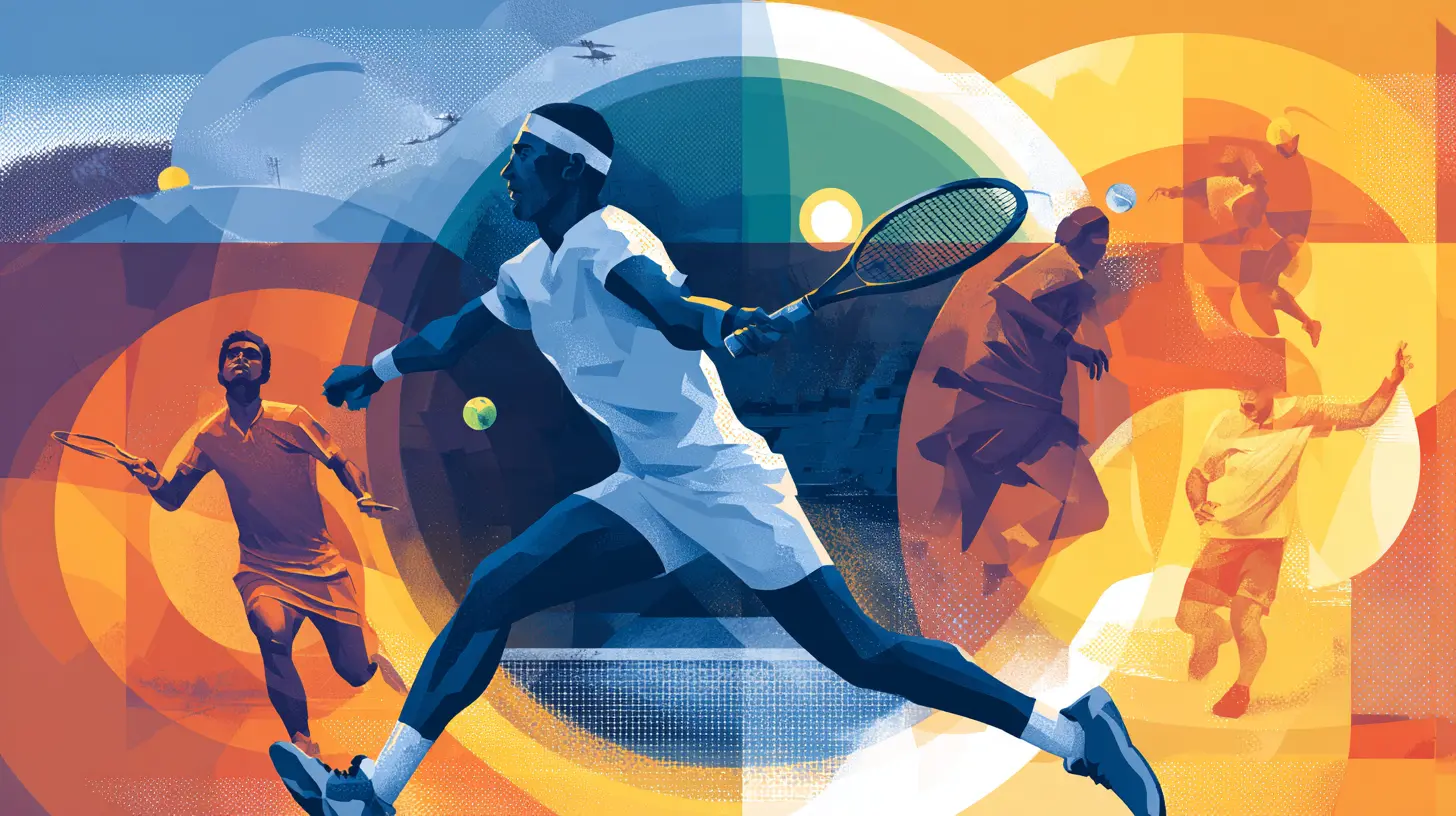
The Summer of Athletics: World Championships in Beijing
The World Athletics Championships will return to Beijing in August 2027. This is a homecoming of sorts, as Beijing hosted the 2015 World Championships and the 2008 and 2022 Olympics. The stadium is proven, the infrastructure is world-class, and the time zone is favorable for Asian and Australian broadcasters, though it is a late-night or early-morning slog for American viewers.The 2027 edition is critical for the sport because it is the primary qualification pathway for the 2028 Olympics. Athletes who finish in the top three in Beijing will not automatically qualify for Los Angeles, but they will secure the "automatic entry standard" that makes the qualification process far less stressful. This leads to aggressive racing. In track events, you will see faster times in the heats because athletes need to hit the standard, not just advance. In field events, the qualifying marks are set high enough that a single poor performance can end a season.
The key rivalry to watch is in the sprints. The men's 100 meters is in a state of flux after the retirement of the dominant figures of the 2010s. The current generation is fast but inconsistent. The women's events are more stable, with a clear hierarchy at the top. The middle-distance and distance events are where the sport is most exciting. The 1500 meters and 5000 meters have become tactical chess matches, with runners using kick finishes that were once considered reckless. The marathon, which will be held on the final day, is always a lottery, but the course in Beijing is flat and fast, which should produce a world record attempt if the weather cooperates.
The Pool and the Court: Swimming and Gymnastics World Championships
The World Aquatics Championships in 2027 will be held in Budapest, a city that has become a reliable host for major aquatic events. The swimming portion of the meet is the main draw. The 2027 edition is interesting because it is exactly one year before the Olympics, which means it is the last major international meet before the 2028 selection trials. Swimmers will be using Budapest to test their peak-season training. Expect to see a lot of world-leading times that will not hold up in Los Angeles, because the swimmers are not fully tapered. The real value of Budapest is in the relay events, where national teams will experiment with their lineups.Gymnastics, on the other hand, will have its World Championships in Rotterdam. The sport is in a fascinating period. The scoring system, which was overhauled after the Tokyo Olympics to emphasize execution over difficulty, has made the sport more accessible to casual viewers. The trade-off is that the margin for error is now razor-thin. A single step on a landing can be the difference between gold and fifth place. The 2027 Worlds will be the first major test of whether the new code of points has actually reduced the injury rate, which was a stated goal of the reforms. The women's all-around competition is expected to be a three-way battle between the United States, Brazil, and a resurgent Chinese team.
The Net and the Hardwood: Basketball and Volleyball
The FIBA Basketball World Cup is scheduled for 2027, and it will be held in Qatar. This is a significant moment for the sport. Qatar has never hosted a major basketball event of this scale, and the decision to award them the tournament was controversial. The primary concern is the heat, but the tournament is scheduled for late August and early September, which is still extremely hot in Doha. The games will be played in air-conditioned arenas, but the travel and training schedules will be challenging for teams not used to the climate.The bigger issue is the NBA's involvement. The FIBA World Cup is the top international basketball event, but it is not the Olympics. Many NBA stars skip the World Cup to rest for the following season. In 2027, this will be a major storyline. The United States will send a team, but it may lack the top-tier superstars. The European teams, particularly France, Spain, and Slovenia, have closed the gap significantly. The 2027 World Cup is the last chance for teams to secure Olympic qualification points, so the intensity will be high even if the star power is diluted.
Volleyball will have its World Championships for both men and women in 2027, with the men's event in Indonesia and the women's event in Thailand. Volleyball is a sport that does not get enough attention in North America, but it is massive in Asia and Europe. The 2027 World Championships are notable because they are the first to use the new 32-team format, which expands the tournament and creates more matches but also dilutes the early rounds. The top teams, like Poland and Italy on the men's side and Serbia and Brazil on the women's side, will not be challenged until the quarterfinals. The real value of these tournaments is in the ranking points, which determine seeding for the Olympics.
The Ice and the Snow: The Winter Sports Season
While 2027 is not a Winter Olympic year, it is the season before the 2028 Winter Games in the French Alps. This means the World Championships in skiing, snowboarding, and figure skating will carry extra weight. The FIS Alpine World Ski Championships will be held in Crans-Montana, Switzerland. This is a classic venue with a challenging downhill course. The 2027 Worlds are a chance for the younger racers, who have been pushing the veterans for two seasons, to establish themselves as Olympic favorites.Figure skating's World Championships will be in Prague. The sport is at a crossroads. The judging system rewards technical difficulty, but the top skaters are pushing the limits of what is physically possible. The quad jumps have become the standard for men, and the women are starting to attempt them consistently. This has led to a higher injury rate and shorter careers. The 2027 Worlds will be a test of whether the sport can balance athleticism with artistry, which has been the central debate for a decade.
How to Watch and Plan Your Year
The biggest mistake a sports fan can make in 2027 is trying to watch everything. The calendar is too dense. The key is to pick your battles based on time zone and sleep requirements. The Women's World Cup in Brazil is the most fan-friendly event for American viewers because the time difference is minimal. The World Athletics Championships in Beijing will require early mornings or late nights depending on your location. The Basketball World Cup in Qatar will be a daytime event for European viewers but a morning event for Americans.Another practical consideration is streaming rights. By 2027, the fragmentation of sports broadcasting will be complete. No single provider will have all the events. You will need at least two subscriptions to cover the major tournaments. Do not assume that the event you want to watch will be on the network that carried it in previous years. The rights market is volatile, and major events are often sold to the highest bidder, which may be a niche streaming service you have never heard of.
For the athlete or coach reading this, the advice is different. The 2027 calendar is a trap for overtraining. The temptation to compete in multiple world championships in the same year is strong, but the physical toll is not worth it. The athletes who succeed in 2027 will be those who treat it as a preparation year, not a peak year. They will skip the minor events, focus on the world championship in their primary sport, and use the rest of the year for base training and recovery. The ones who try to compete in the World Championships, the continental championships, and the World Cup finals in the same season will be burnt out by the time the Olympics roll around.
Common Misconceptions About 2027 Events
One of the most persistent misconceptions is that the World Athletics Championships in Beijing will be a "smaller" event because it is not the Olympics. This is false. The world championships in athletics are the highest level of competition in the sport outside the Olympics, and in many events, they are actually more competitive because the qualification standards are stricter. The Olympic field is capped by continental quotas, which means that weaker athletes from underrepresented regions get in. The world championships field is purely based on merit, so you see the best athletes in every heat.Another misconception is that the Women's World Cup in Brazil will be a "niche" event. It will not be. The 2023 tournament proved that the women's game can draw massive audiences and generate significant revenue. The 2027 edition will be the first to be held in a country with a truly fanatical football culture, and the atmosphere in the stadiums will be unlike anything seen in the sport. Do not underestimate the commercial power of this event.
A third misconception is that the FIBA World Cup in Qatar will be a "low-stakes" event because the NBA stars will not be there. This is wrong. For the international players, the World Cup is the pinnacle of their careers. A player like Luka Doncic or Giannis Antetokounmpo, who may skip the event for rest, is the exception, not the rule. The players who do show up will be playing with maximum intensity because they are representing their countries, not their clubs. The quality of the basketball will be high, even if the celebrity wattage is lower.
The Trade-Offs of Hosting in 2027
The choice of hosts for the 2027 events reflects a broader trend in global sports: the willingness to take major events to non-traditional markets. Brazil for the Women's World Cup, Qatar for the Basketball World Cup, and Saudi Arabia for the Asian Cup are all examples of this. The advantage is that these events expose the sport to new audiences and generate revenue that would not be possible in traditional markets. The disadvantage is that the infrastructure and climate are not always ideal, and the local fan culture may not be as developed.For the fans, this means a more diverse travel experience. Going to a World Cup in Brazil is a completely different experience than going to one in Europe or North America. The food, the music, and the atmosphere are all unique. But it also means higher travel costs and more logistical challenges. If you are planning to attend any of these events, book your accommodation early and be prepared for long distances between venues. The 2027 calendar is not for the casual traveler. It is for the dedicated fan who is willing to put in the work to see the best in the world compete at the highest level.
Final Recommendations
The single best piece of advice for 2027 is to focus on the Women's World Cup. It is the most important event of the year, it will be the most entertaining, and it will have the most lasting impact on the sport. If you only watch one event all year, make it that one. For the rest of the year, pick one or two other sports and follow them closely. Do not try to be a generalist. The depth of coverage and the quality of analysis will be far better if you specialize.For those interested in the business side of sports, the 2027 calendar is a case study in the tension between commercial expansion and athlete welfare. The decisions made by the governing bodies this year will set the template for the next decade. Watch how the federations handle the fixture congestion. Watch how the players react. The outcomes will shape the future of the industry.
And remember, the events of 2027 are not just about the winners. They are about the stories. The comeback of a veteran who was written off. The breakthrough of a teenager who was not on anyone's radar a year ago. The tactical innovation that changes the way the sport is played. Those are the moments that make the year memorable. Go find them.
all images in this post were generated using AI tools
Category:
Upcoming TournamentsAuthor:

Onyx Frye
Discussion
rate this article
2 comments
Capri McAdoo
Exciting times ahead with the major sporting events in 2027! Each competition is a chance for athletes to shine and for fans to come together. Can't wait to see the action unfold!
September 24, 2026 at 12:41 PM
Velma McCarron
This guide is a must-read for sports fans! I can't wait for the excitement of the World Cup and the Olympics. With so many thrilling events lined up, 2027 is going to be an amazing year for sports.
September 10, 2026 at 12:38 PM
Onyx Frye
Thanks for your enthusiasm! 2027 is shaping up to be an incredible year for sports. Get ready for the excitement!