The Ultimate Guide to the 2026 Tour de France Route
4 September 2026
The 2026 Tour de France promises to be one of the most geographically ambitious editions in recent memory. While the full route book is subject to final confirmation by ASO (Amaury Sport Organisation), the broad strokes have been established through official announcements and credible leaks from regional authorities. This guide breaks down what we know, what to expect, and how to watch or ride the key segments intelligently. We will not speculate on stage winners here; instead, we focus on the terrain, the tactical implications, and the practical realities of a race that starts in Spain and finishes, as always, in Paris.
A Race Starting in Barcelona: The Grand Depart Context
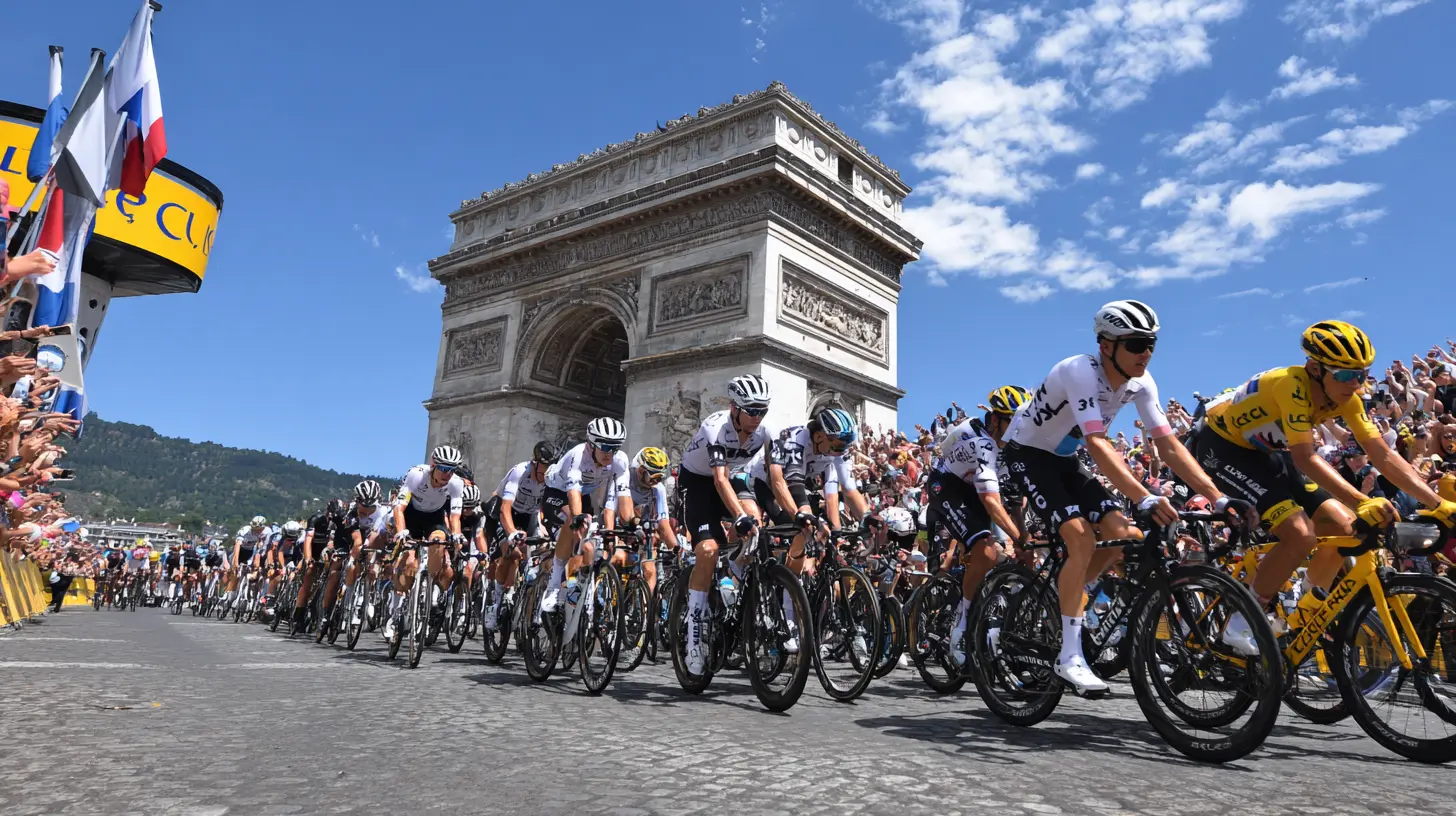
The 2026 edition will start in Barcelona, Catalonia, marking the first Spanish Grand Depart since 1992 (San Sebastian) and only the fourth time the race has started outside France in the past decade. This is not a cosmetic choice. The opening days in Spain will feature roads that are narrow, technical, and often exposed to coastal winds. Teams that underestimate the first three days will lose the Tour before the Alps or Pyrenees even appear on the horizon.The prologue or opening stage is expected to be a short, punchy circuit around Barcelona's Montjuic hill. That climb, used in the 2009 World Championships, is only about 1.5 kilometers at a 5 percent average gradient, but it is cobbled in sections and features a sharp descent. Riders who can accelerate out of corners and hold a low, aero position will gain seconds. General classification (GC) contenders will not lose the Tour here, but they can lose time if they are caught behind a crash or misjudge a corner. The key takeaway: do not expect a traditional flat sprint stage on day one. Expect chaos, narrow roads, and a punchy finale.
The Spanish Opening Weekend: Wind, Hills, and Positioning
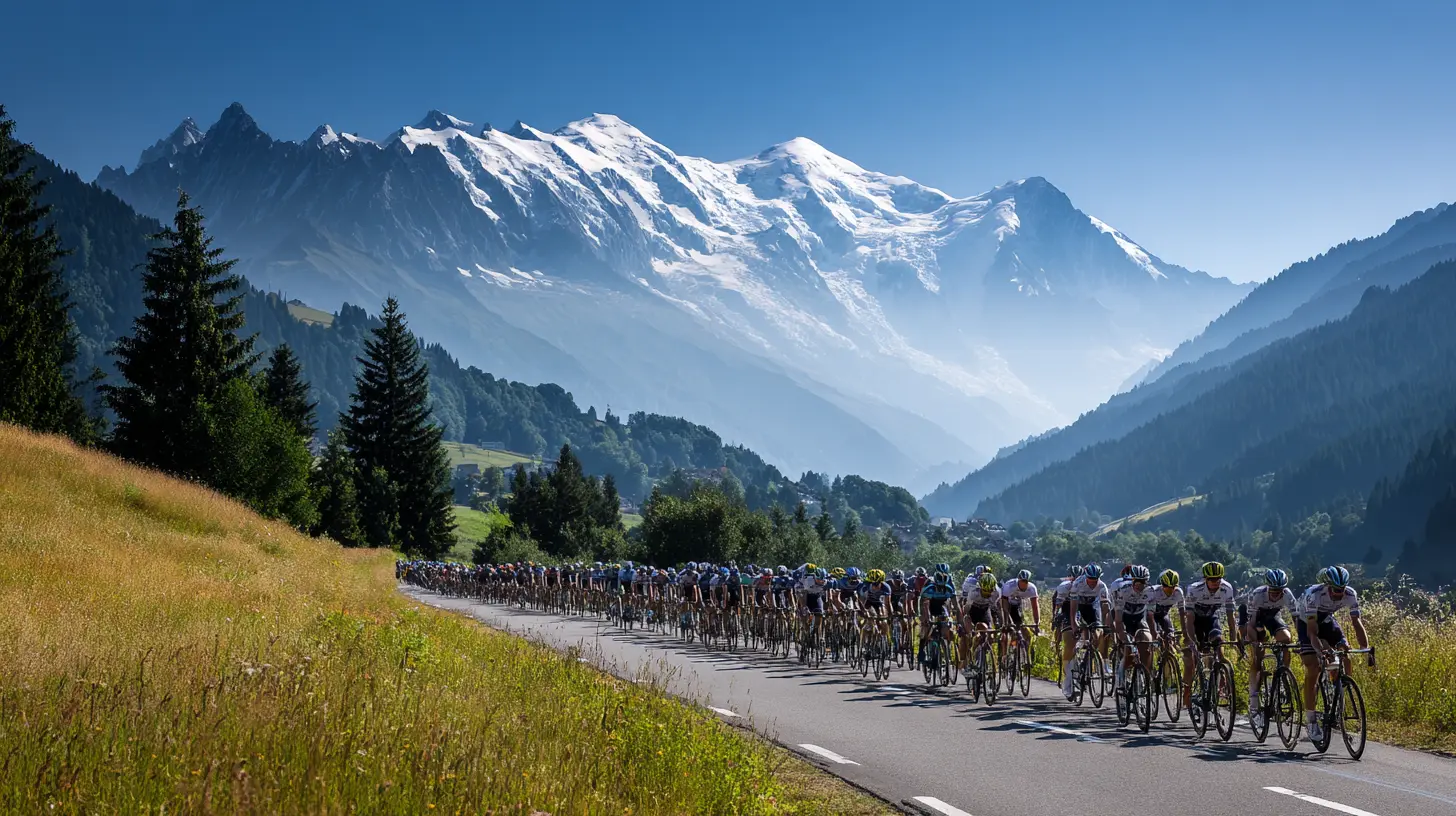
After Barcelona, the route is expected to head north along the Costa Brava and into the foothills of the Pyrenees' eastern edge. The second and third stages will likely be rolling, with short climbs that do not suit pure sprinters but also do not suit pure climbers. This is classic puncheur territory.The biggest threat in this region is the tramontana wind, which funnels down from the Pyrenees toward the Mediterranean. Crosswinds can split the peloton into echelons within minutes. Teams with strong collective time trialing ability, like UAE Team Emirates or Visma-Lease a Bike, will look to position their leaders at the front from kilometer zero. For the viewer, these stages are often more decisive than a mountain stage because the time gaps are not recoverable on a climb. For the amateur cyclist planning a sportive in this area, the advice is simple: never ride alone in this region, and check wind forecasts before heading out.
The Transfer into France: The Massif Central Question
The race will cross the border into France via the eastern Pyrenees, but the 2026 route is rumored to avoid the high passes of Andorra and instead traverse the Aude and Ariege departments. This is a deliberate choice. By avoiding the hardest climbs in the first week, the organizers allow the sprinters to have their days while keeping the GC battle simmering.However, do not mistake this for an easy week. The Massif Central, which the race may touch in the second week, is a collection of short, steep, relentless climbs that rarely exceed 10 kilometers but frequently hit 12 to 15 percent gradients. The classic mistake is to compare the Massif Central to the Alps. It is not comparable. The climbs are shorter but steeper, with no rhythm. Riders who are used to a steady 6 percent gradient will suffer here. Teams will need to keep their GC leaders near the front on every descent, as the roads are often narrow and lined with stone walls.
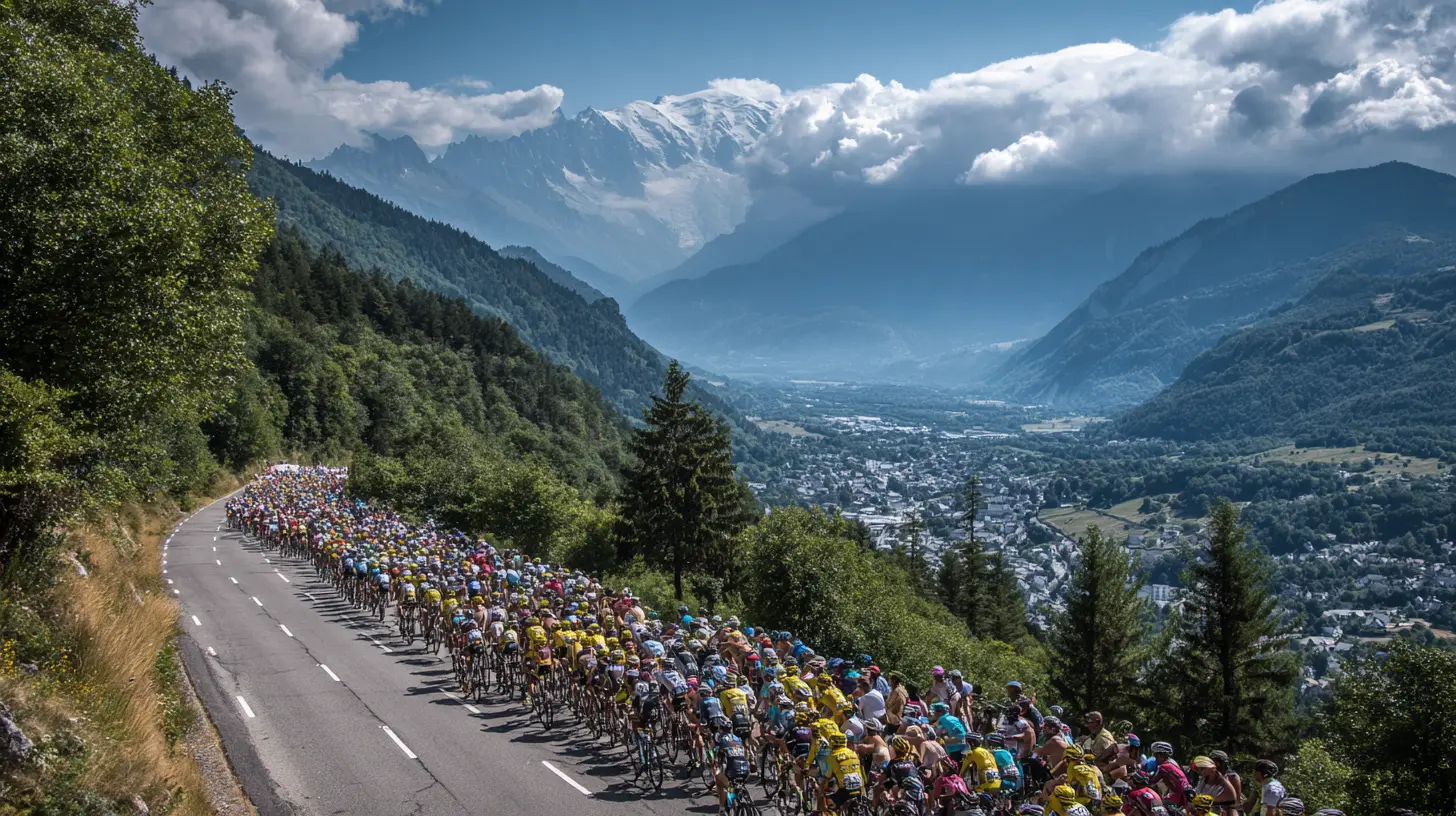
The Middle Week: A Time Trial and the First Summit Finish
The 2026 route is confirmed to include an individual time trial in the second week, likely around the city of Nimes or Albi. This is a flat or rolling course, not a mountain time trial. This is a critical piece of information for team strategy. A flat time trial favors the pure rouleurs and puncheurs who can hold a deep aero position. It does not favor pure climbers.This means that a rider like Tadej Pogacar, who is excellent against the clock, gains a significant advantage over a pure climber like a Jonas Vingegaard or a Primoz Roglic, though Vingegaard is also strong. The key tactical insight is that the GC race in 2026 will be won or lost on the flat as much as on the climbs. Teams must decide whether to sacrifice a domestique to pace their leader on the flat sections or save energy for the mountains. There is no correct answer; it depends on the rider's time trialing ability.
The first summit finish is expected to be in the Pyrenees, possibly at the ski resort of Hautacam or the Plateau de Beille. Both are historic climbs. Hautacam is irregular, with a steep middle section that often decides the stage. Plateau de Beille is longer and more regular, averaging 7.5 percent over 15 kilometers. The choice matters. If the organizers select Hautacam, expect an explosive attack. If they select Plateau de Beille, expect a long-range effort from a strong team.
The Pyrenean Stages: Tactical Nuances
The Pyrenees stages in 2026 will likely include the Tourmalet, the Aspin, and the Peyresourde, but the order and the placement of the summit finish will determine the racing. A stage that crosses the Tourmalet early and then descends into a valley before a final climb to a smaller resort is very different from a stage that ends at the top of the Tourmalet.The Tourmalet, from the east side via Sainte-Marie-de-Campan, is 19 kilometers at 7.4 percent. The first half is in the trees and relatively steady. The second half, above the treeline, is exposed and often windy. The road surface is generally good, but the gradient kicks up to 10 percent in the final two kilometers. The common misconception is that the Tourmalet is a "hard" climb because of its length. It is actually a climb of rhythm. Riders who can find a steady tempo will survive. Riders who attack too early, into a headwind, will blow up.
The Aspin is shorter, at 12 kilometers at 6.5 percent, but it is the classic "connector" climb. It does not decide the Tour, but it softens the legs for the next challenge. The Peyresourde is similar. The real difficulty in this region is the descent from the Peyresourde to the valley floor before the final climb. It is fast, technical, and has several blind corners. A rider who descends poorly can lose 30 seconds in five kilometers. This is where the 2026 race may be decided, not on the climb itself.
The Alps: The Decisive Third Week
The third week of the 2026 Tour will move to the Alps, with the route expected to include a stage finishing at the top of La Plagne or Val Thorens, and a queen stage through the Madeleine, the Glandon, and the Croix de Fer. This is where the race is traditionally won.The key difference between the Alps and the Pyrenees is the length of the climbs. The Alps feature climbs that last 20 to 30 kilometers. The Madeleine is 19.5 kilometers at 8 percent. The Glandon is 21.7 kilometers at 5.1 percent from the west, but it is much harder from the east. The Croix de Fer is 29 kilometers at 5.2 percent from the Glandon side, which is deceptive because the gradient is never steep, but it never lets up.
The tactical mistake many teams make in the Alps is to set a hard tempo from the bottom of the first climb. This kills the domestiques, leaving the leader isolated for the final climb. The better approach is to control the gap to the breakaway, allowing a small group to take the stage win while the GC favorites mark each other. The 2026 route, with its long transfers between climbs, will reward teams that conserve energy early in the stage.
Another crucial factor in the Alps is the altitude. Val Thorens is at 2,300 meters. Racing at this altitude is different. The air is thinner, and riders who are not acclimatized will suffer disproportionately. Teams will need to arrive in the Alps several days early to train at altitude. This is not a luxury; it is a necessity. Riders who skip this preparation may find their legs empty on the final climb.
The Final Weekend: A Time Trial or a Sprint?
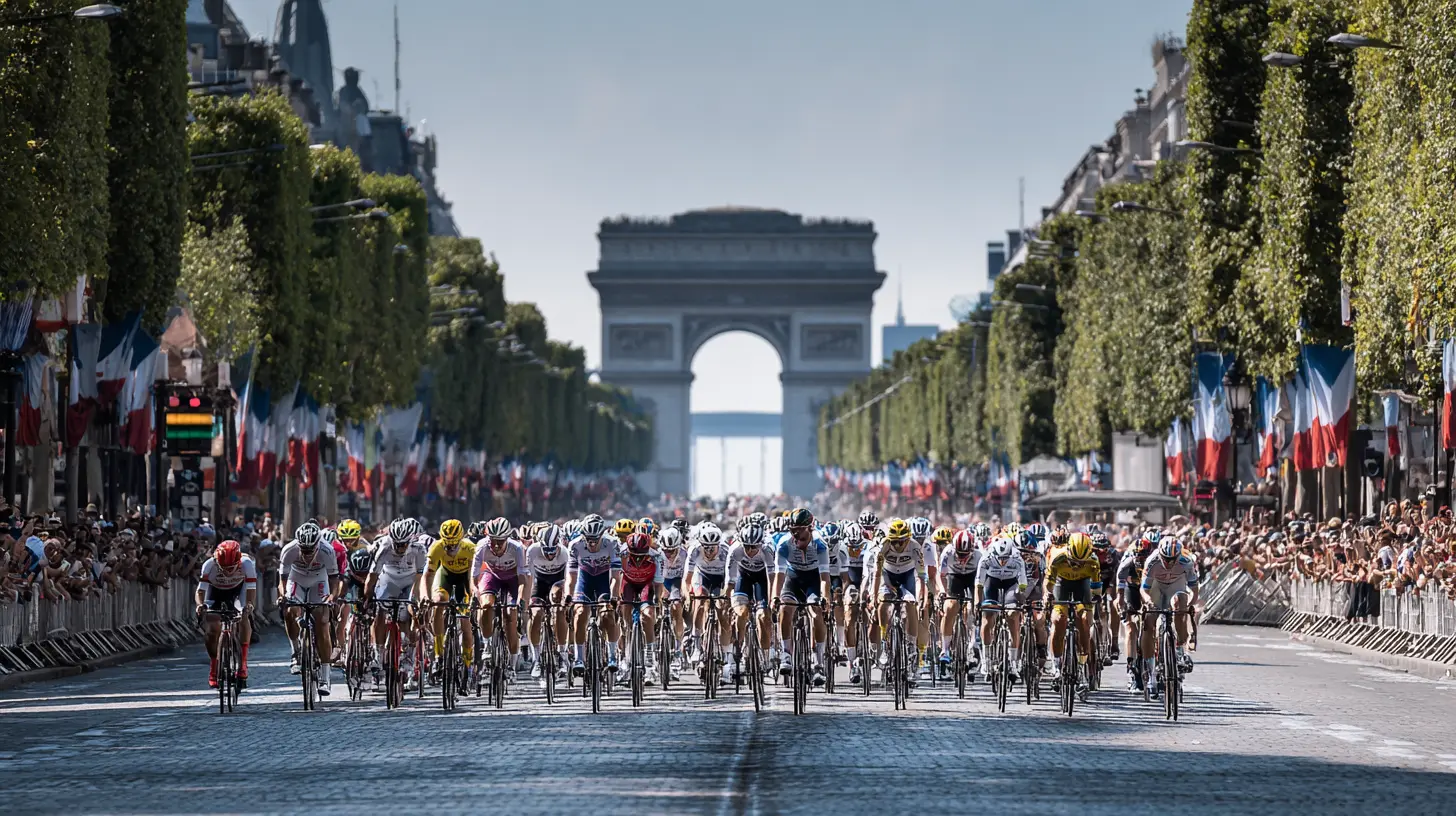
The 2026 Tour will end with a final stage into Paris on the Champs-Elysees, but the penultimate stage is traditionally a time trial or a mountain stage. This year, the organizers have hinted at a final individual time trial on the Saturday, possibly in the Jura or the Vosges. If this is confirmed, it will be a hilly course, not a flat one.A hilly time trial on the penultimate day is the cruelest possible test. It requires a rider to pace themselves perfectly, saving enough energy for the climbs but not losing too much time on the descents. This format favors the most complete rider, not just the best climber. It also creates the possibility of a dramatic final day turnaround, where a rider down by 30 seconds can win the yellow jersey.
If the time trial is not on the schedule, the final mountain stage will be a brutal affair, with the race leader forced to defend their position against fresh attacks. The organizers prefer a time trial on the penultimate day because it avoids the situation where a rider attacks on the final climb and then has to defend on the final flat stage. A time trial is a pure measure of ability.
Practical Advice for Spectators and Amateur Riders
If you plan to watch the 2026 Tour live, the most important advice is to arrive early and choose your location carefully. The mountain passes are accessible by car, but parking is limited. The best spots are on the outside of a hairpin, where you can see the riders approaching and leaving. The worst spots are at the summit, which is crowded and often foggy.For amateur cyclists who want to ride the climbs themselves, the best time to do so is the week before the race, when the roads are closed for the caravan setup but not yet packed with fans. The Tourmalet and the Alpe d'Huez are iconic, but they are also crowded. Consider riding the less famous climbs, like the Glandon or the Madeleine, which offer the same challenge without the chaos.
A common mistake for amateur riders is to try to replicate the professional pace. The pros climb the Tourmalet in under an hour. An amateur rider should expect to take two to three hours. The key is to pace yourself on the first half of the climb, not the second. Most riders go out too hard and then suffer on the steep upper slopes. Use a heart rate monitor or a power meter, and aim to stay in Zone 3 for the first half, then push to Zone 4 in the final five kilometers.
Nutrition and Hydration Strategies for the Long Mountain Stages
The 2026 route features several stages exceeding 200 kilometers with over 4,000 meters of elevation gain. The physiological demands are enormous. A professional rider will burn between 6,000 and 8,000 calories on a queen stage. They will consume around 90 grams of carbohydrates per hour, usually in the form of gels, bars, and sports drinks. Amateur riders should aim for 60 to 80 grams per hour, because their gut is less adapted to high carbohydrate intake.Hydration is equally critical. The key is to drink before you are thirsty. On a hot day in the Massif Central, a rider can lose two liters of sweat per hour. Dehydration of just 2 percent of body weight reduces performance by around 10 percent. The best strategy is to drink a bottle every hour, alternating between water and an electrolyte drink. On the descents, it is easy to skip drinking, but this is a mistake. The body cannot absorb fluids quickly, so you need to start hydrating early on the climb.
Equipment Choices for the 2026 Route
The 2026 route presents a unique equipment challenge because it combines flat time trial sections, steep Pyrenean climbs, and long Alpine ascents. A single bike setup is not optimal. Professional teams will use a lightweight climbing bike with a compact chainset (52/36) and an 11-32 cassette for the steepest climbs. For the time trial, they will switch to a dedicated time trial bike with aero bars and disc wheels.For amateur riders, the most important decision is gearing. A standard chainset (53/39) is too hard for the steep gradients of the Pyrenees. A compact chainset with a 34-tooth inner ring is essential. The cassette should have at least a 32-tooth largest sprocket. If you are not fit enough to climb at a cadence of 80 to 90 revolutions per minute, you will struggle. The goal is to spin, not to mash.
Tire choice matters too. The roads in the Massif Central are often rough, with potholes and gravel patches. A 25-millimeter tire at 90 psi is a good compromise between speed and comfort. A 28-millimeter tire is better for rough roads but has a slightly higher rolling resistance. For the time trial, you want a slick, narrow tire at high pressure. For the mountain stages, you want a tire with good grip for the descents.
Common Misconceptions About the Tour Route
One of the most persistent misconceptions is that the Tour de France is won on the hardest climb. This is rarely true. The race is usually won on the flat time trial, the crosswind stage, or the descent. The 2026 route is designed to reward the complete rider, not just the pure climber.Another misconception is that the race is decided in the third week. In reality, the first week is often more decisive because it creates time gaps that are hard to recover. A crash on a narrow Spanish road can cost a rider two minutes, which is more than they can gain on a single climb.
Finally, many fans believe that the breakaway always gets caught on the final climb. This is not true. In the 2026 route, with its long transfers and early climbs, the breakaway has a realistic chance of staying away, especially on the stages that finish in the Massif Central or the smaller Pyrenean resorts. Teams that chase too early will tire their leaders. Teams that let the breakaway go too far will lose the stage. The balance is delicate.
The Role of Team Tactics in the 2026 Route
The 2026 route is a tactical nightmare for sports directors. The long transfers between the Spanish border and the Massif Central mean that the race convoy will be stretched. Radio communication can be patchy in the mountains. Teams will need to rely on pre-planned strategies rather than real-time adjustments.The most important tactical element is the control of the breakaway. On a stage with a summit finish, the breakaway rarely wins. On a rolling stage with a sprint finish, the breakaway is usually caught. The difficulty is the intermediate stages, where a strong breakaway of 20 riders can gain ten minutes, making it impossible for the peloton to close the gap.
A key tactic for the GC teams is to place a domestique in the breakaway. This rider can then drop back to help their leader if needed, or they can stay ahead to act as a bridge on the final climb. This is a risky strategy because it weakens the main group, but it can pay off on the long Alpine stages.
The Impact of Weather on the 2026 Route
The 2026 route is vulnerable to weather disruptions. The Spanish stages in late June are usually hot, but the roads along the coast can be windy. The Massif Central is famous for sudden thunderstorms, which can turn the descents into a skating rink. The Alpine stages are usually dry and sunny in July, but snow can fall at the top of the highest passes.The organizers have built in some flexibility by avoiding the very highest passes, like the Iseran or the Galibier, which are often closed due to snow even in July. The 2026 route uses lower passes, which are less spectacular but more reliable. This is a deliberate choice to avoid the cancellation of stages.
For the riders, the weather is a constant variable. A headwind on a climb is demoralizing because it prevents any attack. A tailwind on a descent is dangerous because it increases the speed. The best teams will have multiple plans for different weather conditions, and they will adapt their tactics based on the forecast.
Conclusion: The 2026 Tour as a Test of Completeness
The 2026 Tour de France route is not designed to produce a single, dominant narrative. It is a route that tests every aspect of a rider's ability: the time trial, the punchy climbs, the long Alpine ascents, the technical descents, and the ability to survive the chaotic first week. There is no single key stage. The winner will be the rider who loses the least time on the bad days and gains the most on the good days.For the viewer, this promises a closely fought race with no clear favorite until the final time trial. For the amateur rider, the route offers a fantastic challenge that requires careful preparation and a balanced approach to training. The 2026 Tour will not be won by a single attack on the Tourmalet. It will be won by the rider who makes the fewest mistakes over three weeks and 3,500 kilometers.
all images in this post were generated using AI tools
Category:
Upcoming TournamentsAuthor:

Onyx Frye
Discussion
rate this article
2 comments
Dakota Stewart
The 2026 Tour de France route promises a thrilling mix of challenging climbs and fast descents. It seems well designed to test the riders' endurance and skills. Fans will likely appreciate the scenic views and strategic stages, making it a must-watch event.
October 3, 2026 at 4:33 AM
Onyx Frye
Absolutely, the 2026 route looks like a true challenge. Those climbs and descents will really showcase the riders' talents. Can't wait to see how it all unfolds!
Levi McKale
So the 2026 Tour de France route is finally here. I can already hear cyclists debating the best way to tackle those infamous hills while I struggle to tackle my morning coffee. Who needs training when you can just cheer from the couch, right?
September 30, 2026 at 2:33 AM