The Social Media Frenzy After the Championship Game in 2026
17 April 2026
Let’s be honest, the final whistle of the 2026 championship game was just the beginning. For the players on the pitch or court, it was the culmination of a lifetime of work. But for the rest of the planet? That was the starter’s pistol for a different kind of competition—one fought not with cleats or sneakers, but with likes, shares, hot takes, and memes at the speed of light. The social media frenzy that followed wasn't just a reaction; it was a parallel universe of the event itself, a chaotic, brilliant, and sometimes terrifying digital coliseum where everyone had a front-row seat and a megaphone.
I want you to picture it. One moment, there’s silence as the last-second shot arcs through the air or the kick sails toward the goalposts. The next, it’s like someone detonated a data bomb. Your phone doesn’t just buzz; it convulses. Notifications flood in from every app, a torrent of human emotion digitized and amplified. This was the 2026 post-game storm, and it redefined what it means to witness sports history.
The First Wave: The Reaction Tsunami
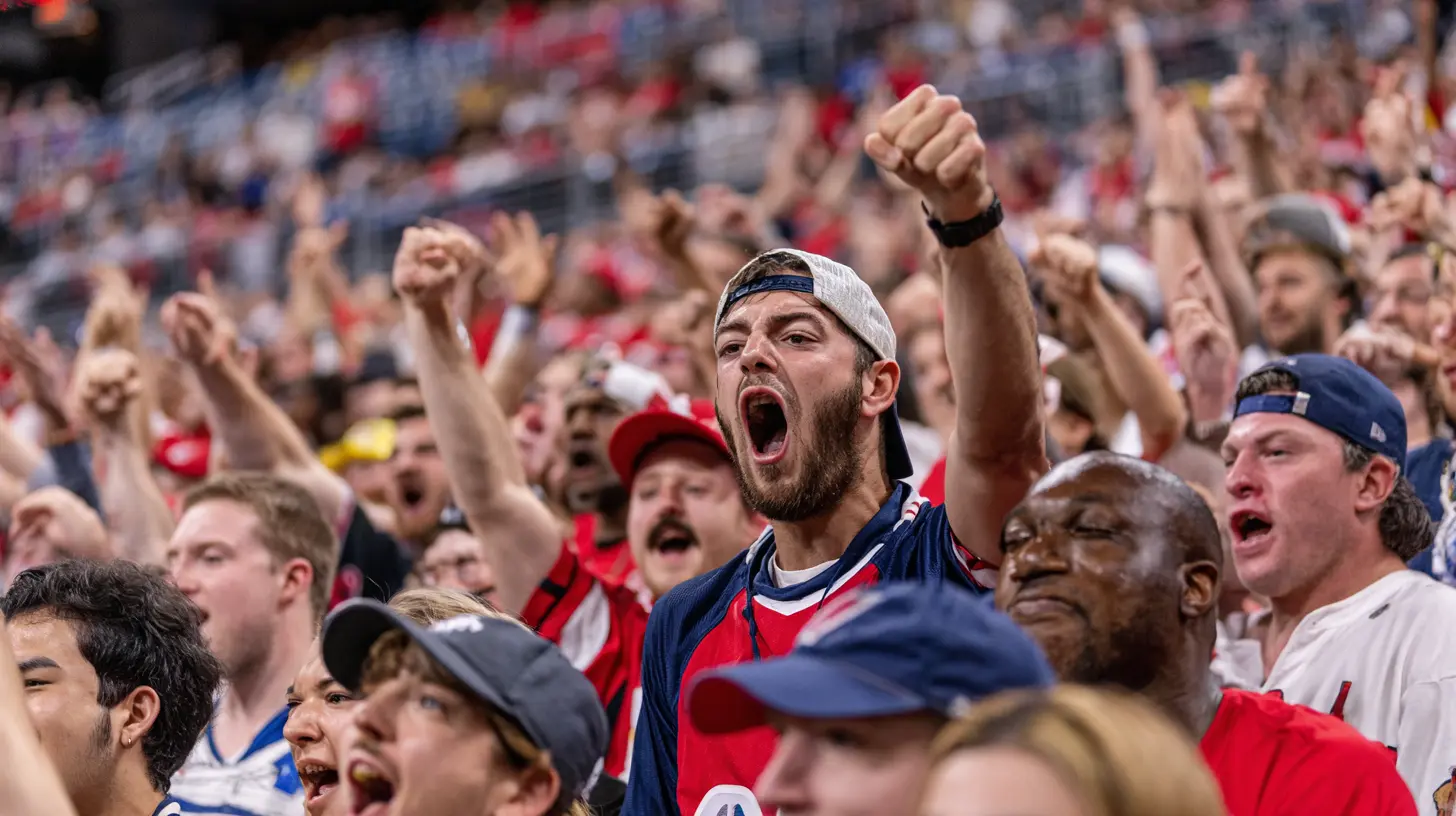
Before the players had even finished piling on top of each other in their tearful, joyous heap, the first wave hit. This wasn't about analysis. This was pure, uncut id.The Emoji Avalanche. My feed looked like a keyboard had exploded. A blizzard of 🏆, 😱, and 🐐 (GOAT) symbols. For the losing side, a somber rain of 💔 and 😔. This was the most primal layer of communication—instant, wordless, and universally understood. It was the digital equivalent of a collective roar or a stadium-wide groan.
The Caps-Lock Brigade. “OMG!!!!” “I CAN’T BELIEVE WHAT I JUST SAW!!!” “ABSOLUTELY UNREAL!!!” These posts, often accompanied by blurry, shaky screen-recorded videos, were the authentic pulse of the fan. No nuance, no caveats, just raw, screaming adrenaline translated into text. You could feel the energy leaping out of the screen. It was messy, it was overwhelming, and it was utterly human.
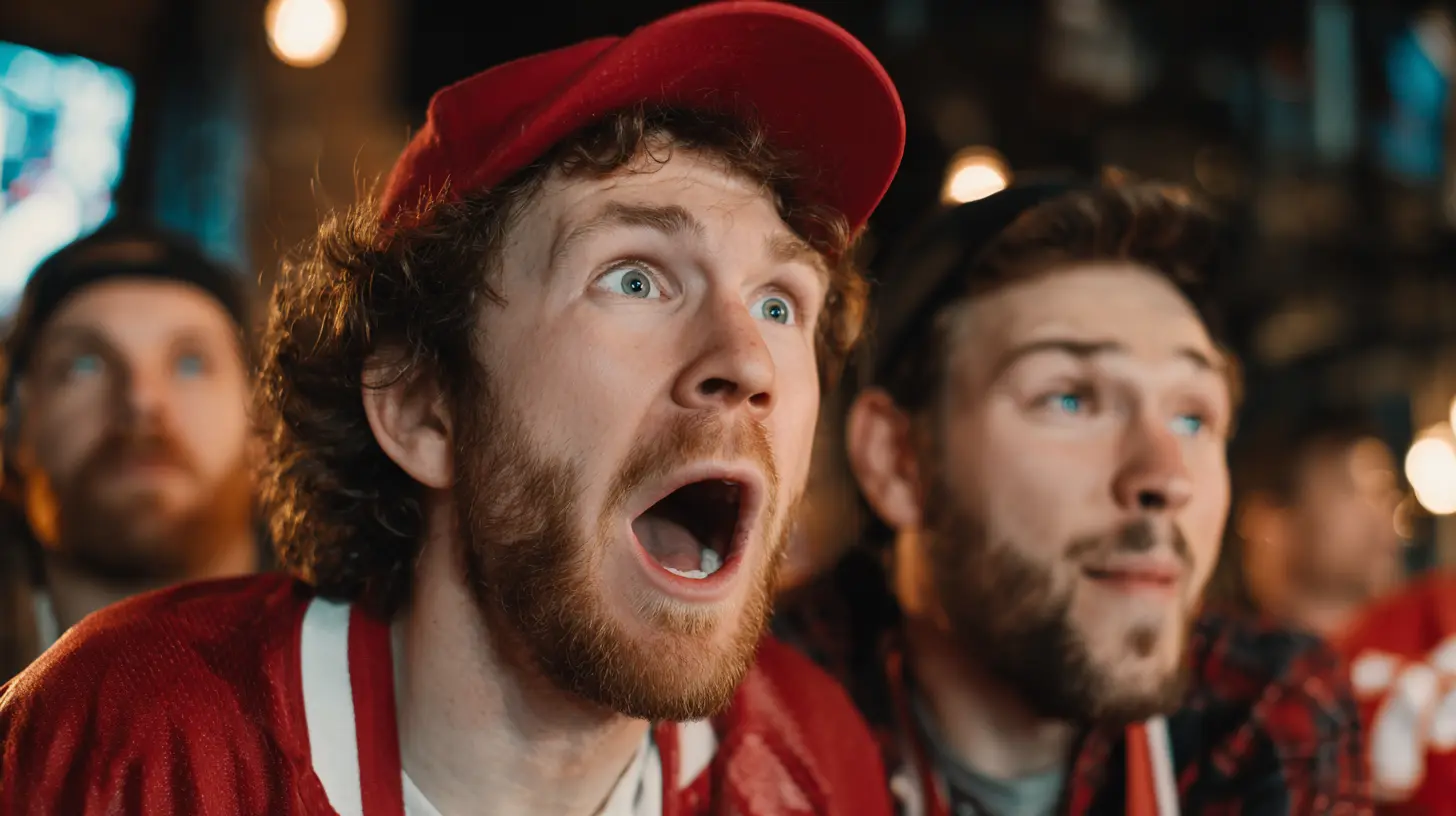
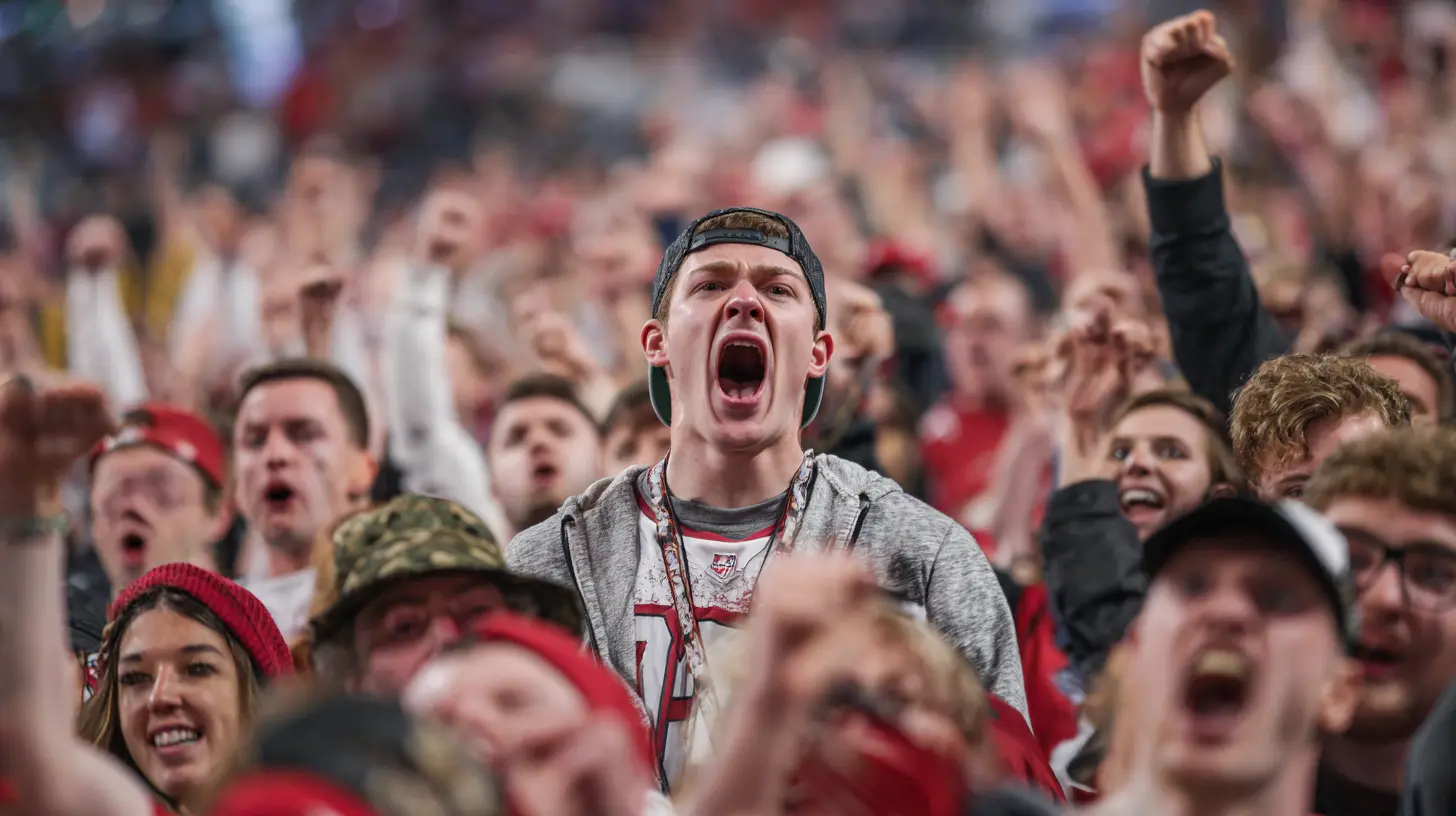
The Victory & Agony Selfies. From packed sports bars to living rooms, the face of every fan became part of the story. Tears of joy streamed down faces painted in winning colors. Heads were in hands in despair on the other side. These weren't professional shots; they were intimate, immediate diaries of personal investment. The championship wasn't just happening to the athletes; it was happening to us, and we proved it with our front-facing cameras.
The Second Wave: The Hot-Take Industrial Complex
As the initial shockwave subsided (maybe 15 minutes later), the hot-take machines whirred to life. This is where social media transitions from a feeling to a fight.The Instant Legacy Redefiners. Pundits, blue-check accounts, and that one incredibly opinionated guy from your high school all rushed to frame the narrative. “With this win, does [Star Player] now enter the top 5 all-time conversation?” “Is this the greatest championship performance ever?” “Does this dynasty now surpass the ’90s team?” The questions were designed not for contemplation, but for contention. They were bait, and we were all hungry fish.
The Blame Game Blitz. On the losing side, the digital autopsy began in real-time. The search for a scapegoat was faster than any post-game press conference. “The coach’s play-calling in the final two minutes was a fireable offense.” “That missed call by the ref in the third quarter was the real turning point. #Robbed.” Threads dissected every mistake with the forensic precision of Monday morning quarterbacks, but delivered on Sunday night. The anger was specific, targeted, and endlessly shareable.
The “I Told You So” Symphony. Ah, the sweet, smug sound of validated prediction. These posts ranged from the simple screenshot of a preseason bet slip to lengthy threads that began with “As I said in my October newsletter…” It was a moment of personal victory within the larger victory (or defeat). It wasn't enough for the team to win; their genius had to be acknowledged, too.
The Meme-ification of History
This is where the 2026 frenzy truly entered its modern era. The game’s defining moments weren’t just replayed; they were remixed, repurposed, and turned into a universal language: the meme.The Hero and the Goat, Reimagined. The MVP’s triumphant scream was instantly looped into a GIF where he was suddenly holding a crying baby (the losing team’s logo). The player who missed the crucial shot found his moment of despair superimposed onto the Titanic door (“There was room on the podium!”). These memes did more than summarize; they editorialized with brutal, hilarious efficiency. They cut through the noise with a joke that everyone could understand.
The Viral Challenge. Someone, somewhere, created a dance based on the championship-winning move. By Monday morning, it was on TikTok with millions of attempts, from professional dancers to toddlers in their pajamas. The play was no longer just a sports highlight; it was a cultural touchstone, a piece of choreography that embedded the game into the broader pop culture stream.
The Endless Comparisons. A side-by-side video of the 2026 winning shot with the iconic shot from 1998, set to dramatic music. A data visualization meme comparing the quarterback’s stats to a picture of a literal rocket ship. These creations satisfied our deep need to contextualize, to place this new memory into the existing pantheon. They were history lessons for the attention-deficit age.
The Dark Side of the Digital Stadium
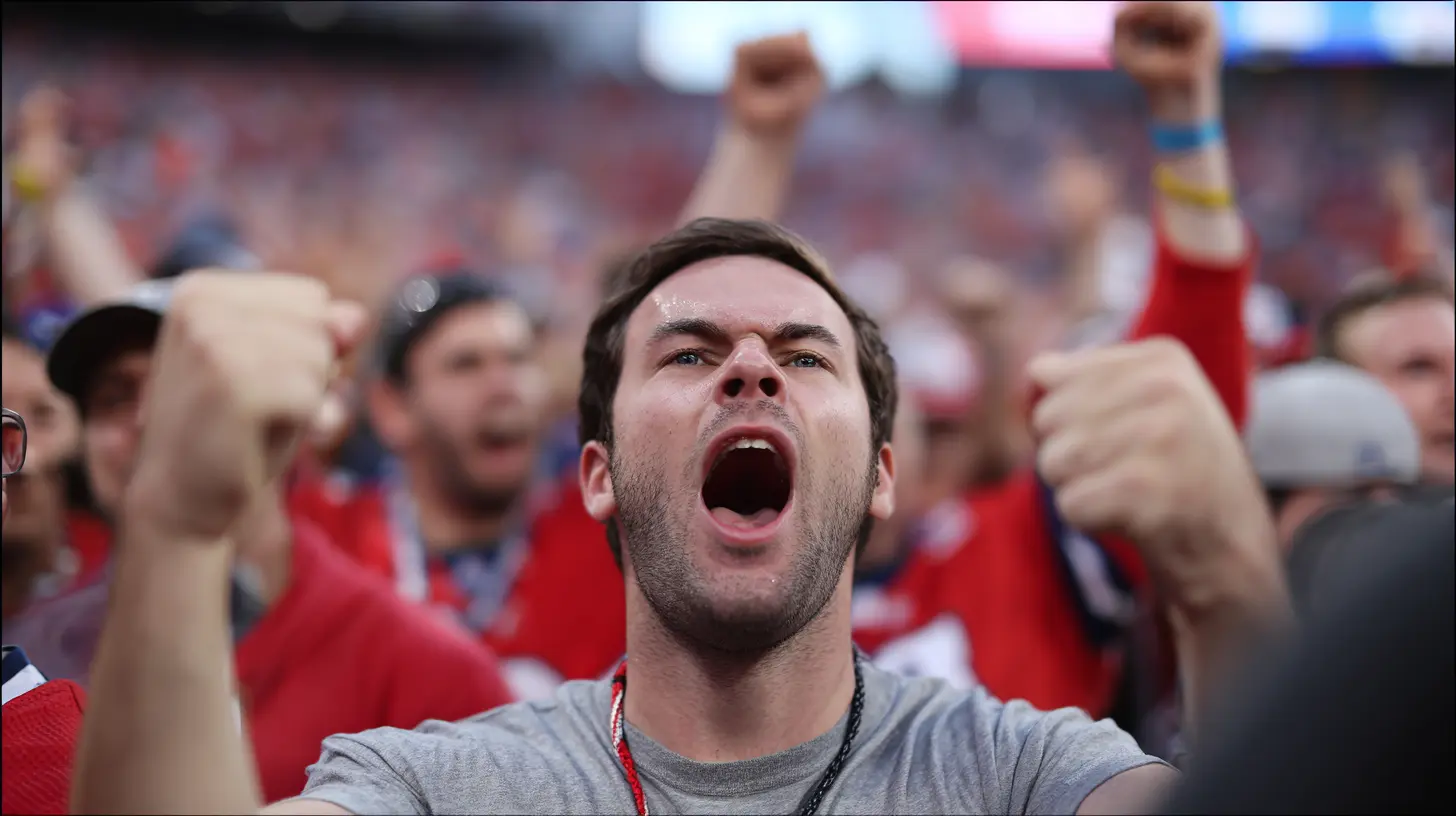
But let’s not kid ourselves. The frenzy wasn't all fun, games, and creative memes. The anonymity and scale of social media opened the floodgates for its worst elements.The Toxic Torrent. Directed at the player who fumbled, at the referee, at anyone who became the target of collective frustration, the comments sections of team and league posts became minefields. Racist, hateful, and violent speech festered under the guise of “passion.” The line between criticizing a performance and attacking a human being was not just crossed; it was obliterated for thousands of users. It was a stark, ugly reminder of the mob mentality that platforms can enable.
The Misinformation Offensive. Blurry videos claiming to show a foul “the broadcast didn’t want you to see.” Fake accounts posing as insiders reporting a star player was demanding a trade minutes after the loss. In the chaotic information scramble, falsehoods spread with the same velocity as truth, muddying the waters and fueling unnecessary drama.
The Mental Health Toll. We briefly saw it in the eyes of athletes scrolling through their mentions in post-game interviews—a flicker of pain behind the celebration or disappointment. These are young people experiencing the highest and lowest moments of their professional lives, and they’re doing it while holding a device that delivers the unfiltered, often cruel, verdict of millions. The digital stadium has no locker room to retreat to.
The Platforms Themselves: The New Arena Owners
The 2026 frenzy wasn't just happening on social media; the platforms were active architects of the experience.The Algorithm’s Game. Your feed wasn't the same as mine. If you engaged with angry content, the algorithm fed you more outrage, locking you into a bubble of negativity. If you loved memes, your world was a hilarious cartoon. The platforms curated our post-game reality, often amplifying the most extreme emotions to keep us glued to the screen. They weren't passive stadiums; they were directors choosing which angles we saw.
Live Commerce and the 3 AM Jersey Rush. The “Buy Now” button appeared on the championship-winning team’s logo before the trophy was even lifted. Limited edition “Champs 2026” merch was pushed into feeds via live-stream shopping integrations. The frenzy wasn't just emotional; it was commercialized in real-time, turning collective joy into a sales funnel.
The Rise of the Player-as-Broadcaster. The most fascinating shift? The athletes bypassing the traditional media entirely. We didn't wait for the press conference. We got the raw, tearful Instagram Live from the locker room, the celebratory Twitter Spaces with teammates, the candid TikTok from the team bus. This direct access was powerful and authentic, but it also added another layer of pressure—the pressure to perform for fans immediately, in your most vulnerable state.
The Aftermath: What Lingers After the Likes Fade?
So, what’s left after the servers cool down? The social media frenzy is like a firework—spectacular, loud, and then gone, leaving only smoke and memory.The hot takes are forgotten by Tuesday. The toxic tweets (hopefully) get reported and removed. But the memes? The iconic celebratory video from a player’s own account? The one perfect fan reaction that captured a generation’s feeling? That becomes the new folklore.
The digital record of the 2026 championship isn't the official highlight reel from the broadcaster. It’s the chaotic, user-generated, multi-perspective collage that lives on Twitter, TikTok, and Instagram. It’s the version of history we wrote together, for better or worse. It’s messy, unfair, hilarious, and cruel. In other words, it’s profoundly human.
The final whistle signaled the end of the game, but it kicked off a sprawling, unpredictable, and indelible digital sequel. And as we look to the next big game, one thing is certain: the social media frenzy isn't the side show anymore. It’s a main event.
all images in this post were generated using AI tools
Category:
Fan ReactionsAuthor:

Onyx Frye
Discussion
rate this article
2 comments
Thalor McIntyre
The 2026 championship game sparked an incredible social media frenzy. Fans took to platforms to share their excitement, opinions, and unforgettable moments. Memes and highlights flooded timelines, showcasing the passion of supporters. It's amazing how social media can amplify the joy and heartache of such a thrilling event. What a game!
May 20, 2026 at 8:35 PM
Onyx Frye
Absolutely! The energy on social media captured every moment, turning individual experiences into a collective celebration. It's a testament to how connected we all are through our shared passions.
Ingrid Meyers
It's incredible how sports connect us all—let's cherish the joy and camaraderie they bring.
April 19, 2026 at 12:04 PM
Onyx Frye
Absolutely! Sports have a unique way of bringing people together and creating lasting memories.