The Science Fueling the Future of Professional Athleticism
17 August 2026
Professional sports have always been a battle of inches, milliseconds, and marginal gains. But the nature of that battle has changed fundamentally over the last two decades. It used to be about who trained harder, who had the better natural gifts, or who had the most relentless coach. Now, it is about who processes data better, who recovers smarter, and who understands the biological machinery underneath the sweat. The future of professional athleticism is not being written in the weight room alone. It is being written in laboratories, on computer screens, and inside the very cells of the athletes themselves.
This shift is not a trend. It is a structural evolution. The athlete of tomorrow will not just be stronger or faster. They will be more precisely managed, more intelligently fueled, and more resilient to the brutal demands of competition. To understand where this is going, you have to look at the pillars that are actually driving the change: genomics, wearable technology, recovery science, nutrition, and the psychology of peak performance. Each one is powerful on its own, but their real potential emerges when they are woven together into a single, personalized system.
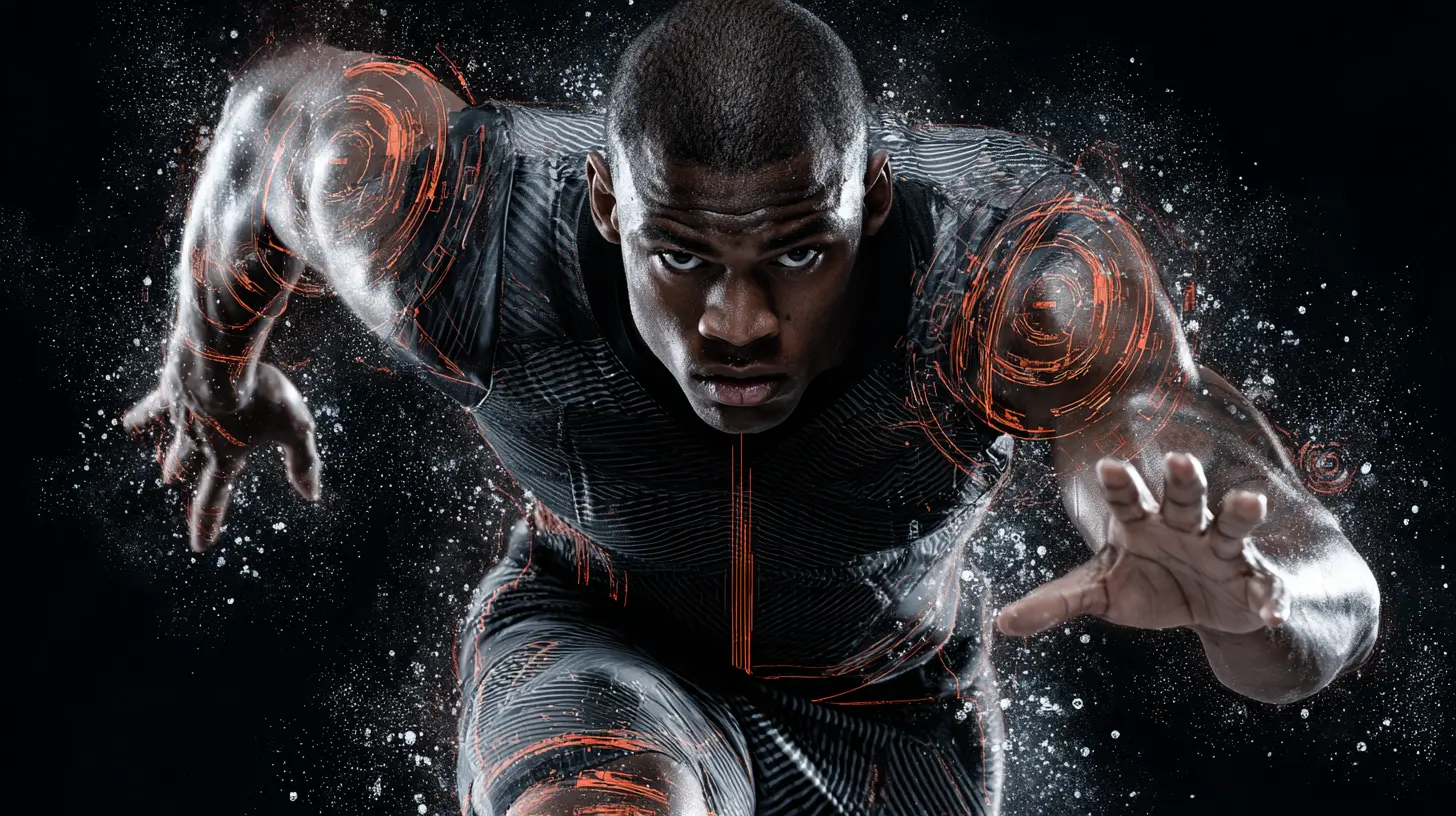
The Genetic Blueprint: From Guesswork to Precision
For most of sports history, coaches evaluated talent by watching an athlete move. That still matters, but it is no longer the only way. The rise of affordable genetic testing has opened a door that was locked for decades. We can now look at specific gene variants associated with muscle fiber composition, oxygen utilization, and injury risk. The ACTN3 gene, often called the speed gene, is one of the most studied. It influences the type of fast-twitch muscle fibers you produce. Some people carry a variant that makes them naturally suited for explosive power. Others are better built for endurance.But here is the critical nuance: having a favorable gene variant does not make you a champion. It just tilts the odds slightly in your favor. And having an unfavorable variant does not disqualify you either. The science is probabilistic, not deterministic. A genetic test can tell you where your natural strengths likely lie, but it cannot tell you how hard you are willing to work. That is where the practical value comes in. If you know you have a genetic profile that favors endurance, you can stop wasting time trying to become a sprinter and focus on the events where your body has a real advantage.
The mistake most people make is treating genetic information as a verdict. It is not. It is a starting point for a conversation about training design. For example, if your test shows a higher risk for Achilles tendon issues, you can proactively adjust your loading patterns and strengthen your calves before problems appear. That is proactive medicine, not fatalism. The best sports scientists use genetic data as one input among many, never as the sole deciding factor.
There is also a real trade-off here. Genetic testing raises privacy concerns that are not trivial. In professional leagues, teams have access to this data. Where does that information go? Can it be used against an athlete in contract negotiations or insurance decisions? These are legitimate questions with no easy answers. The technology is ahead of the regulations. Athletes should ask exactly who will see their results and how the data will be stored before they spit into that tube. Transparency is not just a nice-to-have; it is a necessity.

Wearable Technology: The Quantified Athlete
The modern athlete is walking around with more sensors than a Formula One car. Wearable devices have moved far beyond step counters. Today, a professional soccer player might wear a vest that tracks heart rate variability, sprint distance, acceleration load, and even sleep quality. A basketball player might have a ring that monitors skin temperature and resting pulse. These devices generate an enormous amount of data, but data alone is worthless. The value comes from interpretation.The key metric that has transformed training is not speed or distance. It is load management. The concept is simple: you can only absorb so much mechanical stress before your body starts to break down. Wearables allow coaches to quantify that stress in real time. If a player has a high training load on Monday, the system might recommend a lighter session on Tuesday to avoid overreaching. This is not coddling. It is smart resource allocation. You cannot sprint at maximum effort every day and expect to be fresh for the game on Saturday. The wearable tells you exactly when to push and when to back off.
The most useful metric in this domain is the acute-to-chronic workload ratio. This compares your recent training volume over the last week to your average volume over the last four weeks. If the ratio spikes too high, your injury risk increases dramatically. If it drops too low, you lose fitness. The goal is to stay in the sweet spot, that zone where you are progressively overloading without tipping into danger. This is where the science gets practical. Instead of guessing how hard to train, you have a numerical target that is based on your own historical data.
But there is a downside to all this monitoring. Some athletes become slaves to their numbers. They check their heart rate variability every morning and panic if it drops by a few points. This creates anxiety, which is counterproductive. The data is a tool, not a master. The best practitioners know that numbers need context. A low HRV might mean you are tired, or it might mean you had a stressful day at work, or you did not sleep well because your neighbor was loud. The device cannot tell you why. Only the athlete can provide that context. The art of coaching is merging the objective data with the subjective experience.
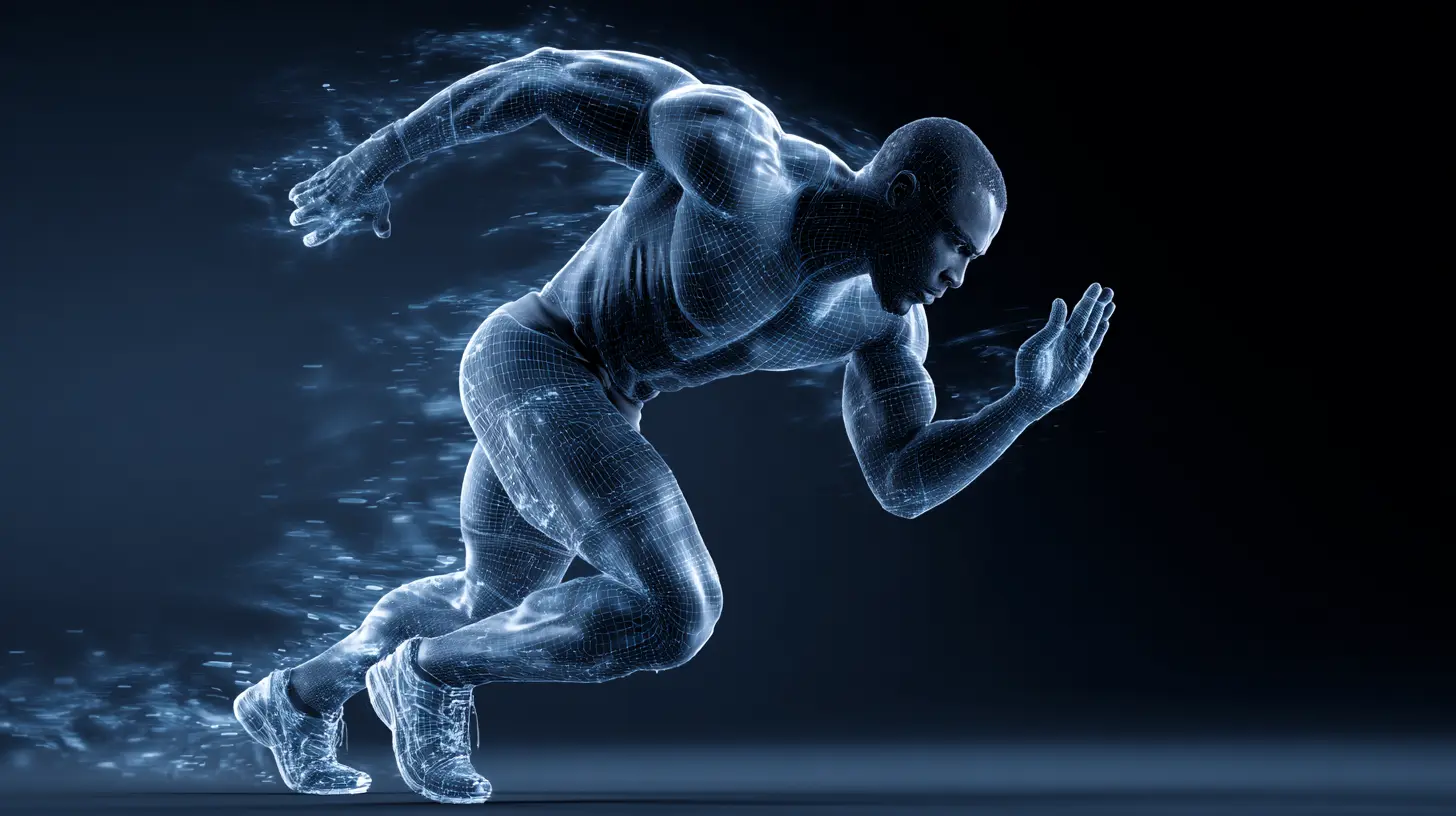
Recovery Science: Where the Gains Are Actually Made
Here is a truth that many athletes resist: you do not get faster while you are training. You get faster while you are recovering. Training is the stimulus. Recovery is the adaptation. If you constantly stress your body without allowing it to rebuild, you will plateau and then decline. The science of recovery has exploded because teams finally realized that the athlete who recovers best has a massive competitive edge.Sleep is the undisputed king of recovery. It is not just about duration, although seven to nine hours is the baseline for most athletes. It is about sleep quality and consistency. Deep sleep is when growth hormone is released. REM sleep is when cognitive recovery happens. If an athlete is sleeping at irregular times, their circadian rhythm gets disrupted, and their hormonal profile suffers. This is why many professional teams now employ sleep specialists who design individualized sleep protocols. They adjust light exposure, meal timing, and even travel schedules to protect sleep.
Cold water immersion and contrast baths have been used for years, but the evidence is more nuanced than the hype suggests. Cold water immersion is excellent for reducing muscle soreness after a hard session. It constricts blood vessels and reduces inflammation. However, it can also blunt the muscle-building response if used immediately after a strength training session. The reason is that the inflammatory response is part of the adaptation process. If you ice it away too aggressively, you may be reducing the very signal that tells your body to grow stronger. The practical takeaway is to use cold water immersion for recovery on easy days or after endurance sessions, but skip it right after heavy lifting if your goal is hypertrophy.
Compression garments and pneumatic compression boots are another popular tool. They work by mechanically assisting venous return, which helps clear metabolic waste products from the muscles. The effect is modest but real, especially for reducing perceived soreness. They are not a substitute for sleep or proper nutrition, but they can be a useful addition to a recovery routine, particularly during tournament schedules when you have to play every few days.

Nutrition: Fueling the Engine with Precision
The days of carb-loading with pasta the night before a race are not gone, but they have evolved. Sports nutrition has moved from generic advice to personalized fueling strategies based on the specific demands of the sport, the athlete's metabolic profile, and the timing of competition. The principle of energy availability is central. You need enough fuel to train hard, recover, and maintain normal bodily functions. If you chronically under-fuel, you risk hormonal disruptions, bone density loss, and increased injury risk. This is especially dangerous for female athletes, where the female athlete triad is a well-documented problem.Carbohydrates remain the primary fuel for high-intensity exercise. The science is clear that muscle glycogen is the limiting factor for performance in events lasting longer than 60 to 90 minutes. But the timing matters. Eating a huge meal two hours before a sprint will leave you feeling heavy and sluggish. A smaller, easily digestible carbohydrate snack 30 to 45 minutes before training can provide a quick energy boost without the discomfort. During prolonged events, consuming 30 to 60 grams of carbohydrate per hour can help maintain blood glucose levels and delay fatigue.
Protein is the building block for repair. The current consensus is that athletes need about 1.6 to 2.2 grams of protein per kilogram of body weight per day, spread across multiple meals. This is higher than the general population recommendation because of the constant breakdown and repair of muscle tissue. The timing of protein intake is less critical than once thought. The old idea of a 30-minute anabolic window has been largely debunked. What matters more is total daily intake and getting a solid dose of protein after training to kickstart the repair process.
Creatine is one of the most researched supplements in sports science. It is effective for increasing power output and muscle mass, and it is safe for most healthy individuals. It works by increasing the phosphocreatine stores in muscles, which helps regenerate ATP during short, explosive efforts. The common mistake is loading with a massive dose for a week, which causes water retention and digestive issues. A simpler approach is to take three to five grams per day and wait three to four weeks for the stores to saturate. It is a classic case of slow and steady winning the race.
Caffeine is another performance enhancer with solid evidence. It reduces perceived exertion and can improve endurance and focus. However, individual responses vary. Some people are fast metabolizers; some are slow. A slow metabolizer might feel jittery and anxious, which hurts performance. The best practice is to test caffeine in training before using it in competition. And be careful with timing. Caffeine has a half-life of about five to six hours. Taking it late in the afternoon can ruin your sleep, which will undo any performance benefit.
The Microbiome and Gut Health: The Hidden Player
One of the most exciting frontiers in sports science is the gut microbiome. The trillions of bacteria living in your digestive tract do far more than help digest food. They influence inflammation, immune function, and even mood. Research is still in its early stages, but there is growing evidence that a diverse microbiome is associated with better recovery and fewer respiratory infections in athletes.The practical application is not about taking a specific probiotic strain that will magically make you faster. It is about feeding your gut the right things. A diet rich in fiber from fruits, vegetables, legumes, and whole grains promotes microbial diversity. Fermented foods like yogurt, kefir, and sauerkraut can introduce beneficial bacteria. The mistake is relying on supplements to fix a poor diet. No probiotic pill can compensate for a diet that is mostly processed food and sugar.
There is also a connection between the gut and the brain called the gut-brain axis. This is still speculative in terms of direct performance effects, but the idea is that a healthy gut can positively influence stress responses and mental clarity. Athletes under high pressure often experience gastrointestinal issues. Managing stress through breathing techniques or mindfulness can help stabilize gut function. This is an area where the science is promising but not yet definitive. The takeaway is to treat gut health as part of the overall system, not as a standalone solution.
Psychological Resilience and Cognitive Training
The physical side of athleticism gets most of the attention, but the mental side is equally important. The science of sports psychology has moved from simple motivation to sophisticated cognitive training. Athletes now use biofeedback to train their heart rate variability, learning to control their physiological arousal in high-pressure situations. They practice visualization not just as a feel-good exercise but as a method to activate the same neural pathways used during actual performance.One of the most useful concepts is the idea of attentional focus. In high-stakes moments, athletes often make the mistake of focusing on the outcome, like winning or avoiding a mistake. This external pressure creates anxiety and disrupts motor patterns. The better approach is to focus on the process, the specific technical cue you need to execute. A golfer thinking about the mechanics of their swing is more effective than one thinking about the prize money. The science supports this, as process-focused attention reduces the cognitive load on the working memory and allows the body to execute learned patterns automatically.
Cognitive training also includes decision-making exercises. In fast team sports like soccer or hockey, the ability to read the game and make quick decisions is a trainable skill. Using video analysis and virtual reality, athletes can train their perception and reaction time without physical fatigue. These tools are not a replacement for real practice, but they are an efficient way to get more reps in a shorter time. The trade-off is that virtual reality cannot fully replicate the physical and emotional intensity of a real match, so it should be used as a supplement, not a substitute.
The Role of Data Analytics in Game Strategy
Beyond the individual athlete, data analytics is reshaping how teams approach the game itself. Player tracking systems generate spatial data that reveals movement patterns, passing lanes, and defensive coverage. This information allows coaches to design tactics that exploit specific weaknesses in opponents. For example, if the data shows that a defender struggles when forced to turn to their weaker side, the team can focus their attack there.But there is a danger in over-reliance on analytics. The game is played by humans, not robots. A strategy that looks perfect on paper can fall apart when the opponent does something unexpected. The best coaches use analytics as a guide, not a rulebook. They combine the data with their intuition and experience, recognizing that some things cannot be quantified. The emotional momentum of a crowd, the chemistry between two players, or the sheer willpower of a determined opponent are all factors that resist measurement.
The practical advice for athletes is to understand the data that is being collected about them. If a team is tracking your sprint speed, your jump height, and your workload, you should know how those numbers are being used. Ask questions. Understand what the benchmarks are. This knowledge puts you in a position to improve in the areas that matter most, rather than being a passive subject of analysis.
Common Mistakes and Misconceptions
One of the biggest misconceptions in sports science is that more is always better. More training, more supplements, more recovery gadgets. This is false. The body adapts to stress, but only when the stress is appropriate. Overtraining is a real condition that leads to chronic fatigue, hormonal imbalances, and decreased performance. The science of periodization exists precisely to avoid this. Training should be planned in cycles, with hard weeks followed by easier weeks, to allow for supercompensation.Another mistake is chasing the latest fad without evidence. Whether it is a new type of cryotherapy chamber or a strange supplement, the burden of proof should be on the product. Ask for peer-reviewed studies. Look at the sample size. Consider who funded the research. Many products work through the placebo effect, which is real but not a reliable foundation for a career. The most effective interventions are often the boring ones: consistent sleep, balanced nutrition, and progressive training.
A third misconception is that recovery tools can replace rest. No amount of foam rolling, massage, or compression boots can substitute for a good night's sleep. These tools are accessories, not solutions. If an athlete is only sleeping five hours a night, all the recovery gadgets in the world will not save them. The foundation has to be solid first.
The Future: Integration and Personalization
The future of professional athleticism is not about any single breakthrough. It is about integration. The athlete of tomorrow will have a digital twin, a comprehensive model of their physiology, training history, and health data. This model will be updated in real time, allowing coaches to simulate the effects of different training loads before they are even prescribed. The goal is to optimize every decision, from what to eat for breakfast to how many minutes to play in a match.This level of personalization is both exciting and challenging. It requires a team of experts, including physiologists, nutritionists, data scientists, and psychologists, all working together. The days of the lone coach yelling from the sidelines are numbered. The future is collaborative, data-driven, and deeply scientific.
But the human element will never disappear. The heart of an athlete, the courage to compete, the joy of victory, and the pain of defeat, these are not things that can be quantified. The science is there to support the athlete, not to replace them. The best systems will always respect the individual, their goals, and their limits.
The takeaway for anyone interested in professional athleticism, whether you are a coach, a young athlete, or just a fan, is to embrace the science but stay grounded. Use the tools available, but do not become dependent on them. Trust your body, listen to the signals, and remember that the most important variable is your own dedication. The science can light the path, but you are the one who has to walk it.
all images in this post were generated using AI tools
Category:
Professional AthletesAuthor:

Onyx Frye
Discussion
rate this article
2 comments
Morrow McIlwain
What an exciting read! The blend of science and sports really opens up new possibilities for athletes. Can't wait to see how these innovations shape the future of professional athleticism. The game is truly evolving!
September 2, 2026 at 2:37 AM
Zora McVicker
This article does a great job highlighting the intersection of science and sports. It's exciting to see how research is shaping the future of athletic performance and training methods.
August 26, 2026 at 4:32 AM
Onyx Frye
Thanks for your feedback! I'm glad you found the article insightful. It's an exciting time for science and sports.