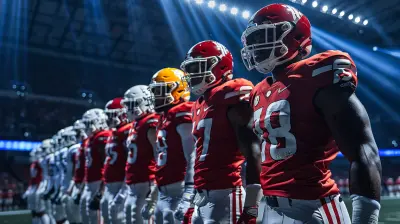
The Role of Youth Development Programs in Professional Sports
8 June 2026
When you think about your favorite athlete—you know, the one whose jersey you proudly wear—what comes to mind? Their insane skills, their big wins, maybe even their larger-than-life personality, right? But have you ever paused to ask how they got there? Spoiler alert: they didn’t wake up one day and magically become pros. Nope, most of them started in youth development programs.
Yep, behind every top-tier athlete is a trail of early mornings, endless drills, and life lessons learned through sport. Youth development programs are more than just “kid leagues.” They’re the backbone of professional sports as we know it. And trust me, their influence runs deeper than you might think.
Let’s break it all down and talk about why these programs matter, how they’re shaping the future of sports, and what we can learn from their success.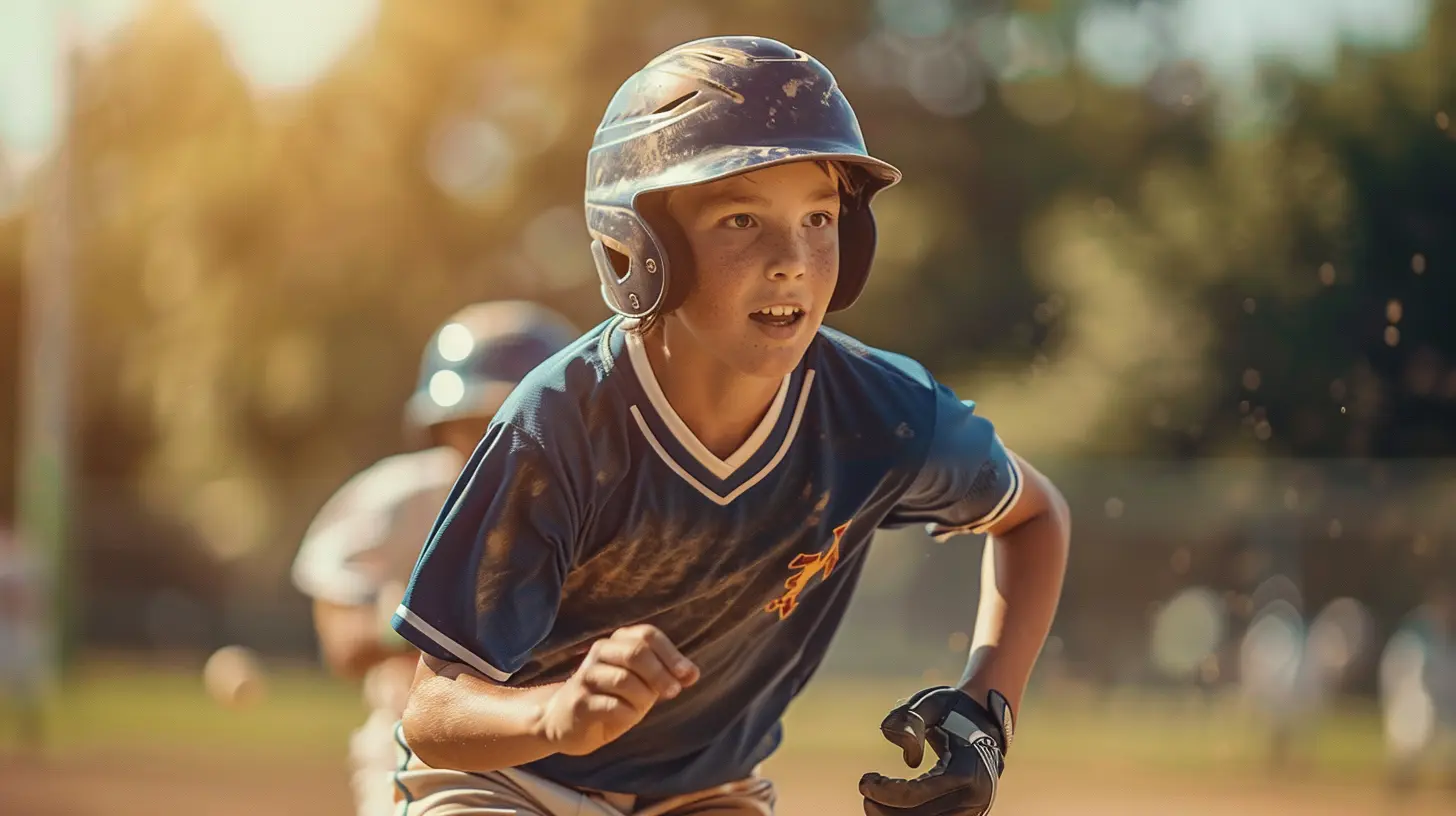
Why Youth Development Programs Matter
Building the Foundation Early
Think of youth development programs like the roots of a huge tree. Without strong roots, the tree can’t grow tall, right? These programs are where athletes first learn the basics—how to dribble a ball, swing a bat, or land a clean tackle. But it’s not just about technique.Young athletes also start learning discipline, teamwork, communication, and work ethic. These are skills that’ll serve them way beyond the field. Whether they go pro or not, these foundational lessons are the real MVPs.
Creating Opportunities
Not every kid grows up with access to private coaches or elite schools. Youth sports programs can be life-changing by opening doors for talented kids in underserved communities. Whether it’s through scholarships, exposure to scouts, or simply giving them a safe space to grow, these programs level the playing field—literally and figuratively.
The Role of Coaches and Mentors
A good coach can make all the difference. Seriously, think of them as captains steering the ship. Sure, they teach plays and run practices, but the best coaches go deeper. They become mentors.They spot a kid’s potential long before anyone else does. They build confidence, provide structure, and often become a trusted adult figure in athletes' lives—someone who believes in them when the odds are stacked against them.
Mentorship in youth development isn’t just helpful; it’s game-changing.
From Grassroots to Global: How Programs Shape Professional Pathways
The Club System
In countries like Spain and Germany, many soccer players come up through highly structured club systems that start training kids at incredibly young ages. These systems are designed to identify and nurture talent early.By the time these kids are in their late teens, they’re often ready for the big leagues.
The College Route
In the United States, many athletes take the college route. NCAA programs are essentially incubators for professional sports careers—especially in basketball, football, and baseball. College sports offer a blend of high-level competition and academic stability.And let’s be honest, those full-ride scholarships aren’t too shabby either.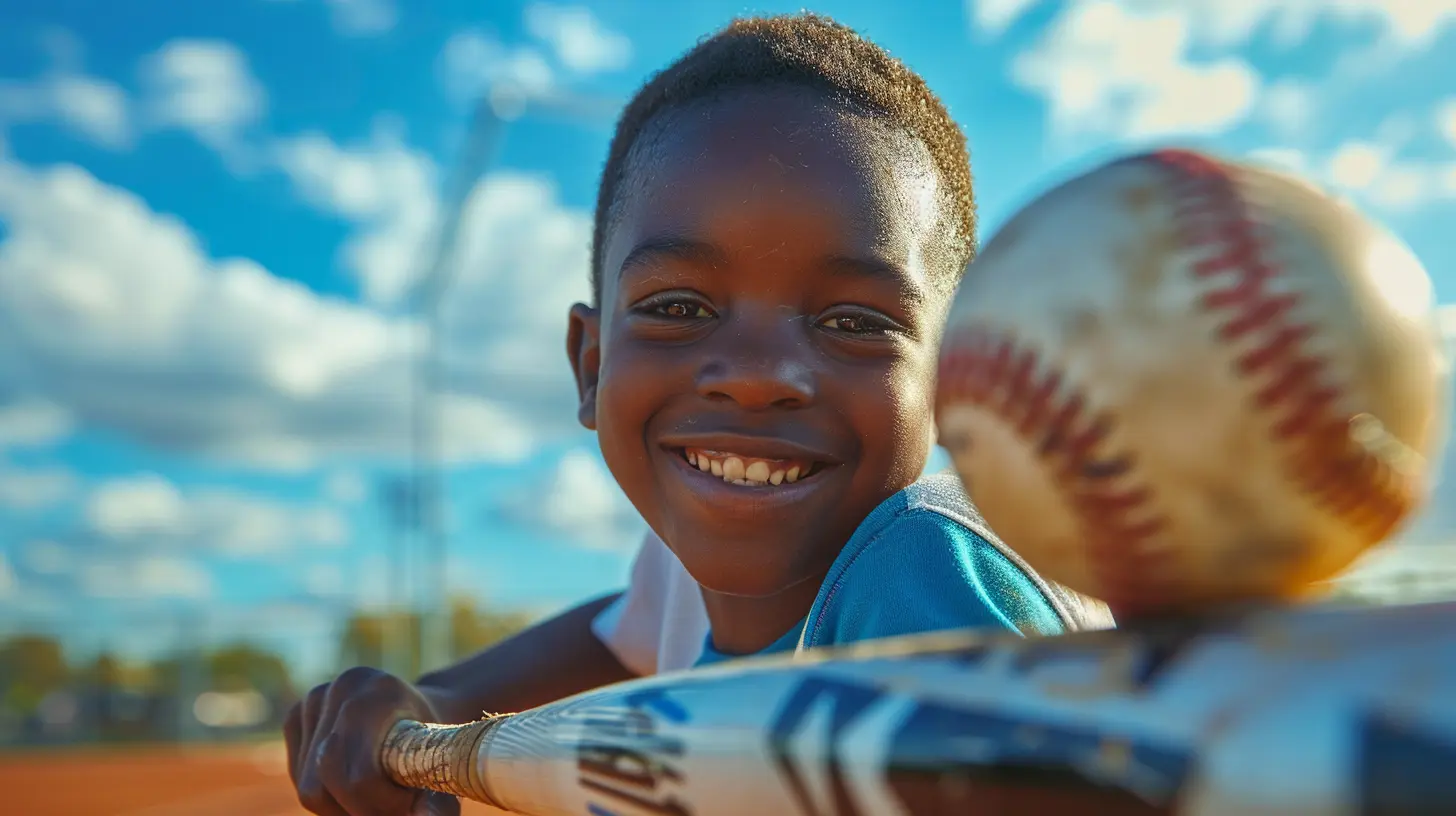
Not Just About the Game: Life Skills and Personal Growth
Youth development programs teach more than just how to win. They instill values like leadership, responsibility, and perseverance. Let’s face it—losing a big game sucks. But learning how to bounce back? That’s a life skill.And it’s in those moments of failure where real growth happens. Programs that focus on the holistic development of the athlete—not just the player—set the stage for long-term success, in or out of the sports world.
The Mental Game: Supporting Emotional and Psychological Well-Being
Athletes, especially young ones, deal with enormous pressure. If everyone’s telling you you’re the next LeBron or Serena, that’s a lot to handle! That’s why modern youth programs are increasingly incorporating mental health support.From sports psychologists to mindfulness training, these additions are helping young athletes stay grounded. It's not just about training the body—it’s about training the mind too.
Tapping Into Technology and Analytics
Old-school drills are out, and data is in. Youth development has gone high-tech. From wearable fitness trackers to performance analytics software, young athletes today have access to tools that weren’t even on the radar a decade ago.This tech not only helps improve performance but also reduces the risk of injury. And when you mix raw talent with smart data, you get a recipe for success.
The Role of Parents
Let’s not forget the unsung heroes here—parents. Whether it’s early-morning rides to practice, cheering from the stands, or just being that solid support system, parents play a huge role in the journey.However, it’s a delicate balance. Pushing too hard can backfire. The best youth programs also educate parents on how to support without pressuring, encourage without hovering, and guide without controlling.
Challenges Facing Youth Development Programs
Access and Affordability
Let’s be real—youth sports can be expensive. Gear, travel, league fees… it adds up fast. Unfortunately, that means some kids miss out simply because of their zip code.Addressing this is crucial. Communities, brands, and governments need to step up with more funding, sponsorships, and inclusive programs that ensure no talent goes unnoticed due to budget constraints.
Burnout and Specialization
There’s a growing trend in youth sports where kids are being pushed to specialize in one sport super early. While intense focus can help excel, it also raises the risk of burnout and overuse injuries.The best approach? Let kids be kids. Encourage them to try different sports, enjoy the process, and find their passion at their own pace.
Success Stories: From Youth Programs to Superstars
You’d be surprised how many pros started through local or community youth programs.- LeBron James came up through youth basketball programs in Akron, which kept him grounded and focused.
- Cristiano Ronaldo was scouted from a youth club in Portugal at just 12 years old.
- Serena and Venus Williams trained in tough neighborhood courts under the guidance of their father, building their legacy from scratch.
These stories aren’t rare—they’re just rarely told. Youth development isn't just grooming athletes; it’s building legends.
The Way Forward: More Inclusive, Holistic Programs
If we want professional sports to keep thriving, we need to invest in the grassroots. That means more funding, better coaching, mental health support, and broader access.The goal shouldn’t be just to create winning athletes but to nurture well-rounded humans who thrive on and off the field.
Imagine a world where every kid, regardless of background, has access to quality sports programs. That’s not just good for sports—it’s good for society.
Final Thoughts
So next time you’re watching a nail-biting game or cheering for your favorite team, remember: the athletes on your screen are the product of years of development, growth, and support that started way before the limelight.Youth development programs are the unsung heroes of professional sports. They plant the seeds, water the roots, and nurture the dreams. They're the spark behind every slam dunk, home run, goal, and touchdown.
Want to support the future of sports? Start by backing the programs that build it from the ground up.
all images in this post were generated using AI tools
Category:
Professional SportsAuthor:
Onyx Frye
Discussion
rate this article
1 comments
Madison McGill
Youth development programs are crucial for nurturing talent and building strong foundations in sports.
June 12, 2026 at 3:13 AM
Onyx Frye
I completely agree. Investing in youth programs is essential for discovering and shaping future stars in sports.