The Role of the Trainer: Building a Boxing Champion
20 March 2026
Let’s be real — behind every great boxer, there’s a mastermind in the corner. The sweat, the strategy, the sacrifices — it's not just the fighter grinding day in and day out. It’s the trainer, too. While the boxer takes the punches in the ring, the trainer’s the one absorbing the emotional hits outside it. They’re the unsung heroes of the sweet science.
So, what exactly does a boxing trainer do? More than you might think. If you're picturing an old guy yelling “keep your hands up!”—yeah, that’s only scratching the surface.
Let’s dive gloves-first into the pivotal role a boxing trainer plays in molding a champion.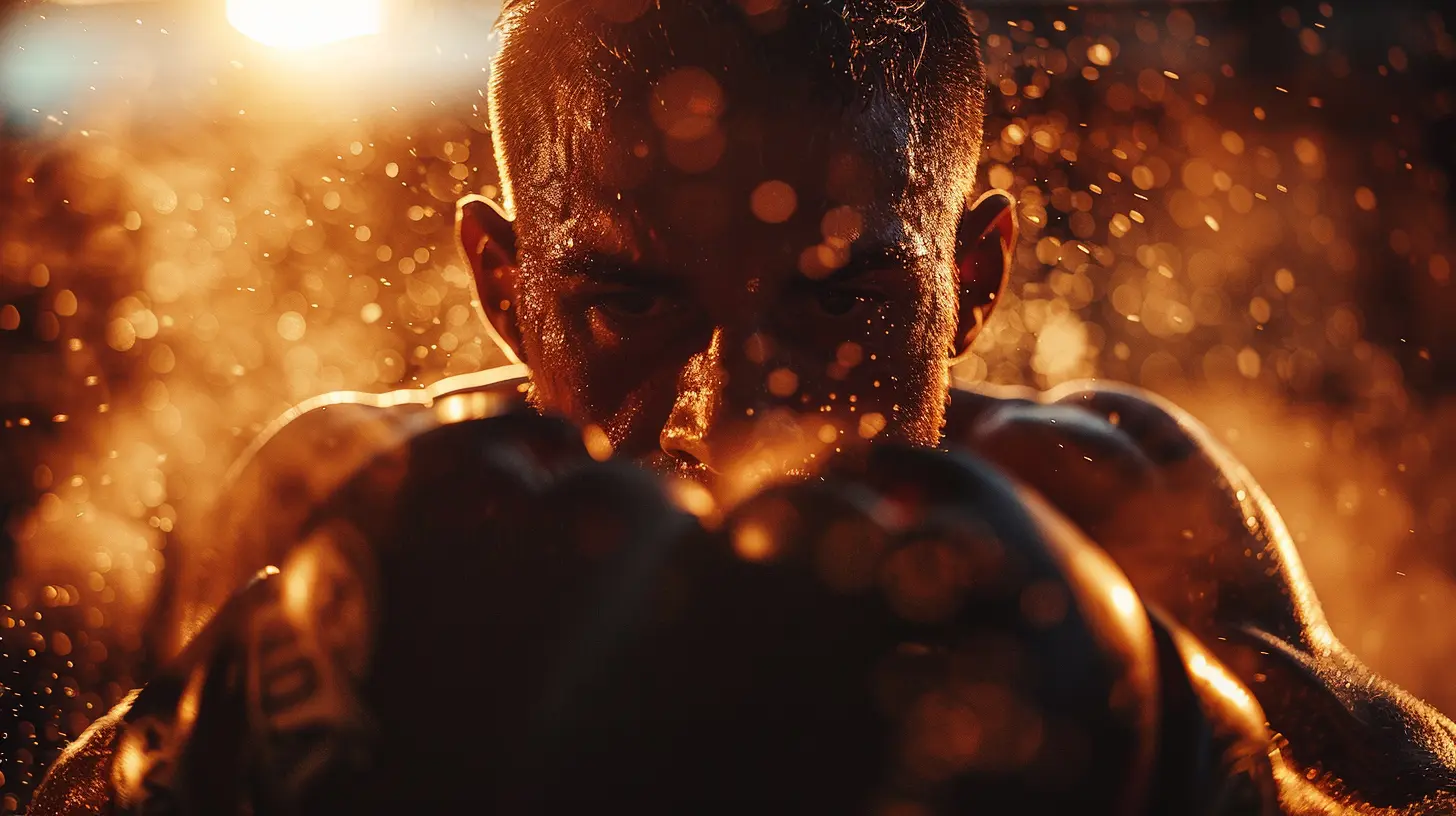
Why the Trainer Matters More Than You Think
Boxing isn’t just muscles and mayhem — it’s chess with fists. You can be built like a tank and punch like a freight train, but if you don’t have the brain behind the brawn, you're not going far. That brain? It's often sitting outside the ropes, holding a towel and offering pearls of wisdom between rounds.A trainer is part coach, part psychologist, part drill sergeant, and sometimes... part parent. It’s a tough gig.
Without a trainer, a boxer is just a fighter. With one? They become a technician, a tactician, and eventually — a champion.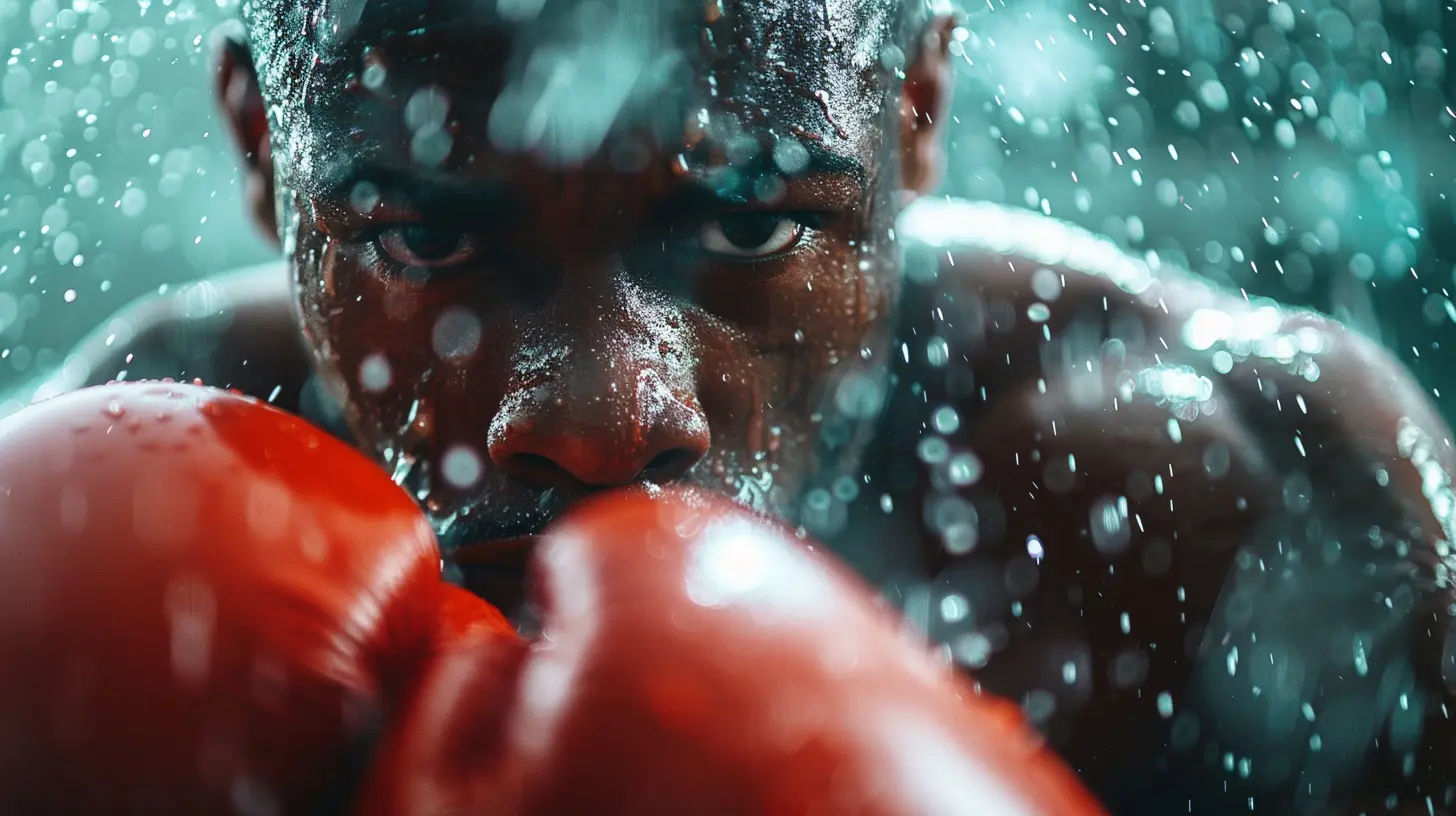
The Trainer’s Toolbelt: More Than Just Mitt Work
Contrary to popular belief, being a trainer isn’t just about holding mitts and barking combos. Sure, mitt work is flashy. It’s sexy. It looks great for Instagram reels. But it’s just one slice of a very thick pie.Technical Development
Every solid combo, every sharp jab, every defensive slip — it all starts here. Trainers teach fighters how to move like water and hit like bricks. They break down complex techniques into repeatable actions, drilling them until they’re second nature.Think about it. Floyd Mayweather didn’t just wake up with perfect defense. His uncle Roger drilled it into him. Over and over. And then again.
Fight IQ & Strategy
Great trainers are master tacticians. They have eagle eyes in the gym and laser vision on opponents. Training a boxer means teaching them how to think, not just how to throw.They study tapes, spot weaknesses, and craft gameplans like generals heading into war. Adjustments mid-fight? That’s all trainer. When fighters execute it flawlessly? That’s the result of endless hours of strategy sessions in the gym.
Conditioning & Nutrition
A fighter might have the skills, but without the gas tank, they’re toast after four rounds. Trainers are obsessive about conditioning. Roadwork, sprints, plyometrics — it’s all part of the daily grind.Nutrition, too. Whether it’s cutting weight or fueling up for camp, a trainer makes sure the fighter is dialed in. It’s not just about making weight—it’s about making sure they can go beast mode for 12 rounds.
Mental Toughness & Discipline
Fighting is 90% mental and 10% everything else. Ever wonder why some fighters fold while others thrive in the trenches?It’s the trainer’s job to instill that mental edge. They push fighters through the pain, through self-doubt, and help them embrace the grind. When a coach tells you to do one more round on the bag, it’s not just physical — it’s a mindset builder.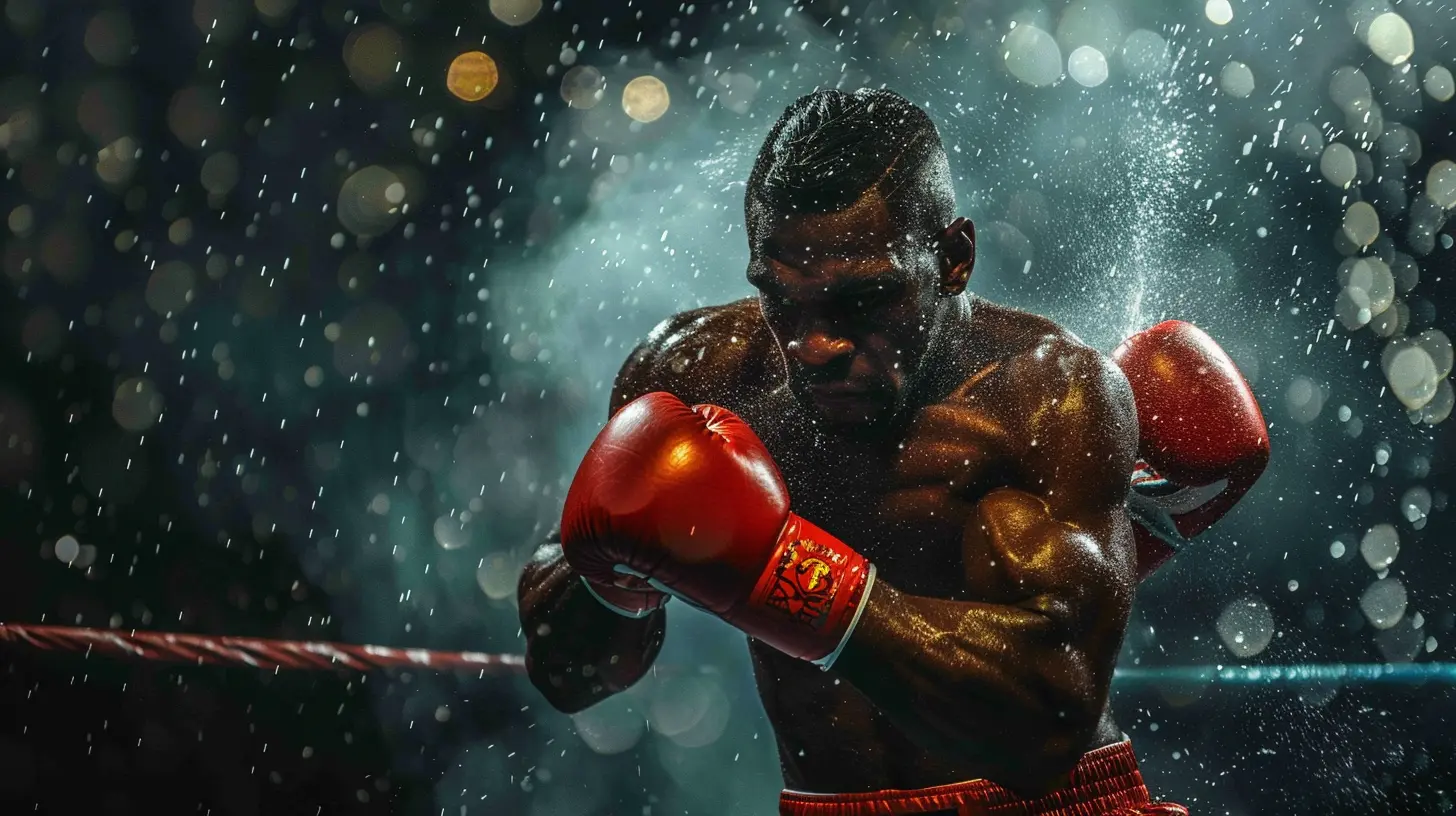
The Corner: More Than Just Between Rounds
Ever seen a fighter come back from the brink mid-fight and turn it around? That’s not just heart — that’s coaching.Real-Time Adjustments
The corner is where trainers earn their stripes. They’ve got less than 60 seconds to assess, instruct, and inspire. They see what their fighter can’t — little tells, openings, habits.And in the heat of battle, those micro-adjustments can mean the difference between victory and defeat.
Emotional Control
A fighter's emotions are like a boiling pot. The trainer’s voice? That’s the lid.Whether it's calming nerves, firing them up, or bringing a fighter back from rage, a trainer manages the emotional thermostat. That’s a superpower, no exaggeration.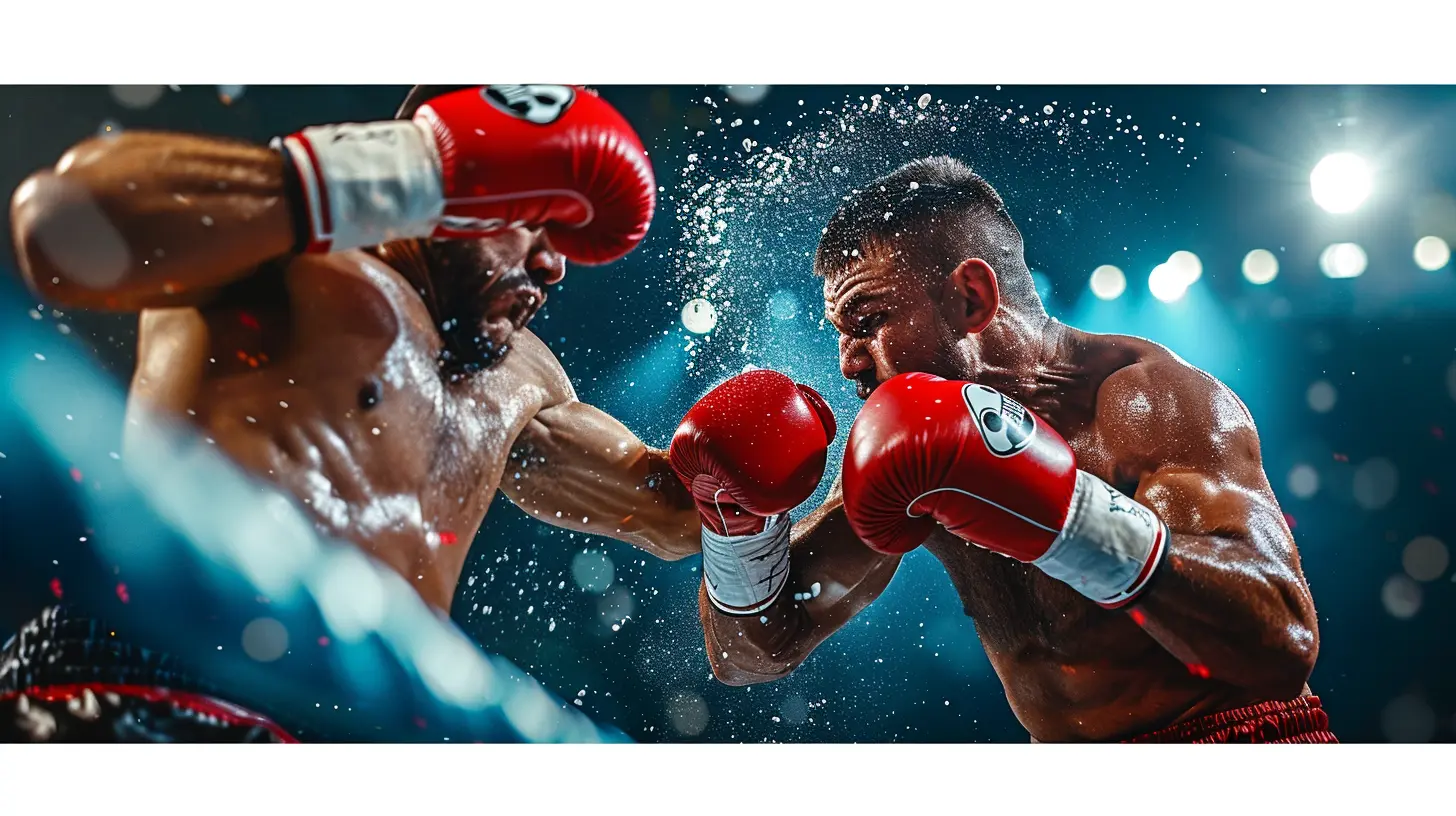
The Relationship: Trust, Respect, and Brutal Honesty
Fighters and trainers are a special breed of duo. It’s deeper than teammates or friends. It's almost like a marriage — without the romance, but all the drama.Building Trust
A fighter has to trust their trainer with everything — their body, their career, and sometimes, their life. It’s not just about barking orders; it’s about building unshakeable confidence.That kind of trust isn’t built overnight. It comes from shared pain in the gym, consistent support, and honest feedback — the kind that makes a fighter better, even when it stings.
Knowing When to Pull the Plug
Here’s the harsh truth: sometimes, fighters want to keep going when they shouldn’t. A good trainer knows when to save their fighter — even if it costs a W.That’s not weakness. That’s love. That’s wisdom. That's what keeps fighters healthy enough to fight another day.
Legendary Trainers: Proof of the Power Behind the Boxer
Need proof that trainers make champions? Look at the names that changed the game.- Cus D’Amato: The genius behind Mike Tyson’s peek-a-boo style and that killer instinct.
- Freddie Roach: Turned Manny Pacquiao into a whirlwind of speed and power.
- Angelo Dundee: Guided Muhammad Ali through the toughest battles of his career.
- Eddie Futch: Helped Joe Frazier and Ken Norton take on (and beat) the best.
These weren’t just guys holding pads. They were architects of greatness.
Modern Training: Science, Specialization & Innovation
Today’s trainers aren’t just old-school tough guys. They’re blending grind with science. From wearable tech to slow-motion replay breakdowns, the training toolbox has expanded massively.Data-Driven Training
Some coaches now track punch output, heart rate, and even reaction time. Why? To fine-tune everything — from sparring intensity to rest days. It's precision, baby.Specialized Coaches
You’ll often see teams rather than solo trainers today. A head coach, strength coach, nutritionist, sometimes even a sports psychologist. Each one focuses on their lane, making the fighter’s prep more well-rounded than ever.But even with all the bells and whistles, the head trainer remains the heartbeat. They’re the glue that keeps it all together.
Challenges Trainers Face Behind the Scenes
It’s not all fist bumps and big wins. Trainers deal with a never-ending rollercoaster of pressure, politics, and personal struggles.Dealing With Egos
Let’s face it — some fighters get big heads with big wins. Trainers need thick skin and tough love to keep their champions grounded.Staying Relevant
Boxing is evolving. Trainers must keep learning or risk fading out. That means studying trends, integrating new methods, and constantly adapting.Sacrifice
Trainers often work long hours, travel non-stop, and put their own lives on hold. They live the camp life almost as much as their fighters. No off-season, no easy days.So... What Really Makes A Great Trainer?
It’s not about titles. It’s not about fame. It’s about consistency, care, and connection.Great trainers:
- See what others miss
- Say what needs to be said
- Stay loyal through wins and losses
- Push fighters, not just physically, but mentally
- Understand that building a champion takes time, patience, and a whole lotta heart
It’s a calling, not a job.
Final Bell: The Magic of the Corner
At the end of the day, a boxing champion isn’t made in the spotlight — they’re built in the shadows. Behind every devastating combo and every champion's belt is someone who believed in them before anyone else did.The trainer is the whisper in the ear, the nudge in the gym, the hand on the shoulder. They’re the architect, the therapist, the motivator, and the shield.
So next time you see a fighter with their hand raised, don’t forget who helped them lift it.
all images in this post were generated using AI tools
Category:
BoxingAuthor:

Onyx Frye
Discussion
rate this article
2 comments
Carmel Roberts
Behind every champion is a trainer; their bond makes the difference!
March 29, 2026 at 10:55 AM
Onyx Frye
Absolutely! The trainer-athlete bond is crucial; it fosters trust, skill development, and the mental fortitude needed to achieve greatness in boxing.
Nico McClintock
Sure, the boxer throws the punches, but let’s be real: without a killer trainer, they’re just flailing around like a toddler in a boxing ring. #TeamworkMakesTheDreamWork
March 22, 2026 at 2:03 PM
Onyx Frye
Absolutely! A skilled trainer is crucial for honing a boxer's technique and strategy, transforming raw talent into championship potential. #TeamworkMatters