The Role of National Pride in Olympic Competitions
12 February 2026
Every four years, the world hits pause as the Olympic Games take center stage. It’s more than just jaw-dropping athleticism and flashy opening ceremonies — it’s a massive, heart-thumping display of national pride. But have you ever stopped to wonder why the Olympics hold such emotional weight for entire countries, not just the athletes? Why do people lose their voices cheering for someone they've never met, simply because they wear the same flag?
In this article, we're diving deep into the role national pride plays in Olympic competitions. It’s about more than medals; it’s about identity, unity, and sometimes even politics. Let’s break it all down.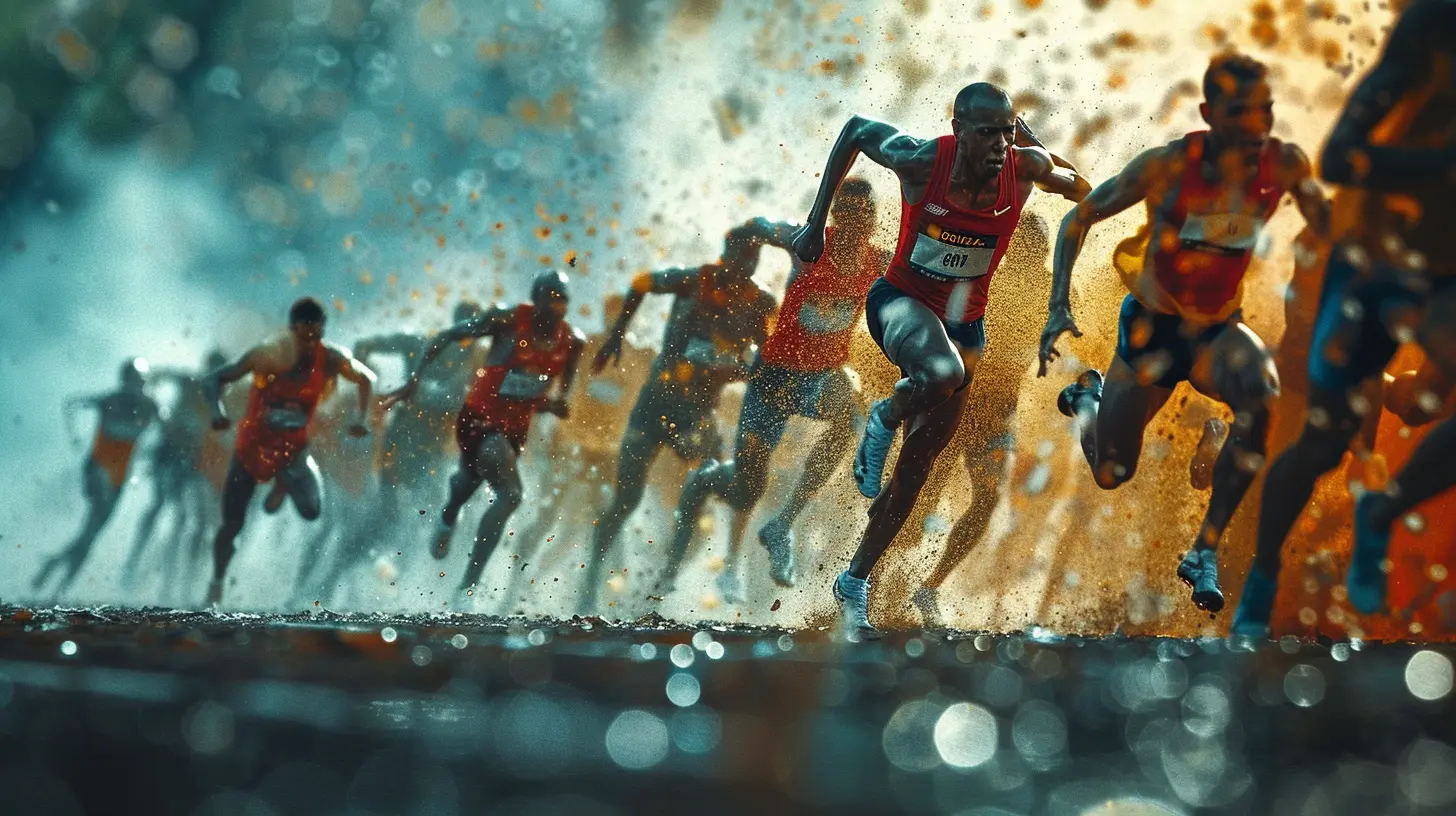
What Is National Pride, Really?
National pride is that warm, fuzzy, goosebump-inducing feeling you get when your country does something amazing — whether it's a groundbreaking scientific discovery, a cultural event, or, yep, taking home Olympic gold.Now, this pride isn't just a casual pat on the back. It's emotional, it's powerful, and during sporting events like the Olympics, it's contagious. It’s like when one person starts clapping in a stadium and suddenly 80,000 people are on their feet. National pride can rally entire nations around a single athlete, event, or moment.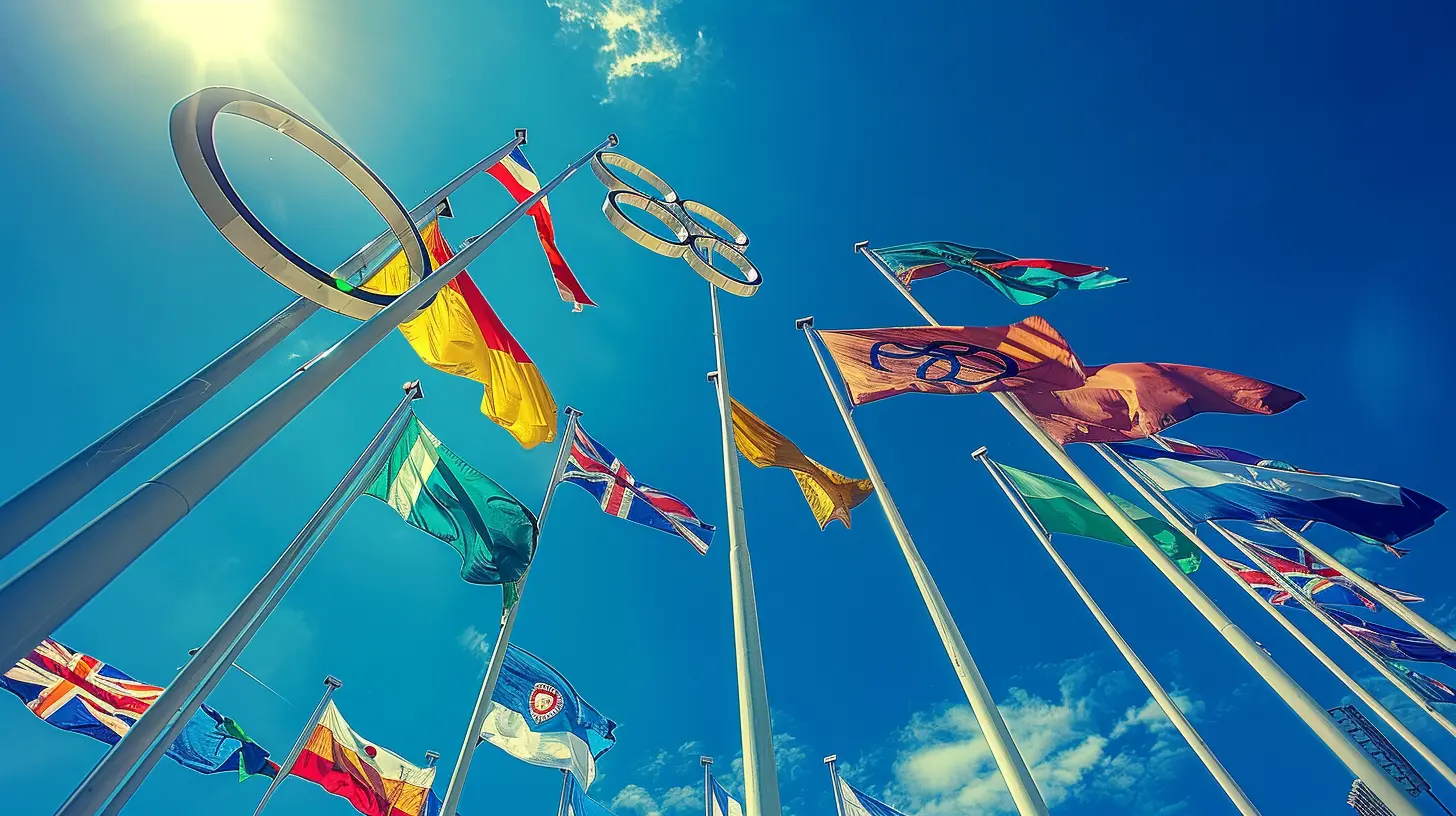
Olympic Games: More Than Just Sports
Sure, the Olympics are about athletic competition, but they’re also a massive global stage for telling stories. Each athlete represents more than just their personal dreams—they carry the hopes and expectations of their entire nation. That’s a lot of pressure, right?But it’s also incredibly inspiring. Think about Usain Bolt lightning-striking his way down the track for Jamaica. Or Simone Biles flipping gravity the bird for the United States. These moments become symbols of national excellence. The world watches, and every jump, sprint, or lift transforms into a statement: "This is what our country can do."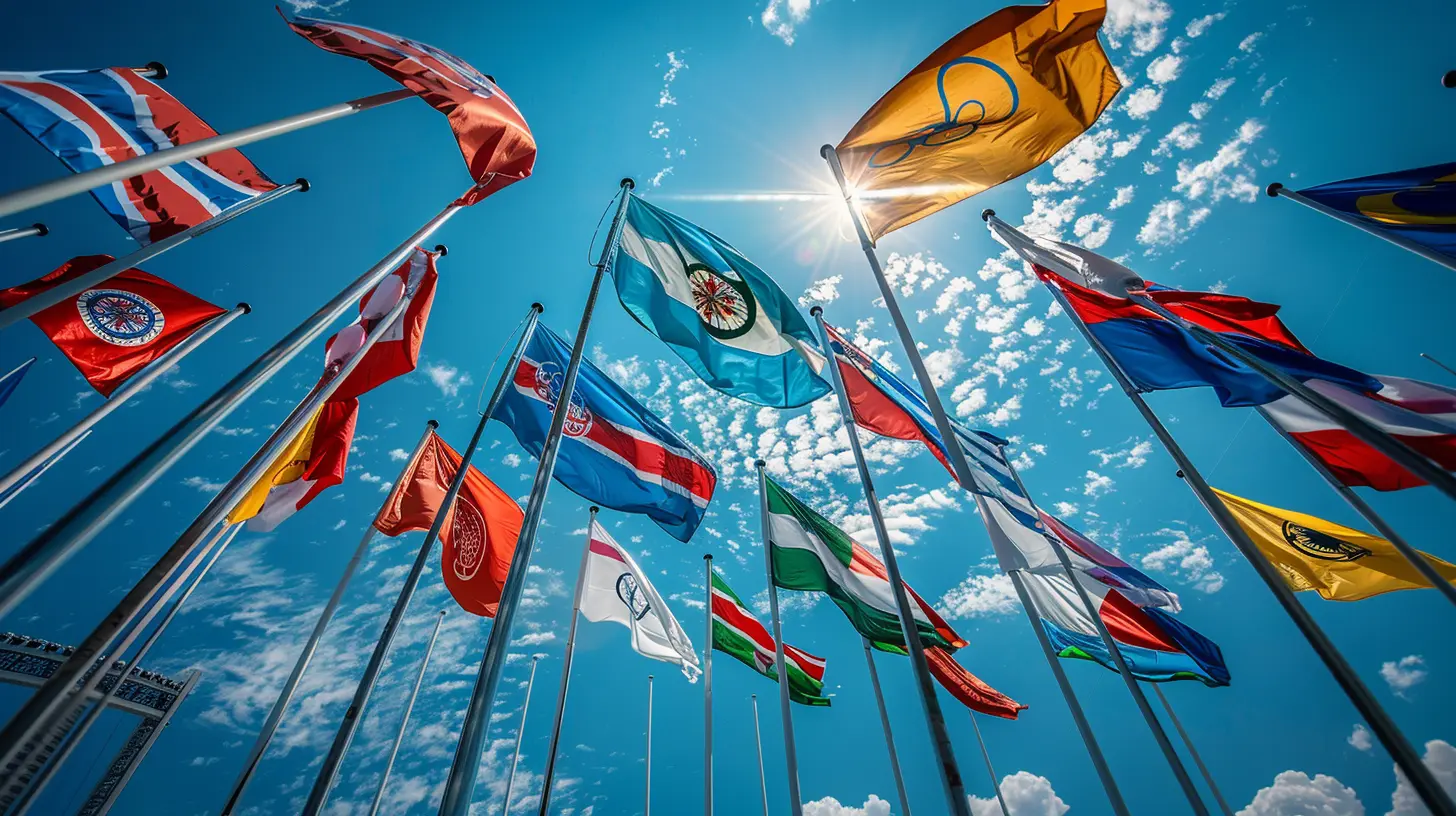
How National Pride Fuels Athletes
Let’s talk heart. Olympic-level athletes train like machines—early mornings, strict diets, relentless discipline. But at the core of that drive is often something deeply emotional: representing their country.Being selected for an Olympic team is like being knighted in the world of sports. Athletes don’t just want to win; they want to make their country proud. They want to hear their national anthem played on the podium, to wave their country’s flag high and wide. That kind of motivation can push performance into the stratosphere. It’s the difference between good and legendary.
Imagine training your whole life, then standing at the starting line while your flag waves in the wind behind you. That’s fuel you can’t measure in calories or reps.
The Crowd's Influence: Cheering for the Homeland
Crowds bring the noise. And during the Olympics, the home crowd's energy can be electric. Remember the 2012 London Olympics? British athletes seemed to come alive in front of their roaring fans. That’s not a coincidence.Studies show that athletes perform better in familiar environments, especially when supported by an enthusiastic crowd. The adrenaline rush from hearing your name chanted, your flag waved, and your people screaming your name? That’s like rocket fuel.
Even viewers sitting at home thousands of miles away feel connected. It’s why people stay up all night to watch a final or paint flags on their faces at 3 a.m. Sports has the power to unite—a kind of collective magic. And in the Olympics, national pride is the wand.
When National Pride Turns Into Pressure
Let’s be real—it’s not all sunshine and victory laps. Sometimes, the pressure of national pride can be crushing. Athletes aren’t just competing for personal glory; they carry the weight of millions of people’s expectations.Take tennis star Naomi Osaka, for example. Representing Japan in the Tokyo 2020 Olympics, she faced enormous pressure not just as an athlete but as a national icon and global figure. The emotional toll can lead to burnout, mental health struggles, or underperformance.
It’s a double-edged sword. National pride can lift athletes to soar higher than ever. But it can also become a burden that’s too heavy to bear.
Gold Medals and Global Rankings: Status Symbols for Nations
Winning gold isn’t just a personal victory—it’s a nation’s bragging rights. Medal counts are tracked obsessively, and every victory feeds into a country’s image on the world stage.Think about it. When China and the U.S. go head-to-head on the medal tally board, it’s not just about sports; it’s about global presence, power, and prestige. It's like two kids on the playground arguing over who’s cooler based on how many marbles they’ve got — only bigger, and with way more cameras.
Countries with high medal counts often invest large sums in sports development. Why? Because success at the Olympics boosts morale, promotes physical fitness, and enhances a nation’s soft power. Winning is contagious—and governments know it.
Politics, Boycotts, and Behind-the-Scenes Drama
National pride at the Olympics isn’t always sunshine and sportsmanship. Sometimes, it gets political. Cold War-era boycotts, flag controversies, doping scandals—you name it, it’s happened.The 1980 Moscow Olympics? Boycotted by over 60 countries as a protest against the Soviet-Afghan War. In 1984, the Soviet Union returned the favor by skipping the L.A. Games. The athletes involved were caught in the crossfire of political chest-beating.
Even today, national pride can blur the lines between sports and politics. Flags, uniforms, and even gestures can become loaded symbols. When athletes kneel, protest, or speak out, they’re not just individuals—they’re seen as representing their nation. It's complex. And sometimes messy.
National Pride Beyond the Medal Count
Let’s not forget—national pride doesn’t always come from gold. Sometimes, it’s about the journey. The underdog stories. The moments that make you cry into your popcorn.Like when a small island nation wins its first Olympic medal. Or when refugee teams compete without a flag but with more heart than anyone out there. These stories spark pride not just for one country but for humanity. They remind us that the Olympics aren’t just about winning—they’re about showing up, trying hard, and pushing the limits.
And honestly? That’s what makes the Olympics magical.
How Media Fuels the Fire of Patriotism
Television networks, social media, newspapers — they know a thing or two about stoking national pride. From dramatic background music to montages of athletes tearfully hugging their families, the media knows exactly how to push emotional buttons.Commentators often frame performances through a patriotic lens. They're not just telling you that someone ran fast — they're reminding you that your country just earned a spot in the finals. Suddenly, you're emotionally invested in kayaking when you didn't even know it was an Olympic sport. That's the power of media.
And don’t even get us started on viral moments. One inspiring clip can rally a nation — or the whole world.
National Pride Post-Games: Legacy and Impact
Once the flames are extinguished and the closing ceremonies are over, the impact of national pride doesn’t just fade away. It sticks. It echoes in sports programs, school games, and everyday conversations.Countries often see a boom in interest for sports where they've excelled. Kids who watched their country's cyclist win a gold medal start dreaming about biking glory. That pride sparks inspiration. It sows the seeds for future athletes.
Governments and organizations also ride the wave — increasing investments in sports infrastructure, launching training programs, and pushing youth participation. National pride becomes a long-term motivator for better health, unity, and ambition.
Final Thoughts: A Universal Flame
At the end of the day, national pride in Olympic competitions isn’t just about flags, anthems, or glittering medals. It’s about connection. It's about feeling like you're part of something bigger — whether you're standing on a podium or watching from your living room.It’s raw, it’s real, and it reminds us just how powerful the human spirit can be when it’s fueled by something bigger than self. That’s the magic of the Olympics. And that's the heartbeat of national pride.
So next time you’re cheering for your country at 2 a.m. during a fencing final you don’t completely understand, just know: you’re part of something powerful.
all images in this post were generated using AI tools
Category:
OlympicsAuthor:

Onyx Frye
Discussion
rate this article
2 comments
Priscilla Matthews
National pride fuels our athletes, inspiring unity and greatness!
February 27, 2026 at 2:03 PM
Onyx Frye
Thank you! National pride does indeed serve as a powerful motivator, fostering a sense of unity and inspiring athletes to achieve their best on the world stage.
Zephyrine Kelly
National pride at the Olympics: where countries compete to see who can yell the loudest while wearing spandex!" 🏅😂
February 13, 2026 at 4:17 AM
Onyx Frye
Great point! While the outfits may vary, the passion and pride behind them truly amplify the spirit of competition. 🏅🎉