The Rise of Womens Professional Sports: A Game-Changer for the Industry
31 January 2026
When you think of professional sports, what pops into your head? Maybe the NFL, NBA, or even Major League Baseball. For decades, men’s professional sports have dominated the headlines. But something is changing, and it’s happening fast. Women’s professional sports are rising like a tidal wave, and it’s shaking up the entire industry. From broadcast deals to fan engagement, women’s sports are no longer just a footnote—they’re front and center. So, how did we get here, and what does it mean for the future of sports? Let’s dive into the journey and impact of women's professional sports, which are truly changing the game.
A Slow Start But a Strong Foundation
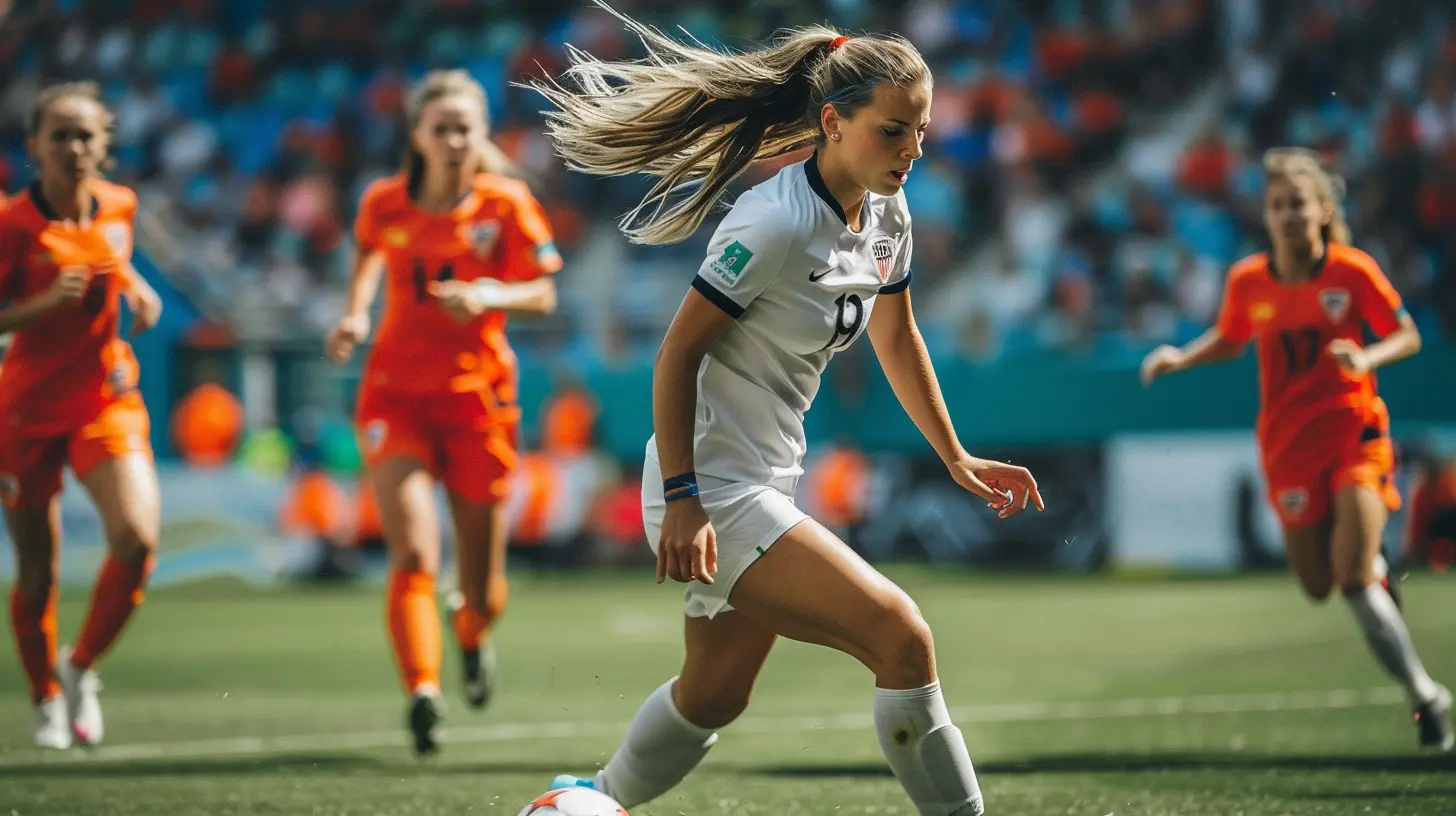
Women in sports is not a new phenomenon, but professional leagues took a while to catch up. Women have been competing in athletics for centuries, but the opportunities for professional careers were historically slim. Remember when Billie Jean King took on Bobby Riggs in the famous "Battle of the Sexes" tennis match in 1973? That was a pivotal moment for women’s sports, but it was still more of a statement than a shift in the professional landscape.Fast forward to today, and we’ve come a long way. We have leagues like the WNBA (Women’s National Basketball Association), NWSL (National Women’s Soccer League), and even women’s professional hockey leagues like the PWHPA (Professional Women’s Hockey Players Association). These leagues, while still growing, have established strong foundations that are now being built upon. They’re no longer just “alternatives” to men’s sports but entities in their own right.
The Role of Title IX
It’s hard to talk about the rise of women’s professional sports without mentioning Title IX. Enacted in 1972, Title IX was a game changer, mandating gender equality in any educational programs receiving federal funding—including sports. This law paved the way for generations of female athletes to receive scholarships, better facilities, and more opportunities to compete at high levels.While Title IX primarily impacts amateur sports, its ripple effect has been profound. The increased visibility and participation of women in college sports have naturally helped feed talent into professional leagues. Without Title IX, many of today’s female athletes might never have had the opportunity to showcase their talents on such a large stage.
The Power of Representation
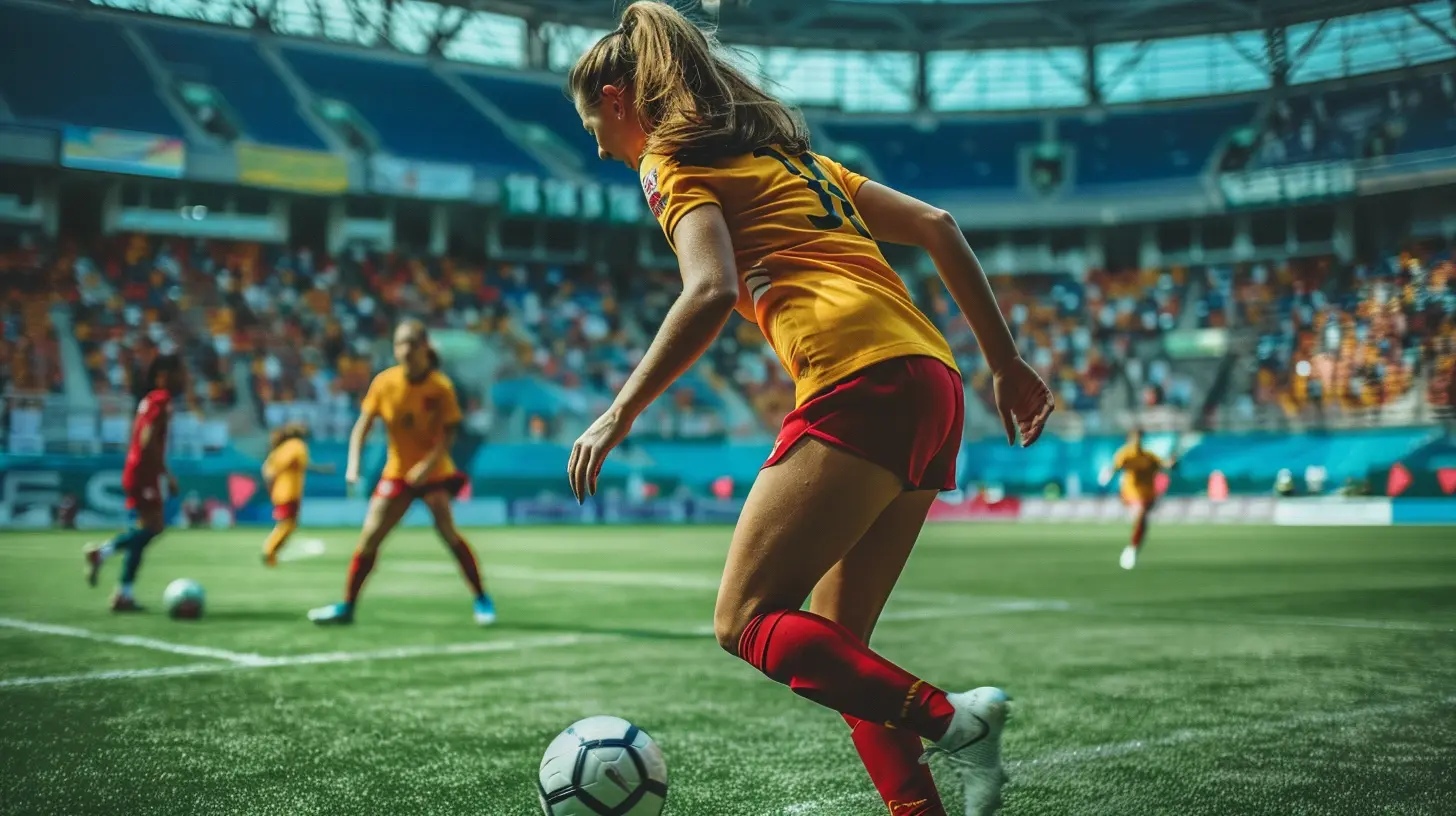
One of the biggest reasons for the rise of women’s professional sports is the growing emphasis on representation. Let’s face it—seeing someone who looks like you, who you can relate to, makes all the difference. For years, young girls had few role models in the sports world. Sure, there were a few iconic figures, but they were often outnumbered by their male counterparts.Now, more than ever, we have female athletes who are household names. Serena Williams, Megan Rapinoe, Simone Biles—these athletes are not just great in their respective sports; they are cultural icons. They’ve transcended sports to become symbols of empowerment, challenging outdated gender norms and pushing for equality both on and off the field.
When girls see women excelling in sports, it plants a seed of possibility. It becomes more than just a dream; it becomes something they can actually pursue. This shift in representation has been monumental in driving the popularity of women’s sports.

Breaking Financial Barriers
Let’s talk about money. Historically, one of the biggest barriers for women in professional sports has been financial. Pay disparity between male and female athletes has been a hot topic for years. For example, the U.S. women’s soccer team’s fight for equal pay made headlines across the globe. Even though they were more successful than the men’s team, they were being paid significantly less. How does that make sense?The good news is that things are changing. While we’re not quite there yet, there’s progress. More sponsorship deals, better broadcast packages, and an increase in fan engagement have helped to close the gap—at least to some degree. Brands are realizing that women’s sports offer a huge untapped market, and they’re starting to invest more heavily. Companies like Nike, Adidas, and Gatorade are partnering with female athletes, and it’s paying off—literally.
The Importance of Media Coverage
A major factor in how sports make money is visibility. If no one is watching, then advertisers won’t pay, and fans won’t show up. For years, women’s sports struggled with limited media coverage. Even when female athletes were competing at the highest levels, their accomplishments were often ignored or relegated to the back pages of newspapers.That’s changing, too. With the growth of streaming platforms and social media, women’s sports are getting more airtime. This increased exposure is helping to drive fan engagement and, in turn, revenue. Networks like ESPN and CBS have started to include more women’s sports in their programming, and the numbers speak for themselves. Viewership is climbing, and advertisers are taking notice.
Fan Engagement: A New Frontier
Speaking of fans, the rise of women’s professional sports has also been fueled by a passionate and growing fan base. And here's the key: these fans are not just women. Men, women, and children are all tuning in, going to games, and supporting female athletes. In fact, some of the most loyal fan bases in sports today belong to women’s teams.Take the NWSL as an example. The league has seen a dramatic increase in attendance in recent years, with fans packing stadiums to support their favorite teams. The energy at these games rivals that of any top-tier men’s sporting event. And with social media, fan engagement has reached new heights. Athletes are connecting directly with their followers, building personal brands, and fostering a sense of community that extends beyond the field or court.
Social Media: A Game-Changer for Female Athletes
Social media has been a huge asset in the rise of women’s professional sports. Female athletes have used platforms like Instagram, Twitter, and TikTok to build their brands, engage with fans, and even call out inequalities in the industry. Unlike traditional media, social media allows athletes to control their narrative. They can share their stories, highlight their achievements, and, most importantly, connect directly with their audience.For instance, when the U.S. women’s soccer team was fighting for equal pay, social media played a significant role in mobilizing public support. Fans were able to directly engage with the athletes and help amplify their message. This kind of direct fan-athlete interaction is something that wasn’t possible in the past and has been crucial in promoting women’s sports.
The Future: What’s Next for Women’s Professional Sports?
So, what does the future hold for women’s professional sports? If current trends are any indication, the future looks bright. Women's sports are no longer seen as a secondary option—they're becoming a primary choice for fans, sponsors, and broadcasters alike. But that doesn’t mean the work is done. There’s still a long way to go in terms of pay equity, media coverage, and overall recognition. However, the momentum is undeniable.With more investment, increased visibility, and a growing fan base, women’s sports are poised to continue their upward trajectory. The next decade could see even more professional leagues forming, more sponsorship deals being signed, and more female athletes becoming household names.
The Role of Young Athletes
One of the most exciting aspects of the rise of women’s professional sports is the impact it’s having on young athletes. Girls growing up today have far more opportunities to pursue sports at a high level than ever before. They have role models to look up to, leagues to aspire to, and a path to follow. This new generation of athletes will undoubtedly push the boundaries even further. Who knows? The next Serena Williams or Megan Rapinoe could be out there right now, practicing on a local court or field, ready to take the world by storm.
Conclusion: A New Era in Sports
The rise of women’s professional sports is not just a trend—it’s a movement. And it’s here to stay. From the athletes breaking barriers to the fans driving engagement, everyone is playing a role in pushing women’s sports to new heights. While challenges remain, the progress made so far is nothing short of remarkable. Women’s sports are no longer in the shadows; they’re in the spotlight, and they’re shining brighter than ever.The future of sports is inclusive, diverse, and, most importantly, exciting. So, if you haven’t already, now is the time to start paying attention. Women’s professional sports are changing the game, and you don’t want to miss it.
all images in this post were generated using AI tools
Category:
Professional SportsAuthor:

Onyx Frye
Discussion
rate this article
2 comments
Anastasia Alexander
Women’s sports: unstoppable force, embrace it!
February 21, 2026 at 6:04 AM
Onyx Frye
Absolutely! Women’s sports are transforming the industry and deserve our full support and appreciation.
Hannah McQuaid
The surge in women's professional sports is transforming the industry, driving inclusivity, viewership, and inspiring future generations of athletes.
January 31, 2026 at 3:38 AM
Onyx Frye
Thank you for your insightful comment! Indeed, the rise of women's professional sports is pivotal in reshaping the industry and fostering a more inclusive future for all athletes.