The Rise of Player Empowerment
4 November 2026
In recent years, the landscape of professional sports has undergone a significant transformation, largely driven by the rise of player empowerment. Athletes are increasingly taking control of their careers, leveraging their influence to shape their destinies both on and off the field. This article dives into the nuances of player empowerment, its implications, and how it is redefining the relationship between players, teams, and fans.

Understanding Player Empowerment
Player empowerment refers to the shift in power dynamics within professional sports. Traditionally, teams, coaches, and managers held the bulk of decision-making authority, often sidelining the voices of players. However, with the advent of social media, increased access to information, and a growing awareness of athletes' rights, players are now more vocal about their needs and aspirations.Historical Context
To appreciate the rise of player empowerment, it's essential to understand its historical context. In the past, athletes had limited avenues for expressing dissatisfaction or negotiating terms. The labor movement in sports, which gained momentum in the mid-20th century, was a critical turning point. Players began to unionize, gaining rights that paved the way for the modern athlete's voice.For instance, the formation of the National Football League Players Association (NFLPA) in 1956 marked a significant step toward collective bargaining. This led to better contracts, improved working conditions, and a framework for addressing grievances. As these movements progressed, players started to realize their potential to influence not just their careers but also the broader landscape of their respective sports.

The Role of Social Media
Social media has played a pivotal role in the rise of player empowerment. Platforms like Twitter, Instagram, and TikTok allow athletes to connect directly with fans, share their stories, and express their opinions. This direct line of communication reduces the reliance on traditional media outlets, giving players greater control over their narratives.Case Study: LeBron James
LeBron James is a prime example of an athlete who has effectively used social media to amplify his voice. His decision to leave the Cleveland Cavaliers for the Miami Heat in 2010 was famously announced during a televised special, "The Decision." While controversial, it showcased James' willingness to take control of his career trajectory. Since then, he has utilized platforms to advocate for social justice, share personal insights, and engage with fans, further solidifying his position as a leader in the sports community.The Double-Edged Sword of Connection
While social media empowers players, it also comes with risks. Athletes can face backlash for their opinions, which can impact their public image and, by extension, their marketability. Decisions made in the heat of the moment can lead to misunderstandings or negative consequences. Thus, players must navigate this landscape carefully, weighing the benefits of direct engagement against the potential pitfalls of public scrutiny.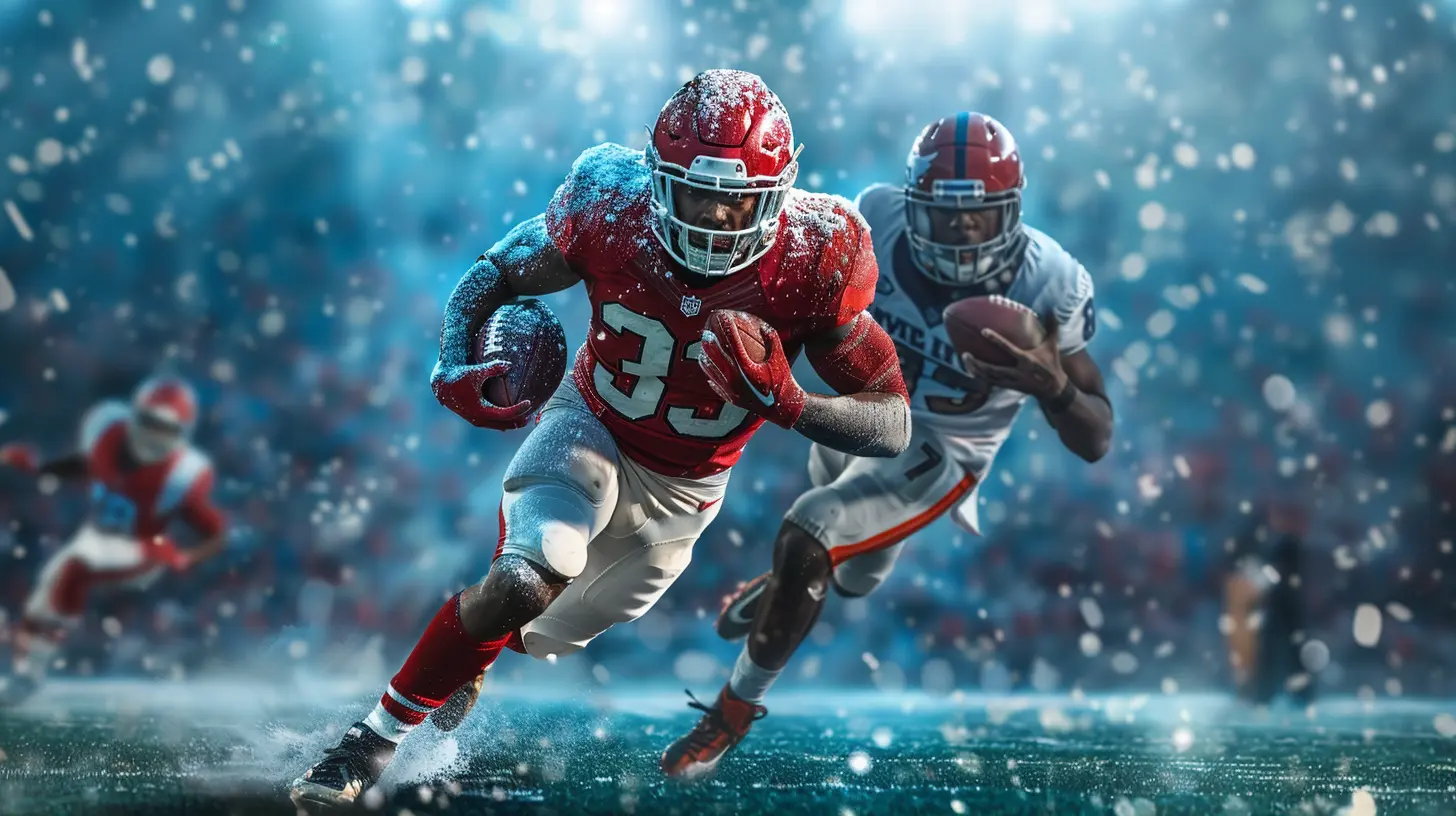
The Impact on Team Dynamics
As players assert their rights and influence, the dynamics within teams are also changing. Traditionally, coaches and management held the authority to make decisions regarding player trades, signings, and game strategies. However, empowered players are increasingly participating in these discussions.Collaborative Decision-Making
Teams that foster a culture of collaboration are reaping the benefits of player empowerment. By involving athletes in decisions, organizations not only boost morale but also enhance team cohesion. When players feel valued and heard, they are more likely to perform at their best.Example: The Golden State Warriors
The Golden State Warriors exemplify this approach. Under coach Steve Kerr, the organization has made it a priority to include players in discussions about game strategies and team culture. This collaborative environment has contributed to their success, culminating in multiple championships. The players' input has led to innovative tactics and a shared commitment to the team's goals.The Challenge of Divided Loyalties
Conversely, increased player empowerment can also lead to divided loyalties. When players have significant influence, it can create tension between the coaching staff and management. A player's desire for a particular strategy or roster change may clash with the organization's vision, leading to conflicts that can disrupt team harmony.
The Player as Brand
The rise of player empowerment has transformed athletes into brands. With the ability to cultivate personal brands through social media and endorsement deals, players now recognize the value of their image and influence.Branding Strategies
Athletes are employing various strategies to maximize their personal brands. These include:- Engaging Content Creation: Players are sharing behind-the-scenes content, training routines, and personal stories that resonate with fans, creating a deeper connection.
- Diverse Revenue Streams: Beyond traditional endorsements, many athletes are venturing into business, launching their own brands, or investing in startups. For instance, athletes like Serena Williams and Kevin Durant have successfully launched ventures that extend their influence beyond sports.
- Activism and Advocacy: Many players are using their platforms to advocate for social issues. This not only aligns with their personal values but also resonates with fans, enhancing their brand image.
The Risk of Overexposure
While building a personal brand can lead to lucrative opportunities, athletes must be cautious of overexposure. Constant engagement can lead to public fatigue, where fans may become disenchanted with an athlete who seems more focused on branding than performance. Balancing personal branding with performance is crucial for sustained success.The New Contract Negotiation Landscape
Player empowerment has also reshaped contract negotiations. As athletes gain leverage, they are more equipped to negotiate terms that reflect their value to the team and their marketability.Strategies for Negotiation
- Understanding Market Value: Players must be aware of their worth in the current market. This requires research and a solid understanding of comparable contracts in their sport.- Utilizing Agents Effectively: Skilled agents can play a pivotal role in negotiations, leveraging relationships and knowledge to secure favorable terms for their clients.
- Timing the Market: Timing can be crucial in contract negotiations. Players should consider the team's financial situation, recent performance, and league trends to determine the best moment to negotiate or demand a trade.
Potential Pitfalls
While empowered players have greater negotiation power, they must also be wary of the potential consequences. Demanding trades or contracts that reflect high expectations can lead to backlash from fans and management. a misstep in negotiation can result in missed opportunities or strained relationships within the organization.
The Fan Perspective
With the rise of player empowerment, fans are also experiencing a shift in their relationship with athletes. Many fans appreciate the authenticity and openness that comes with empowered players, but others may feel a disconnect when athletes prioritize personal branding or social issues.Navigating Fan Expectations
Players must balance their personal beliefs and brand identity with fan expectations. Engaging with fans through social media and community involvement can foster goodwill. However, players should also be prepared for criticism when their views do not align with those of their fanbase.The Importance of Authenticity
In this new landscape, authenticity is key. Fans can often sense when an athlete is being disingenuous. Players who remain true to themselves while engaging with their audience are more likely to build lasting connections.Conclusion: The Future of Player Empowerment
The rise of player empowerment is a significant evolution in professional sports. As athletes take control of their narratives and careers, they are reshaping the dynamics of teams, fan relationships, and business opportunities. While there are challenges associated with this empowerment, the potential benefits are substantial.Athletes who leverage their influence responsibly can create positive change, both within their teams and in broader societal contexts. As this trend continues to evolve, it will be fascinating to see how player empowerment reshapes the future of sports.
all images in this post were generated using AI tools
Category:
Professional AthletesAuthor:

Onyx Frye

