The Rise of Paralympics: Celebrating Athletic Diversity
12 April 2026
In a world that's constantly evolving, so is our understanding of what it means to be an athlete. Gone are the days when sports were seen as an exclusive domain for able-bodied individuals. The Paralympics have shattered that outdated perspective and given the world a whole new way to value strength, determination, and excellence. So what’s behind the meteoric rise of the Paralympic Games? Let’s take a deep dive into this inspiring movement that’s changing sports—and lives—forever.
A Brief Look Back: Where It All Began
Before we get into the action-packed present of the Paralympics, it makes sense to peek into the past. The roots of the Paralympic Games trace back to 1948, when Dr. Ludwig Guttmann organized a sports competition for British World War II veterans with spinal injuries. This modest event, held in Stoke Mandeville, England, coincided with the Olympic Games in London. Fast forward to 1960, and the first official Paralympic Games took place in Rome—with 400 athletes from 23 countries.Crazy to think that what started on a small hospital lawn has turned into one of the largest global sporting events, right?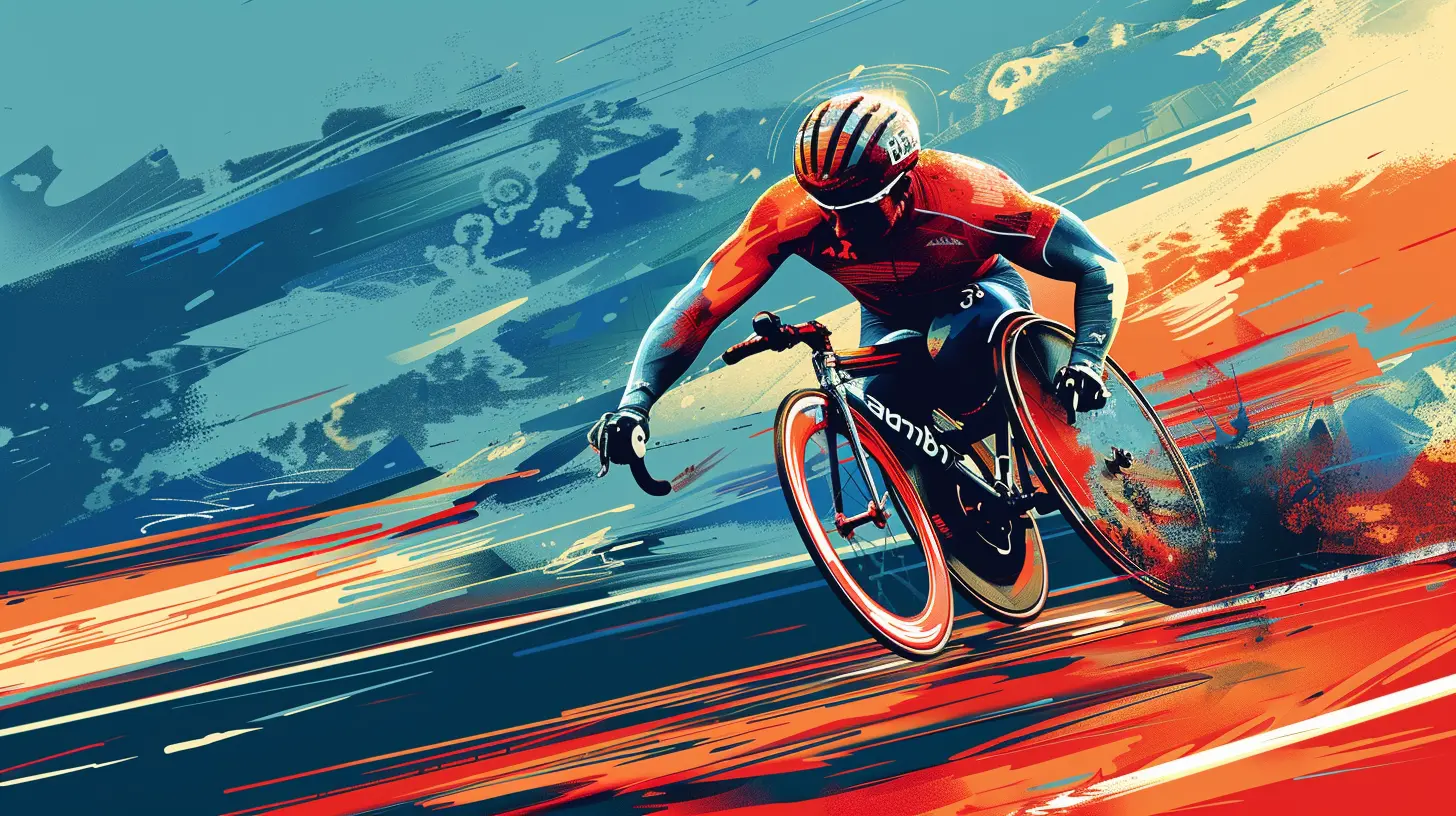
Progress Over the Years: Not Just About Medals
Let’s be honest—while winning medals and breaking records is impressive, the Paralympics stand for something way bigger. They represent inclusion, resilience, and, above all, the power of the human spirit. Over the years, we've witnessed athletes using prosthetics, wheelchairs, and advanced equipment not just to compete—but to redefine what it means to be elite.Seriously, when you watch someone like Tatyana McFadden tear down the track in a racing wheelchair or see the precision of para-archers nailing targets, you can't help but feel completely amazed.
The Global Stage: Going from Niche to Mainstream
There was a time when the Paralympics barely made the news. But now? They’re broadcast live in dozens of countries, attract millions of viewers, and even trend on social media platforms. The 2020 Tokyo Paralympics, for example, saw record-breaking engagement due to livestreaming and digital content.Let's face it—representation matters. And more eyes on these phenomenal athletes mean more awareness, support, and funding. The Paralympics is not just growing; it’s thriving.
Breaking Stereotypes: Because Disability Is Not Inability
Here’s the thing—people used to think athletes with disabilities were somehow limited in their capabilities. Boy, were they wrong. The Paralympics break down this stereotype like a sprinter breaking through a finish line ribbon.These athletes don’t want pity; they want a platform. They don’t just want to participate—they want to dominate. And guess what? Many of them do. Whether it’s swimming, wheelchair basketball, or para powerlifting, Paralympians constantly push the boundaries of what was once thought physically impossible.
Game-Changing Technology: Leveling the Playing Field
Let’s talk gear, because it’s not just about grit—it’s also about innovation. Have you ever seen a blade runner sprinting at lightning speed? That’s thanks to carbon-fiber prosthetics that are shaped and engineered for performance. Then there’s adaptive rowing equipment, high-tech sport wheelchairs, and advanced communication devices for athletes with visual or hearing impairments.Technology is doing some heavy lifting here, quite literally. It’s turning the "can’t" into "can", and helping athletes compete with precision and flair.
Classification System: Ensuring Fair Play
Now, you might be wondering—how do we make competitions fair when athletes have different kinds of disabilities? Great question. That’s where the Paralympic classification system comes into play. It groups athletes based on how their impairment impacts their ability to perform a sport.Sure, it’s complex, but it ensures that the playing field is as even as possible. Think of it like weight classes in boxing—nobody wants to see a featherweight fighting a heavyweight. In the same way, balanced competition leads to better performances and a more exciting viewer experience.
Paralympic Superstars: Names You Should Know
Let’s highlight a few athletes who are changing the game:- Tatyana McFadden – A 17-time Paralympic medalist in track and field. Born with spina bifida, she’s not just fast—she’s unstoppable.
- Beatrice Hess – A French swimmer with cerebral palsy, she bagged 20 Paralympic gold medals.
- Jonnie Peacock – This British sprinter lost his leg to meningitis but still managed to win gold in the 100m at the London 2012 Paralympics.
- Marieke Vervoort – The late Belgian wheelchair racer who inspired the world not just with her athleticism but her courage in dealing with degenerative illness.
These aren't just athletes—they're heroes in motion.
The Inclusion Effect: Changing Society One Game at a Time
Sports have a funny way of opening people’s minds, don’t they? When you cheer for an athlete who’s defying odds, you're also reprogramming how you think about disability.The Paralympics aren’t just creating new sports celebs—they’re fostering a culture of inclusion. Cities that host the Games often improve infrastructure, accessibility, and public policies. That's a win-win for everyone.
Challenges Still Exist: Let’s Keep It Real
As amazing as the progress has been, it's not all sunshine and gold medals. Paralympic athletes still face:- Less media coverage compared to the Olympics
- Funding constraints
- Limited sponsorship deals
- Inconsistent access to quality training facilities
Fixing these issues isn't just about being fair—it's about recognizing talent and giving athletes the tools they need to shine.
Social Media’s Role: A Modern Megaphone
One massive game-changer? Social media. It’s given Paralympic athletes direct access to fans, sponsors, and advocates. Platforms like Instagram and Twitter have helped humanize these athletes, showing not just the glory but the grind—the training, the injuries, the everyday moments.You don't need a fancy sponsorship deal to become a fan favorite anymore. You just need a smartphone and a story worth telling. And trust me, Paralympians have got more than a few.
Why The Rise of Paralympics Matters (And Why You Should Care)
Still not convinced this movement matters? Let’s keep it real:- It promotes equality.
- It smashes outdated notions of capability.
- It motivates people of all ages and backgrounds.
- It inspires the next generation of athletes—disabled or not.
- It’s just awesome to watch.
At the end of the day, sports are supposed to bring people together. And what better way to unite than by celebrating pure, unfiltered human potential?
What’s Next For The Paralympic Movement?
The future? Bright. There’s growing interest from sponsors, better media coverage, and increasing participation worldwide. New sports are being added, and more countries are investing in their Paralympic programs.The 2024 Paris Paralympics is expected to be the most inclusive yet, with new policies focused on gender parity and increased support for athletes. The momentum is real, and it’s picking up speed.
Conclusion: More Than Just Games
The rise of the Paralympics isn’t just about the amazing performances or the shiny medals—it’s a shift in how we understand ability, competition, and humanity itself. When we watch Paralympians conquer the track, field, pool, or court, we're reminded that greatness doesn’t come from being “perfect”—it comes from pushing boundaries.So next time someone talks about the biggest sporting events in the world, don’t just think Super Bowl or the Olympic Games. Think about the Paralympics—the heart, the hustle, and the heroes.
all images in this post were generated using AI tools
Category:
OlympicsAuthor:

Onyx Frye
Discussion
rate this article
2 comments
Ainsley McClary
Love seeing the spotlight on Paralympic athletes! Who needs "normal" when you can have world records thrown with one arm or sprinting on blades? This is peak human performance, just with cooler gear. More medals, more diversity, more epic moments. Let’s go! 🏅♿️
April 30, 2026 at 11:57 AM
Onyx Frye
Absolutely! It's inspiring to see such incredible talent and determination. These athletes redefine what is possible and deserve all the recognition. Let's keep cheering them on!
Virginia Duke
Inspiring article celebrating athletes' incredible achievements!
April 15, 2026 at 2:29 AM
Onyx Frye
Thank you! I'm glad you found the article inspiring. Celebrating athletic diversity is so important!