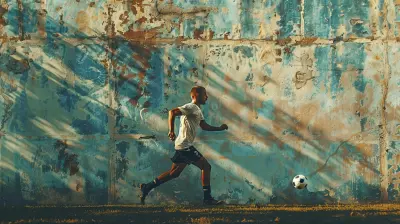
The Rise of Football in Non-Traditional Markets
4 May 2026
Football—yes, the beautiful game—is no longer just Europe’s backyard sport or South America's passion-fueled pastime. It’s expanding, growing like wildflowers in unexpected places. From bustling cities in India to desert stadiums in the Middle East, from East Asia's tech-driven hubs to the soccer fields of the United States, football is making serious moves in markets we never really associated with the sport before.
So, what’s causing this shift? Why are nations that once gave little thought to football now investing billions in the sport? Grab your favorite team’s jersey, sit back, and let’s kick off this deep dive into the rise of football in non-traditional markets.
What Are "Non-Traditional" Football Markets Anyway?
Before we really get going, let's clear the air. When we say "non-traditional markets," we’re talking about countries or regions where football hasn’t historically been the dominant sport. Places where cricket, basketball, or even baseball ruled the roost. Think the U.S., China, India, Gulf states like Qatar and the UAE, Southeast Asia, and even Australia to an extent.In short, these are spots where football was once just a flicker, but is now becoming a blazing fire.
Why the Sudden Surge in Interest?
Ever noticed how trends spread like wildfire these days? Football’s global rise is a prime example. You've got youth seeing Ronaldo on TikTok, Messi lighting up Instagram, and world-class clubs popping up in their Netflix recommendations. The sport is literally everywhere—and it’s infectious.Here’s why these new markets are jumping on the football bandwagon:
1. Media Exposure and Digital Access
Thanks to streaming platforms, social media, and 24/7 sports coverage, football content is no longer limited to local TV. Kids in Jakarta can now watch the Premier League live, and fans in Dallas can catch La Liga matches on their phones. The world is plugged in, and football comes with it.2. Marketing and Branding by Big Clubs
Big-name clubs like Manchester United, Real Madrid, and PSG aren’t just clubs anymore—they’re global brands. They’re savvy. They tour Asia and the U.S., launch international academies, and sell merchandise like they’re Apple or Nike. That kind of presence creates an emotional connection with fans from all over the globe.3. Government Support and Investment
Countries like Qatar and Saudi Arabia aren’t just throwing money at football—they’re rewriting the playbook. Hosting mega events (Qatar 2022, anyone?) and investing in local leagues show they mean business. It's not just about sport; it's about soft power, national identity, and economic diversification.4. Youth Population and Urban Growth
New markets often have one thing in common: massive youth populations. Young people are hungry for global culture, sports, and entertainment. And football fits the bill perfectly. It’s fast, exciting, and cool—what’s not to love?
Let’s Talk Numbers: Stats Don’t Lie
Still not convinced? Let’s roll out some eye-openers:- The Indian Super League (ISL) sees average TV viewership in the millions.
- The MLS in the United States now includes global stars like Lionel Messi and continues to expand with new franchises.
- China has poured billions into football development, despite recent setbacks.
- Middle Eastern clubs are luring top European talent with jaw-dropping salaries.
These aren’t just vanity projects—they’re full-blown football revolutions.
Region-by-Region Breakdown: Who’s Making Waves?
? United States: From “Soccer” to Serious Contender
Time was, Americans didn’t take “soccer” seriously. But today, the landscape has changed. The MLS is thriving, women’s football is dominant, and international tournaments like Copa América 2024 and the 2026 FIFA World Cup (co-hosted by the U.S.) are drawing massive attention.What changed? A renewed focus on youth development, big-name signings like Messi, and a more diverse population that already loves the sport. The U.S. isn’t just catching up—they’re kicking down the door.
?? India: A Sleeping Giant Waking Up
Cricket may still reign supreme, but football is making steady ground in India. The Indian Super League is young but ambitious. Clubs are forming youth academies. Passionate fanbases are emerging in cities like Kolkata, Goa, and Kerala.And let’s not ignore the potential: with over 1.4 billion people, even a small percentage becoming fans can make India a football powerhouse.
?? China: High Hopes, Real Challenges
A few years ago, China shocked the world with its aggressive football strategy. They bought elite players, built world-class facilities, and even declared football a national priority. But real progress has been slow, with governance issues and financial problems kicking the ball into the stands.Still, the country's infrastructure and long-term vision mean they could be back in the game sooner rather than later.
?? Middle East: Football Meets Ambition
Saudi Arabia, Qatar, and the UAE are playing the long game. Hosting tournaments, investing in clubs, building futuristic stadiums—it’s all part of the region’s Vision 2030 plans. And with players like Cristiano Ronaldo turning up in the Saudi Pro League, their leagues are gaining global traction.Plus, fans in the region are passionate. The mix of culture, money, and ambition makes the Middle East a fascinating football frontier.
The Ripple Effects: More Than Just a Game
The rise of football in non-traditional markets isn’t just a sporting story—it’s a socio-economic movement. Here’s why it matters far beyond the pitch:? Youth Development & Grassroots Programs
As governments and private entities invest in football, the real winners are young players. Training academies, coaching certifications, and better facilities give rise to homegrown talent.Think of it like planting seeds—today’s grassroots programs are tomorrow’s golden generations.
? Economic Boost
Football creates jobs, builds infrastructure, boosts tourism, and puts countries on the global map. Hosting a World Cup is like getting an economic booster shot.Just look at Qatar—despite controversies, the 2022 FIFA World Cup attracted record-breaking viewership and brought in billions in revenue.
? Cultural Integration
Football is a universal language. When it takes root in new places, it connects communities, bridges gaps, and fosters a shared passion.Whether you're in Tokyo, Toronto, or Tunis—when your team scores, you feel the same electric jolt as someone thousands of miles away.
Challenges on the Road Ahead
It’s not all smooth sailing. With all this growth comes a fair share of challenges:- Sustainability: Are these projects just fleeting moments of glory or long-term commitments?
- Local vs Foreign Talent: Importing stars is glamorous, but what about nurturing local players?
- Fan Culture: Authentic fanbases aren’t built overnight. It takes time, tradition, and grassroots engagement.
Still, the direction is promising. With the right strategies, these hurdles can become stepping stones.
What Does This Mean for the Traditional Giants?
Europe and South America aren’t losing their edge just yet—but they’re definitely keeping an eye on the rearview mirror. The global spreading of football means more competition, more talent pools, and more attention to smaller leagues.And honestly? That’s good for the game. The more inclusive and global football becomes, the better it is for everyone involved—from fans to players to clubs.
Final Whistle: A New Era of Football
The world is changing—and football is changing with it. No longer confined to its traditional homes, the beautiful game is going global in a big way. These new markets are not just participating—they're shaping the future of the sport.So, whether you’re watching from a rooftop in Riyadh, a pub in New York City, or a stadium in Bengaluru, know this: you’re part of a worldwide movement that’s redefining football as we know it.
The pitch isn’t just green—it’s global.
all images in this post were generated using AI tools
Category:
FootballAuthor:

Onyx Frye
Discussion
rate this article
1 comments
Kylie Romero
Exciting growth, deeper fan connections.
May 4, 2026 at 12:50 PM
Onyx Frye
Absolutely! It's great to see how football is bringing communities together in new ways.