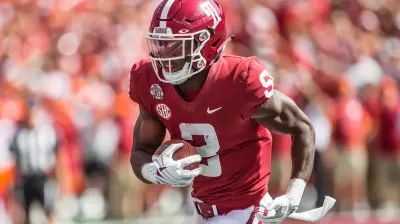
The Growing Influence of E-Sports on Traditional Professional Sports Leagues
8 August 2026
Alright, time to buckle up, folks. We've got a cultural shift happening in real-time, and it’s not something you can ignore—especially if you still think “video games are just for kids.” E-sports, once considered a niche filled with basement gamers and Mountain Dew-fueled all-nighters, has exploded into a billion-dollar industry with the swagger and staying power of the NFL, NBA, or Premier League.
Today, we're diving deep into how e-sports are not just playing in the same sandbox as traditional sports—they're flipping that sandbox upside down. The lines are blurring, athletes are crossing digital and physical lines, and franchises are opening their eyes (and wallets) to the new kid on the block.
Let’s break it down and talk about how e-sports is shaking things up!
Traditional Sports, Meet Your Digital Twin
Once upon a time, watching sports meant tuning into a Sunday football game or catching the NBA Finals. But in today’s era of Twitch streams, YouTube highlights, and high-speed internet, kids (and adults, don't even try to front) are spending more time watching gamers on a virtual battlefield than athletes on a physical playing field.What’s the deal? Well, for starters:
- Accessibility: E-sports is accessible to anyone with a console and Wi-Fi. You don’t need to be 6'8" or run a 4.3-second 40-yard dash.
- Community: E-sports fans don't just watch; they chat, meme, stream, and connect. It’s interactive AF.
- Diversity of Games: Whether you're into battle royales like Fortnite or strategic MOBAs like League of Legends, there's something your vibe fits into.
And guess what? Traditional sports leagues are taking notes—and cashing in.
When LeBron Meets League of Legends: Crossovers Are Happening
We're not even being metaphorical here. Celebrities and athletes are investing in e-sports teams like they’re tech startups. You’ve got big names like:- Shaquille O’Neal investing in NRG Esports.
- David Beckham co-founding Guild Esports.
- Michael Jordan backing aXiomatic Gaming, which owns a stake in Team Liquid.
Suddenly, owning a piece of an e-sports team is as trendy as dropping your own NFT collection.
Why? Because these big ballers see where the eyeballs—and dollars—are going. With millions tuning into online tournaments, sponsorship deals with mega brands, and ever-increasing prize pools, e-sports is less of a gamble and more of a no-brainer.
The Fan Experience: Virtual Is the New Front Row
Let’s face it—2020 changed the game for sports. Stadiums were empty, fans were stuck at home, and the entire live sports experience hit a massive speed bump.Enter e-sports, which already had the digital experience down to a science.
- Watching a live game on Twitch? Easy.
- Interacting with players via chat? Done.
- Getting behind-the-scenes streams and content 24/7? You bet.
While traditional leagues scrambled to adapt to the “no fans in the stands” thing, e-sports thrived. They didn’t need to pivot—they were already there.
And now, traditional leagues are stealing a page (or five) from the e-sports playbook.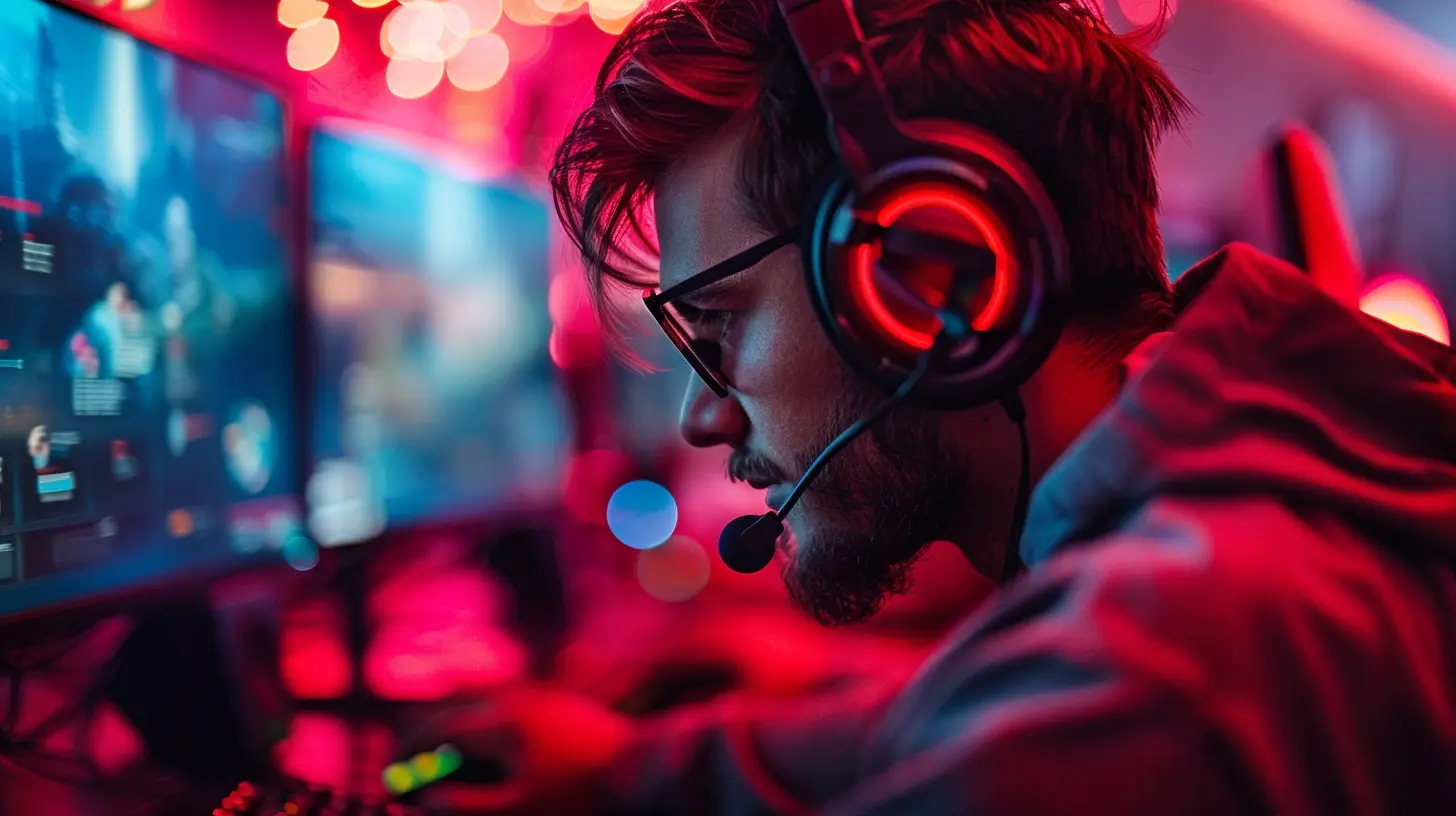
E-Sports Arenas? Yes. And They're Huge.
Thought video game competitions were still taking place in basements and dorm rooms? Think again.We’re talking sold-out stadiums and high-end arenas built specifically for competitive gaming. These places are decked out with LED screens, shoutcasters (think esports commentators, but cooler), and fans going just as wild as if they were at the Super Bowl.
Some notable spots include:
- Esports Stadium Arlington in Texas
- HyperX Esports Arena in Las Vegas
- Riot Games’ LCS Arena in LA
Traditional sports leagues are clocking this growth. They see the tech, the setup, the digital engagement—and they want in.
Pros in Pixels: Traditional Athletes Turned E-Sports Stars
It’s not just owners and investors sniffing around e-sports. Athletes themselves are suiting up (digitally, of course).You’ve got:
- Kyler Murray streaming himself playing "Call of Duty" during the NFL offseason.
- Ben Simmons talking smack in "Warzone" lobbies.
- Meyers Leonard actually signing with an e-sports team while still playing in the NBA!
Why the crossover? Well, for starters, athletes are fans too. But more importantly, e-sports gives them a platform to connect with fans in a laid-back, relatable way. No press conferences or polished statements—just a controller, a headset, and hours of real talk.
Traditional Leagues Enter E-Sports Directly
Let’s get serious for a sec. This isn’t just “involvement” anymore. We’re talking straight-up integration. Pretty much every major sports league has launched some digital twin version of their game:- NBA 2K League — A fully sanctioned league co-run by the NBA.
- FIFAe — An official e-sports platform for global FIFA tournaments.
- Madden NFL Championship Series — With real NFL branding and partnerships.
These aren’t side projects. They’re legit, televised events with huge sponsors, celeb shout-outs, and fans screaming at the top of their lungs (online, of course).
E-sports versions of traditional sports leagues are growing fast—and smartly tapping into younger demographics that may never have picked up a basketball but can 360-no-scope you on a controller.
Youth Engagement: The Ultimate Gamechanger
If there’s one area where e-sports is MVP, it’s reaching Gen Z and Gen Alpha. These kids grew up on Roblox, Fortnite, and YouTube Tutorials. To them, e-sports isn't a novelty—it’s the norm.Traditional leagues have struggled to keep young fans engaged. Attendance is down in some sports, TV ratings are shaky, and the average age of traditional sports viewers is creeping up.
But guess who's got 13-year-olds watching 6-hour tournaments? Yep. E-sports.
This is huge because it’s not just about today’s viewership. It’s about tomorrow’s fans, consumers, and athletes.
The Big Moolah: Sponsorships and Revenue Streams
Money talks, and in e-sports, it's screaming.Global e-sports revenue? We're talking billions—with a capital B. And it’s not slowing down.
Here’s where the cheddar is coming from:
- Sponsorships: Nike, Red Bull, and even Mercedes have thrown cash into e-sports.
- Streaming Deals: Twitch, YouTube Gaming, and Facebook Gaming are all dishing out big bucks.
- Franchise Fees: Just like sports teams, e-sports orgs are franchises now. Spot in the Overwatch League? That'll be $20 million, thank you very much.
Traditional leagues see this and are wondering, “Wait. You’re making how much from skins and emotes?” ?
The Future of Training and Scouting
Imagine this: Instead of scouting athletes on the field, you're scouting players on a leaderboard.Wild? Maybe.
But with advanced analytics, reaction-time tracking, and raw strategic IQ on display in e-sports, scouts and performance coaches are starting to pay attention.
Some traditional teams are even investing in mental coaches and wellness programs—lessons they’ve learned from the grind-heavy world of e-sports, where burnout is real and performance hinges on razor-sharp focus.
Expect more crossover training, hybrid athletes, and maybe one day… a dual-sport MVP in both the NBA and Fortnite? Don't say we didn’t warn you.
So, Are E-Sports Taking Over?
Short answer: No.Long answer: Not yet—but traditional sports would be foolish to look the other way.
This isn’t a competition to the death. It’s more of a merging of worlds. Physical and digital. Sweat and pixels. LeBron and League of Legends.
In fact, if traditional sports leagues want to survive the next few decades, they shouldn’t see e-sports as the enemy.
They should see it as the blueprint.
Final Thoughts: The Game Has Changed
We’ll call it like it is. E-sports isn’t some fluffy trend or passing fad. It’s a juggernaut that’s changing how we define “athlete,” “fan,” and even “sport.”Traditional leagues are adapting fast—and they have to.
Because in a world where young fans are just as hyped about Ninja’s latest stream as they are about the Super Bowl, the message is clear:
Get with the game or get left behind.
all images in this post were generated using AI tools
Category:
Professional SportsAuthor:

Onyx Frye
Discussion
rate this article
1 comments
Karson Ward
Interesting perspective on evolving sports dynamics.
August 11, 2026 at 4:28 AM
Onyx Frye
Thank you! It's exciting to see how the lines between traditional and esports are blurring.