The Dangers and Rewards of Ice Climbing
27 December 2025
Ice climbing—just the name gets your blood pumping, doesn’t it? Imagine standing at the base of a frozen waterfall, your breath forming clouds in the frigid air, and your only way up is vertical, covered in slick, shimmering ice. Sounds insane? Maybe. But for those who brave the cold and the climb, it’s the kind of thrill that’s hard to match.
But hey, let’s not sugarcoat it—ice climbing isn’t just about pretty views and adrenaline highs. It’s dangerous. Like, seriously dangerous. We’re talking falling ice, avalanches, sudden storms, and a full-body workout that’s not for the faint of heart.
In this article, we’ll dive deep (but not off a cliff!) into the wild world of ice climbing—the risks, the rewards, and why people keep coming back for more.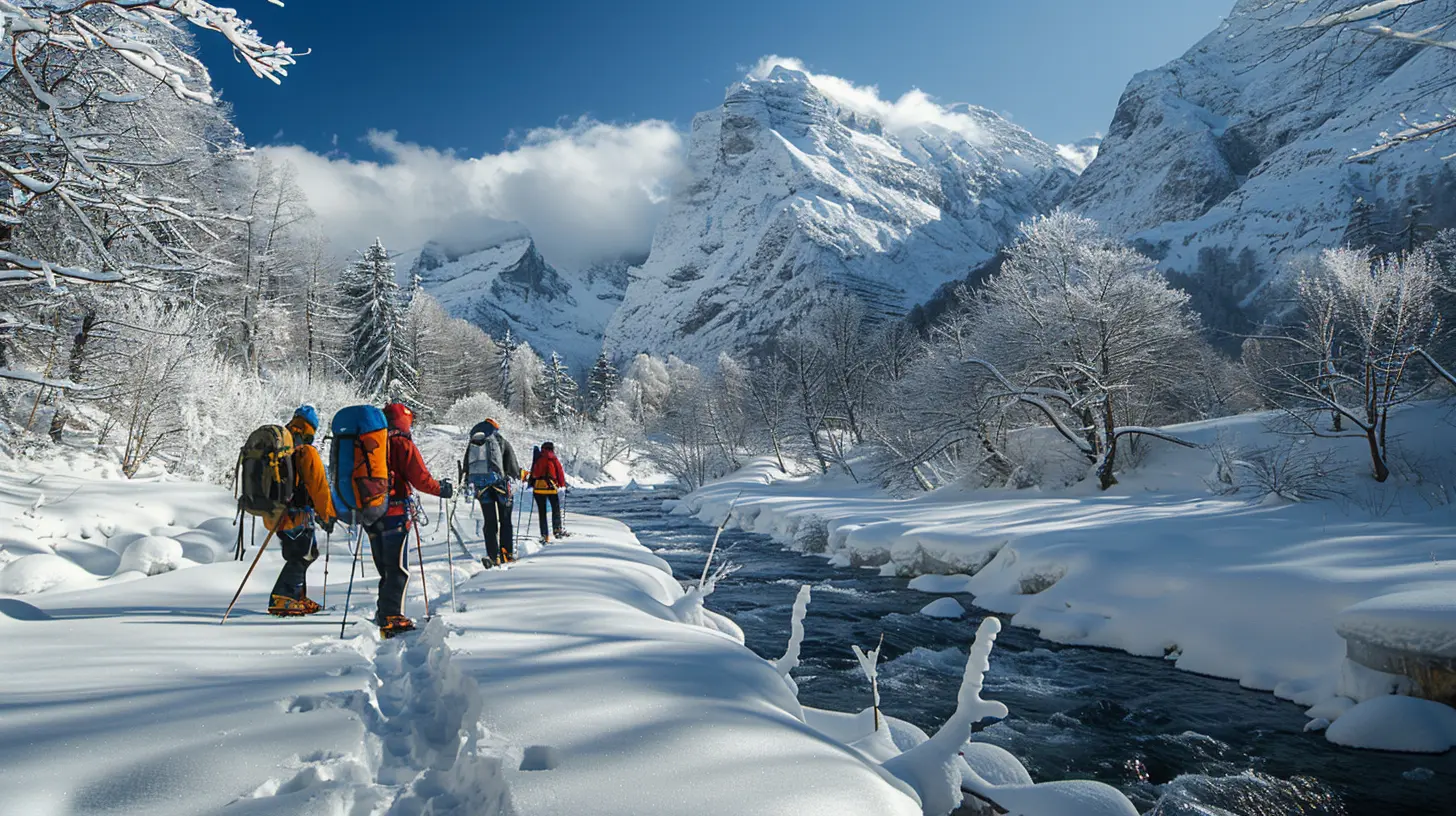
What is Ice Climbing, Anyway?
Let’s start with the basics. Ice climbing is exactly what it sounds like: climbing up frozen surfaces using special gear. Think waterfalls turned to ice, frozen rock faces, and icy glacier walls. You use crampons strapped to your boots, ice axes in each hand, and a rope system that helps keep you alive… hopefully.Sounds fun, right? Well, for outdoor enthusiasts, mountaineers, and adrenaline junkies, it’s not just fun—it’s a way of life.
The Dangers of Ice Climbing
Alright, the scary stuff first. Ice climbing isn’t like your average hike in the woods. The risks are real, and understanding them is part of the adventure. Ready for a reality check?1. Falling Ice Is No Joke
One of the top hazards in ice climbing? Ice… falling. Ironic, huh? Climbing frozen waterfalls means chunks of ice can (and often do) break off and come crashing down. And yes, even small pieces hurt. A lot.Your helmet is your best friend here, and knowing how to read the ice and listen for cracks can save your skin—literally.
2. Avalanches Are Always Lurking
Climbing ice-covered slopes often means being in avalanche territory. If snow shifts or the temperature rises, boom—tons of snow can come barreling down.Climbers need avalanche training, proper gear (like beacons and probes), and a sixth sense for staying safe. A wrong move or poor timing can lead to life-threatening situations.
3. Ice Is Unpredictable
Unlike rock, ice changes with the weather. One day it’s solid and reliable, the next it’s brittle or slushy. It cracks, it melts, it shifts. This makes every climb different, and sometimes downright unsafe.Knowing when to trust the ice—and when to say “nope, not today”—is a crucial skill.
4. Hypothermia and Frostbite Are Real Threats
Let’s not forget it’s freezing out there. Literally. You’re climbing in below-zero conditions, with snowstorms a very real possibility. Without proper layers, insulation, and warm gear, you could end up with frostbite or worse—hypothermia.Taking care of your body, staying dry, and knowing the signs of cold-related injuries is non-negotiable.
5. The Physical Demands Are Brutal
Ice climbing isn’t just mentally tough—it’s a full-body beast of a workout. You’ll be swinging axes, digging in crampons, pulling your entire body weight up vertical faces, all while fighting the cold and balancing on slippery surfaces.Your arms, legs, core—heck, even your toes—will feel it the next day. That’s if you can even walk after.
Now Let’s Talk About the Rewards
Okay, enough of the doom and gloom. Why would anyone in their right mind want to ice climb?Because the rewards are out of this world. Seriously.
1. The Views are Unreal
Let’s start with the obvious—nature’s winter masterpiece. Frozen waterfalls that look like giant chandeliers, icy peaks glowing pink at sunrise, and silent, snow-covered valleys. It’s straight-up magical.Climbing in these places gives you access to scenes most people only dream of—or see in National Geographic.
2. The Adrenaline Rush is Addictive
There’s nothing quite like it. The moment your axe bites into the ice and you pull yourself upward, heart pounding, brain focused like a laser—it’s pure aliveness.It’s risky, yeah. But that’s part of the thrill. You feel invincible. Powerful. Unstoppable.
3. It Builds Serious Mental Grit
Ice climbing is a head game. It forces you to push through fear, stay calm under pressure, and make smart decisions when things get tough. That kind of mental strength spills over into everyday life.Once you’ve conquered a 150-foot frozen wall, everyday problems don’t seem so scary.
4. You Join an Epic Community
Ice climbers are a special breed—welcoming, passionate, and always willing to share tips, stories, or a hot drink after a bone-chilling day. Whether you’re a rookie or a seasoned pro, you’ll find a tribe that’s got your back.And trust me, few things bond you faster than freezing your faces off together.
5. It’s the Ultimate Challenge
If you’re the type who chases growth, challenges, and testing your limits, ice climbing is the ultimate proving ground. It pushes you physically, mentally, and emotionally. And each climb teaches you something new—about nature, about gear, and about yourself.
Gear Up: What You Need
Before you head out, you’ll need the right toys. Ice climbing isn’t something you do with your regular hiking boots.Basic Ice Climbing Gear Checklist:
- Crampons – Metal spikes on your boots for traction on ice.- Ice Axes/Ice Tools – Your primary climbing tools.
- Climbing Harness – Keeps you secured to your rope.
- Helmet – Non-negotiable. Falling ice is real.
- Ropes and Protection Gear – Screws, carabiners, belay devices… vital stuff.
- Warm Clothing in Layers – Think wool base layers, insulated jackets, waterproof outer shells.
- Gloves – Bring spares—they freeze and get wet fast.
- Goggles or Sunglasses – Ice glare and wind protection.
Bonus tip? Don’t cheap out on gloves or boots. Cold hands and feet can ruin your day fast.
How to Get Started With Ice Climbing
New to the sport? Don’t stress—you don’t have to start by scaling Niagara Falls. Here’s a simple roadmap to get your feet (and axes) wet.1. Take a Course or Hire a Guide
This is not the time for a DIY YouTube education. Find a certified guide or school and learn the ropes—literally. They’ll teach safety protocols, gear usage, and technique.Bonus? They usually have rental gear so you can try before you buy.
2. Start Indoors or at Easy Crags
Yes, there are indoor dry-tooling gyms and beginner-friendly ice parks. Perfect for building confidence and skills without going full Arctic survival.3. Learn Avalanche and Ice Safety
Seriously. Sign up for an avalanche safety course (often called AIARE), and get familiar with how to read ice conditions. Knowledge is cool. Literally.4. Build Strength and Endurance
You don’t need to be a CrossFit champion, but upper body and core strength help—big time. Grip endurance, balance, and cardio are all part of the package.Popular Ice Climbing Spots Around the World
Wanna know where the pros (and adventurous beginners) go? Add these to your ice bucket list:- Ouray, Colorado (USA) – A winter wonderland with an ice park and chill vibes.
- Banff National Park (Canada) – Majestic climbs and breathtaking views.
- Chamonix (France) – Where alpinism was born.
- Rjukan (Norway) – Great for beginners and veterans alike.
- Valdez, Alaska – Wild, raw, remote—pure adventure.
Each destination has its own flavor, and best seasons run from December to March.
Is Ice Climbing For You?
Let’s be real—not everyone’s cut out for ice climbing. It’s cold, it's tough, and it sure isn’t an armchair sport. But if you’ve got a sense of adventure, a decent fitness level, and a love for doing epic things…Then yeah, this might be your jam.
Remember, the climb is just part of it. It’s about the journey—becoming more aware, more resilient, and more connected to the raw beauty of winter.
So grab your axes, lace up those boots, and start small. You might just fall in love (with the climb, not the ice).
Final Thoughts
Ice climbing might be one of the most intense sports out there. It comes with a heavy dose of danger—but the rewards? They’re off the charts. From the natural beauty to the camaraderie to the personal growth, it’s about more than just getting to the top.It’s about testing who you are when everything’s frozen, steep, and slippery. So if you’re ready to embrace the cold, face the risks, and reach new heights—literally—ice climbing just might change your life.
Stay sharp, stay safe, and always check the ice before you swing!
all images in this post were generated using AI tools
Category:
Extreme SportsAuthor:

Onyx Frye
Discussion
rate this article
2 comments
Phoenix Reilly
Ice climbing: where thrill meets chill! Just remember, it’s not a good look when your insurance agent starts asking about your hobbies!
January 28, 2026 at 4:50 AM
Onyx Frye
Absolutely! Ice climbing offers an exhilarating experience, but it's crucial to stay safe and be mindful of the risks involved. Always prioritize safety over thrills!
Renata Young
Ah, yes, nothing screams "fun" like dangling from a frozen cliff while contemplating if your next move will earn you a thrilling trophy or a one-way ticket to the emergency room. What a delightful hobby! 🧗♂️❄️
December 30, 2025 at 3:38 AM
Onyx Frye
I appreciate your humor! Ice climbing certainly has its risks, but many find the exhilaration and stunning views make it worth it. Safety is key! 🧗♂️❄️