The Best Shoes for Endurance Running: What to Look For
17 February 2026
Let’s be honest — if you’re pounding the pavement or racking up the miles on the trails, your shoes can make or break the experience. You could have grit, stamina, and the heart of a marathoner, but without the right pair of running shoes under your feet? You're asking for blisters, pain, and early burnout.
Choosing the best shoes for endurance running isn’t about grabbing the most hyped-up pair off the shelf. It’s about finding your perfect match — like dating, but for your feet.
So, let’s lace up and dive into everything you need to know when it comes to picking the right running shoes for long-distance runs.
Why Your Shoe Choice Matters in Endurance Running
Before we get into the nitty-gritty, let’s get this straight — endurance running is no joke. We’re talking about consistent, prolonged effort over long distances, whether you're training for a half marathon, a full 26.2, or even beyond.Now, imagine running for hours in shoes that don’t support your stride, cushion your heel strikes, or help your muscles recover. Yeah — ouch.
Endurance running puts stress on your entire lower body — feet, ankles, knees, hips. The right shoes act like shock absorbers, posture correctors, and even performance enhancers (no, not the illegal kind!).
Key Features to Look for in Endurance Running Shoes
Choosing shoes for short sprints? Go for speed and responsiveness. But for endurance running? You’ve got different priorities. Here’s what really matters:1. Cushioning: Soft Enough, But Not Too Soft
When you're out running long distances, cushioning becomes king. You want your shoes to absorb shock, protect your joints, and offer comfort over hours of impact. But here's the kicker — too much cushion can make you feel like you're running on marshmallows.You need balance. Look for midsole cushioning (like EVA foam or nitrogen-infused tech) that gives you that “just right” Goldilocks zone.
Pro Tip: Brands like HOKA, Brooks, and ASICS are known for their high-quality plush cushioning.
2. Weight: Lighter is Often Better, But Don’t Sacrifice Support
There’s a reason elite marathoners wear shoes that feel like feathers on their feet. Lighter shoes reduce fatigue, especially when you're running for an hour or more. But go too light, and you may lose necessary stability and protection.Find that sweet spot — a lightweight shoe that still offers structure and support.
3. Fit: A Secure Hug, Not a Bear Grip
Fit might just be the #1 factor in comfort. You want a snug heel, a midfoot that holds you steady, and a toe box with enough wiggle room. Your feet swell during long runs, so a shoe that feels perfect fresh out of the box may cramp your style (literally) by mile 10.Quick Check: You should have about a thumb’s width of space in the toe box.
4. Durability: Can It Go the Distance?
We all love a sleek-looking pair of kicks, but if it burns out after 150 miles, you’re back to square one. Good endurance running shoes should give you at least 300-500 miles of solid performance.Check the outsole material — rubber compounds like carbon rubber last longer, especially if you run on roads. Also, pay attention to upper materials that can handle repeated flexing and weather conditions.
5. Stability and Support: Especially for Overpronators
If your feet tend to roll inward (overpronation) or outward (supination), look for shoes with targeted support. Stability shoes often include medial posts, shanks, or guide rails to keep your stride aligned.Neutral runners? You’ve got more options, but you still need a shoe that keeps everything moving smoothly.
6. Drop and Stack Height: Know Your Feel
“Drop” refers to the difference in height between the heel and toe of the shoe. A traditional drop (8-12mm) places more pressure on the heel, while a lower drop encourages a more natural forefoot strike.It’s all preference — some runners love that minimalist feel, others need the cushion. Stack height also matters — more stack usually means more cushioning but less road feel.
Top Brands Known for Endurance Running Shoes
Some brands just "get it." They’ve invested heavily in biomechanics, athlete feedback, and testing to build shoes for long hauls. If you stick to these, you're in good company:🏃♂️ Nike
Try the Nike ZoomX Invincible Run for high-stack cushioning and energy return, or Nike Vaporfly for race day speed.🏃♀️ ASICS
Their Gel-Nimbus or Gel-Kayano lines are long-standing favorites for cushioned stability.🏃 Brooks
Whether it’s the Ghost (neutral) or Adrenaline GTS (stability), Brooks is a go-to for comfort over distance.🏃♂️ Hoka One One
Known for maximalist cushioning, Hoka’s Clifton and Bondi models are staples among long-distance runners.🏃 Saucony
The Endorphin and Triumph series provide excellent energy return and comfort.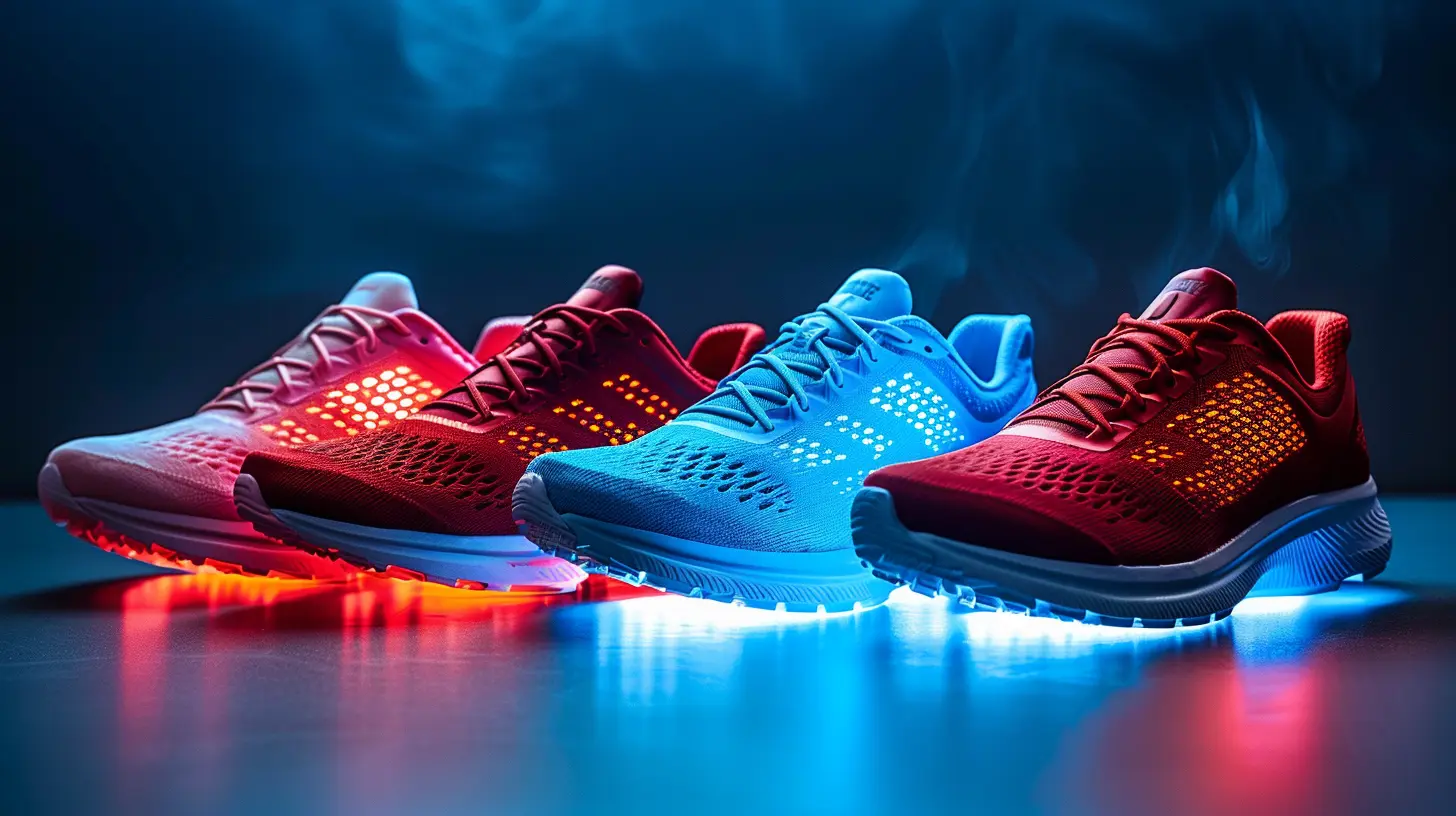
When Should You Replace Your Endurance Running Shoes?
One of the biggest mistakes endurance runners make? Holding onto shoes for way too long.Most running shoes last between 300 to 500 miles. That’s about 3-6 months if you're regularly training. Once shoes start breaking down, they lose their cushioning, support, and structure — and your body takes the hit.
Tell-Tale Signs You Need New Shoes:
- Noticeable wear on the outsole
- Reduced cushioning feel
- Aches or pain in your feet, shins, or knees
- Fabric tearing or heel slippage
Track your mileage using apps like Strava or Garmin — or just jot it in a running log. Your legs will thank you.
Trail vs. Road Endurance Running: Different Shoe Needs
Where you run matters as much as how far you run. Trail running shoes prioritize grip, foot protection, and weather resistance. Road shoes lean into smooth transitions, lightweight builds, and shock absorption.So, which is right for you?
| Feature | Road Running Shoes | Trail Running Shoes |
|------------------------|----------------------------|---------------------------------|
| Surface Grip | Smooth outsole | Aggressive lugs for traction |
| Cushioning | More cushioned for pavement| Varies — often firmer |
| Protection | Moderate | Extra toe guards, rock plates |
| Weight | Lighter | Slightly heavier |
| Stability | Moderate | Often more stability for rocks |
If you’re doing both types regularly — hey, why not have one of each?
Custom Orthotics or Insoles: Yay or Nay?
Some runners swear by custom orthotics or supportive insoles, especially for long-distance efforts. But they’re not a must for everyone.If you have specific foot issues — flat arches, plantar fasciitis, or chronic injuries — talk to a podiatrist about custom inserts. Otherwise, most high-quality running shoes have excellent built-in footbeds.
Still feel something’s off? A well-fitted insole can fine-tune the experience and help reduce fatigue.
Breaking In Your Endurance Running Shoes
Don’t make the rookie mistake of running a half marathon in brand-spanking-new shoes. Your feet need time to adjust, and so does the shoe. Think of it like a first date — you don't propose after an hour, right?Here’s how to break them in:
1. Wear them around the house or for errands for a day or two.
2. Take them for short runs (1-3 miles) for the first week.
3. Gradually increase mileage while monitoring hotspots or discomfort.
4. If blisters or pain persist — they might not be the right fit.
What About Carbon-Plated Shoes?
Carbon-plated running shoes have become the go-to for elite marathoners. They’re lightweight, ultra-responsive, and built for speed. But are they right for everyday endurance training?Here’s the thing: they’re expensive and not always the most durable. Plus, they’re designed for race-day performance, not recovery runs or base mileage.
Use them sparingly — save them for race day or speed workouts, and have a more cushioned, supportive shoe for daily miles.
The Final Word
At the end of the day, the best shoes for endurance running are the ones that fit you — your feet, your stride, your goals. There’s no one-size-fits-all here.When choosing your next pair, think long game. Comfort, support, cushioning, and durability should outweigh flashiness or brand hype. Try them on, take them for a spin, and listen to your body.
After all, you’re not just buying shoes — you’re investing in your performance, your health, and your love for the run.
So go ahead, give your feet the love they deserve. Because in endurance running, your shoes aren’t just gear — they’re your most loyal training partner.
all images in this post were generated using AI tools
Category:
Endurance SportsAuthor:

Onyx Frye
Discussion
rate this article
2 comments
Siena McAdoo
Great insights! Choosing the right shoes can make all the difference in endurance running. Happy running, everyone! Remember to listen to your body and stay safe!
March 2, 2026 at 12:42 PM
Onyx Frye
Thank you! Absolutely, the right shoes are crucial for performance and safety. Happy running!
Luella Marks
Great article! Choosing the right shoes can make a huge difference in endurance running. I’ve learned the hard way how important comfort and support are. Can’t wait to try out some of these recommendations on my next long run!
February 17, 2026 at 4:20 AM
Onyx Frye
Thank you! I'm glad you found the article helpful. Best of luck on your next long run!