The Art of Sponsorship Activation in Sports
20 May 2026
Sponsorship activation in sports is like the secret sauce behind your favorite sports event. Sure, we all get excited about the game, the athletes, and the roaring crowds, but have you ever stopped to think about how brands seamlessly integrate themselves into these events without feeling out of place? That, my friend, is the art of sponsorship activation.
In today's fast-paced, attention-grabbing world, traditional sponsorships (think logos slapped on jerseys or banners) aren’t enough. Brands need a more creative, engaging approach to connect with fans emotionally and effectively. And that's where sponsorship activation comes into play.
So, let’s dive deep into this world and explore how brands are making the most of their partnerships in sports.

What is Sponsorship Activation?
Before we get into the nitty-gritty, let’s clarify what sponsorship activation actually means.In simple terms, sponsorship activation is the process of bringing a sponsorship to life. It’s about creating memorable experiences and interactions between fans and a brand during a sports event. Rather than just slapping a logo on a stadium wall, brands want to engage with fans in meaningful ways.
Think of it this way: Sponsorship is the what (the partnership between a brand and a sports team or event), while activation is the how (the creative and interactive ways a brand engages the audience).
Why is Sponsorship Activation Important?
In the age of short attention spans and digital overload, fans expect more from brands than just passive advertising. They want to interact, feel connected, and be entertained. Sponsorship activation helps brands achieve that by:- Increasing brand awareness: It's not just about visibility; it's about standing out in a crowded marketplace.
- Building emotional connections: When fans interact with a brand in a fun, engaging way, they form a deeper bond.
- Enhancing fan experience: Done right, sponsorship activation can make an event even more enjoyable for fans.
- Driving ROI: Engaging activations lead to better brand recall and, ultimately, more sales. It’s not just a feel-good factor – it’s business.
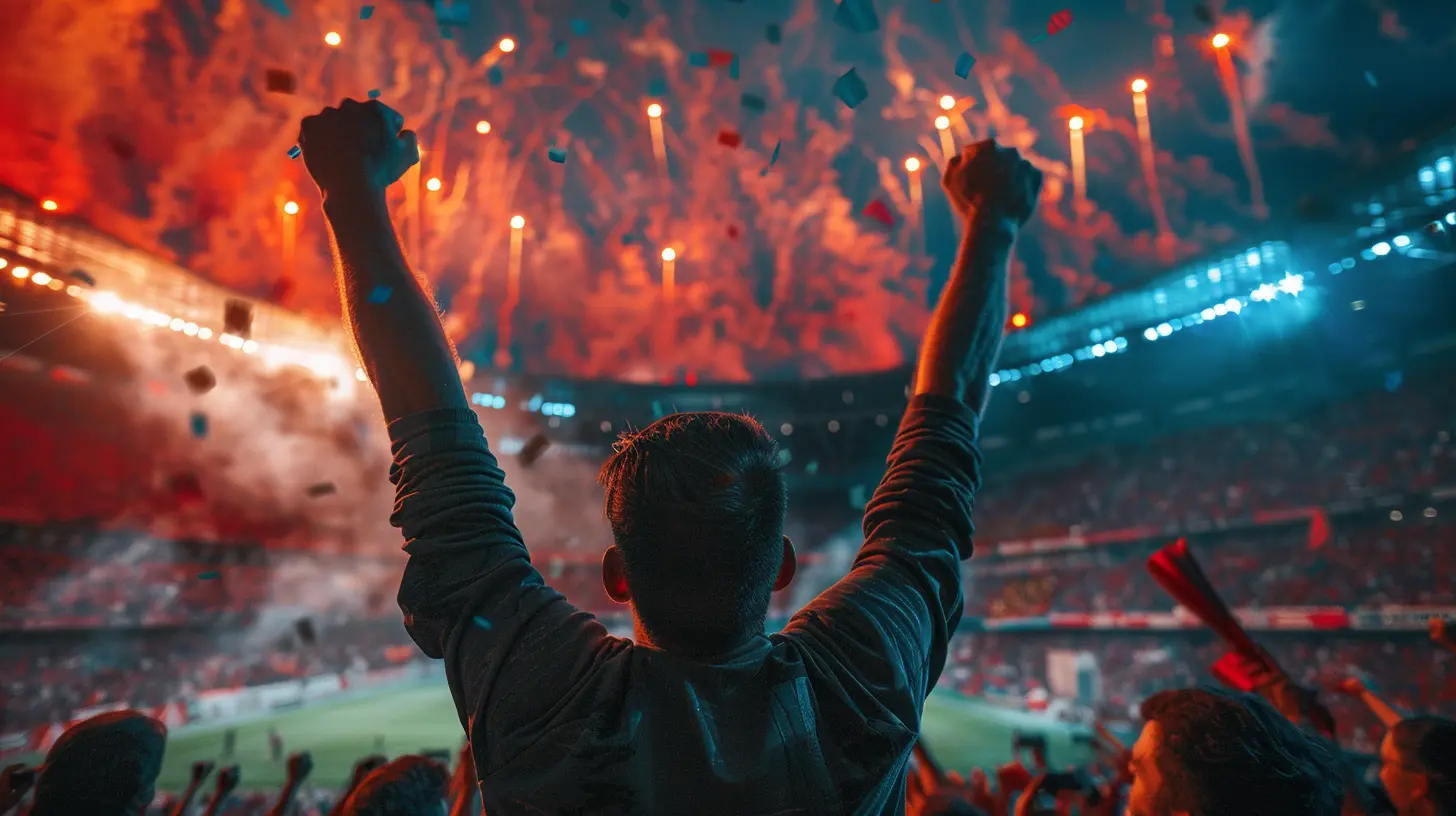
The Key Elements of Sponsorship Activation
So, what makes a great sponsorship activation? Here are the essential ingredients that brands need to get right:1. Fan Engagement
The most successful sponsorship activations revolve around fan engagement. Fans love to be part of the action, and brands know this. Whether it's through gamified experiences, exclusive content, or social media challenges, giving fans something to interact with is crucial.For example, during the Super Bowl, some brands set up interactive fan zones where attendees can participate in challenges, take photos, and win exclusive merchandise. This kind of activation goes beyond simply being seen – it makes fans part of the brand experience.
2. Authenticity
This is where many brands can stumble. Fans are smart, and they can sniff out inauthenticity from miles away. A brand's activation needs to align with the sport, the event, and the fanbase. If it feels forced or out of touch, it risks alienating the very audience it's trying to reach.Take Red Bull, for example. They’ve built their entire brand around extreme sports, so their sponsorships and activations – whether it’s a cliff diving event or a motocross championship – feel genuine. Fans don’t feel like they’re being sold to; instead, they feel like Red Bull is part of the sport itself.
3. Memorable Experiences
The best activations leave a lasting impression. It’s not enough to just show up – you need to create an experience that fans will talk about long after the event ends. This could be anything from a jaw-dropping halftime show to an innovative piece of technology that enhances the fan experience.For instance, Coca-Cola partnered with the FIFA World Cup to give fans a chance to have their photos taken with the actual World Cup trophy. For soccer fans, that’s a memory they’ll cherish forever.
4. Digital Integration
In today’s world, it’s not enough to focus solely on the in-stadium experience. Brands need to integrate digital elements into their activations. This could include social media campaigns, interactive apps, or even augmented reality (AR) experiences.For example, Nike has been known to use AR technology to allow fans to "try on" shoes virtually. Fans can simply point their phone at their feet, and the app overlays a pair of Nikes onto their shoes. It’s a fun, shareable experience that brings the brand to life, both online and offline.
5. Exclusive Access
Fans love exclusivity. Whether it’s backstage passes, a meet-and-greet with athletes, or access to limited-edition products, giving fans something they can’t get anywhere else is a surefire way to build loyalty.A perfect example? When Mastercard sponsored the Rugby World Cup, they offered cardholders the chance to attend VIP events, meet the players, and even get priority seating. This kind of activation makes fans feel privileged and valued, further deepening their connection with the brand.
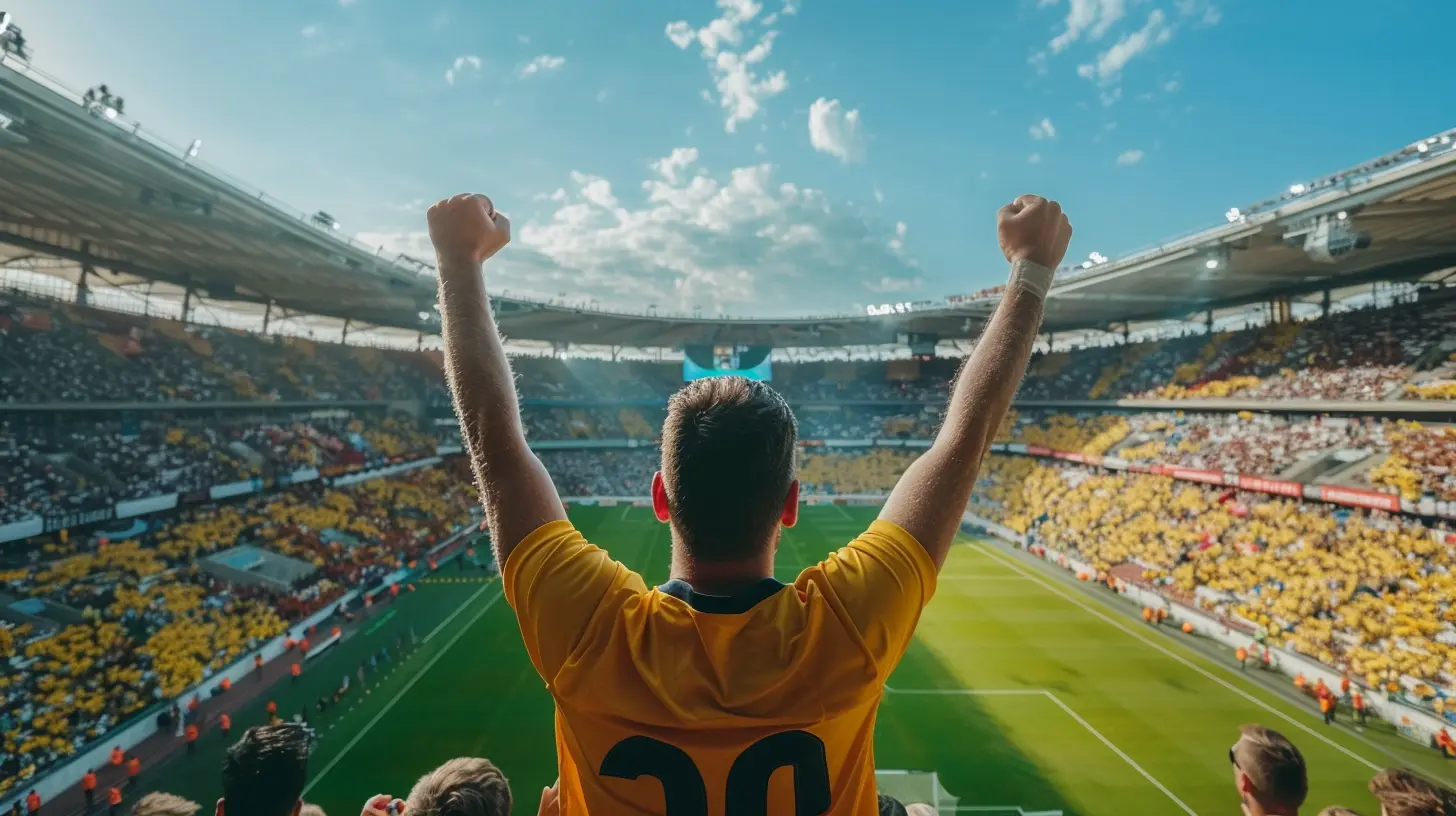
Types of Sponsorship Activation
Now that we’ve covered the key elements, let’s explore the different types of sponsorship activation that brands use to engage fans.1. On-site Activation
On-site activation involves creating experiences at the venue where the event is taking place. These activations can include branded booths, interactive games, or product sampling. The goal is to engage fans who are physically attending the event.For example, at the Tour de France, brands often set up immersive pop-up tents along the race route. These activations could feature anything from bike challenges to product giveaways, making the race experience even more exciting for spectators.
2. Online Activation
As we’ve already mentioned, digital integration is a huge part of modern-day sponsorship activation. Online activations can range from social media challenges to interactive websites where fans can engage with the brand from the comfort of their homes.A great example? Gatorade’s "Beat the Heat" campaign, which encouraged fans to share photos of themselves staying hydrated during workouts. By using a specific hashtag, fans were entered into a contest to win Gatorade products. This not only engaged fans but also generated tons of user-generated content for the brand.
3. Broadcast Activation
This type of activation happens during the broadcast of the event. Some brands sponsor specific segments, such as a halftime show or a pre-game analysis. Others might run interactive advertising spots that encourage viewers to engage via a second screen, such as a mobile phone.During the NBA Finals, for example, you'll often see brands sponsor specific moments of the game, like a "Dunk of the Night" feature. These activations tie the brand directly to the event's most exciting moments.
4. Athlete or Influencer Activation
When brands partner with athletes or influencers, they are tapping into the individual’s personal fanbase. These activations can take place across social media, through custom content, or even in-person appearances.Under Armour, for instance, often collaborates with top athletes like Stephen Curry to create branded content that resonates with their target audience. By associating themselves with a beloved athlete, brands can amplify their message and reach a much larger (and more engaged) audience.
Measuring Sponsorship Activation Success
While cool activations are great, brands need to know whether their efforts are actually paying off. So how do you measure the success of a sponsorship activation?1. Brand Awareness
One of the easiest ways to determine success is by measuring brand awareness. Are more people talking about the brand after the activation? Are they engaging with the brand online or at the event?Surveys, social media engagement metrics, and even website traffic can help brands understand how well their activation is resonating with fans.
2. Sales and ROI
At the end of the day, brands sponsor sports events because they want to drive sales. While it may not be immediate, successful activations often lead to long-term brand loyalty and increased sales down the line. Monitoring sales during and after an event can help brands gauge the effectiveness of their activations.3. Fan Engagement
How many people participated in the activation? Did it go viral? Was there significant interaction on social media? These are all indicators of how well the activation resonated with fans. The more engagement, the better the chances that the brand left a lasting impression.Conclusion
The art of sponsorship activation in sports is about much more than just slapping a logo on a jersey or a banner. It’s about creating authentic, engaging, and memorable experiences that resonate with fans and build lasting connections between the brand and its audience.From on-site activations to digital campaigns, brands need to think creatively and strategically to stand out in a crowded marketplace. When done right, sponsorship activation can not only enhance the fan experience but also drive significant business results.
So, the next time you’re at a sports event or watching one on TV, keep an eye out for the ways brands are making their presence felt. You might just be witnessing sponsorship activation in action.
all images in this post were generated using AI tools
Category:
Sports MarketingAuthor:

Onyx Frye
Discussion
rate this article
1 comments
Brooks Jacobs
Great insights on sponsorship strategies!
May 21, 2026 at 4:49 AM
Onyx Frye
Thank you! I'm glad you found the insights valuable.