The 2026 International Archery Tournament Brings Sharpshooters Into Focus
19 October 2026
Archery has a way of making the rest of the world go quiet. You nock an arrow, settle into your stance, and for a few seconds nothing exists except a gold circle 70 meters away. The 2026 International Archery Tournament is shaping up to be one of those events where that silence gets broken by a lot of loud cheering, a few groans, and at least one archer muttering something unprintable after a gust of wind steals a perfect shot.
I have spent enough years around ranges to know that big tournaments are never just about who wins. They are about who adapts, who chokes, who peaks at the right moment, and whose equipment survives the trip. This article is a working guide to what the 2026 tournament means for archers, coaches, fans, and anyone who has ever wondered why grown adults get emotional about a piece of carbon fiber and a string.
What Makes the 2026 Tournament Worth Paying Attention To
International archery events have quietly become some of the most watchable competitions in sports. The format is easy to follow even if you have never held a bow: closest to the center wins. But underneath that simple rule sits a deep technical game involving wind reading, release timing, equipment tuning, and mental control under pressure.The 2026 International Archery Tournament matters because it sits at a useful point in the competitive calendar. It gives developing archers a stage to test themselves against international fields, and it gives established shooters a chance to sharpen their form before bigger championship cycles. It also tends to be a tournament where conditions, not reputations, decide results. Outdoor ranges are honest that way.
A word of caution before we go further: I am not going to pretend to know the exact draw, the full entry list, or the final scores. Nobody can predict those with any honesty. What I can do is explain how tournaments like this actually work, what separates the archers who thrive from the ones who fade, and what you should watch for whether you are competing, coaching, or just watching from a folding chair.
The Anatomy of a Modern International Archery Tournament
Formats You Will See
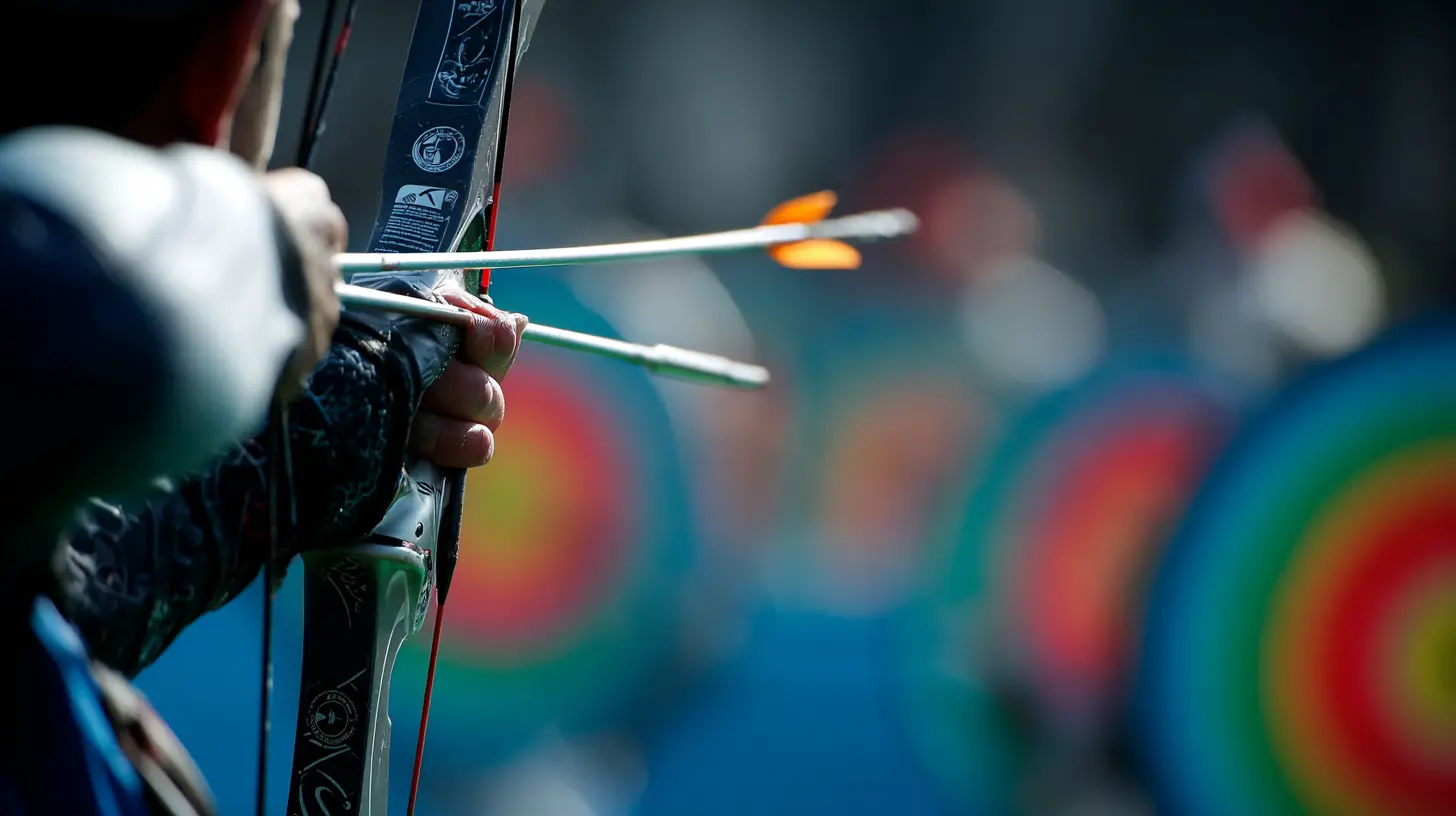
Most international tournaments run a qualification round followed by match play. Qualification is usually a fixed number of arrows at a set distance, and your score determines your seed. Then comes the fun part: head-to-head matches where archers shoot in alternating turns, and the crowd gets to hear every release.Recurve and compound divisions run on different rhythms. Recurve matches tend to be more volatile because the bow does less of the work and the archer does more. Compound matches often come down to tiny margins because the equipment is so precise that a 9 is practically a mistake. If you are new to watching, pay attention to which division is on the line. The body language is completely different.
Why Qualification Is Not a Formality
Newcomers often assume qualification is just a warm-up for the real competition. Wrong. Qualification sets your bracket path, and in a sport where one bad end can end your tournament, seeding is survival. A strong qualification score can keep you away from the top seeds until later rounds. A weak one puts you in a meat grinder.Here is the practical lesson for any archer preparing for 2026: treat qualification as its own event. Have a plan for it. Know your shot rhythm, your wind calls, and your target panic management routine before you ever step on the line.
What Separates Contenders From Pretenders
The Mental Game Is Not a Cliche
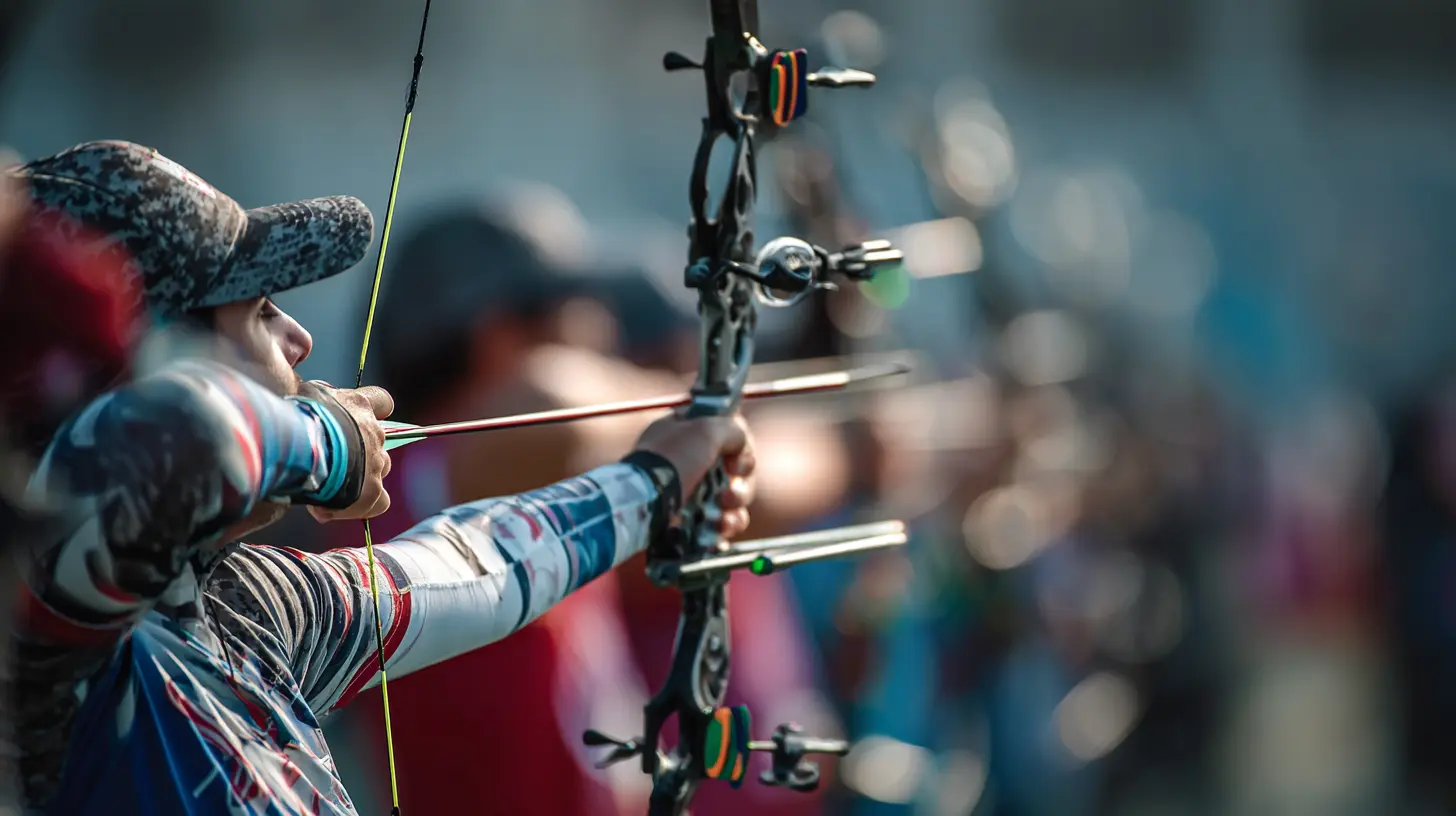
Every archer has heard "it is all mental" so many times it has lost meaning. Let me put it in concrete terms. At a high-level tournament, everyone on the line can shoot a 10. The difference is what happens in the four seconds between full draw and release when the wind picks up, the crowd shifts, and your internal monologue starts offering opinions.The archers who handle this well tend to use simple, repeatable routines. They do not try to feel perfect. They try to execute the same process every arrow. That is why you see top shooters looking almost bored during matches. Boredom is a feature, not a bug. It means the process is running without interference.
Equipment Discipline
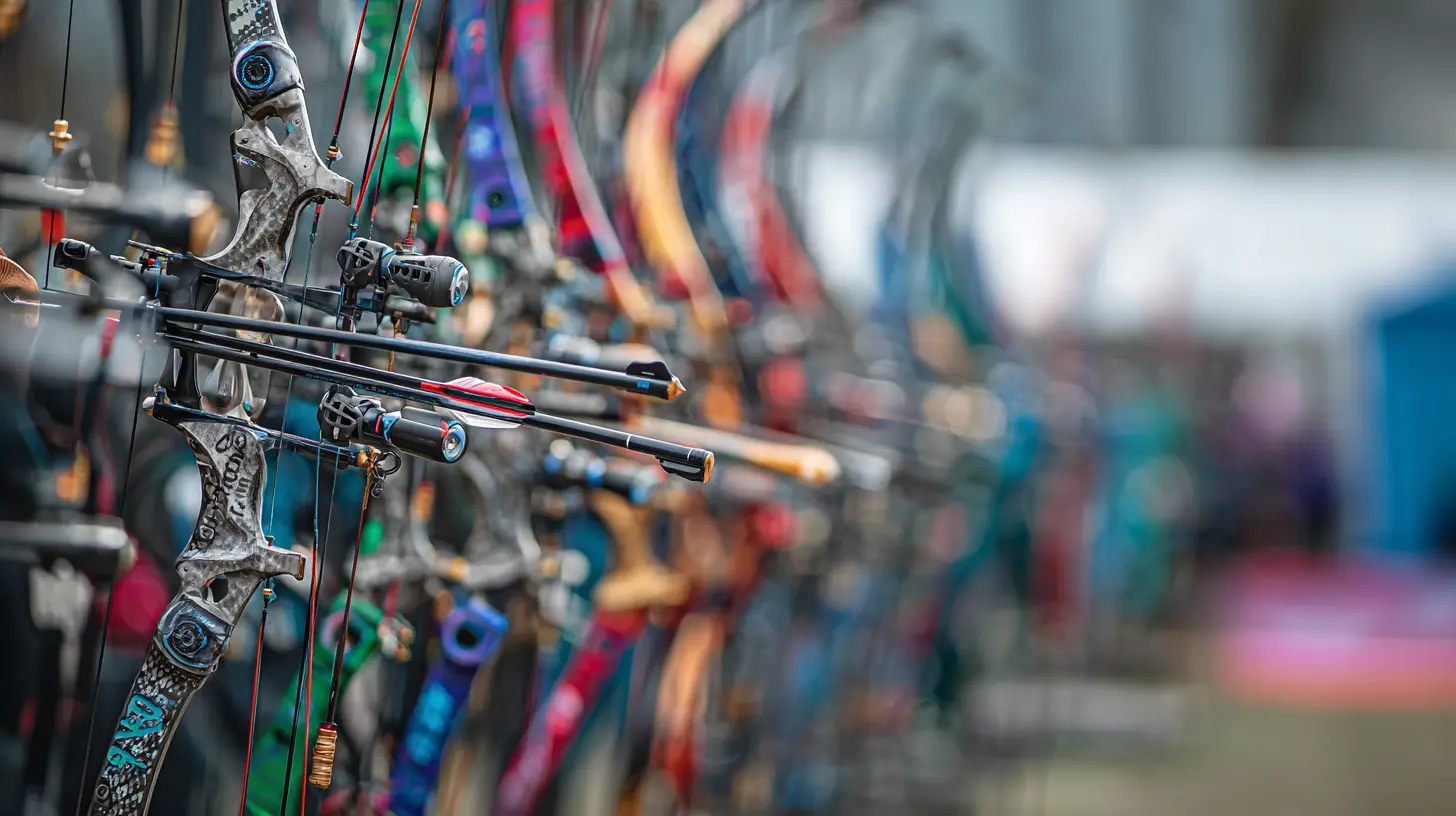
Tournament archers are notorious tinkerers. The problem is that tinkering during a tournament is how you turn a good bow into a confusing one. Experienced competitors lock their setup before travel and only make micro adjustments for conditions. If you are preparing for a tournament like this one, resist the urge to change your rest, your nocking point, or your release the week before. Bring a backup bow that is set up identically. Bring spare strings. Bring more arrows than you think you need.A friend of mine once watched an archer's sight come loose during a practice end at an international event. He had no spare sight and no tools. He spent the rest of the day borrowing gear and shooting badly. Do not be that person.
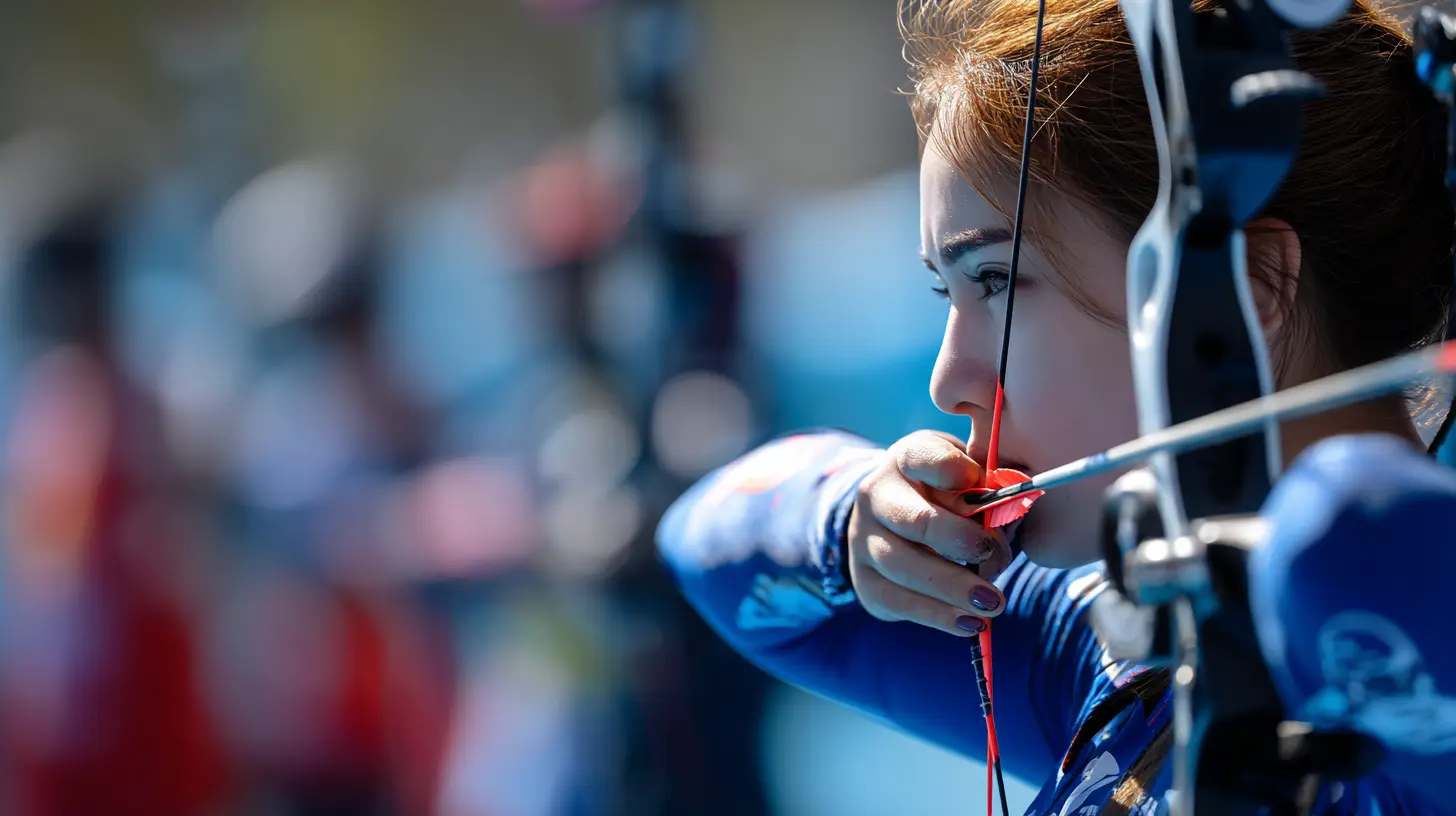
Wind, Weather, and the Great Equalizer
Outdoor archery is a negotiation with the weather. Wind is the most obvious factor, but heat, humidity, and even glare matter more than most people realize.Reading Wind Like a Grown-Up
Wind reading is not mystical. It is pattern recognition plus honest self-assessment. Flags, grass, dust, and the movement of other archers' arrows all tell you something. The trick is deciding how much to trust each signal.A common mistake is overcorrecting. An archer feels a gust, aims way off, and watches the arrow sail wide in the opposite direction. The better approach is to build a wind plan during practice: shoot in known conditions, record where your arrows land, and develop a feel for how much hold-off a given wind actually requires. Then trust that data instead of your nerves.
Heat and Hydration
Tournaments are long. Long days in the sun wreck focus faster than most archers admit. Hydration, shade, and scheduled rest are performance tools, not luxuries. If you are competing, plan your day around energy management, not just arrow count.Common Mistakes That Sink Tournament Archers
Let me list the ones I see most often, because avoiding them is worth more than any fancy training tip.1. Peaking too early. Archers train hard right up to the event and arrive flat. A short taper before competition usually works better than grinding until the last day.
2. Practicing only perfect conditions. If you never shoot in wind or heat, the tournament will introduce you to both at the worst moment.
3. Ignoring the clock. Match play has time limits, and archers who dawdle in practice get caught rushing in competition.
4. Over-coaching yourself mid-match. Save the technical analysis for practice. During competition, focus on one simple cue.
5. Neglecting the backup plan. Gear fails. Strings fray. Sights drift. Have a plan B and know how to execute it.
6. Letting one bad arrow become three. Archery rewards amnesia. The best shooters forget a bad shot within seconds.
Watching the Tournament Like Someone Who Knows the Sport
If you are attending or streaming the 2026 International Archery Tournament, here is how to get more out of it.Watch the archers' pre-shot routines. Notice who takes a breath before raising the bow and who rushes. Watch the release hand. A clean release looks almost dull, which is exactly the point. Pay attention to how archers handle a bad arrow. The ones who reset quickly are usually the ones still shooting on the final day.
Also, watch the coaches. Good coaches say very little during matches. They save their input for practice and qualification debriefs. If you see a coach talking constantly during a match, that archer is probably in trouble.
Practical Advice for Archers Targeting 2026
Build a Periodized Plan
Do not train the same way every week for a year. Build phases: a base phase for strength and form, a volume phase for arrow count, a competition phase for match simulation, and a taper before the event. This is standard practice in serious programs, and it works because it manages fatigue and sharpens timing.Simulate Match Pressure
Most archers practice scoring, not competing. Set up head-to-head matches in practice. Shoot alternating arrows with a partner. Add consequences for misses, even silly ones, to create mild pressure. The goal is to make competition feel familiar.Invest in Recovery
Sleep, nutrition, and mobility work are boring and effective. Archery is a precision sport, and precision degrades when you are tired or stiff. Treat recovery as training.Know Your Equipment Cold
You should be able to diagnose a bad shot by feel and confirm it by looking at your arrow. If your arrows suddenly group low and left, you should know whether that is you, the wind, or the bow. That kind of diagnostic skill only comes from deliberate practice and honest record keeping.
Trade-Offs Worth Understanding
Every archery decision involves trade-offs, and pretending otherwise is how people make bad choices.- Speed vs. stability. Lighter arrows fly faster and drop less, but they are more affected by wind. Heavier arrows are more forgiving but require better distance judgment. Know which trade-off suits your shooting style.
- Precision vs. durability. Highly tuned equipment is wonderful until it gets bumped in transit. Build in some tolerance.
- Training volume vs. freshness. More arrows build endurance but can erode form. Quality beats quantity, especially close to competition.
- Coach input vs. self-reliance. A coach is invaluable, but you need to be able to self-correct on the line. Develop both.
Frequently Asked Questions
Is the 2026 International Archery Tournament open to spectators?
Many international archery events welcome spectators, often free of charge, though policies vary by venue. Check the official event information before traveling, and expect security and bag checks at larger venues.What is the difference between recurve and compound divisions?
Recurve bows rely on the archer's strength and use a sight but no release aid or let-off. Compound bows use cams that reduce holding weight and typically use a mechanical release. The two divisions have different match formats and different scoring cultures.How should a beginner prepare to watch or compete?
For spectators, learn the basic scoring rules and the match format. For competitors, focus on consistent form, a repeatable routine, and practice under realistic conditions. Do not chase equipment upgrades before you have mastered the basics.Can amateur archers enter international tournaments?
Entry requirements vary widely. Some tournaments have open divisions, while others require qualification or membership in a recognized federation. Check the event's entry criteria early, because deadlines and paperwork often surprise people.
Final Thoughts
The 2026 International Archery Tournament will produce a winner, a bunch of near-misses, and probably a few stories that get retold for years. But the real value of an event like this is what it teaches everyone involved. Archers learn where their process breaks. Coaches learn which athletes handle pressure. Fans learn that archery is a sport of millimeters and nerves, not just strength.If you are shooting, prepare like a professional even if you are not one. Build a plan, protect your gear, practice in bad weather, and train your mind as seriously as your form. If you are watching, pay attention to the small things. That is where the sport actually lives.
all images in this post were generated using AI tools
Category:
Upcoming TournamentsAuthor:

Onyx Frye