The 2026 Global Climbing Championships Elevate New Heights
14 October 2026
The 2026 Global Climbing Championships represent a pivotal moment for a sport that has spent the past decade shifting from niche subculture to mainstream athletic spectacle. With sport climbing now firmly established as an Olympic discipline, the 2026 championships carry weight beyond medals. They will test how the sport balances competitive rigor with its outdoor roots, how new competition formats shape athlete training, and how a rapidly expanding fanbase engages with an activity that once lived almost entirely in climbing gyms and on granite walls.
This article examines what makes the 2026 edition significant, how the three disciplines differ in demands and strategy, what athletes and coaches should prioritize, and how fans and newcomers can get the most from the event. It also addresses common misconceptions and the trade-offs that come with the sport's professionalization.
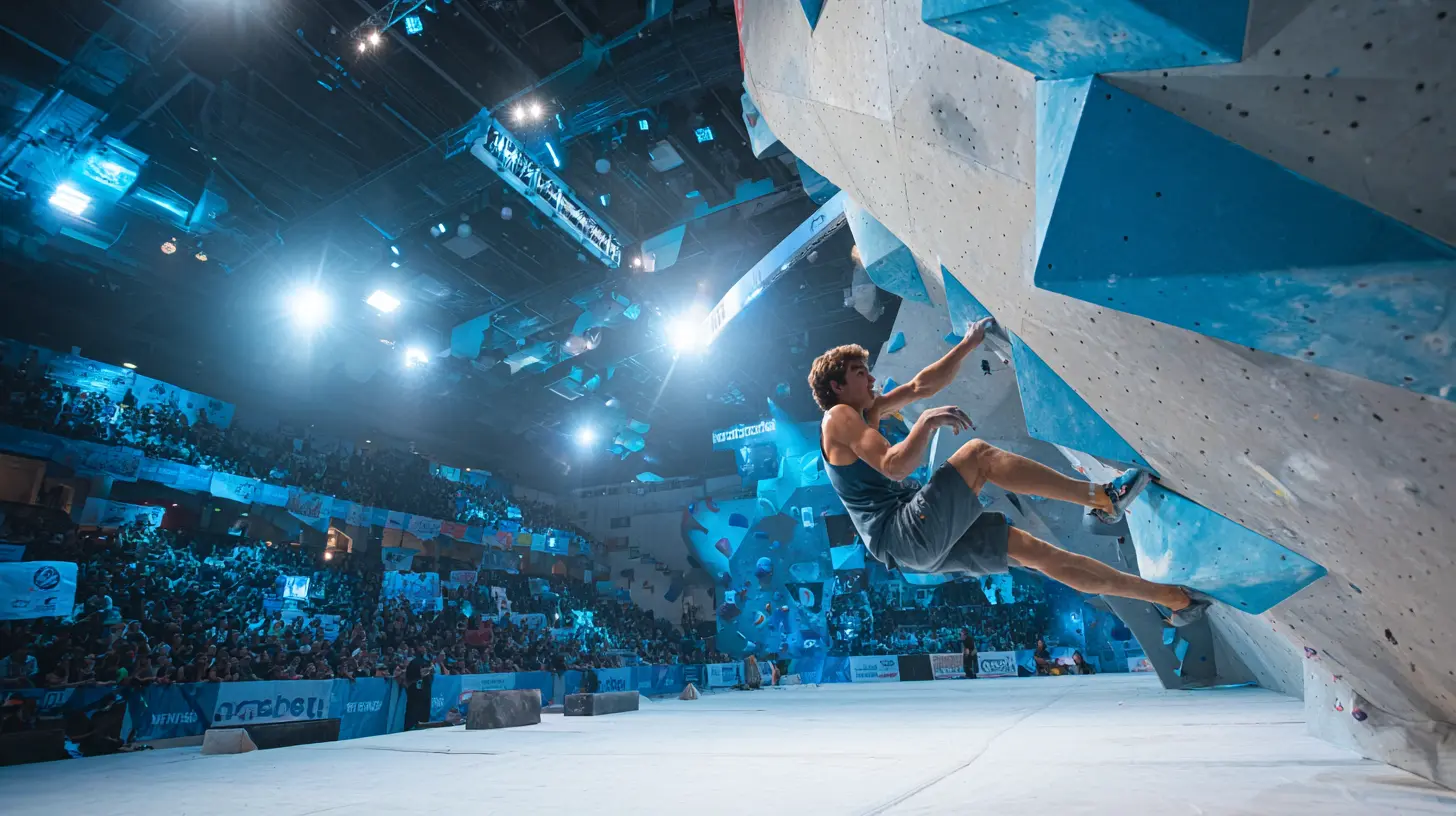
Why the 2026 Championships Matter More Than a Single Event
Major championships are never just about who stands on the podium. They function as stress tests for rules, formats, and the broader direction of a sport. The 2026 Global Climbing Championships sit at the intersection of several long-running trends.First, competitive climbing has matured technically. Route setting, judging, and broadcast production have become more standardized. That standardization matters because it reduces the randomness that once made results feel arbitrary. When athletes trust the format, they train differently. They invest in periodization rather than chasing every event. They specialize where specialization pays off.
Second, the athlete pool has deepened. Countries without traditional climbing terrain are now producing elite competitors through dedicated training facilities. This broadens the talent base and changes tactical dynamics. A competitor from a flat region can now train lead endurance on artificial walls as effectively as someone living near limestone crags, provided the facility is well designed.
Third, sponsorship and media interest have grown. That brings money and visibility, but it also introduces pressure to make the sport more watchable. The tension between accessibility for casual viewers and authenticity for core fans is one of the defining debates of this era.
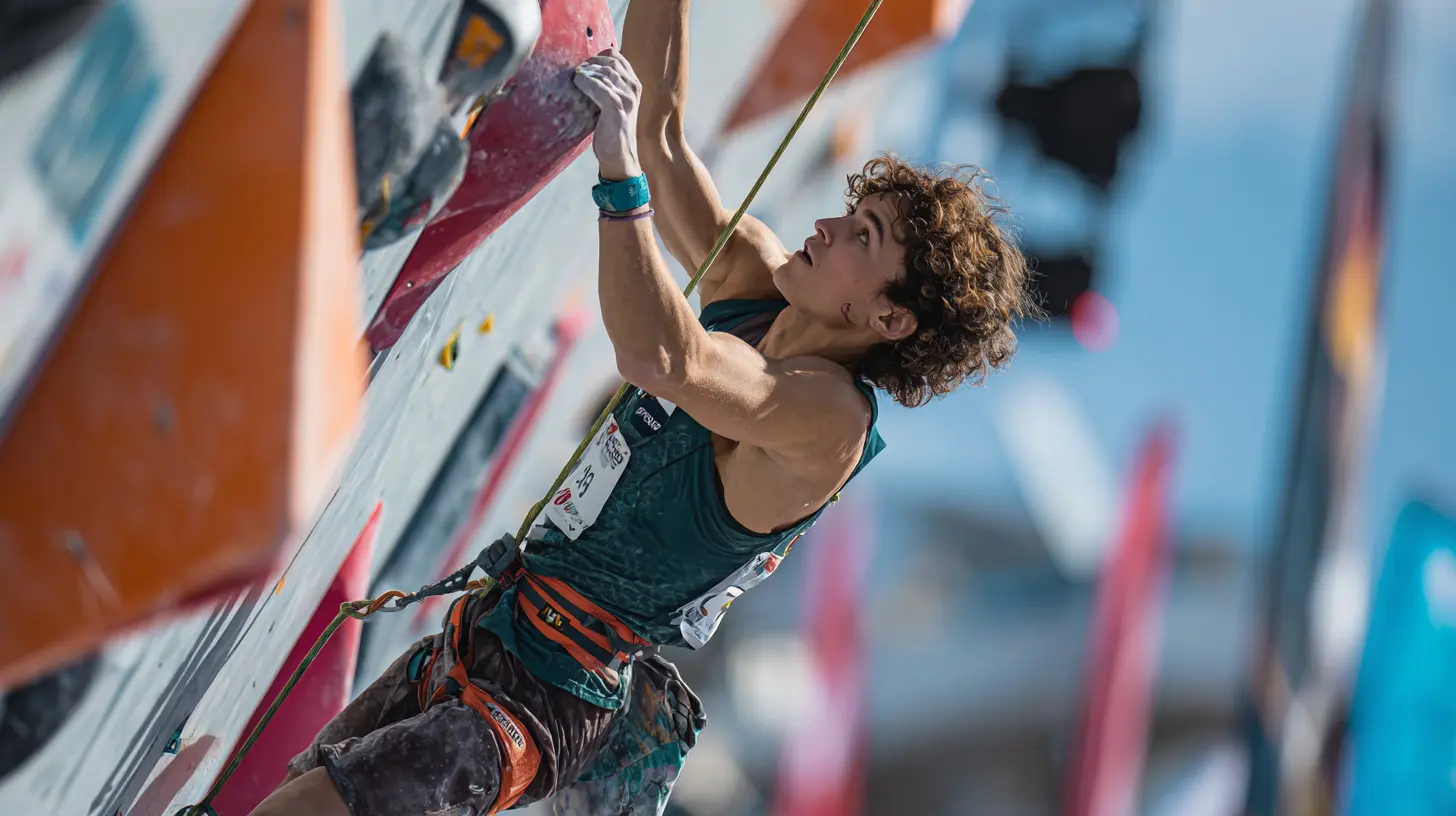
The Three Disciplines and What Separates Them
Understanding the 2026 championships requires understanding that speed, bouldering, and lead are almost different sports sharing a common culture. Training for one can actively hinder another.Speed Climbing: Precision Under a Stopwatch
Speed climbing is the most straightforward to understand and the hardest to master. Two athletes ascend an identical standardized route side by side. The winner is whoever reaches the top faster, with reaction time, foot placement, and the consistency of the first three moves often deciding the outcome.What makes speed unique is that the route never changes in its essential structure. This means athletes can rehearse specific sequences thousands of times. The result is a sport closer to sprinting than to traditional climbing. Marginal gains come from start technique, the efficiency of the latching motion at the top, and psychological composure.
Common mistake: treating speed as pure physical output. In reality, the fastest athletes win through memorized motor patterns and calm execution. Overgripping wastes energy and slows the ascent. Beginners often pull too hard on the first moves and arrive at the top with forearms already fatigued.
When speed training should dominate: for athletes with fast-twitch dominance and a tolerance for repetitive drills. When it should not: for climbers whose strengths lie in problem-solving or endurance, since speed rewards a narrow and specific skill set.
Bouldering: Short Problems, Complex Decisions
Bouldering at championship level involves climbing short, powerful routes, called problems, without a rope and above protective mats. Athletes typically get a fixed number of attempts within a time limit. The scoring rewards completing problems in fewer attempts, which introduces a strategic layer.The interesting part is that bouldering is as much a cognitive challenge as a physical one. Reading a problem correctly on the first attempt, often called flashing, requires pattern recognition built from years of varied climbing. Athletes must decide quickly whether to commit to a sequence or bail and preserve energy.
Trade-offs in bouldering strategy:
- Aggressive early attempts can secure a top but risk fatigue on later problems.
- Conservative play preserves energy but may leave points on the table if time runs out.
- Skipping a problem entirely is sometimes rational when the scoring math favors focusing on achievable sends.
A frequent misconception is that bouldering is only about strength. At the elite level, flexibility, body positioning, and the ability to generate tension through the core matter enormously. A climber who can hold a small edge but cannot position their hips correctly will fail on problems that reward technique over raw finger strength.
Lead Climbing: Endurance, Strategy, and Risk
Lead climbing is the marathon of the sport. Athletes clip into protection as they ascend a tall route, and the goal is to reach the highest hold within a time limit. Falls end the attempt, so pacing and route reading are critical.Lead rewards sustained effort and the ability to recover on the wall. Elite lead climbers often find rest positions and use them deliberately, slowing their breathing and shaking out their arms. The mental component is significant: knowing when to push through a crux and when to conserve energy for the upper section separates medalists from finalists.
Best practice for lead preparation:
- Build a large aerobic base through volume climbing.
- Practice onsighting, which means climbing a route without prior information.
- Simulate competition pressure by climbing when fatigued.
What works in training may not work in competition. A climber who excels at projecting hard routes over many sessions may struggle in a format that demands a single strong attempt.
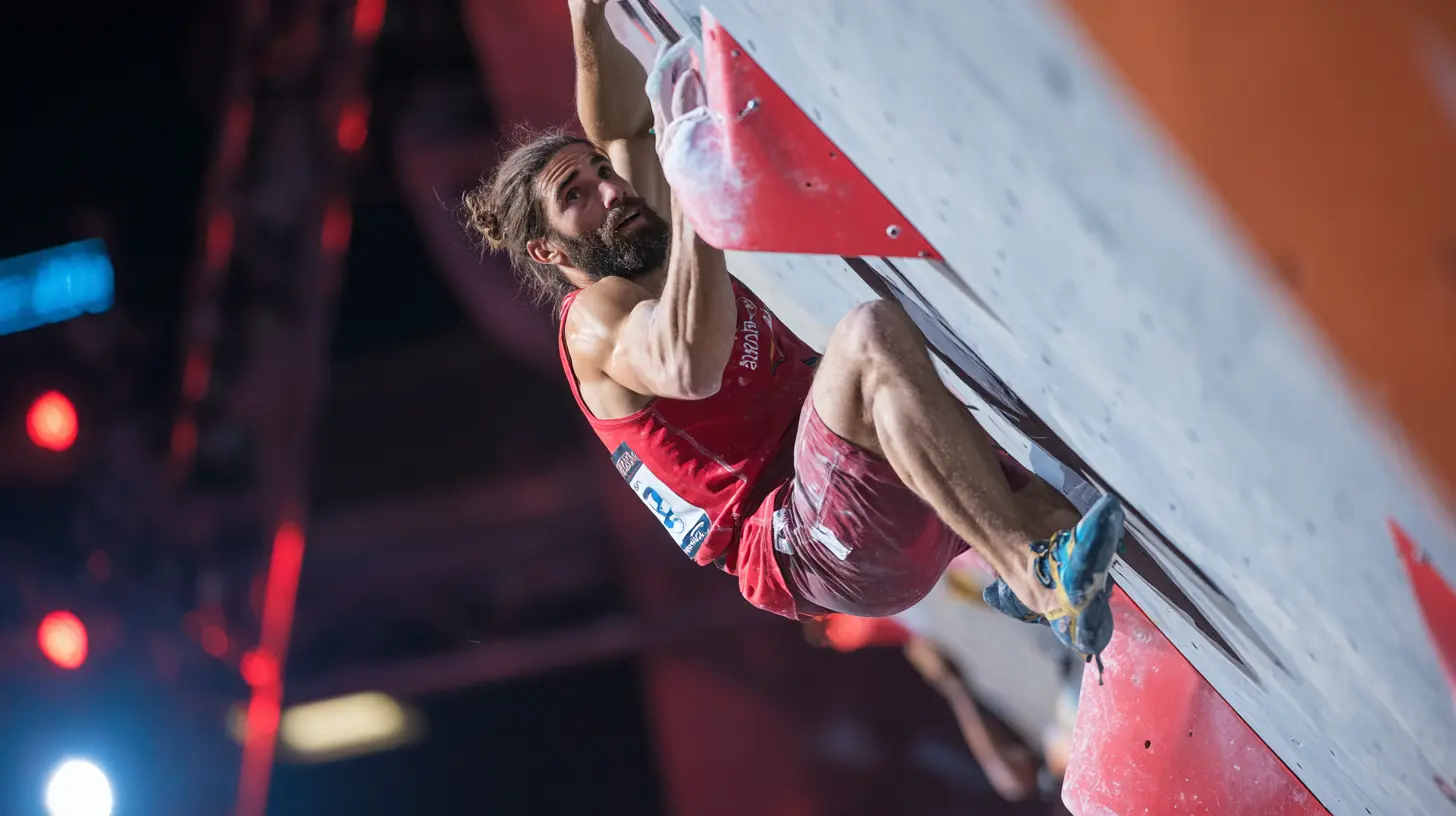
Training Implications for the 2026 Cycle
The modern competitive climber faces a scheduling problem. The three disciplines demand different physiological adaptations, and the calendar often forces choices. The 2026 championships will likely reward athletes who commit to one or two disciplines rather than chasing all three.Periodization Matters More Than Ever
A well-structured season alternates base building, strength work, power development, and peaking phases. Climbing has historically lagged behind sports like swimming or track in adopting formal periodization, but that is changing. Coaches now borrow from endurance sports, using heart rate monitoring, load tracking, and recovery protocols.Practical advice: map your competition calendar backward from the target event. Allow at least two weeks of taper before a major championship. Reduce volume while maintaining intensity. This preserves sharpness without accumulating fatigue.
Finger Health Is Non-Negotiable
Finger injuries are the most common setback in competitive climbing. The tendons and pulleys in the fingers adapt slowly, often more slowly than muscles. Young athletes and those increasing training load rapidly are especially vulnerable.Preventive measures that work:
- Progressive loading of fingerboard exercises rather than sudden spikes.
- Adequate rest between high-intensity sessions, often 48 hours or more.
- Antagonist training to balance the pulling muscles with pushing and stabilizing work.
What does not work: climbing through pain in the hope it resolves. Chronic finger issues can derail an entire season.
The Role of Mental Training
Sports psychology has become a genuine differentiator. Visualization, breath control, and pre-climb routines are now standard among top competitors. The ability to reset after a failed attempt, or to stay calm when a rival flashes a problem, often decides close contests.A useful analogy: think of a championship final as a series of free throws in basketball. The physical skill is assumed. What separates athletes is the ability to execute the same motion under pressure. Climbers who practice pressure situations, such as climbing in front of an audience or with a strict time limit, adapt faster.
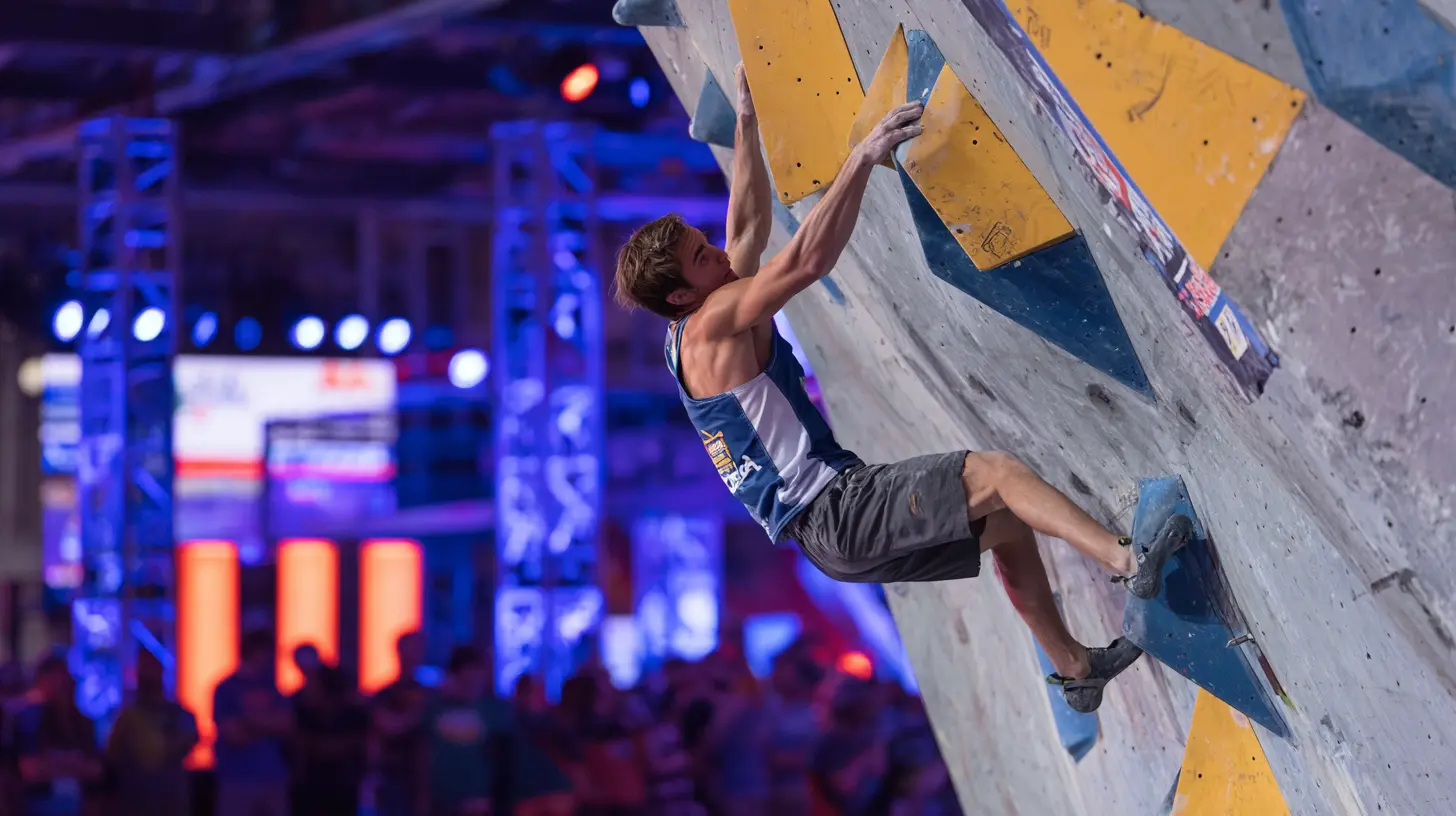
What Fans and Newcomers Should Know
If you are new to competitive climbing, the 2026 championships offer an accessible entry point. The broadcast format has improved, with commentators explaining route difficulty and athlete tactics. Here is how to get more from watching.Follow the Scoring, Not Just the Climbs
In bouldering, the attempt count matters as much as the top. In lead, the highest hold reached determines placement when no one completes the route. In speed, the clock is everything. Understanding the scoring turns a confusing spectacle into a clear narrative.Watch the Route Setting
Route setters are the unseen architects of the competition. They design problems and routes to separate athletes by skill, not luck. A well-set route has a clear crux, multiple possible solutions, and a difficulty curve that rewards the best climber on the day. When a route is poorly set, results can feel random, and athletes often say so publicly.Appreciate the Differences Between Athletes
Speed specialists are often explosive and compact. Lead specialists tend to be lean and endurance-oriented. Boulderers combine power with creativity. Watching how body types and styles correlate with discipline success is one of the more interesting aspects of the sport.Misconceptions That Deserve Correction
Several myths persist about competitive climbing. Addressing them helps both fans and aspiring athletes.- Myth: Climbing is primarily an upper-body sport. Reality: Legs and core do most of the work. Efficient climbers use their feet to push rather than their arms to pull.
- Myth: Taller athletes always have an advantage. Reality: Height helps on reachy moves but hurts on compressed, technical problems. Route setters deliberately balance these factors.
- Myth: Competition climbing is the same as outdoor climbing. Reality: The skills overlap, but competition demands specific tactics, time management, and the ability to perform in a single attempt.
- Myth: You need to start young to reach the elite level. Reality: While early exposure helps, many strong competitors began in their teens and progressed through structured training.
The Broader Impact on the Sport
The 2026 championships will influence more than the athletes competing. They shape gym culture, coaching certification, and youth programs. When a sport gains visibility, participation grows, and with growth comes the need for better safety standards and coach education.A likely development is further investment in youth pipelines. Countries that once relied on outdoor climbing culture are now building indoor training centers designed specifically for competition. This democratizes access but also raises questions about whether the sport's outdoor heritage will be preserved.
There is no single answer. Competitive climbing and outdoor climbing can coexist, but they require different commitments. The healthiest approach is for the competitive side to acknowledge its debt to outdoor ethics, and for outdoor purists to recognize that competition brings resources and attention that benefit the entire community.
Practical Takeaways
For athletes preparing for similar events:- Choose your discipline early and train specifically.
- Build finger strength gradually and protect it fiercely.
- Practice competition simulations, not just physical training.
- Develop a mental routine for pressure moments.
For coaches:
- Use periodization and track load.
- Prioritize recovery as much as intensity.
- Teach route reading and tactical decision-making, not just movement.
For fans:
- Learn the scoring systems to appreciate the strategy.
- Watch qualifying rounds, where the depth of the field is most visible.
- Follow athlete stories to understand the sacrifices behind the performances.
The 2026 Global Climbing Championships will not just crown champions. They will set a benchmark for how the sport handles growth, professionalism, and identity. How athletes, organizers, and fans respond will shape climbing for the next decade.
all images in this post were generated using AI tools
Category:
Upcoming TournamentsAuthor:

Onyx Frye