Sports, National Identity, and Globalization in 2027
19 April 2026
Ah, sports! That magical realm where countries unite, rivalries ignite, and even your grandma can become a die-hard fan (yes, she’s the one yelling at the TV every Sunday). Fast forward to 2027, and we find ourselves in a world where sports have evolved into a complex tapestry woven with threads of national identity and globalization. Buckle up, because we’re about to dive into this colorful sports universe where patriotism meets international camaraderie!
The New Face of National Identity
When National Pride Meets the Global Stage
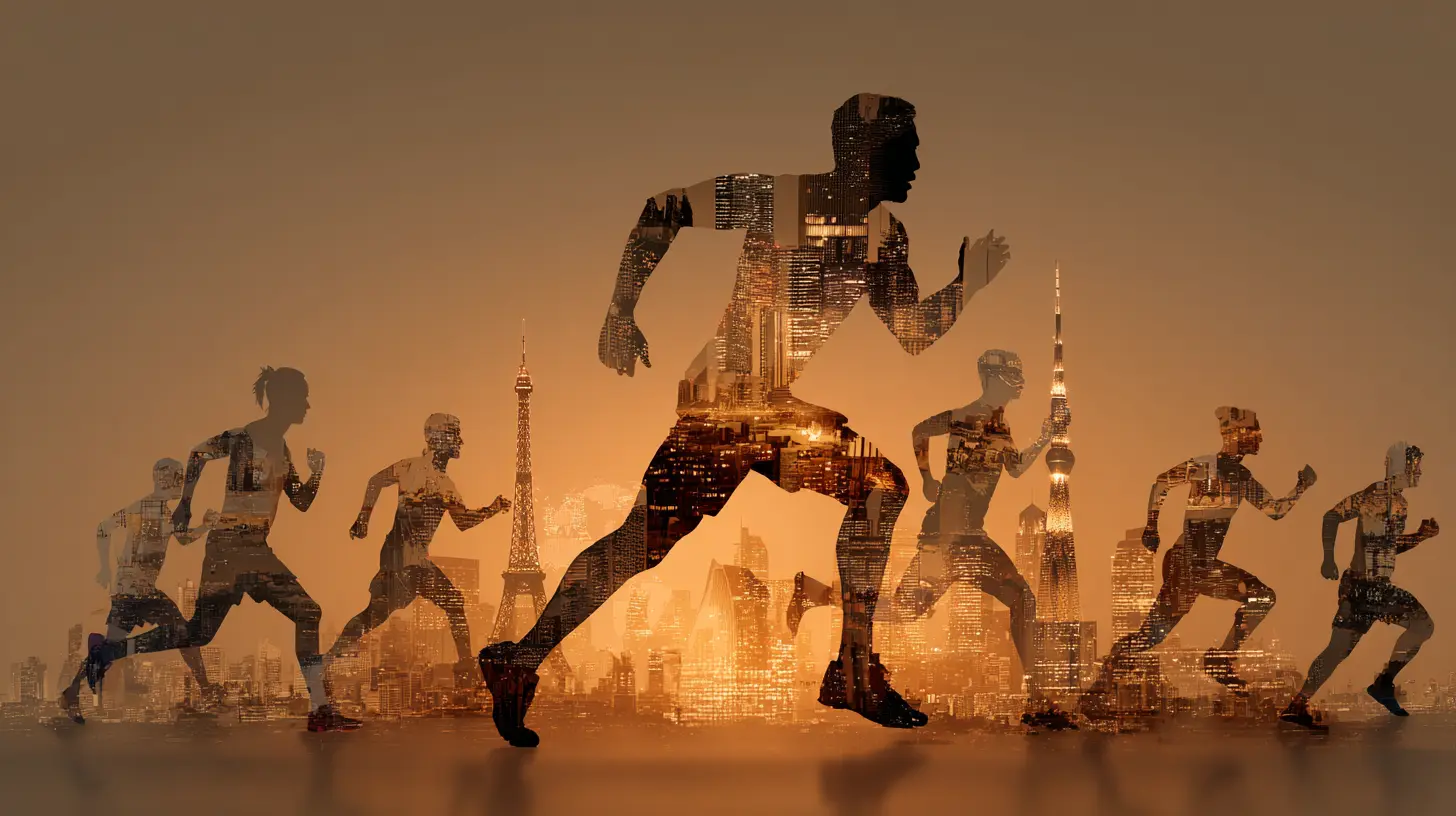
Remember the good old days when rooting for your favorite team was a straightforward affair? You were either a loyal supporter or a rival. But in 2027, national identity in sports has taken on a whole new dimension. Thanks to globalization, our teams are no longer just a collection of homegrown talent; they are melting pots of diverse backgrounds.Imagine a soccer team where the star player is from Brazil, the midfielder hails from Ghana, and the goalkeeper is a local hero from your very own backyard. This blend of cultures creates a unique national identity that transcends borders. It’s like a cultural salad, and who doesn’t love a good salad?
Team Colors: More Than Just Fabric
Wearing your team’s jersey used to symbolize your loyalty to a city or a country. Now, it’s a badge of honor that represents a global community. To put it simply, your favorite jersey has become a passport in the world of sports. While you might find yourself cheering for a team in your city, you're also celebrating the multicultural tapestry that forms the backbone of that very team.But what happens when your team’s star player starts tweeting in multiple languages? It can be delightful and downright confusing. One minute you're cheering in English, and the next, you’re Googling how to say “goal” in Portuguese.
Globalization: The Double-Edged Sword of Sports
The Good, the Bad, and the Commercial
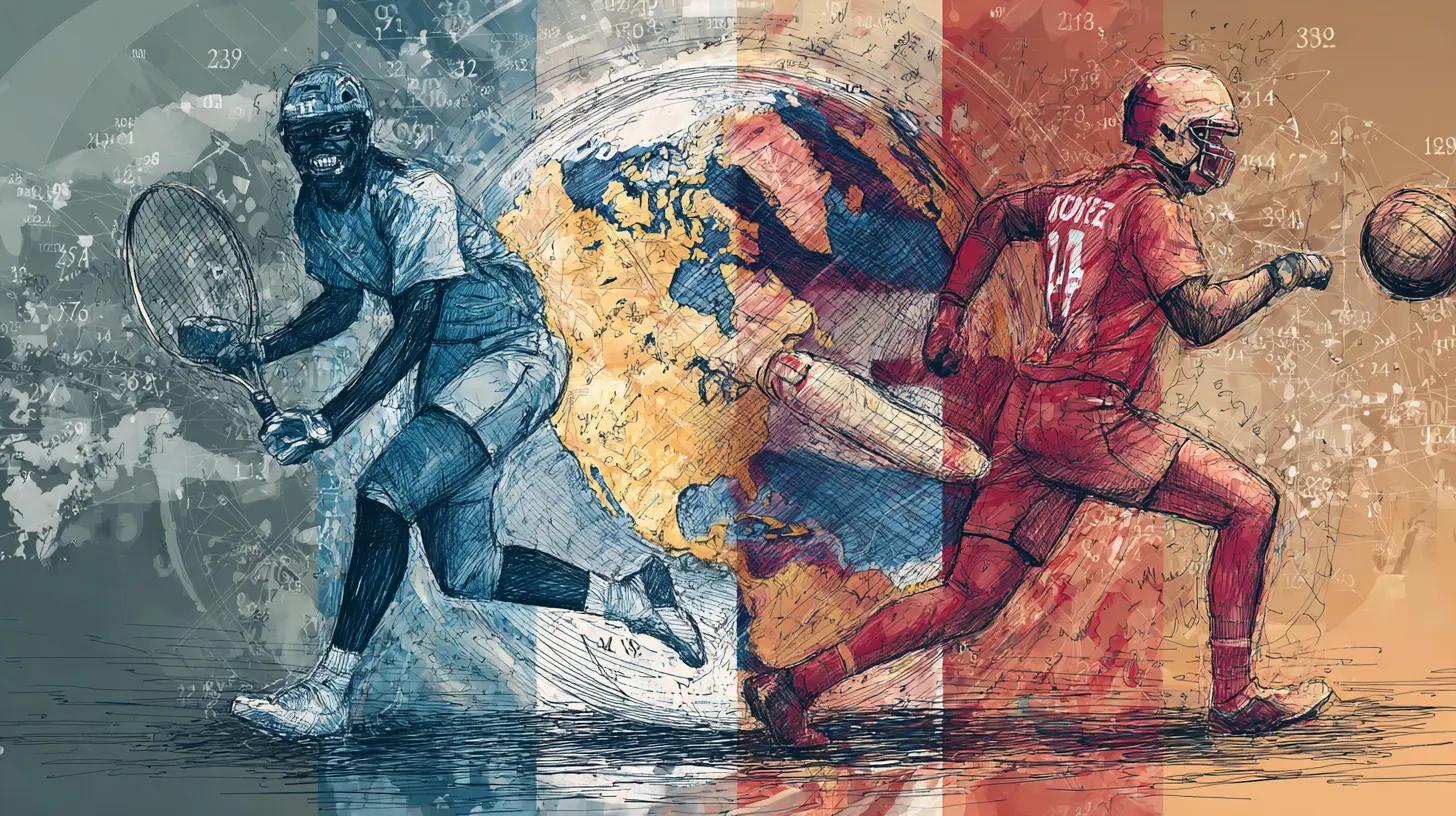
Globalization has turned sports into a thriving business. With TV deals, sponsorships, and merchandise sales soaring like a soccer ball kicked by Cristiano Ronaldo, the economic impact is undeniable. But hold your horses! It’s not all sunshine and rainbows.With more money flowing into sports, the pressure is on athletes to perform at their peak. Think about it: every goal, every dunk, every touchdown is scrutinized under the media microscope. Athletes are like modern-day gladiators, battling not just for glory but for lucrative contracts. This can lead to stress, burnout, and sometimes, a complete identity crisis. Who are they really playing for? Their country or their paycheck?
Cultural Exchange: A Beautiful Game
Despite the commercialization, globalization has opened doors to cultural exchange. The World Cup, the Olympics, and other international tournaments are not merely competitions; they’re celebrations of diversity! You get to see countries come together, showcasing their flags and traditions. Ever seen a synchronized dance routine during the opening ceremony? That's globalization at its finest!These events foster a sense of belonging, allowing fans from different nations to form connections. You may find yourself sharing a drink with a fan from another country, bonding over a shared love for the game. It’s like a giant family reunion—but with way more excitement and a lot less awkward small talk.
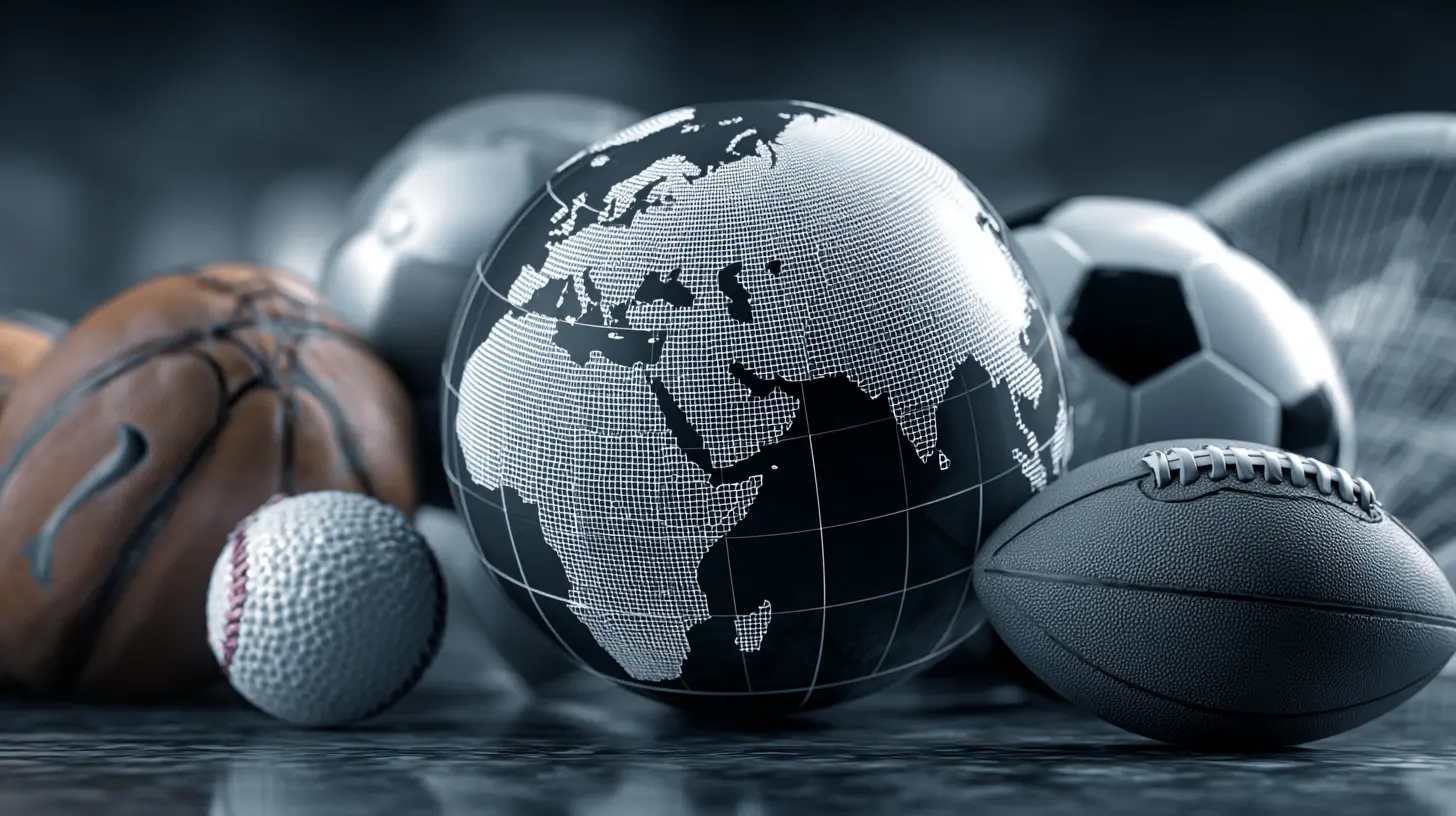
The Rise of Esports: A New National Identity
Gaming: The Sport of the Future
Newsflash! Traditional sports aren’t the only game in town anymore. Enter the world of esports, where millions of fans gather online to cheer for their favorite players. In 2027, esports have reached an unprecedented level of popularity, making it a legitimate part of our national identity.Picture this: your typical Sunday football game is now accompanied by live streams of esports tournaments. Youngsters are glued to their screens, cheering for teams from all over the globe, and let’s face it, they might have more fun than us old-timers shouting at the television.
Countries Unite in the Digital Arena
Esports has become a unique platform for showcasing national pride. Countries are forming national teams, competing in everything from League of Legends to Fortnite. In this digital arena, players represent their nations not by wearing team jerseys, but by sporting virtual skins, waving digital flags, and executing jaw-dropping maneuvers that leave us mere mortals in awe.Ever thought about the fact that a gamer from South Korea can compete against a player from Canada, all while you’re enjoying your nachos on the couch? That’s globalization in action, and it’s a game-changer for how we perceive sports!
The Role of Technology in Sports Culture
AI Coaches and Data Analytics
In 2027, technology is not just an accessory; it’s the backbone of sports. AI coaches, data analytics, and wearable tech have revolutionized how athletes train and perform. It’s like having a personal trainer who never sleeps and knows exactly how many calories you burned during that last intense match.Imagine players being analyzed in real-time, with data-driven strategies being fed directly into their earpieces. Sounds like something out of a sci-fi movie, right? But that’s the reality now. This technological shift means athletes can push their limits further than ever before, but it also raises questions about the future of competition.
Virtual Reality: The New Fan Experience
What if I told you that in 2027, you could attend a live sports event without stepping out of your home? With virtual reality (VR), fans can experience the thrill of a game from the best seat in the house—literally—without the hassle of traffic or overpriced popcorn.You can be front row, cheering alongside fans from around the world, all from your living room. It’s a game-changer for accessibility, allowing people who may not have the means to travel to experience the excitement of live sports.
The Future of Sports: What Lies Ahead?
A Blend of Tradition and Modernity
As we look ahead, one thing is clear: sports will continue to evolve. The fusion of traditional sports with modern elements like esports and technology will create a unique environment where national identity and globalization intermingle.What does that mean for fans? Well, get ready for hybrid events where you can watch traditional games alongside virtual competitions. It’s like a buffet where you can pick and choose your favorites without the guilt of overindulging.
Embracing Diversity in Every Game
In 2027, the world of sports will embrace diversity like never before. With athletes from various backgrounds sharing their stories, each game will be more than just a competition; it will be a celebration of cultural heritage. Whether it’s a soccer match or a gaming tournament, expect to see athletes sharing their journeys and connecting with fans on a personal level.
Conclusion: Sports as a Unifying Force
So, what have we learned about sports, national identity, and globalization in 2027? It’s a rollercoaster ride of culture, emotion, and camaraderie. Sports have transformed from being a mere competition to a global celebration of our shared humanity.While national pride remains a crucial aspect, it’s the blend of cultures that truly enriches the sports landscape. Whether you’re a die-hard fan or a casual observer, one thing is for sure: sports will continue to bring people together across borders, creating memories that last a lifetime.
So next time you watch a game, remember that you’re part of something bigger. You’re not just witnessing a match; you’re partaking in a global phenomenon that transcends boundaries. Now, grab your favorite team’s jersey, a cold drink, and get ready to cheer—because the game is on!
all images in this post were generated using AI tools
Category:
Sports And SocietyAuthor:

Onyx Frye
Discussion
rate this article
2 comments
Fleur McKee
In 2027, sports continue to shape national identity amid globalization. Local cultures blend with international influences, creating a unique landscape where tradition meets modernity, inspiring unity and competition worldwide.
June 10, 2026 at 11:39 AM
Onyx Frye
That's a compelling vision for 2027. The fusion of local and global elements in sports truly highlights how they can foster both identity and connection across cultures. Exciting times ahead!
Zeno Wade
In 2027, the interplay of sports and national identity underscores our shared humanity, transcending borders. As globalization evolves, let’s cherish local pride while fostering global unity through our love for the game.
April 19, 2026 at 12:04 PM
Onyx Frye
I appreciate your insight. Sports do have a unique way of bridging divides and highlighting our common bonds, even in a globalized world. Let's continue to celebrate both local roots and global connections.