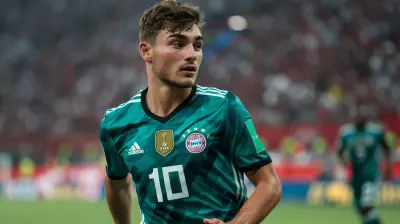
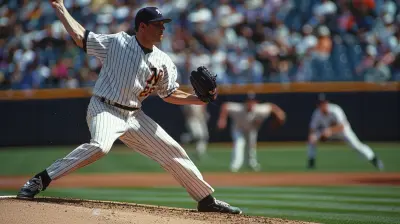
Sports as a Bridge for Cultural Understanding
15 August 2026
Sport has a strange power. It can divide a stadium into two roaring halves, yet unite a city in a single night. It can spark national pride that borders on arrogance, then humble that same nation in a penalty shootout. But beneath the noise, the rivalries, and the trophy parades, sport does something quieter and more important: it creates a space where people who share almost nothing else can find common ground. That is not a cliché. It is a mechanism, and it works in ways that are often misunderstood.
The Shared Language of Rules and Play
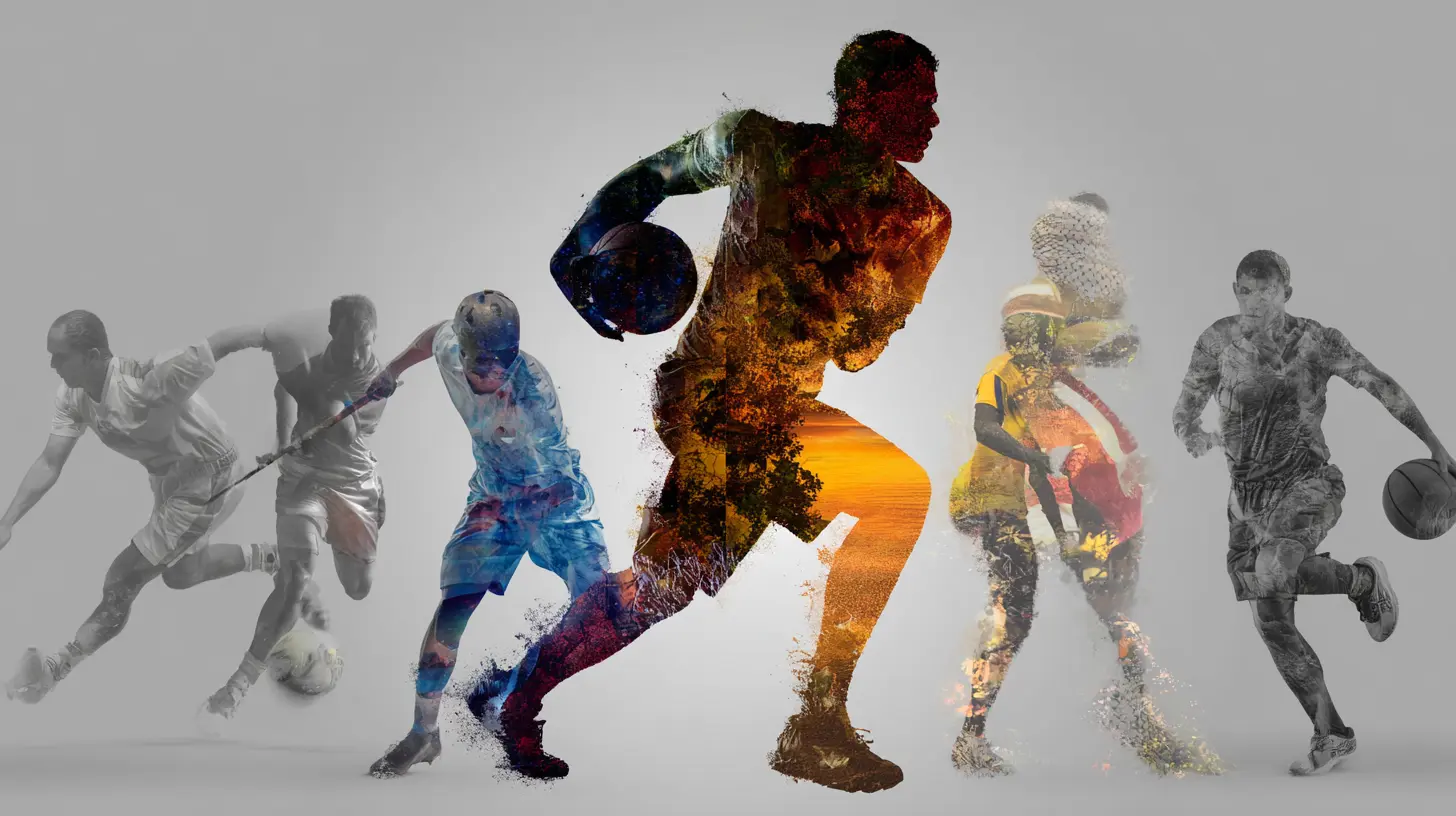
Every culture on Earth has some form of play. Children invent games with sticks and stones before they learn to speak properly. Adults organize competitions with elaborate rules that govern everything from the size of a ball to the number of steps a player can take. This universality is the first reason sport works as a cultural bridge. You do not need to speak Portuguese to understand what a goal means in Brazil. You do not need to know the history of apartheid to feel the weight of a Springbok jersey in South Africa. The rules of the game are a language in themselves, and once you know them, you can communicate with anyone else who knows them.This is not a small thing. In diplomatic settings, interpreters and translators spend hours trying to capture nuance, tone, and subtext. On a basketball court, a pass is a pass. A foul is a foul. The referee's whistle is understood in every country on the planet. That clarity, that shared framework, is the foundation upon which deeper understanding can be built. It is why the United Nations has repeatedly used sport in peacebuilding programs, why the Olympic Truce exists in theory, and why grassroots organizations from the Middle East to the Balkans have used football to bring together children from communities that cannot even agree on how to spell their own shared history.
The Power of Shared Emotional Experience
Rules get you in the door. Emotion keeps you in the room. Anyone who has watched a World Cup match in a crowded bar with strangers from different countries knows this. When the ball hits the back of the net in the 89th minute, the high-five you exchange with a person you do not know is not a political statement. It is a human one. That moment of shared joy, or shared agony, breaks down barriers faster than any workshop or lecture ever could.This works on a larger scale too. Consider the 1995 Rugby World Cup in South Africa. Nelson Mandela, recently released from prison, famously wore the Springbok jersey, the symbol of white Afrikaner dominance, to the final in Johannesburg. That single act, combined with the Springboks' victory, did more to reconcile a fractured nation than years of political negotiation. It was not the sport itself that healed the country. It was the shared experience of watching, hoping, and celebrating together. The emotion came first. The understanding followed.
The same dynamic plays out in smaller, less dramatic ways every day. A pickup basketball game in a public park in New York brings together immigrants from the Dominican Republic, Senegal, and Poland. They do not discuss immigration policy. They argue about fouls, laugh at missed shots, and shake hands at the end. Over time, they learn each other's names, then each other's stories. The game is the bridge. The friendship is the destination.
When Sport Fails as a Bridge
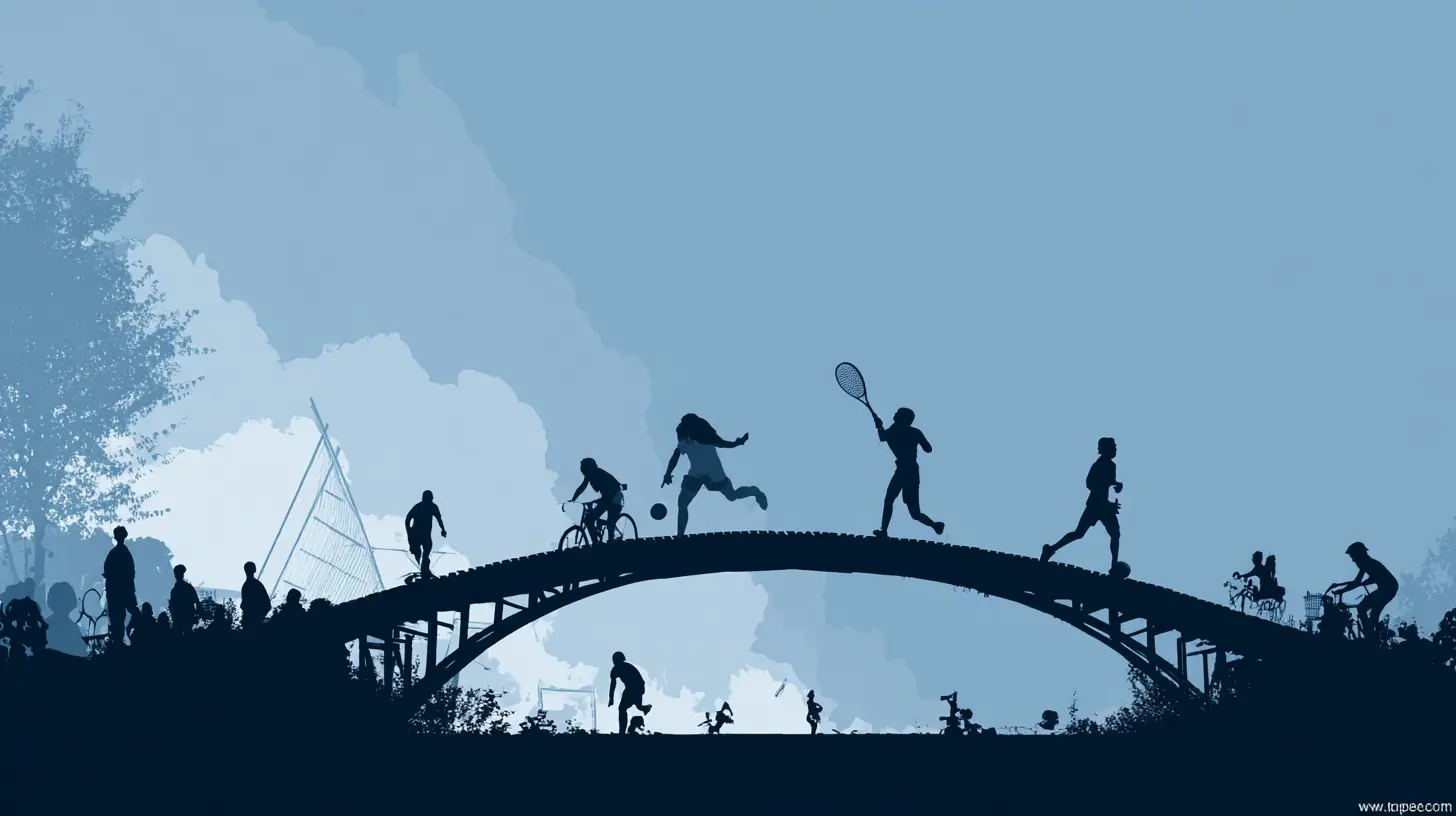
It would be naive to pretend sport always builds bridges. It can just as easily reinforce stereotypes, deepen rivalries, and provide a stage for nationalist aggression. The football hooliganism of the 1980s in Europe was not a misunderstanding. It was tribalism dressed in replica shirts. The "war" between Honduras and El Salvador in 1969, often called the Football War, was rooted in land and immigration disputes, but the qualifying matches for the World Cup lit the fuse. Sport did not create those tensions, but it provided a channel for them.The mistake many well-meaning programs make is assuming that simply putting people from different cultures on the same team will produce understanding. It will not. If the group is unequal, if one side dominates the other, if the games are played in a context of distrust, sport can reinforce the very divisions it is meant to heal. A friendly match between a wealthy national team and a poor one does not automatically create solidarity. It can create resentment. The key variable is not the sport itself. It is the structure around the sport.
The Conditions That Make Sport Effective
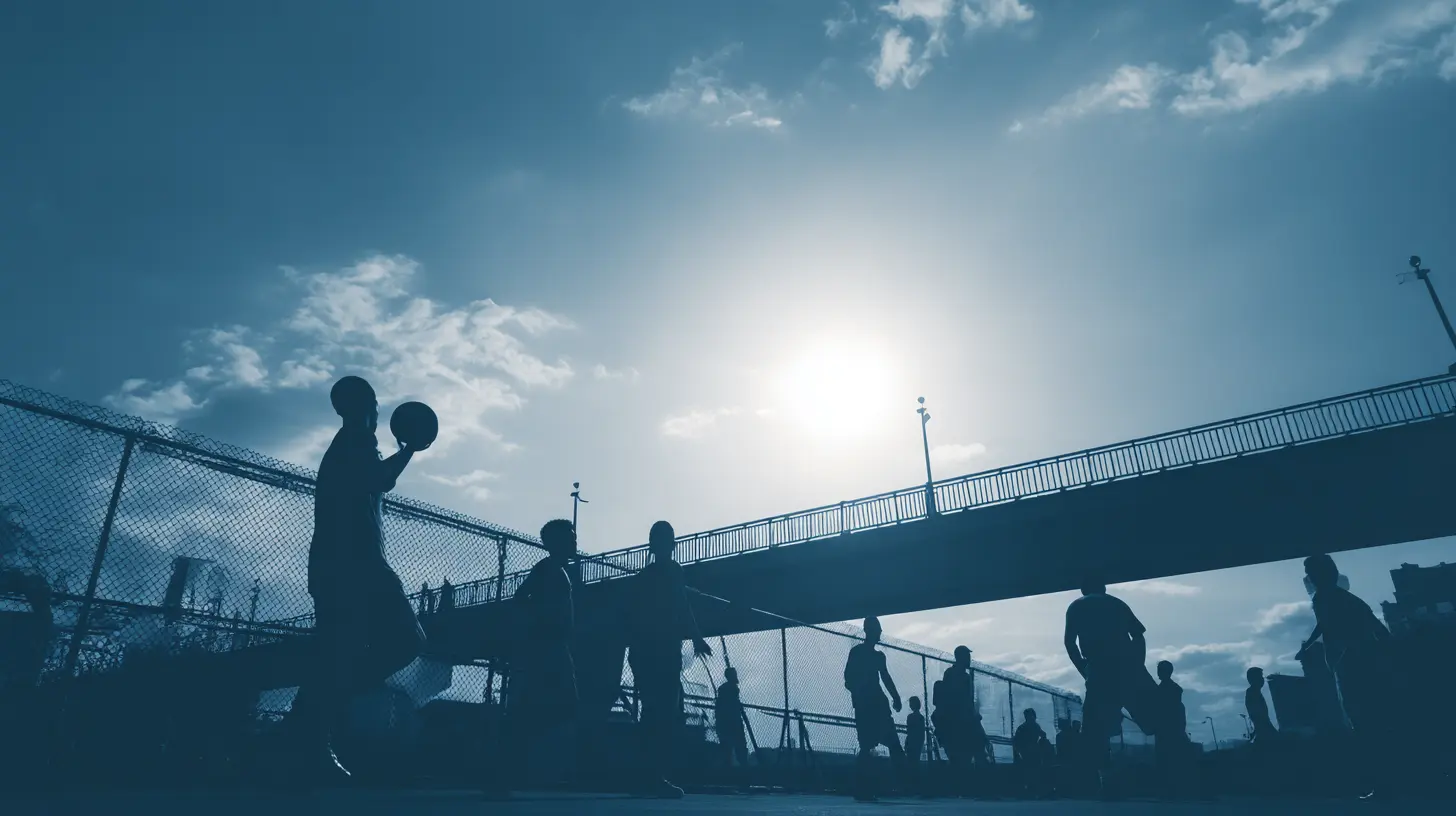
For sport to function as a genuine bridge, certain conditions must be met. First, the participants must be treated as equals. That sounds obvious, but it is often violated. Many international exchange programs bring athletes from wealthy countries to "help" communities in poorer ones. The visiting athletes arrive with new equipment, new shoes, and a sense of missionary purpose. The local athletes receive charity. That dynamic does not build mutual understanding. It builds hierarchy.A better model is the one used by organizations like Football for Peace, which operates in divided communities in Israel, the West Bank, and Jordan. In those programs, coaches from both sides are trained together. They plan the sessions together. They rotate leadership roles. The goal is not to produce great footballers. It is to produce a situation where the Israeli coach and the Palestinian coach must cooperate, solve problems together, and see each other as colleagues rather than enemies. The football is the excuse. The relationship is the point.
Second, the sport must be played in a safe environment. That does not mean a sterile one. Competition is good. Intensity is good. But there must be clear rules for conflict resolution, and the referees or facilitators must be impartial and respected. Without that, disputes on the field can quickly become disputes off it, and the bridge collapses into a battleground.
Third, there must be time for reflection. Playing a match is not enough. If you simply play and leave, you have had a fun afternoon with strangers, but you have not processed anything. Effective programs build in time for discussion after the game. What did you notice about how the other team played? What surprised you? What frustrated you? These conversations are where the real learning happens. The sport provides the shared experience. The discussion turns that experience into understanding.
The Role of Major International Events
Major events like the Olympics and the World Cup are often cited as examples of sport's unifying power. The evidence is mixed. On one hand, these events do create moments of cross-cultural celebration. The Olympics, in particular, bring athletes from over two hundred nations to the same village, where they eat together, train together, and share stories. Many athletes say the Olympic Village is the best part of the Games, not the competition. That is a real and valuable form of cultural exchange.On the other hand, these events are also massive exercises in nationalism. The medal tables are read as rankings of national power. The opening ceremonies are choreographed displays of national identity. For every heartwarming story of two rival athletes hugging after a race, there are dozens of cases where the press and the public interpret results through a narrow, nationalist lens. The 2022 World Cup in Qatar, for example, brought fans from around the world together in Doha, but it also exposed deep cultural and political tensions, particularly around LGBTQ rights and labor conditions. The event did not resolve those tensions. It simply placed them side by side in the same city.
So what is the takeaway? Major events are not useless for cultural understanding, but they are not sufficient. They create a stage, but the play still has to be written. The real work happens in the community programs, the school leagues, the refugee teams, and the mixed-nationality clubs that operate far from the television cameras. Those are the places where sport actually changes how people see each other.
Practical Advice for Coaches and Program Leaders
If you are a coach, a teacher, or a community leader who wants to use sport to build cultural understanding, here is what works in practice.Start with mixed teams. Do not put the two cultures on opposite sides. Mix them. The point is not to win a match against the other group. The point is to learn how to cooperate with people who are different from you. When you mix teams, every player has to communicate with someone who does not share their assumptions. That is the exercise.
Use cooperative games before competitive ones. In the first few sessions, play games that require joint problem-solving rather than opposition. For example, a game where the whole group must move a large ball across a field while holding hands, or a relay where each pair has to figure out a puzzle before they can run. These games create early wins, build trust, and establish a pattern of cooperation that will carry over into competitive play later.
Establish clear norms for communication. If the group is multilingual, agree on basic terms for the game in everyone's language. Teach the word for "pass" in each language. Teach the word for "well done." This is not just practical. It is a sign of respect. It says that every culture in the room matters.
Address conflict head-on, but calmly. When a dispute happens on the field, do not ignore it. Stop the game, ask both sides to explain their perspective, and let the group decide how to resolve it. This turns a potential breakdown into a lesson in perspective-taking. It also models a way of handling disagreement that players can use outside of sport.
Do not force the cultural discussion. Some players will want to talk about their backgrounds. Others will not. Respect that. The sport is the shared activity. The conversation will happen when it happens. Pushing it too hard can create awkwardness and resistance.
Common Misconceptions About Sport and Culture
One of the biggest misconceptions is that sport automatically produces respect. It does not. It can produce respect if the conditions are right, but it can also produce arrogance, contempt, and stereotyping. A strong team from one culture may look down on a weaker team from another. A team that loses badly may blame the referees, the conditions, or the "unfair" style of the opponents. Without facilitation, sport can simply reinforce existing biases.Another misconception is that cultural understanding means erasing differences. It does not. The goal is not to make everyone the same. The goal is to make it possible for different people to work together, enjoy each other's company, and appreciate what each brings to the field. A Brazilian player's flair and a German player's discipline are different, but both are valuable. The best teams are not the ones where everyone plays the same way. They are the ones where different styles complement each other.
A third misconception is that this only matters in conflict zones. That is false. Cultural understanding is relevant everywhere. A school in a small town in the American Midwest may have students from twenty different backgrounds. A company in London may have employees from thirty countries. A community sports league in any city in the world is a microcosm of that city's diversity. The skills required to make that diversity work, communication, respect, patience, and flexibility, are the same skills that make sport a bridge. They are also the skills that make societies function.
The Limits of Sport
It is important to be honest about what sport cannot do. Sport cannot solve structural inequality. It cannot end wars. It cannot erase racism or poverty. Anyone who claims that a football tournament will fix deep-rooted social problems is selling a fantasy. What sport can do is create a space where people can see each other as human beings, rather than as representatives of a hostile group. That is a necessary first step, but it is only a first step.There is also a risk of using sport as a distraction. Governments and organizations sometimes fund sports programs to avoid dealing with harder issues. They build a basketball court in a divided neighborhood and call it peacebuilding, while ignoring the housing discrimination, the unequal schools, and the police violence that actually drive the division. That is not building a bridge. It is painting over a crack. Sport should be part of a larger strategy for social change, not a substitute for it.
What the Future Holds
The future of sport as a cultural bridge will be shaped by technology and migration. As more people move across borders, the teams in our cities are already becoming more diverse. This is not a trend that will reverse. The question is whether we will manage that diversity well or poorly. Sport is one of the few institutions that people actually like. Kids want to play. Adults want to watch. That gives sport a unique position. It can reach people who would never attend a lecture on cultural sensitivity but will happily join a pickup game.Digital technology also offers new possibilities. Esports, online chess leagues, and virtual fitness competitions bring together players from countries that have no physical connection. These platforms are still young, and they have their own problems, including toxic chat rooms and cheating, but they are already creating cross-cultural interactions that would have been impossible twenty years ago. A teenager in Jakarta can play on a team with a teenager in Buenos Aires. They will never meet in person, but they will learn to coordinate, to trust, and to compete together. That is a bridge, even if it is a digital one.
A Final Word on the Human Element
At its core, sport is a human activity. It is not about the ball, the rules, or the trophies. It is about people pushing themselves, working together, and dealing with success and failure in front of others. When people from different cultures do that together, they learn things that cannot be taught in a classroom. They learn that the opposing player has the same fear of failure, the same joy in victory, the same frustration with bad refereeing. They learn that the person on the other side of the net is not so different after all.That does not mean they will become best friends. It does not mean they will agree on politics, religion, or philosophy. It means they will have a shared reference point, a common experience, a story they can both tell. And in a world that is increasingly divided along lines of nationality, ethnicity, and ideology, that shared story is worth more than gold. Sport is not a magic wand. It is a tool. And like any tool, it works best in the hands of people who know what they are doing. The good news is that the knowledge is out there. The better news is that the players are ready. They have always been ready. They just need the field.
all images in this post were generated using AI tools
Category:
Sports And SocietyAuthor:
Onyx Frye
Discussion
rate this article
2 comments
Morgan Marks
Great insights! Sports truly bring people together and foster connections across different cultures... love this perspective!
August 23, 2026 at 4:37 AM
Onyx Frye
Thanks for the kind words! I'm glad you enjoyed the perspective on how sports unite us all.
Haze Martinez
Sports truly unite people, fostering understanding and breaking down cultural barriers.
August 19, 2026 at 3:12 AM
Onyx Frye
Absolutely! Sports have a unique way of bringing diverse communities together, creating shared experiences that promote understanding and respect.