Rivalries Renew at the 2026 Six Nations Rugby Tournament
8 September 2026
The 2026 Six Nations Championship arrives with a familiar charge, yet the air around it feels different. The tournament has always been the heartbeat of northern hemisphere rugby, a brutal and beautiful collision of history, pride, and tactical evolution. But as the calendar flips to February 2026, the usual narratives of who is in form and who is rebuilding are overshadowed by something more primal: the renewal of rivalries that have been simmering since last year's World Cup cycle and the explosive domestic seasons that followed.
This is not just another edition of the oldest international rugby competition. It is a referendum on the direction of the game itself, played out through the lens of national grudges that date back over a century. To understand what makes this year's tournament genuinely compelling, you have to look beyond the fixture list and into the tectonic shifts in coaching philosophy, the injury crises that have reshaped squads, and the psychological weight carried by each captain. The 2026 Six Nations is not a sprint; it is a series of psychological warfare campaigns masquerading as rugby matches.
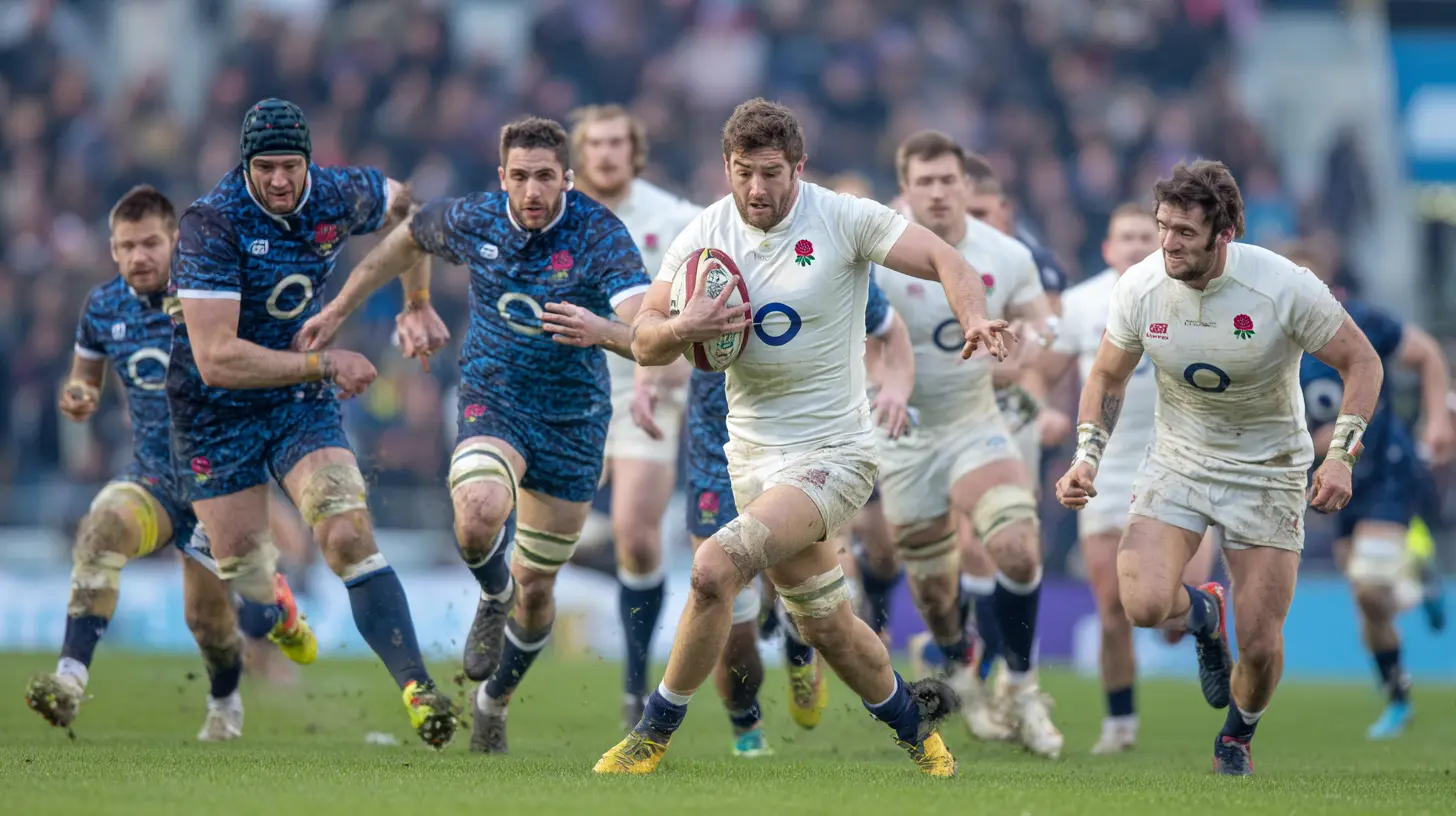
The Shifting Power Dynamic in the North
For the better part of the last decade, the narrative has been about closing the gap on the southern hemisphere giants. But 2026 presents a different problem: the gap is now between the top two and the rest. The tournament has often been described as a two-tiered competition, but rarely has that split looked as stark as it does heading into this year. The teams that finished in the top half of the 2025 table have evolved their attacking structures to a point where their floor is remarkably high. The bottom half, meanwhile, are stuck in a cycle of transitional seasons, unable to consistently field their best XV due to club-versus-country scheduling pressures and a worrying lack of depth in the front row.The 2026 edition will not be won by the team with the flashiest backs. It will be won by the team that manages its squad's physical load across the eight-week window with the most ruthless efficiency. We have seen time and again how a team can win three matches, lose momentum to a key injury, and then stumble into a final-day loss that costs them the title on points differential. The coaching staffs that treat the tournament as a single, continuous campaign rather than five isolated cup finals will hold the advantage.
The Home Advantage Myth
Everyone talks about the cauldron of the Stade de France or the fortress of Twickenham, but the data from the last five years suggests that home advantage in the Six Nations is no longer the guaranteed swing factor it once was. Referees are more consistent with the breakdown interpretations, and the style of play has become so structured that it suffocates the chaos that home crowds used to inspire. The 2026 tournament will likely see more away wins than ever before, not because travel is easier, but because the tactical discipline required to win on the road has finally caught up with the emotional lift of playing in front of 80,000 partisan fans.This is a critical point for bettors and casual fans alike. Do not assume that a team like France, playing in Lyon or Marseille, automatically gets a six-point boost just because of the crowd. The real advantage now lies in the team that can slow the game down when they are away and speed it up when they are at home. The ability to manipulate the tempo is the single most underrated skill in modern international rugby, and it will decide at least two of the matches in this year's tournament.
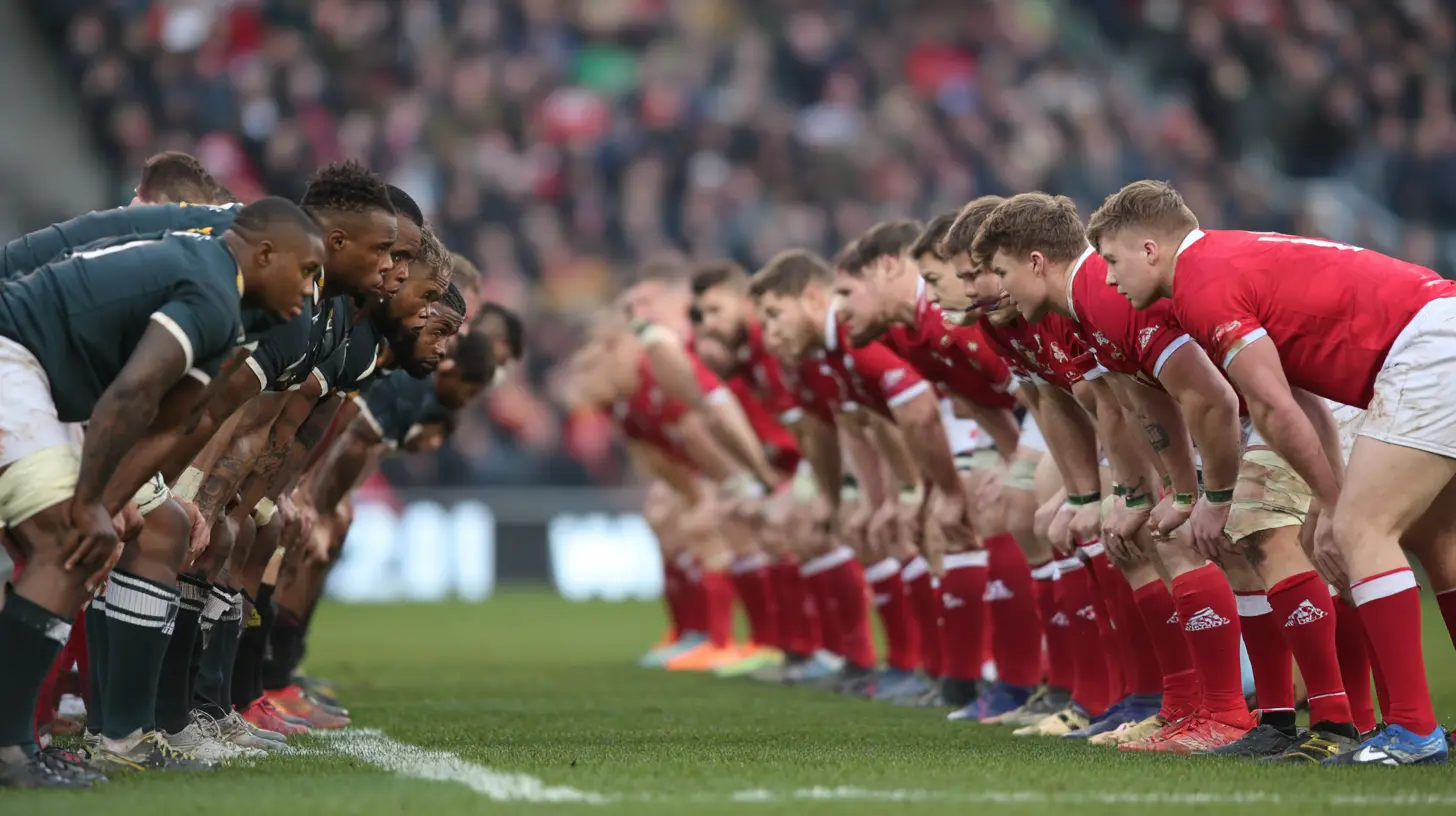
The Breakdown Battle: Where Matches Are Won or Lost
If you want to understand why certain teams will rise and fall in 2026, stop looking at the fly-half's passing stats and start watching the jackal. The breakdown has become the single most contested area of the pitch, and the officiating interpretation of the "release" and "clear-out" laws will shape the entire championship. In 2025, we saw a clear divergence in how teams approached this phase. The most successful sides stopped trying to win turnovers on the ground and instead focused on slowing down the ball to a crawl, allowing their defensive line to reset and push the attack wide into touch.This is a controversial tactical shift, and it is one that the referees have not fully caught up with. The teams that will succeed in 2026 are the ones that have adapted their clear-out patterns to the new, stricter interpretations around neck rolls and the "hinge" of the ruck. The teams that will fail are the ones still trying to send a second player over the ball when the referee has already signaled "use it." This is not about raw strength; it is about precision timing and legal footwork. Watch for the number seven and the blindside flanker to be the most influential players on the pitch, not the flashy wingers.
The Fallacy of the "Cheap" Penalty
There is a common misconception that winning a penalty at the breakdown is always a positive outcome. In the modern game, a penalty is only valuable if you are in kicking range or if it relieves pressure in your own twenty-two. Too often, teams are conceding turnovers in the middle of the field because they are greedy for the turnover, and then they are forced to kick to touch from a difficult angle. The best practice in 2026 is to contest the breakdown only when you are within your own defensive structure and have numbers in the tackle area. Otherwise, the priority should be to get off the ground, realign, and prepare for the next phase.This sounds obvious, but the emotional lure of a big turnover in front of your own posts is too strong for many players. The teams that have done their video analysis will know exactly which opposing players are likely to hold onto the ball an extra split second, and they will target those specific runners with a chop tackle followed by a rapid jackal. That is the difference between a good defensive team and a championship-winning one.

Tactical Kicking Evolution: The Contested Box Kick
The box kick has been a staple of the northern hemisphere game for a decade, but the 2026 version is a different animal entirely. The old approach was to kick high and hope the chaser arrived at the same time as the ball. The new approach, pioneered by several Premiership and Top 14 sides, is the "contested spiral." This is a longer, flatter kick that is aimed not at space but at a specific player's outside shoulder, forcing the fullback to turn and run backwards. The result is a slower counter-attack and a higher chance of a knock-on under pressure.This is a high-risk, high-reward strategy that can backfire spectacularly if the kick is slightly overcooked. But the teams that have the aerial specialists in the back three will use this as their primary weapon to pin teams into their own corners. The trade-off is clear: you sacrifice the guaranteed possession of a short restart or a lineout on the halfway line for a 50-50 chance of forcing a turnover deep in enemy territory. The teams that have the confidence in their chasers to win that 50-50 will be the ones that break the game open. Those that do not will be stuck in a kicking duel that bores the crowd and plays into the hands of the underdog.
The Role of the Fly-Half as a Second Playmaker
Gone are the days when the fly-half was purely a distributor. The 2026 Six Nations will see a shift towards the "second five-eighth" model, where the inside centre operates as an auxiliary playmaker, taking the ball flat and distributing to the wings. This is not a new concept, but the execution level has risen dramatically because of the athleticism of modern centres. The problem is that this requires a specific skill set that is incredibly rare. You cannot simply put a crash ball merchant at inside centre and ask him to throw cut-out passes under pressure.The teams that have a genuine dual-playmaker setup will be able to attack the blitz defense effectively. The teams that do not will be forced to rely on the fly-half and the fullback for creativity, which is a predictable pattern that international defenses will eat alive. Watch for the selection choices in the midfield. If a coach picks a big, physical runner at twelve, they are signaling a forward-oriented game plan. If they pick a passer, they are signaling an intent to stretch the defense wide. The best coaches will mix this based on the opposition, but the ones who commit to one style for the entire tournament will be found out by week three.
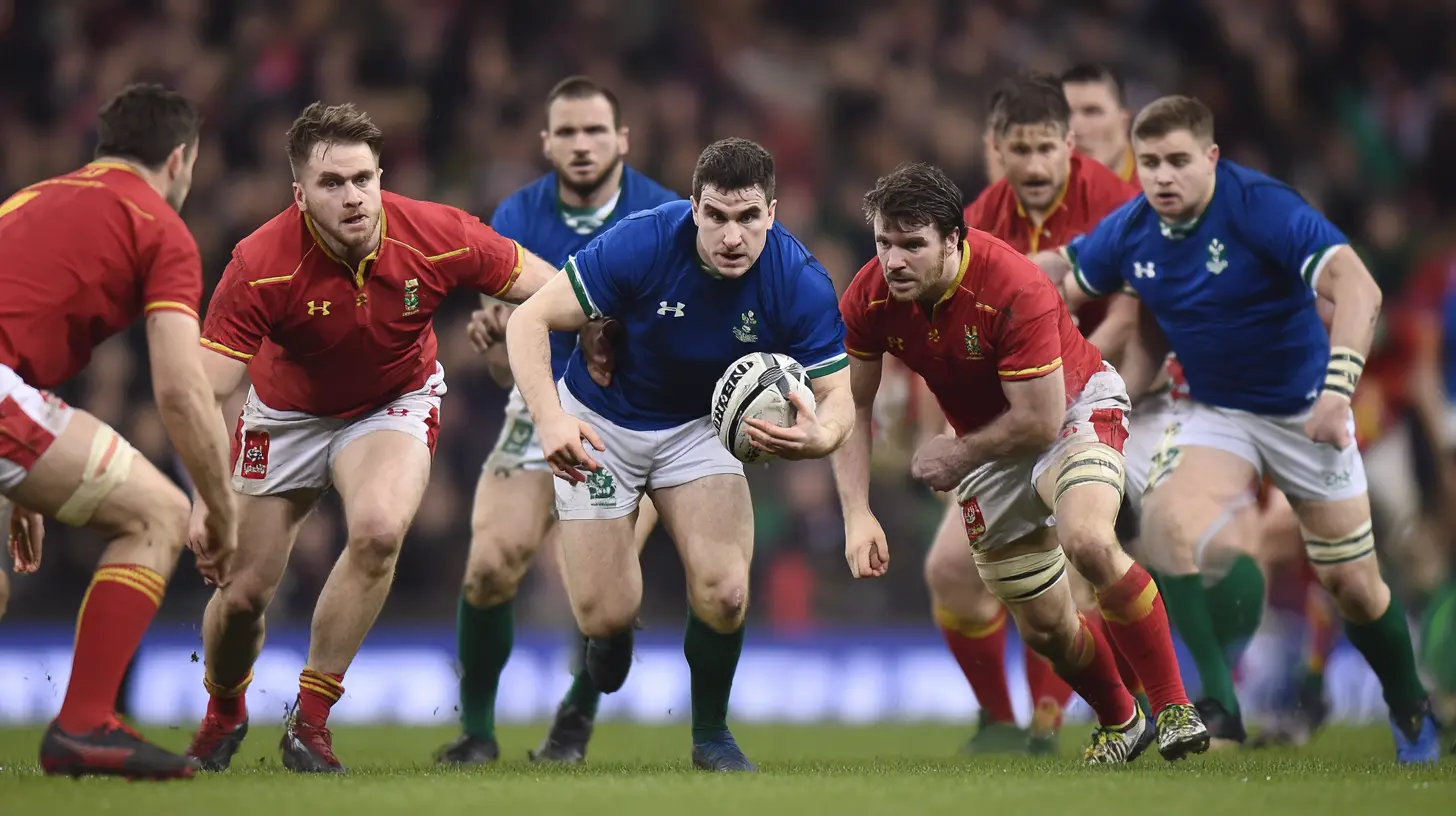
The Physical Toll of the Club Season
We cannot discuss the 2026 tournament without addressing the elephant in the room: the grueling club season that precedes it. The players arriving in the international squad are carrying the physical and mental fatigue of ten to twelve high-intensity club matches. The coaches who pretend this is not a factor are lying to themselves. The 2026 edition will be decided by the squads that can rotate their bench effectively and keep their key players fresh for the final twenty minutes of each match.The misconception is that you should always pick your best fifteen players for every match. The reality is that the best fifteen on paper is rarely the best fifteen on the pitch in round four after two tough away games. The successful teams will use their squad depth early in the tournament to blood younger players in low-pressure situations, ensuring that the veterans are not burnt out by the time the title is on the line. This is a delicate balancing act, and getting it wrong can have catastrophic consequences for morale.
The "Rolling" Injury Crisis
Every year, the media hypes up a supposed injury crisis for one or two teams. The truth is that every team in the Six Nations has a depth chart that is two or three players deep at every position, and the difference between winning and losing is often the quality of the third-choice player, not the first-choice star. The teams that have invested in their academy systems and have a clear pathway for young players to step into the senior squad without a drop in performance will be the ones that survive the inevitable injuries that come with a tournament played in the depths of winter.The common mistake is to panic and call up a veteran who is past his prime when a young player is injured. The best practice is to trust the development system and give the untested player a chance to prove themselves. Sometimes they will fail, but the long-term benefit of having a player with twenty caps by the time they are twenty-five far outweighs the short-term risk of losing a single match. This is a philosophy that requires patience, which is a commodity in short supply in the high-pressure world of international rugby.
The Psychological Edge: Managing Expectations
The 2026 tournament will be as much a mental battle as a physical one. The pressure on the home nations, particularly England and Wales, will be immense. The media cycle demands instant results, and the coaches are under constant scrutiny. The teams that can isolate themselves from the noise and focus on their own processes will have a distinct advantage.We have seen this play out historically. The teams that win the tournament are rarely the ones with the most talent. They are the ones with the most resilient mental approach, the ones that can bounce back from a narrow defeat in round two to win their remaining three matches. The teams that spiral out of control after a controversial loss are the ones that finish fifth or sixth. The coaches who have a clear psychological framework for dealing with adversity, whether that is a sports psychologist or a simple focus on the next training session, will be the ones who guide their teams through the storm.
The Danger of "Going Through the Motions"
There is a real risk in the modern game of teams playing not to lose rather than playing to win. This is especially true in the Six Nations, where the fear of a humiliating defeat can be more powerful than the desire for a famous victory. The teams that play with fear in their eyes will kick too much, make conservative decisions at the breakdown, and ultimately hand the initiative to their opponents.The best teams in 2026 will be the ones that have adopted a "no fear" mentality. This does not mean playing recklessly. It means making decisions based on what is happening in front of you, not on what the scoreboard might say if you fail. This is a subtle but crucial distinction. A team that is willing to run the ball from their own twenty-two with five minutes left and a three-point lead is a team that trusts its processes. That trust is built in training, through repetition and honest feedback. It cannot be faked on match day.
The Referee Factor: Consistency is King
One of the most frustrating aspects of the Six Nations for players and fans alike is the inconsistency of officiating across the five rounds. Different referees from different unions bring their own interpretations, and this can have a massive impact on the outcome of a match. In 2026, the teams that adapt the quickest to the referee's mood on the day will have a massive advantage.This is not about cheating or trying to influence the officials. It is about understanding what is being penalized early in the match and adjusting your tactics accordingly. If the referee is allowing the defensive line to be offside at the ruck, you need to stop trying to pick and go and start moving the ball wide. If the referee is ping-happy at the scrum, you need to ensure your front row is squeaky clean. The coaches who do their homework on the specific referee's tendencies and communicate that clearly to their players will give their team a five to ten percent edge. That is often the difference between a win and a loss at this level.
The Misuse of the TMO
The Television Match Official has become a contentious topic. While it has eliminated some egregious errors, it has also slowed the game down and created a culture of players appealing for every single incident. The teams that succeed in 2026 will be the ones that do not stop playing while the TMO is checking a potential try. They will assume the try will be disallowed and immediately set up their defensive structure. This is a mental discipline that is rarely discussed but can save a team from conceding a soft score on the counter-attack after a disallowed try.What to Watch For: The Key Fixtures
Without giving away a full prediction, the tournament will likely be decided by the two matches in rounds three and four. The first is the clash between France and England in Paris, a fixture that has produced some of the most dramatic finishes in the tournament's history. The second is the final-day showdown between Ireland and England, which could have a de facto title decider feel if both teams have managed their campaigns effectively. These are the matches where the tactical battles will be won in the first twenty minutes, and the physical battles will be won in the last twenty.The team that wins the collision zone early will dictate the tempo. The team that can slow down the opposition's ball at the breakdown will force them into errors. The team that can keep their discipline and avoid the yellow card will have the numerical advantage when it matters most. It is simple in theory, but incredibly difficult in practice.
Final Thoughts: The Beauty of the Grind
The 2026 Six Nations is not going to be a festival of expansive, try-scoring rugby. It is going to be a grind, a war of attrition where every point is hard-earned and every turnover is celebrated like a try. That is not a criticism. That is the reality of international rugby in the modern era, where the defensive systems are so well-drilled that attacking space is a luxury, not a right.The fans who appreciate the nuances of the breakdown, the tactical kicking, and the physical confrontations in the midfield will be rewarded with a fascinating tournament. The fans who only want to see highlight-reel tries will be disappointed. But for those who understand the sport at a deeper level, the 2026 edition offers a compelling narrative of renewal, revenge, and the relentless pursuit of the championship trophy. It will not be pretty, but it will be honest. And that is exactly what this tournament needs.
all images in this post were generated using AI tools
Category:
Upcoming TournamentsAuthor:

Onyx Frye
Discussion
rate this article
2 comments
Holden Castillo
Excitement is in the air as the rivalries heat up for the 2026 Six Nations Rugby Tournament! Fans are ready to cheer on their teams and witness unforgettable moments. Grab your jerseys and get ready for some thrilling matches. Let the games begin and may the best team win!
September 12, 2026 at 12:24 PM
Onyx Frye
Absolutely! The anticipation is electric, and I can't wait to see how the rivalries unfold. Let's go, teams!
Natasha Hernandez
Excited to see these classic rivalries reignite in 2026!
September 8, 2026 at 7:27 AM
Onyx Frye
Absolutely! The anticipation is building and it's going to be an incredible showdown. Can't wait!