Overcoming Adversity: Athletes Who Defied the Odds at the Olympics
8 May 2026
When we think about the Olympics, we often marvel at the sheer talent and determination of athletes who compete at the highest level. But some athletes have faced unimaginable adversity—injuries, discrimination, poverty, war, and more—only to rise to the occasion and achieve greatness.
Their stories inspire us, reminding us that no challenge is too big to overcome. In this article, we’ll dive into some of the most powerful stories of Olympic athletes who defied the odds and showed the world what true perseverance looks like. 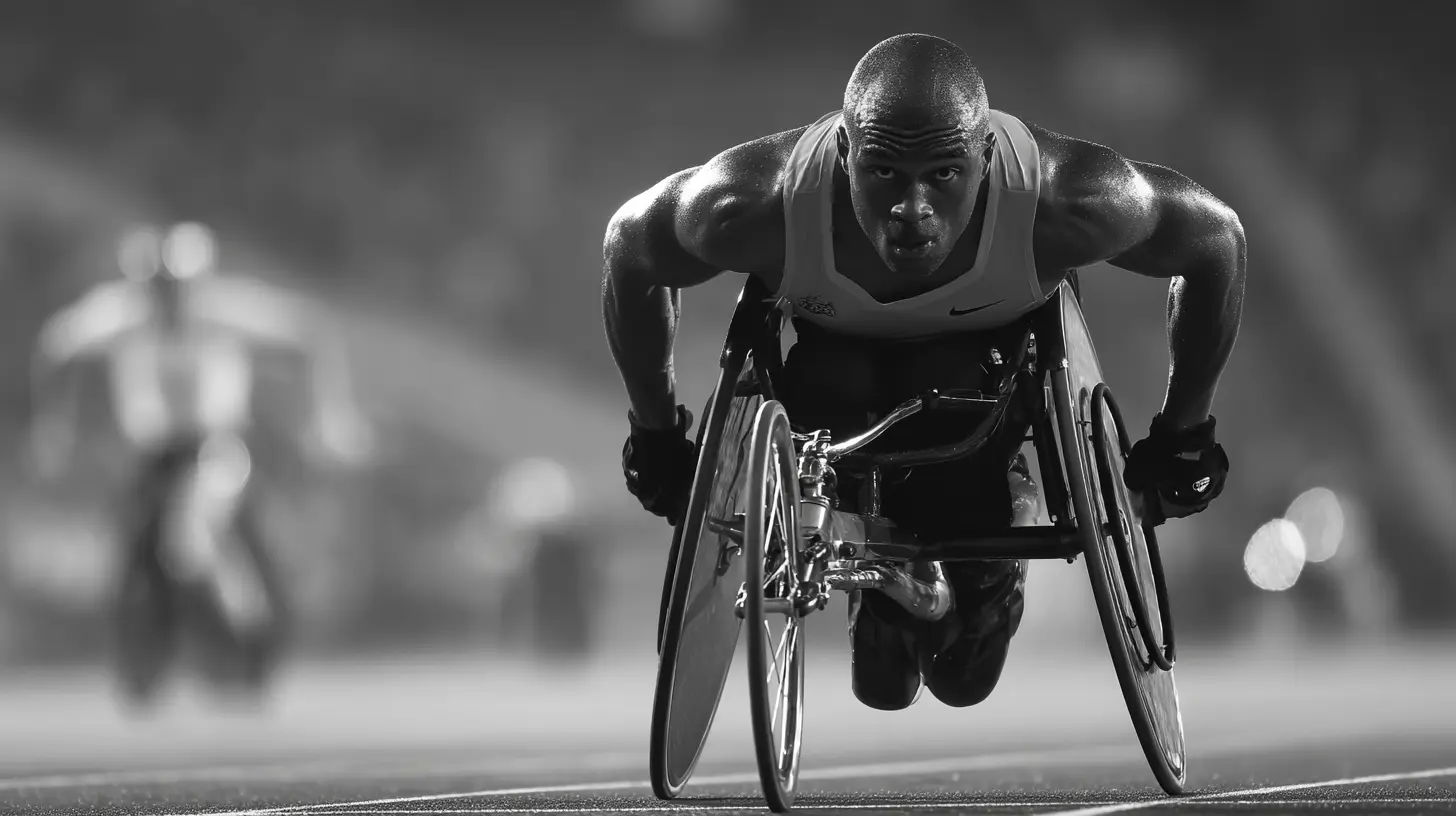
Wilma Rudolph – From Polio to Olympic Glory
Wilma Rudolph's journey to Olympic greatness is nothing short of miraculous. Born prematurely and weighing just 4.5 pounds, she battled various illnesses as a child, including scarlet fever and pneumonia. But her biggest challenge? Polio, a disease that left her unable to walk without a brace.Doctors told her she might never walk normally again. But Wilma had other plans. With sheer determination, she worked tirelessly to strengthen her legs, and by the time she was 12, she ditched the brace for good.
Fast forward to the 1960 Rome Olympics, Wilma became the first American woman to win three gold medals in a single Games. From not being able to walk to becoming the fastest woman in the world—talk about defying the odds! 
Derek Redmond – The Ultimate Display of Perseverance
Sometimes, winning isn't about crossing the finish line first—it's about refusing to quit. Derek Redmond's story in the 1992 Barcelona Olympics is a testament to the human spirit.During the 400m semifinal, Derek was in peak form. But then, disaster struck—he tore his hamstring mid-race. You could see the pain on his face as he collapsed onto the track. But instead of giving in, he got up and started hobbling towards the finish line.
Then came one of the most emotional moments in Olympic history—his father ran onto the track, wrapped his arm around his son, and helped him finish the race. The crowd erupted in applause, and even though Derek didn’t win a medal, he won the hearts of millions.
Because sometimes, victory isn’t about gold—it's about resilience. 
Kerri Strug – A Champion’s Landing on One Foot
Imagine having an entire country’s hopes resting on your shoulders. That’s exactly what Kerri Strug faced in the 1996 Atlanta Olympics. As part of the U.S. women’s gymnastics team, she needed a near-perfect vault performance to secure the gold for her team.But on her first attempt, she landed awkwardly and badly injured her ankle. With unimaginable pain searing through her leg, she had one shot left. Giving up wasn’t an option.
With grit and determination, Kerri sprinted down the runway, launched into her final vault, and stuck the landing on one foot before collapsing in pain. The crowd erupted, her coach carried her to the podium, and the U.S. won its first-ever team gold in gymnastics.
If that’s not the definition of pushing through pain, what is? 
Abebe Bikila – Running Barefoot to Olympic Gold
It's hard enough to win a marathon. Now, imagine running a 26.2-mile race barefoot! That’s exactly what Abebe Bikila, an Ethiopian runner, did in the 1960 Rome Olympics.Originally, he was supposed to run in shoes, but when his footwear didn’t feel right, he made a bold decision—to race without them. Not only did he compete barefoot, but he won gold and set a world record in the process.
Four years later, he came back for the 1964 Tokyo Olympics—this time wearing shoes—and defended his title, becoming the first-ever back-to-back Olympic marathon champion.
His story proves that greatness isn’t about having the best gear; it’s about heart, determination, and an unbreakable will.
Yusra Mardini – Swimming for Survival
Yusra Mardini’s Olympic journey wasn’t just about competing—it was about survival. Growing up in Syria, she was a talented swimmer, dreaming of Olympic glory. But when war broke out, everything changed.In 2015, she and her sister fled Syria, making a dangerous journey toward Europe. At one point, their overcrowded boat’s engine failed in the middle of the Aegean Sea. She and her sister jumped into the water and spent hours swimming, pulling the boat to safety, saving everyone on board.
A year later, she competed in the 2016 Rio Olympics as part of the Refugee Olympic Team, representing not just herself but millions of displaced people around the world.
Her story reminds us that more than medals or records, the Olympic spirit is about resilience, hope, and the will to keep moving forward.
Michael Phelps – Overcoming Mental Health Struggles
When we think of Michael Phelps, we picture him dominating the pool with his 23 Olympic gold medals. But behind the records and accolades, he battled something far more challenging—depression and anxiety.After the 2012 London Olympics, Phelps hit rock bottom. He struggled with depression, even contemplating suicide. For the longest time, he thought he had to fight his battles alone. But speaking up, seeking help, and advocating for mental health changed everything.
He returned for the 2016 Rio Olympics, proving to the world that strength isn’t just physical—it’s mental too. Today, he’s not just an Olympic legend but also a mental health advocate, reminding us that asking for help is a sign of courage, not weakness.
Oscar Pistorius – The Blade Runner’s Historic Feat
Oscar Pistorius defied all odds when he competed in the 2012 London Olympics. Born without fibulas, he had both legs amputated below the knee at just 11 months old. But that never stopped him from chasing his dreams.Using carbon-fiber prosthetic blades, he became the first double-amputee to compete in the Olympics, racing against able-bodied athletes in the 400m event.
While his story took a dark turn in later years, his journey to the Olympic stage remains an inspiration to athletes with disabilities, proving that limitations exist only if we let them.
Conclusion: The Power of Perseverance
What do all these athletes have in common? They refused to let adversity define them. Whether it was physical challenges, injuries, war, or mental health struggles, they pushed forward when the odds were stacked against them.Their stories aren’t just about sports—they’re about life. Because in the end, it’s not just about winning medals. It’s about proving to yourself (and the world) that no obstacle is too big to overcome.
So the next time you face a challenge, remember these athletes. If they could rise against all odds, so can you.
all images in this post were generated using AI tools
Category:
OlympicsAuthor:

Onyx Frye
Discussion
rate this article
1 comments
Nymira McKeever
This article highlights the incredible resilience of athletes who faced significant challenges on their Olympic journeys. Their stories of perseverance are truly inspiring, showing that determination and hard work can lead to success against all odds. These athletes remind us that adversity can be a stepping stone to greatness.
May 8, 2026 at 12:28 PM
Onyx Frye
Thank you for your thoughtful comment. These athletes truly embody the spirit of perseverance, and their journeys remind us that challenges can fuel greatness.