How Weather Conditions Impact Performance in Outdoor Professional Sports
24 July 2026
Let’s be real—Mother Nature doesn’t always play fair. Whether it’s blazing heat, bone-chilling cold, slippery rain, or gusty winds, weather can completely shake up the dynamics of outdoor sports. From baseball stadiums to football fields and tennis courts, the conditions athletes face can make the difference between a record-breaking performance and a total flop.
You might’ve noticed how some teams and players thrive in certain climates while others look completely out of place. It’s not all in your head—weather plays a massive role in athletic performance, strategy, and even injury risk. So, grab something to drink and let’s dive into how the elements do more than just set the backdrop—they often dictate the script of the game.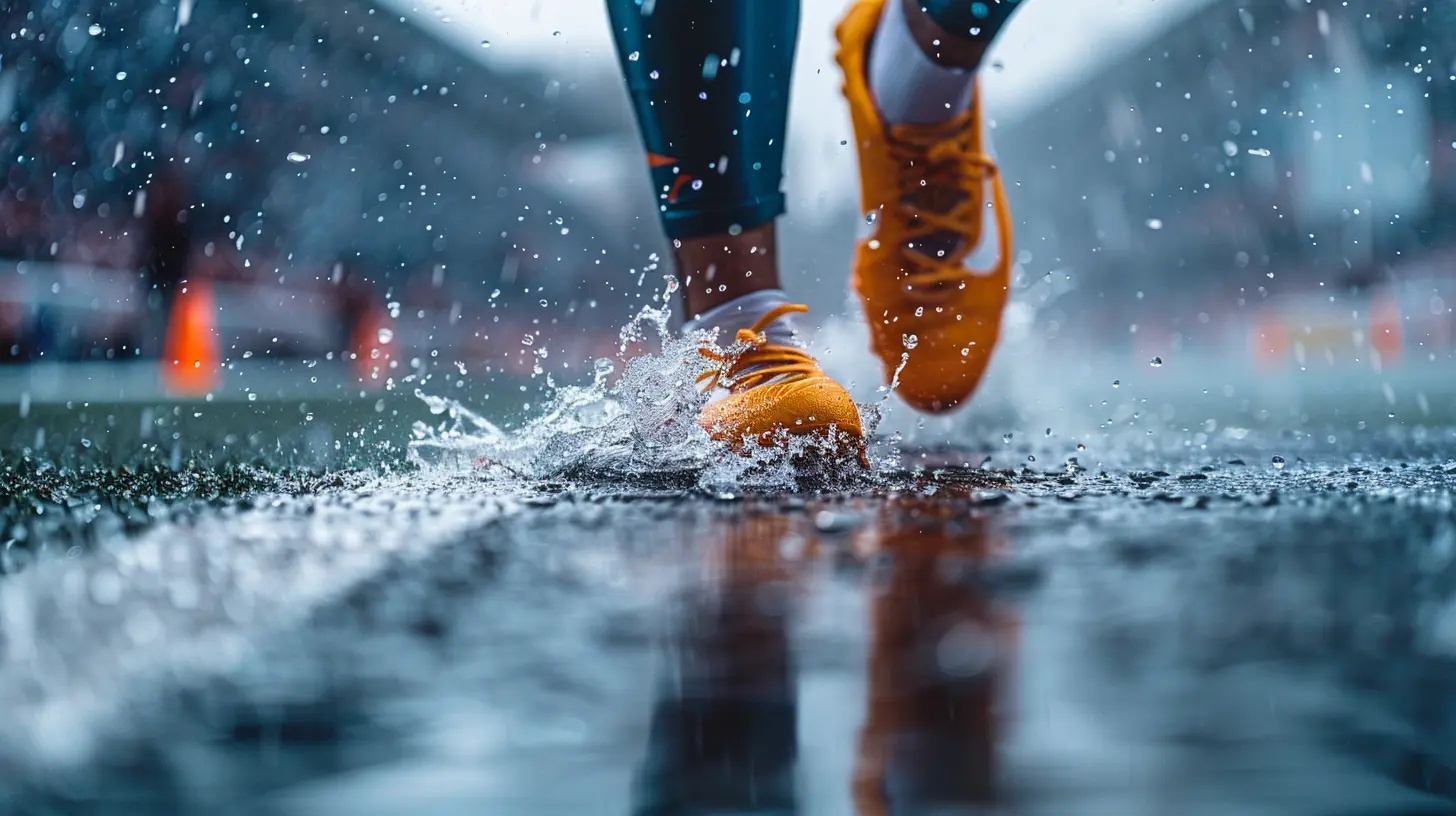
The Heat Is On: How High Temperatures Affect Athletes
Ever tried running on a scorching summer day? Athletes do that for a living. And it’s not easy.Dehydration and Fatigue Set In Fast
Hot conditions are brutal when it comes to endurance. Sports like soccer, football, and marathon running require constant movement, and high heat zaps energy quicker than you can say “water break.” Sweat isn’t just water leaving the body—it’s essential electrolytes, and losing too much messes with everything from focus to muscle function.Strategic Slowing Down
In sweltering climates, you’ll often see athletes pacing themselves. Coaches might rotate players more frequently, or teams may play more conservatively. Why? Because overheating isn’t just uncomfortable—it’s dangerous. Heat exhaustion and heatstroke are very real threats.Not All Athletes Handle the Heat Equally
Some athletes just perform better in warm conditions—think of it as their comfort zone. Others, especially those not used to the heat, might take longer to adjust or struggle throughout the game. Acclimatization is critical, and that's why teams often arrive early to hot venues—to let their bodies adapt.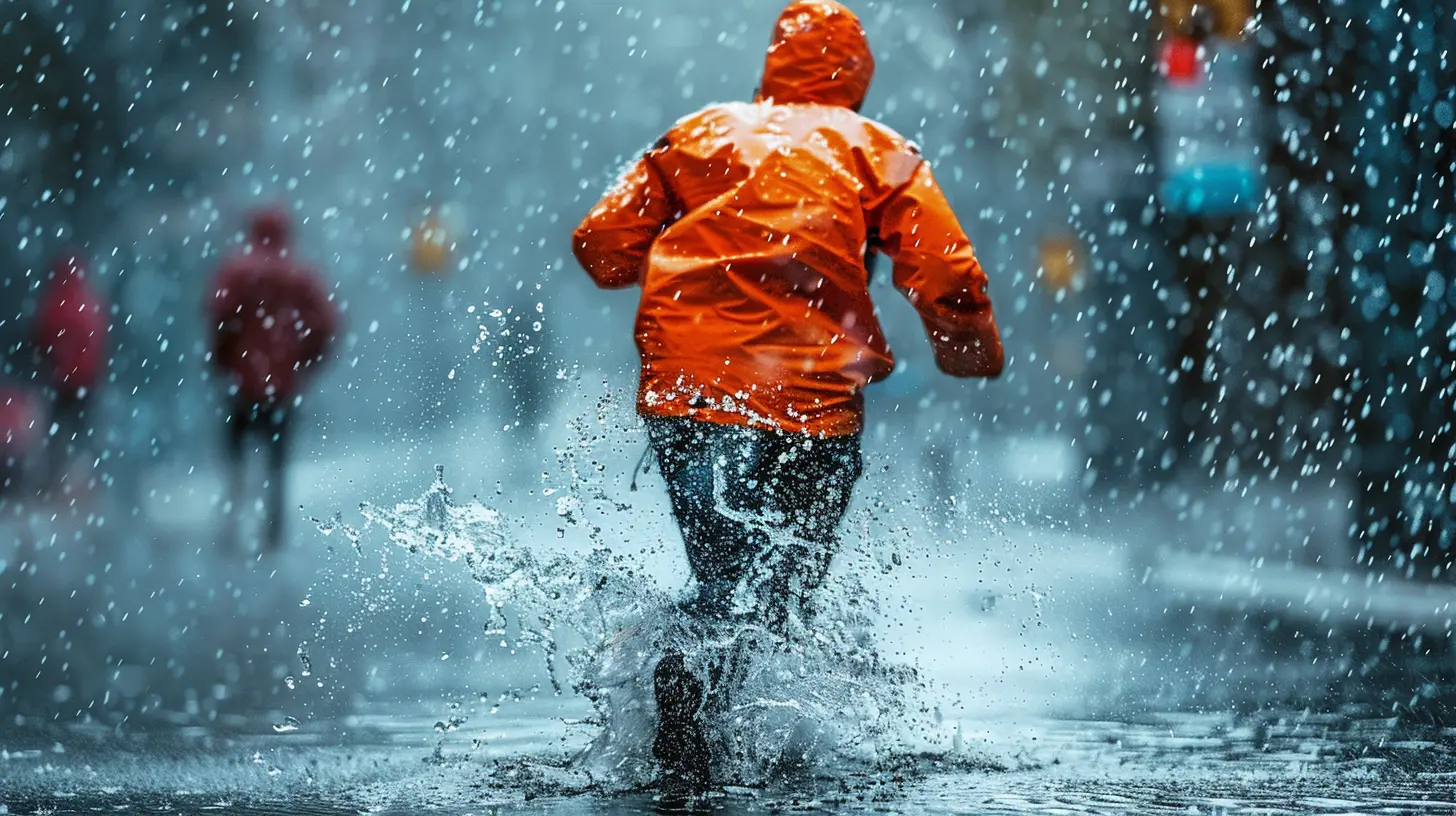
Freezing Temperatures: A Whole Different Ball Game
While heat drains, cold stiffens. Playing sports in the cold comes with its own set of mind games and muscle challenges.Reduced Muscle Efficiency
Cold weather tightens muscles, which means slower reactions and a higher risk of strains or pulls. Ever try sprinting with frozen thighs? Yeah, not fun.Mental Toughness on Display
Playing in wintry conditions demands mental grit. Cold wind, numb fingers, and icy breath? It’s enough to test anyone’s focus. Sports like football and hockey (played in open stadiums) often see more conservative play calls in freezing temps.Equipment and Surface Changes
Cold weather can mess with gear too. A football gets harder, making it tougher to grip and throw. Fields become slick or frozen, impacting traction. Even a tennis ball behaves differently in the cold—it’s less bouncy, slowing down rallies. It's like the weather adds an extra player to the game—one you can't ignore.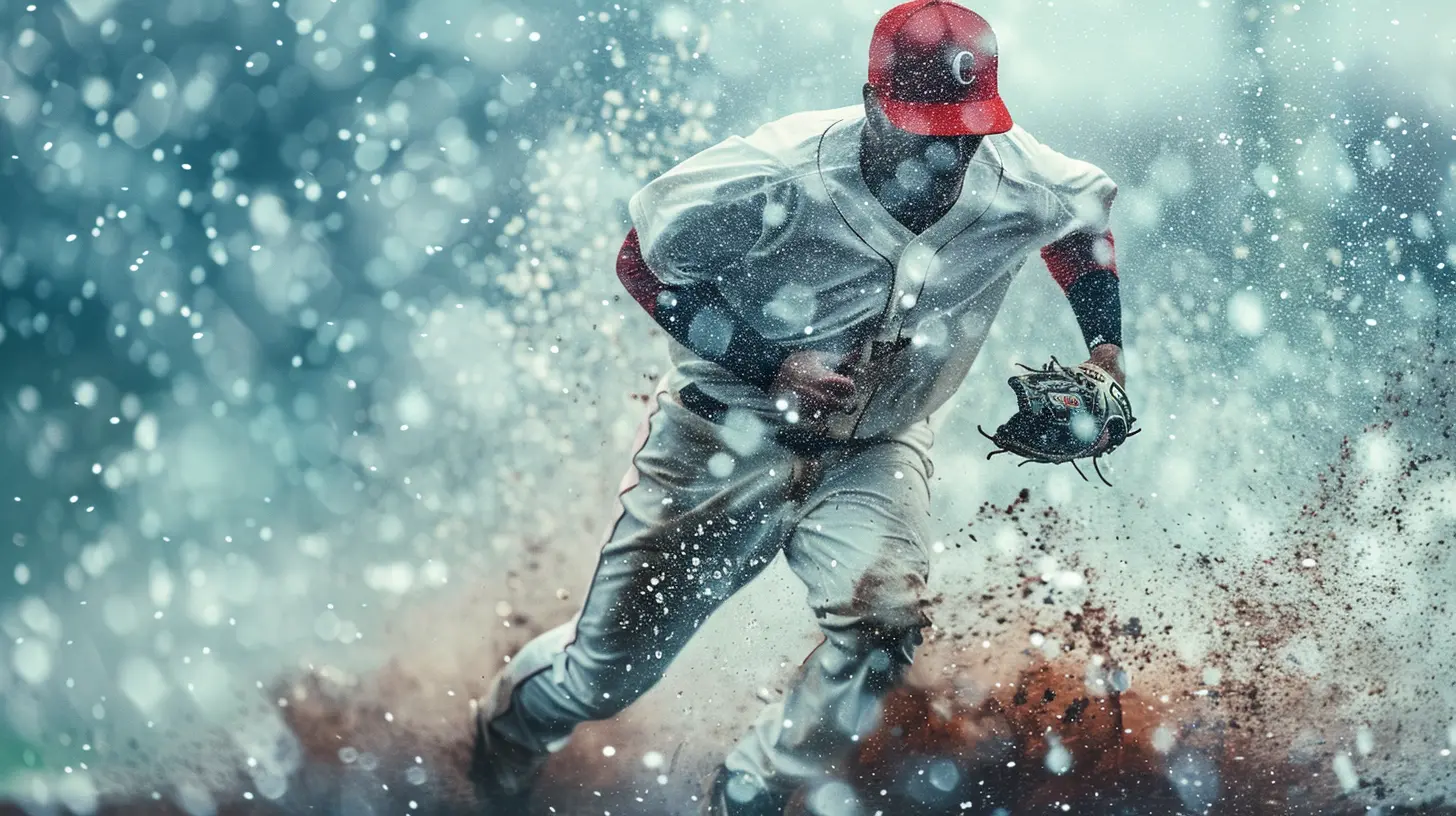
Rain, Rain, Go Away… Or Not?
Rain can turn any contest into a slip-and-slide adventure. And while it’s fun to watch, it totally changes the game.Slippery Conditions Lead to More Mistakes
First off, rain means wet surfaces and unpredictable footing. Soccer players might miscalculate runs, baseball outfielders struggle to track soggy fly balls, and quarterbacks risk fumbling snaps. Ball handling becomes tricky, whether it’s catching, pitching, or scoring.Playbooks Go Out the Window
Tactical changes often follow wet weather. Teams may lean heavily on running plays instead of passing, especially in football. In tennis, players might be hesitant to go for sharp cuts or aggressive serves. Coaches have to adapt quickly.Delays, Postponements, and Momentum Killers
Some sports just can’t happen in rain—like baseball, which often gets postponed. Momentum, preparation, and even fan energy can take a hit when games are paused last minute. And what about rescheduled games? That can mess with an entire season’s rhythm.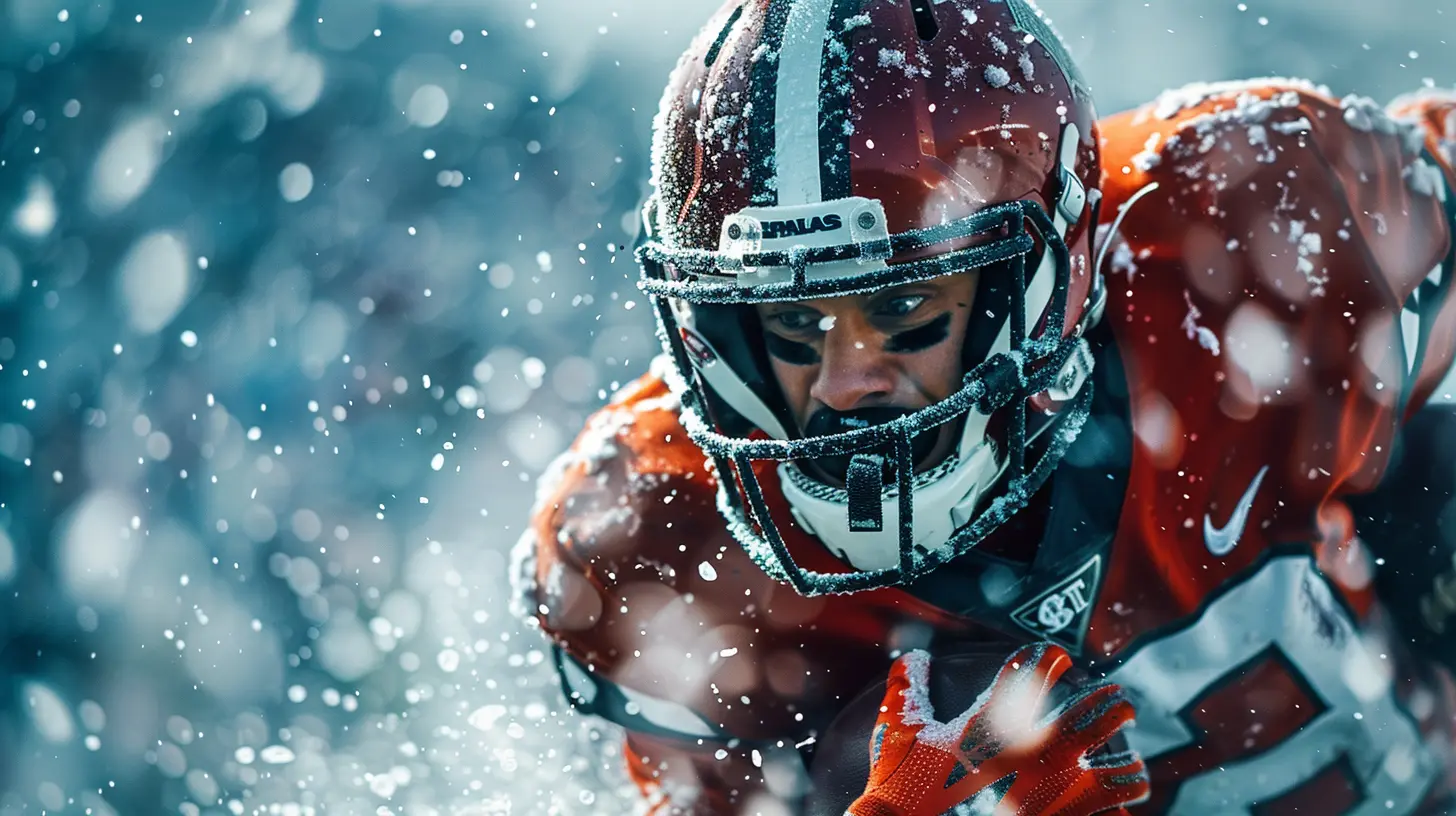
Wind: The Invisible Opponent
Wind is sneaky. You can’t see it, but ask any golfer or kicker—it’s one of the most unpredictable and frustrating elements in outdoor sports.Impacts on Flight and Trajectory
In golf, wind can turn a perfect swing into a nightmare. Same in baseball, where pop flies become home runs or vice versa depending on wind direction. Football kickers hate strong gusts—it’s like aiming for a moving target.Mental Games and Adjustments
Dealing with wind isn’t just about technique—it’s psychological, too. It can break an athlete’s confidence and throw off their rhythm. The best athletes don’t just play the sport—they play the conditions.Altitude and Air Quality: Breathing Trouble?
While not technically “weather,” altitude and pollution are environmental factors worth mentioning. Ever seen athletes panting like dogs at Denver’s Mile High Stadium? That’s the altitude talking.Less Oxygen, More Fatigue
High altitude means thinner air and less oxygen. This affects aerobic performance massively, and unfamiliar athletes might burn out faster or struggle to recover. It’s not just about effort—it’s about how long you can sustain it.Ball Behavior Changes Too
Baseballs fly further due to decreased air resistance. Sprinters might clock faster times. But it’s a double-edged sword—yes, things move faster, but the body tires more quickly and the lungs struggle to keep up.Humidity: The Sticky Situation
Humidity is the silent performance killer. It makes you sweat more but stops sweat from evaporating. That means your body can’t cool itself properly.Increased Risk of Overheating
Unlike dry heat, humid conditions prevent proper cooling, raising core temperatures quickly. Even if it’s not blistering hot, high humidity can have the same draining impact.Grip and Gear Issues
Tennis racquets, footballs, bats—they all get slippery. Athletes have to change gloves more often and deal with soggy uniforms that feel like wearing a wet blanket. Not exactly ideal for peak performance.Weather and Injury Risk: A Hidden Danger
Sports injuries aren’t always caused by rough tackles or overtraining. Weather plays a sneaky role as well.Cold Leads to Stiffness and Strains
As we mentioned earlier, cold temps tighten muscles. Without adequate warm-ups or muscle elasticity, athletes risk strains, pulls, and even ligament tears.Slippery Surfaces = Sprains and Twists
Rain and wet conditions are breeding grounds for rolled ankles and knee injuries. Even turf fields designed for traction can become treacherous when wet.How Teams Prepare for Weather Challenges
It’s not all chaos and hoping for the best—there’s science behind how teams prep for the elements.Tailored Training and Acclimatization
Teams often arrive days early to adjust to extreme weather. Altitude? They train with oxygen masks or in hypoxic chambers. Heat? They practice during the hottest times of day and focus on hydration.Gear and Technology Adapt
From heated benches and cooling vests to wind-resistant apparel and gloves designed for wet conditions, modern sports gear helps athletes battle the elements head-on. Some athletes even tape their hands or use special sprays for better grip in wet weather.Mental Conditioning
Let’s not forget the brain game. Sports psychologists help athletes build resilience and focus under adverse conditions. Because sometimes, the difference isn't physical—it’s mental. The weather might not change, but your mindset can.Iconic Weather Moments in Sports History
Let’s stroll down memory lane for a second. Remember the “Tuck Rule Game” (Patriots vs. Raiders, 2001)? A snowstorm turned that playoff into one of the most debated moments in NFL history.Or how about the 2008 Wimbledon final between Federer and Nadal? It had everything—sunshine, clouds, rain delays—and still went down as one of the greatest matches in tennis history.
These moments don’t just test skill—they test character. And sometimes, weather conditions elevate a game into legend status.
Final Thoughts: Embracing the Unpredictable
So, does weather impact performance in outdoor professional sports? Absolutely. It can level the playing field or tilt it dramatically. It influences tactics, affects physical output, and even changes the outcome of games.But here’s the beauty of it—it’s the great equalizer. You can’t train the weather, but you can train to handle it. The best athletes aren’t just the strongest or fastest. They’re adaptable. They’re resilient. And they know how to turn a storm into an opportunity.
So the next time you’re watching a soggy football game or a wind-blown tennis match, remember—there’s more at play than just the scoreboard.
all images in this post were generated using AI tools
Category:
Professional SportsAuthor:

Onyx Frye
Discussion
rate this article
1 comments
Scout Jackson
Weather significantly influences strategy and stamina, often turning a skilled athlete into an unexpected underperformer.
July 30, 2026 at 2:23 AM
Onyx Frye
You're absolutely right. Weather can dramatically shift performance dynamics, making even the best athletes face unexpected challenges.