How Transfer Policy Will Shape the Future of Football
11 July 2026
Let’s face it—football just wouldn’t be the same without the drama of transfer windows. You know the drill: rumors start flying, clubs play the negotiation game, fans go into full detective mode on Twitter… and before you know it, a blockbuster move drops and breaks the internet.
But here’s the deal—underneath all that buzz, transfer policy isn’t just about flashy signings and last-minute medicals. It's literally shaping the future of football, one deal at a time.
So, let’s kick off and dive into how the beautiful game's transfer policies are evolving—and what it means for the future of football as we know it.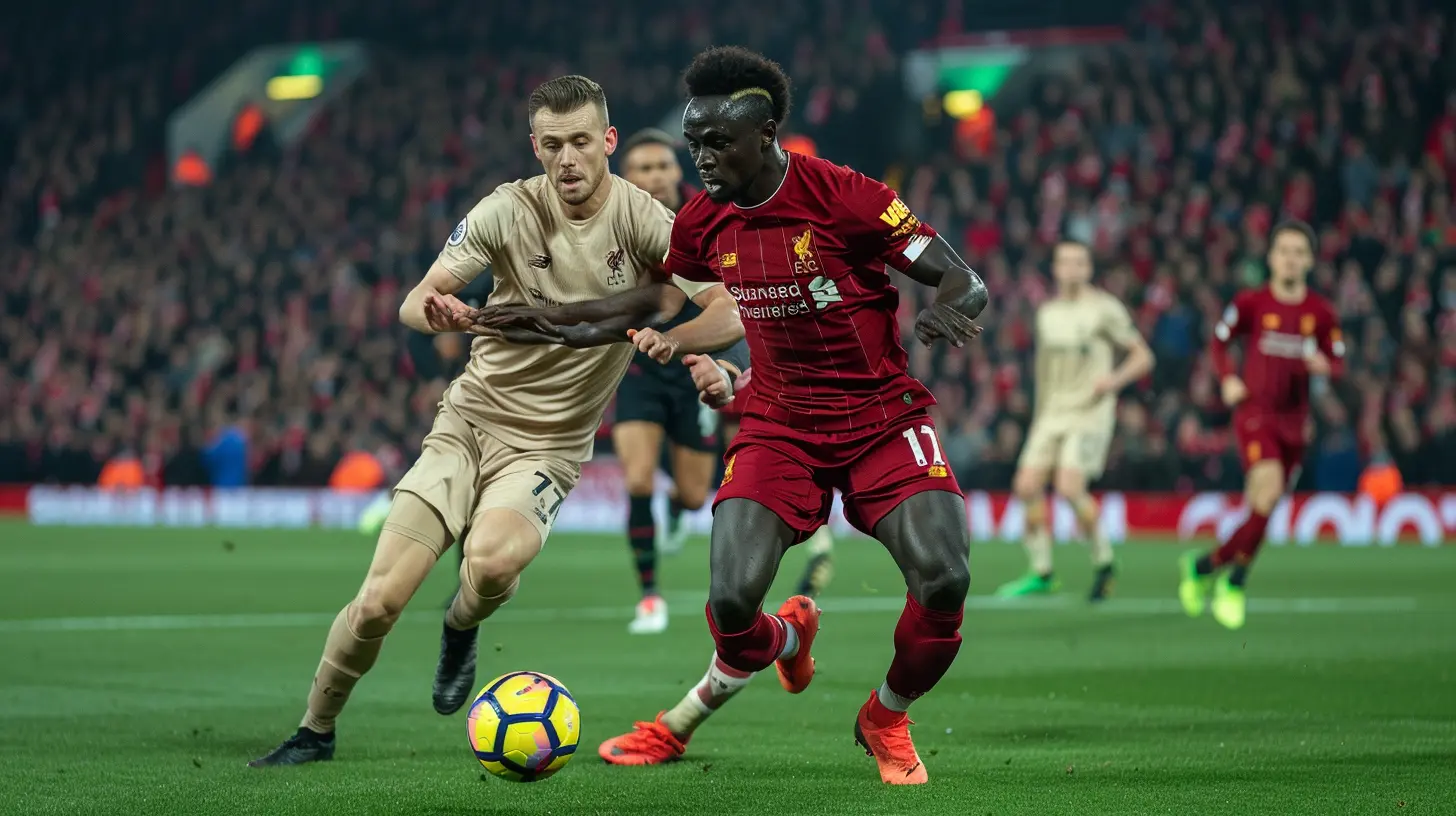
⚽ What Exactly Is Transfer Policy?
Before we go all crystal-ball mode on the future, let's clear up what we mean by "transfer policy." Basically, this is the set of rules and regulations that govern how clubs buy, sell, or loan out players. It includes transfer fees, release clauses, agent involvement, salary caps (in some leagues), and even age restrictions.Now, different leagues and governing bodies (think FIFA, UEFA, Premier League) have their own rules, which makes things... complicated. But in a nutshell? Transfer policy is football’s rulebook for the shopping mall of talent.
? Why Transfer Policies Matter More Than Ever
Remember the times when transfers were a handshake deal between club owners over a glass of wine? Yeah, that's ancient history now. The modern game is a high-stakes industry. We're talking multi-million contracts, performance-based incentives, and enough legal jargon to make a lawyer dizzy.But here’s the thing—it’s not just about the money. Good transfer policies can:
- Level the playing field
- Protect young talent
- Keep clubs financially healthy
- Maintain competitive balance
And the best part? A smart transfer strategy can take a mid-tier club from "meh" to "magnificent."
? Welcome to the Age of Mega Transfers
Let’s talk about the elephant in the room—those jaw-dropping, wallet-blazing transfer fees.Neymar to PSG for €222 million? That wasn’t just a transfer; it was an explosion that changed the game forever. Since then, fees have skyrocketed. The market’s now all about who can splash the most cash for the hottest talents.
So, what’s the problem?
Well, it creates a massive gap between clubs. The rich clubs stay rich (and keep winning), while smaller ones often become glorified talent factories—developing great players just to sell them on.
It’s kind of like your little bro grinding all day in Career Mode, only for your older cousin to swoop in with cheat codes and take Mbappé for fun.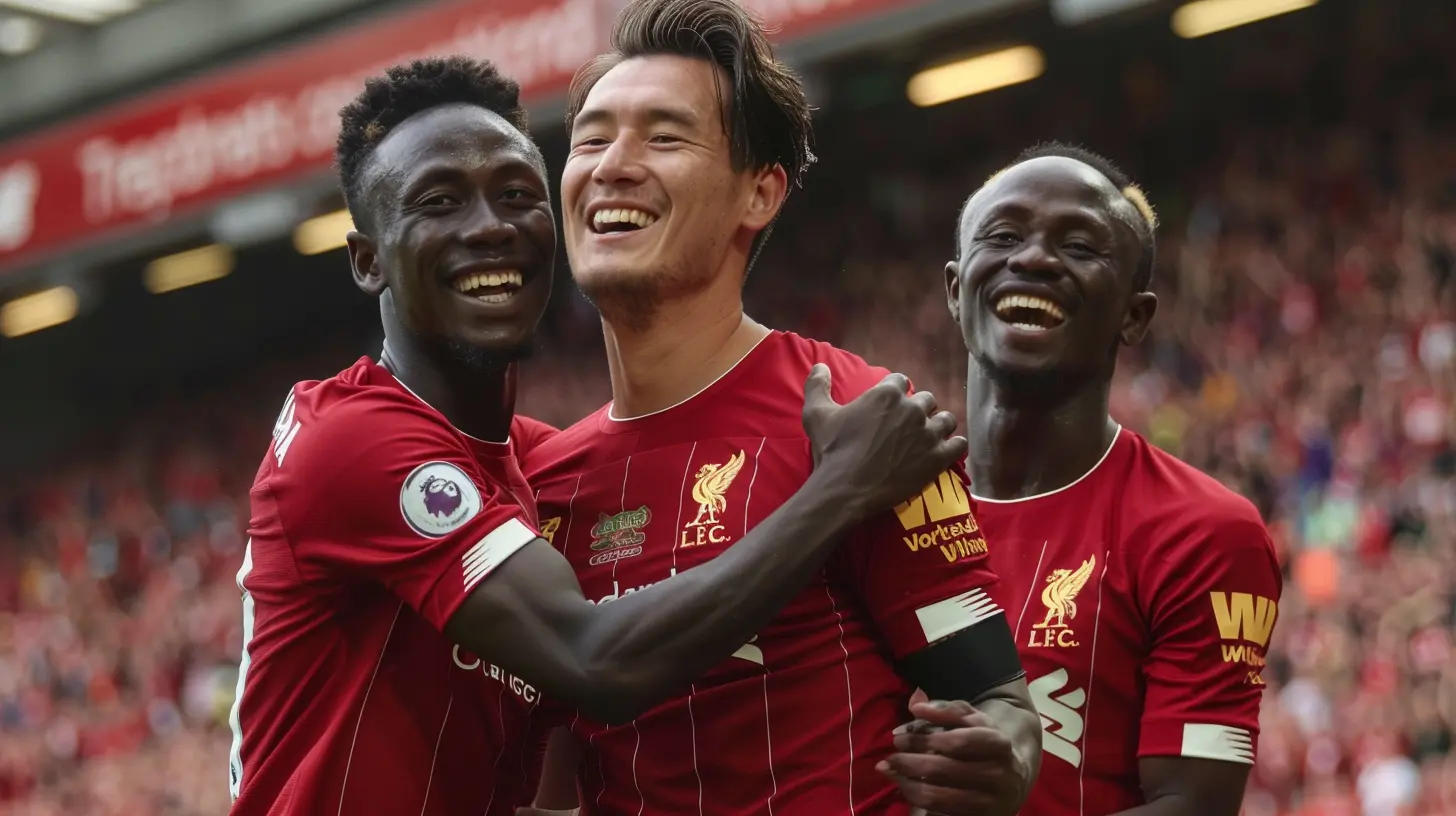
?️ Building for the Future vs. Buying for the Present
Here’s where it gets really interesting.Some clubs are playing the long game. Think Borussia Dortmund or Ajax—they're like football’s version of Shark Tank. They scout raw talent, develop them, and sell them for a massive profit. Genius, right?
Then you’ve got the big boys—Real Madrid, Man City, Chelsea—dropping mountains of cash for ready-made stars. It’s the classic build vs. buy debate.
But transfer policy plays a huge role here. UEFA’s Financial Fair Play (FFP) rules, for example, were introduced to stop clubs from spending more than they earn. In theory, this keeps things fair. In practice? Let’s just say... lawyering up is now part of most clubs’ strategy.
? Youth Academies and the Rise of Homegrown Talent
There’s a quiet revolution happening beneath all the transfer madness. More clubs are doubling down on their youth academies because of stricter transfer regulations and rising fees.Take Barcelona’s La Masia, or Chelsea’s Cobham Academy—these aren’t just training grounds; they’re golden goose farms. Players like Pedri, Mason Mount, and Gavi are making it big not because they were bought, but because they were built.
Transfer policy is nudging clubs to look internally instead of externally. And that’s not just smart—it’s sustainable.
? Globalization and the Worldwide Scouting Boom
Back in the day, if you were a scout, you prowled around local games with a notepad and a cigarette hanging from your lips. Now? You’ve got global databases, AI-powered analytics, and 15-year-olds going viral on YouTube for nutmegging grown men.Thanks to modern technology, clubs are fishing talent from every corner of the globe. But as scouting broadens, policies are tightening. FIFA is cutting down on international transfers of players under 18. Why? To protect minors and stop exploitation.
It’s a delicate balancing act—between discovering the next Messi and ensuring that the kids aren’t being treated like commodities.
? Agents, Super Agents, and the Transfer Puppeteers
Ah yes, the agents. Those mysterious figures who pull the strings behind closed doors. Some are helpful; others… let’s just say they could give Littlefinger from Game of Thrones a run for his money.Players like Pogba, Haaland, and Mbappé have had their transfers highly influenced by their agents. As a result, FIFA is now stepping in with rules to regulate agent fees and transparency in negotiations.
Bottom line: The days of untraceable commissions and shady deals are (hopefully) numbered.
?️ The Role of Fans in Transfer Influence
Don’t think for a second that fans don’t matter. Social media has given supporters a loud voice. If enough fans scream for a signing—or scream against one—clubs listen.Need proof? Think of the #SanchoToUnited saga or the backlash against the European Super League. Fan pressure can break deals or make them happen.
Clubs are more conscious now of how signings will be received. So in a way, transfer policy now includes a new stakeholder: you, the fan.
Go ahead, pat yourself on the back.
? What the Future Holds: Predictions for Football Transfers
Alright, put on your time-travel boots because we're heading to the future. Here's what might be coming down the pipeline:1. Transfer Caps and Salary Limits
FIFA and UEFA may introduce stricter caps to prevent financial imbalance. Think of it like playing Football Manager on Hard Mode. Less cash chaos, more strategy.2. Automated Transfer Systems
With blockchain and AI developing fast, we might see transparent, corruption-proof transfer platforms. That means no more shady backroom deals.3. Enhanced Player Rights
Younger players will likely get more protection, with clearer regulations on how they can move and who profits. It’s about time the players had more control.4. Global Talent Redistribution
Watch out for MLS, Asian leagues, and Saudi clubs climbing the ladder. As world football diversifies, transfers won’t just be about Europe anymore.? Transfer Policy As a Force for Good
Let’s give credit where it’s due. When done right, transfer policy can be a real force for good. It can create opportunities, reward smart planning, and keep the sport from spiraling into a money-warped mess.Think of it like a garden. You can throw in a bunch of seeds randomly and hope something grows. Or—you can nurture it carefully, weed out the bad stuff, and grow something that lasts.
Transfer policy? It's the gardener of football’s future.
⚽ Conclusion: A Game of Chess, Not Checkers
Transfers might seem like a casino of madness at times, but behind every deal is a policy, a plan, and a purpose. And while big money will always play a role, the game's future depends on how wisely that money is used—and how fair the system remains.So next time you’re celebrating that last-minute signing or losing your mind over a missed medical, remember: there’s a whole policy machine working in the background, shaping the game for the next generation.
And who knows? With smarter rules and better balance, the next football fairytale might just be your club’s.
all images in this post were generated using AI tools
Category:
Transfer NewsAuthor:

Onyx Frye
Discussion
rate this article
1 comments
Jennifer McMeekin
This is intriguing. How will changes in transfer policies impact team dynamics and player development in the coming seasons? Excited to see!
August 6, 2026 at 3:46 AM
Onyx Frye
I'm glad you find it intriguing! Changes in transfer policies will definitely reshape team dynamics, fostering competition and perhaps even prioritizing youth development. It'll be exciting to see how clubs adapt in the coming seasons.