How to Properly Taper Before a Big Race
11 March 2026
So, you've been crushing your training plan. You’ve logged the miles, nailed your workouts, eaten the right foods, and stayed focused. Now, it’s almost time for the big day—race day. But before you lace up and head to the start line, there’s one crucial piece of the puzzle that can make or break your performance: tapering.
Let’s be honest—tapering can feel weird. You spend weeks training hard, then suddenly you're supposed to take your foot off the gas? It sounds counterintuitive, right? But here’s the thing: tapering isn’t about slacking off; it’s about sharpening your sword so you’re ready to slay on race day.
In this article, we’re going to break down exactly how to taper like a pro, so you can rock up to that start line feeling fresh, strong, and 100% ready to race your best.
🏁 What Is Tapering and Why Does It Matter?
Tapering is the strategic reduction of training volume (and sometimes intensity) before a race. Think of it as the final phase in your training cycle. The goal? Allow your body to recover from all the hard work you’ve put in while preventing you from feeling sluggish or stale.Imagine your body as a phone battery. Training drains it, rest charges it. Tapering is that slow, steady charge that gets you back to 100% right on time for race day.
The Science Behind It
When you reduce your training load, your body repairs microtears in your muscles, replenishes glycogen stores, and balances out your stress hormones. After a proper taper, most runners experience improvements in endurance, muscle strength, and even mental clarity.Translation? You’re primed to perform at your peak when it counts the most.
🧠 The Mental Side of Tapering
Let’s address the elephant in the room—tapering messes with your head.You’re used to going full throttle, and suddenly your training log looks suspiciously empty. It’s easy to feel like you’re losing fitness or getting lazy, but trust me—you’re not.
The key is trusting the process. You've already done the hard work. Tapering is just the final step that lets all that hard work shine.
Pro-tip: Use the extra time and energy from tapering to visualize your race, dial in your nutrition, and relax your mind. Mental sharpness is just as important as physical readiness.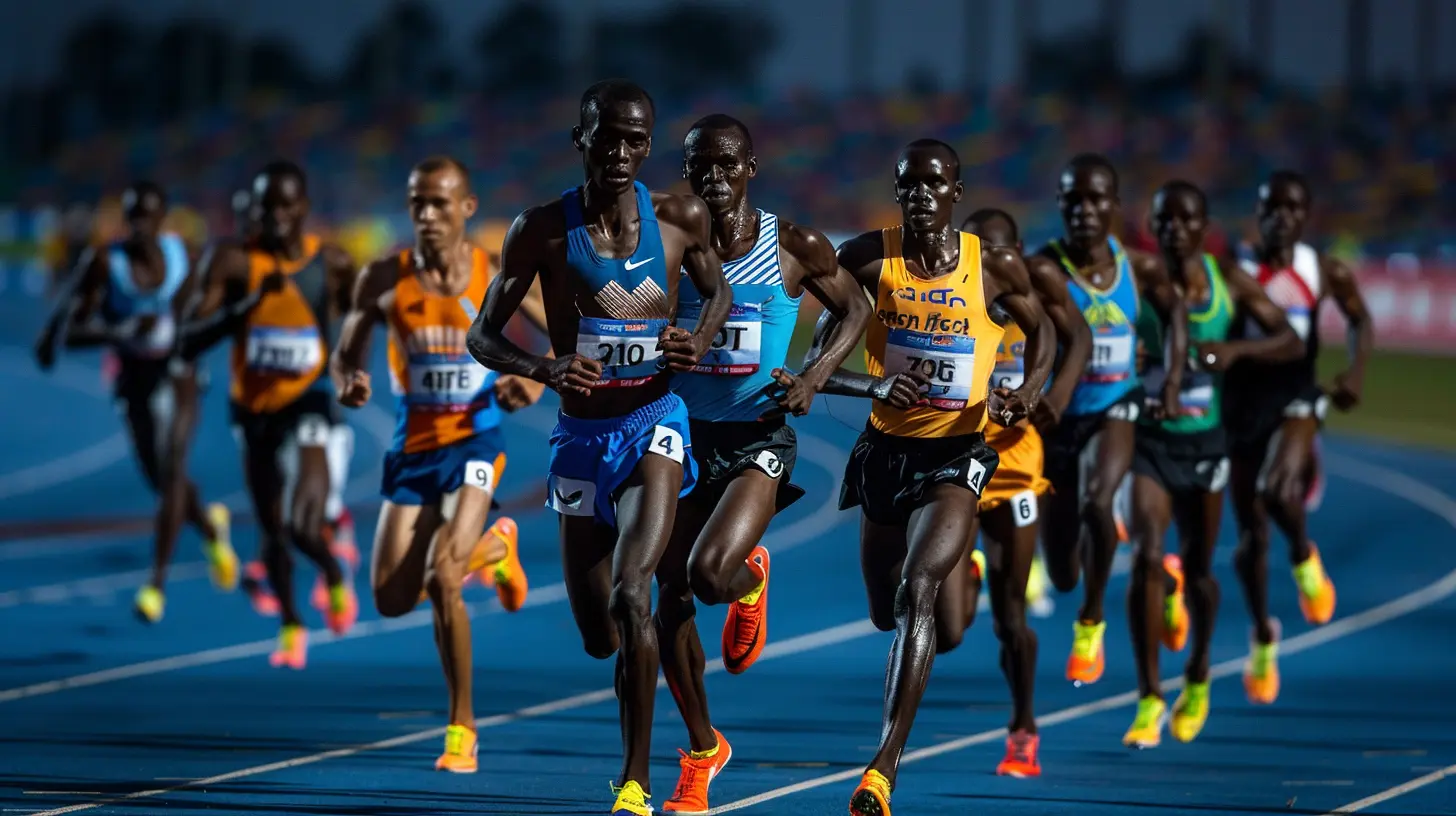
⏳ When Should You Start Tapering?
The length of your taper depends on the race distance. Here’s a quick guide:- 5K or 10K: 5–7 days
- Half marathon: 10–14 days
- Marathon: 2–3 weeks
- Ultramarathon: Up to 3–4 weeks
The longer the race, the longer the taper. But again, it's not a one-size-fits-all situation. Some runners thrive with a two-week taper, others with three. It’s about what works best for your body and your training history.
📉 How to Reduce Volume (Without Losing Fitness)
Alright, now comes the meat of tapering—how much should you cut back?Here’s a solid rule of thumb: Reduce your weekly mileage by 20-30% each week leading up to the race.
Let’s say you’re running 50 miles a week. Your taper might look like this for a marathon:
- 3 weeks out: 40 miles
- 2 weeks out: 30 miles
- Race week: 20 miles (including the race itself)
Easy, right?
You're not stopping. You're scaling. And yes, it’s okay to still run! The idea is to keep your legs moving while allowing deeper recovery.
🎯 What About Intensity and Workouts?
Here’s where some runners go wrong—they either keep pushing the pace or completely ditch quality sessions. The sweet spot? Keep the intensity but shorten the duration.Think short tempo runs, reduced-interval workouts, and strides.
For example:
- Do 4 x 800m intervals at race pace instead of 6 or 8
- Add some 20-second strides at the end of easy runs
- Swap out a long weekend run for a moderate-distance run with race pace miles sprinkled in
These mini “reminders” help wake up your fast-twitch muscles and keep your rhythm sharp without overloading your system. Think of them as little sparks to keep the fire burning without burning out.
🍽️ Fueling During Taper Week
Let’s talk food.During taper, your body doesn’t need as many calories as when you were peak training, but that doesn’t mean you should diet or dramatically cut carbs. In fact, carbs are your best friend during this time.
Glycogen (the storage form of carbohydrates) is going to be your body’s main fuel source on race day. So, you want those tanks full, not running on empty.
Some Taper Week Nutrition Tips:
- Eat balanced meals: Include lean proteins, healthy fats, and slow-digesting carbs.- Don’t try anything new: Now's not the time to experiment with exotic foods or strange supplements.
- Stay hydrated: Keep sipping water and make sure your electrolyte levels are solid.
- Carb-load smart: For marathons and longer, increase carb intake 2–3 days out, not 7 days out.
Think of it like topping off a gas tank—you want to fill up right before you hit the highway, not when you’re already cruising.
😴 Prioritize Sleep Like It’s Your Job
This is the ultimate performance enhancer that costs you nothing: sleep.Good sleep during your taper week is crucial for recovery, muscle repair, and mental preparation. Aim for 7–9 hours a night, and if possible, sneak in a nap during the day.
Race week anxiety is real, and you might struggle the night before—totally normal! That’s why it's even more important to bank solid sleep in the few nights leading up to the race.
🧘 Rest Doesn’t Mean Doing Nothing
Tapering isn’t a free pass to veg on the couch all day (though some couch time is definitely okay!).Light cross-training like walking, yoga, or swimming can help with circulation and keep your muscles loose. Just keep it easy and stress-free.
Active recovery is the name of the game here.
🧴 Taper Week Checklist
Let’s run through a quick checklist to keep things smooth the week before your race:✔️ Schedule your runs and rest days
✔️ Eat balanced, carb-focused meals
✔️ Stay hydrated
✔️ Get to bed early
✔️ Lay out your race-day gear
✔️ Visualize your race strategy
✔️ Do a shakeout run the day before
✔️ Avoid last-minute panic miles!
🏃♂️ The Day Before the Race
The excitement is real.Do a short shakeout run—think 2 to 3 miles nice and easy with a few strides to get the legs moving. Get off your feet as much as possible afterward.
Eat your pre-race dinner early, hydrate, and double-check all your gear (bib, shoes, socks, nutrition, etc.). Set multiple alarms and try your best to sleep. You’ve got this.
👟 Trust the Work, Embrace the Taper
Here’s the bottom line: tapering isn’t about training less, it’s about training smart. It’s the bridge between your hard training and peak performance.Yes, it may feel strange to ease off. But by managing volume, dialing in your nutrition, and taking care of your mind and body, you’re setting yourself up to toe that start line with confidence.
Think of tapering as the final polish on a masterpiece you’ve been working on for months. When the gun goes off, you’ll shine.
So, relax. Breathe. Trust the process. You’ve done the work—now let it work for you.
Good luck out there, speedster. Go crush that race!
all images in this post were generated using AI tools
Category:
AthleticsAuthor:

Onyx Frye
Discussion
rate this article
2 comments
Elise Cummings
As the clock ticks down, every second counts. Tapering isn’t just about rest; it’s an art of balance and precision. What secrets might your body reveal in the final days?
March 23, 2026 at 4:39 AM
Onyx Frye
Absolutely! Tapering is crucial for peak performance—listen to your body and adjust your strategy for optimal recovery and readiness.
Samuel Summers
Great insights! Tapering is such a crucial part of race preparation. Your tips on timing and maintaining energy levels are spot on. It’s always nice to feel fresh at the starting line. Looking forward to implementing these strategies!
March 12, 2026 at 9:58 PM
Onyx Frye
Thank you! I'm glad you found the tips helpful. Wishing you the best of luck with your taper and race day!