How to Align Your Brand with the Right Sports Team or League
21 February 2026
Sports marketing is a game-changer for businesses looking to boost visibility, connect with passionate fans, and drive sales. But aligning your brand with the right sports team or league isn’t as simple as slapping your logo on a jersey. It takes strategy, research, and a deep understanding of both your audience and the sports world.
So, how do you find the perfect match? Let’s break down the steps to ensure your brand doesn’t just participate—it wins.

Why Sports Marketing Works
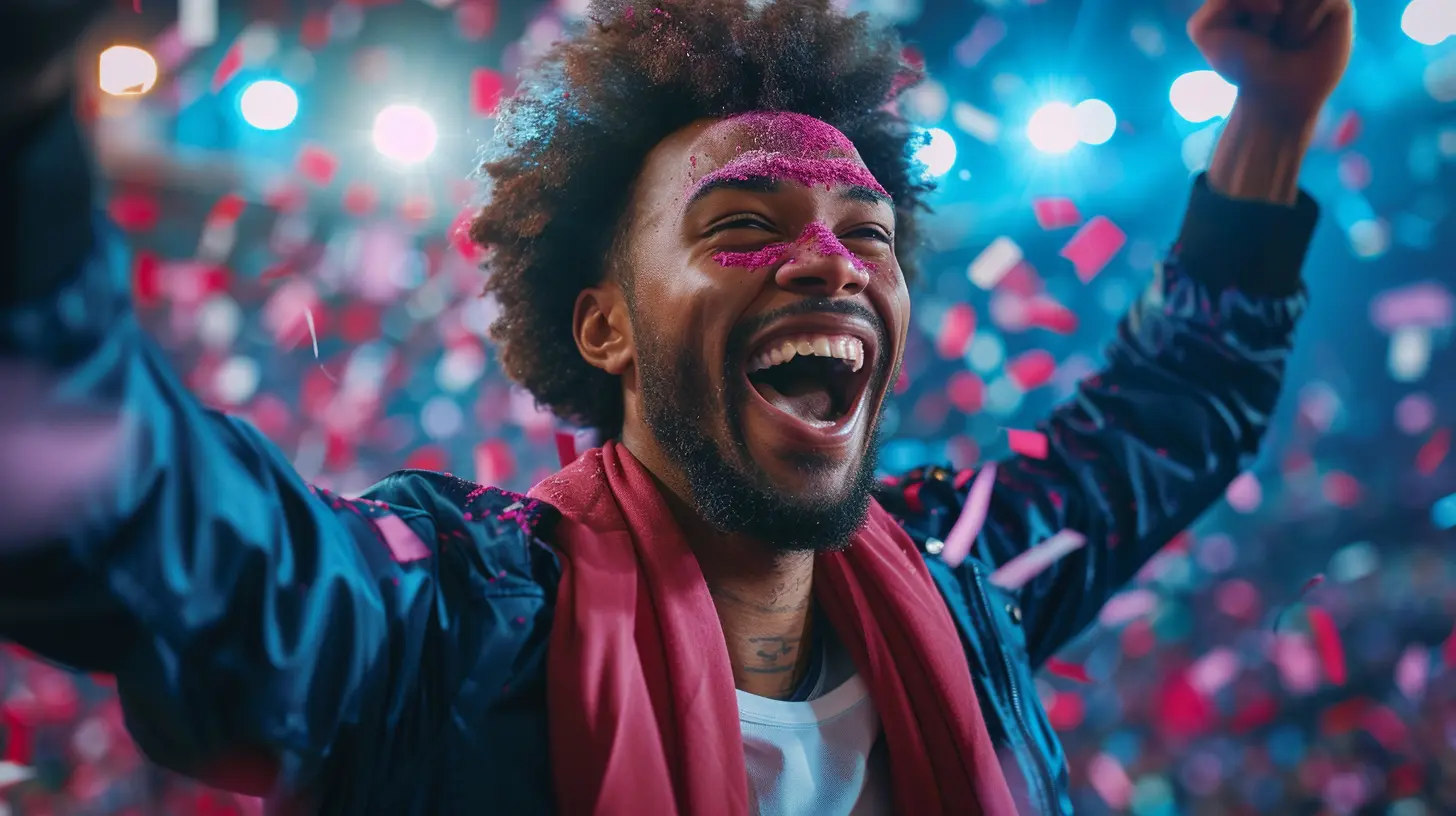
Sports have a magical way of bringing people together. Fans are deeply loyal, emotionally invested, and highly engaged—making them the perfect audience for brands looking to create meaningful connections.Sponsoring a team or league can:
- Increase brand awareness
- Improve brand reputation
- Drive customer loyalty
- Create unique marketing opportunities
But just like in dating, compatibility matters. Pick the wrong sports partner, and your marketing efforts could fizzle faster than a last-minute field goal miss.

Step 1: Define Your Brand Identity
Before diving into sponsorships, take a step back and analyze your brand. Ask yourself:- What are your core values?
- Who is your target audience?
- What message do you want to send?
- What emotions do you want people to associate with your brand?
Your brand identity needs to align with the sports team or league you choose. A luxury fashion brand, for instance, might not find its ideal audience in a rugged, contact-heavy sport like rugby.

Step 2: Know Your Audience
Successful branding is about speaking to the right people in a way that resonates with them. So, who are your people?- Demographic Factors: Age, gender, income level, geographic location
- Psychographics: Interests, values, lifestyle choices
- Spending Habits: How do they interact with brands in sports?
Different sports appeal to different demographics. NASCAR attracts die-hard motorsports fans, while the NBA has a younger, diverse, and digital-savvy audience. The better you understand your audience, the easier it’ll be to find a sports partnership that makes sense.
Step 3: Choose the Right Sport
Not all sports are created equal—at least in terms of branding opportunities. Each comes with a different level of exposure, fan engagement, and demographics. Here’s a quick breakdown of some major sports:Football (NFL, College Football, Soccer)
- High engagement, massive audience- Broad appeal but varies by team and region
- Strong loyalty leading to great brand exposure
Basketball (NBA, WNBA, NCAA)
- Younger, highly engaged, and social media-driven audience- Fast-paced, exciting, and global reach
- Culturally influential, making it an ideal choice for modern brands
Baseball (MLB, College Baseball, Minor Leagues)
- More traditional fan base but deeply loyal- Slower-paced but offers long-term brand visibility
- Family-friendly appeal with strong local marketing opportunities
Hockey (NHL, College Hockey)
- Passionate, but a niche audience- Strong regional representation with devoted fans
- Ideal for brands in cold-weather markets or extreme sports segments
Esports (Competitive Gaming Leagues)
- Young, tech-savvy, and highly digital audience- Rapidly growing industry with massive online engagement
- Perfect for gaming, technology, and entertainment brands
Step 4: Pick the Right Team or League
Once you've chosen the sport, it's time to narrow down your options. Do you align with a specific team or the entire league?Sponsoring a Team vs. Sponsoring a League
A team sponsorship allows you to connect deeply with a dedicated fan base. Think about how passionate Dallas Cowboys fans are—you’re reaching a tight-knit community.A league sponsorship, on the other hand, gives you broader exposure. NBA partnerships reach millions across different teams, making it a strong option for national or global brands.
Factors to Consider When Choosing a Team
- Fan Loyalty & Engagement: How dedicated is their fan base?- Market Size: Is the team in a major city or a smaller market?
- Brand Alignment: Does their image and values match yours?
- Recent Performance: Winning teams tend to have higher engagement.
Choosing the right partner is like choosing the right business partner—find the one that truly complements and enhances your brand.
Step 5: Determine Your Level of Involvement
How involved do you want to be? Sponsorships come in many forms, including:Title Sponsorships
Big-budget brands often go for title sponsorships, where their name is directly associated with the team or league. Think "Barclays Premier League" or "FedEx Field."Jersey Sponsorships
Your logo on a team’s jersey guarantees high visibility, especially in soccer, basketball, and cycling.Stadium Naming Rights
If you have the budget, stadium naming rights create long-term brand exposure (e.g., "Crypto.com Arena").Event Sponsorships
Sponsoring an event or a tournament is a great way to reach fans for a specific moment rather than a full season.Digital & Social Media Partnerships
If your brand thrives online, partnering with teams for digital content, social media campaigns, and influencer collaborations can be highly effective.Step 6: Leverage the Partnership
Sponsoring a team or league is only the beginning. To get the most out of your investment, you need to activate the partnership with engaging marketing strategies.Create Engaging Content
Use behind-the-scenes videos, interviews, and exclusive content to connect with fans emotionally.Launch Fan-Exclusive Promotions
Offer special discounts, giveaways, or VIP experiences for fans. Cement brand loyalty by making them feel special.Host Interactive Campaigns
Use social media contests, fan votes, or augmented reality (AR) experiences to boost engagement.Integrate Branding Across Channels
Ensure your sponsorship appears in TV commercials, social media, merchandise, and in-person experiences to maximize visibility.
Step 7: Measure and Adjust Your Strategy
You’ve made the investment—now track the results! Key performance indicators (KPIs) to consider include:- Brand Awareness Metrics: Website traffic, social media engagement
- Customer Conversion Rates: Are more people buying your products?
- Fan Sentiment & Brand Perception: Are fans engaging with your brand positively?
- Return on Investment (ROI): Assess financial gains from the sponsorship
Use these insights to refine your strategy and ensure you're truly benefiting from the partnership.
Final Thoughts
Aligning your brand with the right sports team or league isn’t just about putting your name on a scoreboard—it’s about forging real connections with an audience that already loves the game.Do your research, find the right fit, and activate your sponsorship effectively. When done right, sports marketing can deliver unmatched brand loyalty and engagement that lasts for years.
all images in this post were generated using AI tools
Category:
Sports MarketingAuthor:

Onyx Frye
Discussion
rate this article
2 comments
Camille Barker
Aligning your brand with the right sports team isn't just smart—it's essential. Make bold moves that resonate, and watch your influence soar!
March 6, 2026 at 4:21 AM
Onyx Frye
Absolutely! Strategic partnerships with sports teams can elevate brand visibility and engagement. Bold choices lead to powerful connections.
Elijah Montgomery
Choose passion, connect authentically, and elevate your brand's impact!
February 21, 2026 at 6:04 AM
Onyx Frye
Absolutely! Aligning with a sports team can amplify your brand's passion and authenticity, fostering deeper connections with your audience.