How Technology Is Impacting Preparations for the 2026 eSports World Cup
6 October 2026
The 2026 eSports World Cup represents something unusual in competitive gaming: a genuinely multi-title, multi-region event with national representation and a scale that no single publisher-run tournament has attempted before. When Saudi Arabia announced the inaugural edition in 2024, it signaled a shift from publisher-controlled ecosystems toward something closer to a traditional sports mega-event. For teams, that shift changes almost everything about how they prepare.
Preparation used to mean scrim blocks, VOD review, and maybe a sports psychologist if the budget allowed. In 2026, it means building a data pipeline, negotiating access to practice environments, managing latency across continents, and deciding which titles deserve roster investment. Technology sits at the center of every one of those decisions. But not all technology helps equally. Some of it creates dependency, some of it misleads, and some of it quietly reshapes how players think about the game itself.
This article examines how technology is actually changing preparation for the 2026 eSports World Cup, where it delivers real value, where it falls short, and what teams and organizers should weigh before committing resources.
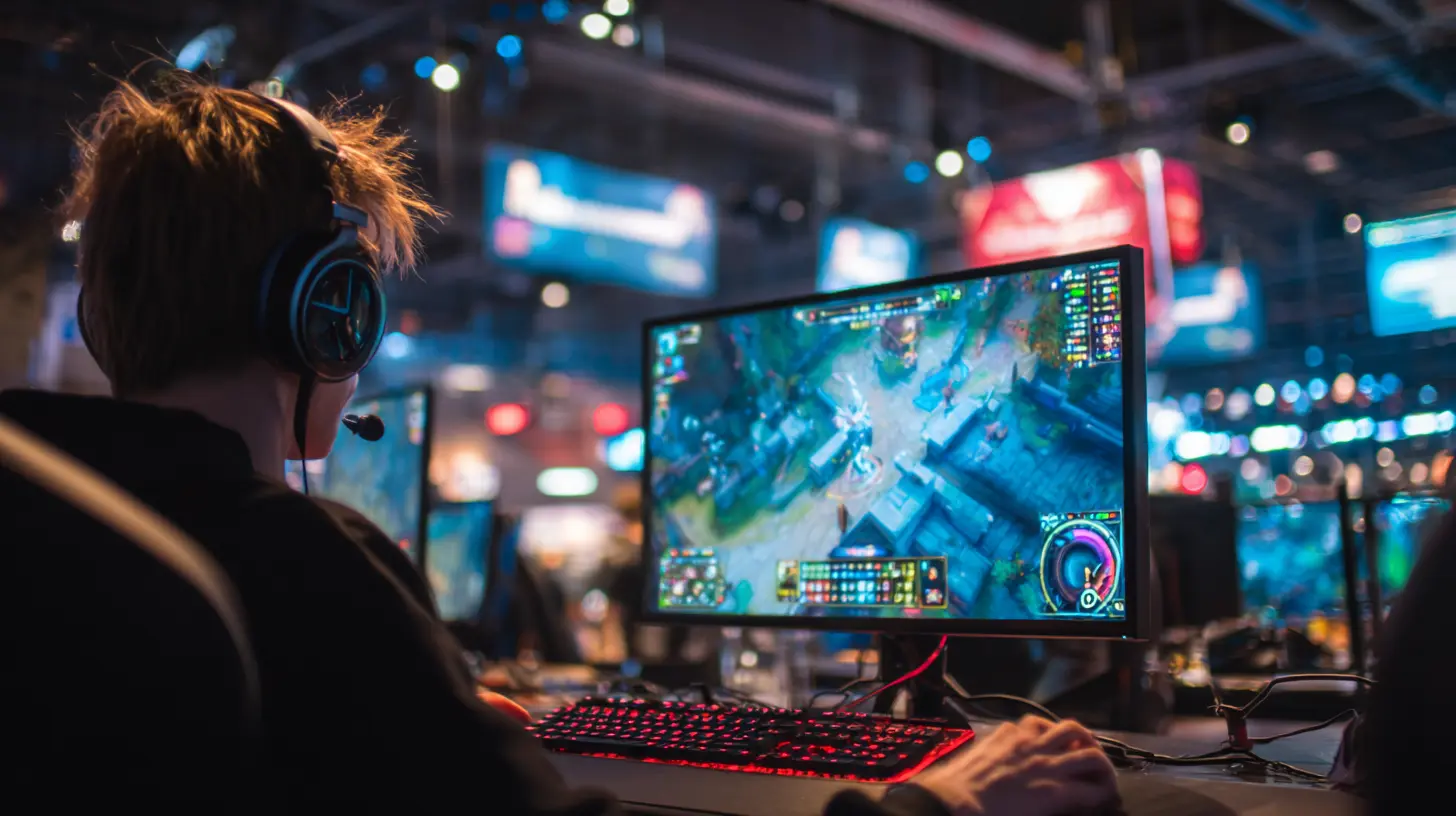
The Multi-Title Problem Nobody Has Fully Solved
Most esports organizations specialize. A Counter-Strike team and a Dota 2 team share a brand and a building, not a training methodology. The 2026 World Cup, with its broad title lineup spanning shooters, MOBAs, fighting games, and mobile titles, forces organizations into unfamiliar territory.The practical consequence is that preparation technology must be modular. A single analytics platform rarely serves a Valorant roster and a Tekken player equally well. Organizations that tried to standardize on one tool across all divisions in 2024 and 2025 often found that the tool was excellent for one title and mediocre for another.
The smarter approach, based on how leading organizations have structured their support staff, is a tiered model:
- Core infrastructure shared across all teams (scheduling, scrim management, communication, player health monitoring)
- Title-specific analytics tools chosen by each roster's coaching staff
- A small internal data team that translates raw output from those tools into decisions coaches can act on
This sounds obvious. It is rarely executed well. The most common mistake is buying an enterprise license for a single analytics suite and assuming it covers everything. It does not. Fighting games, for example, have far less telemetry available than tactical shooters, so a platform built for CS2 or Valorant may offer almost nothing useful for a Street Fighter player beyond basic match logging.
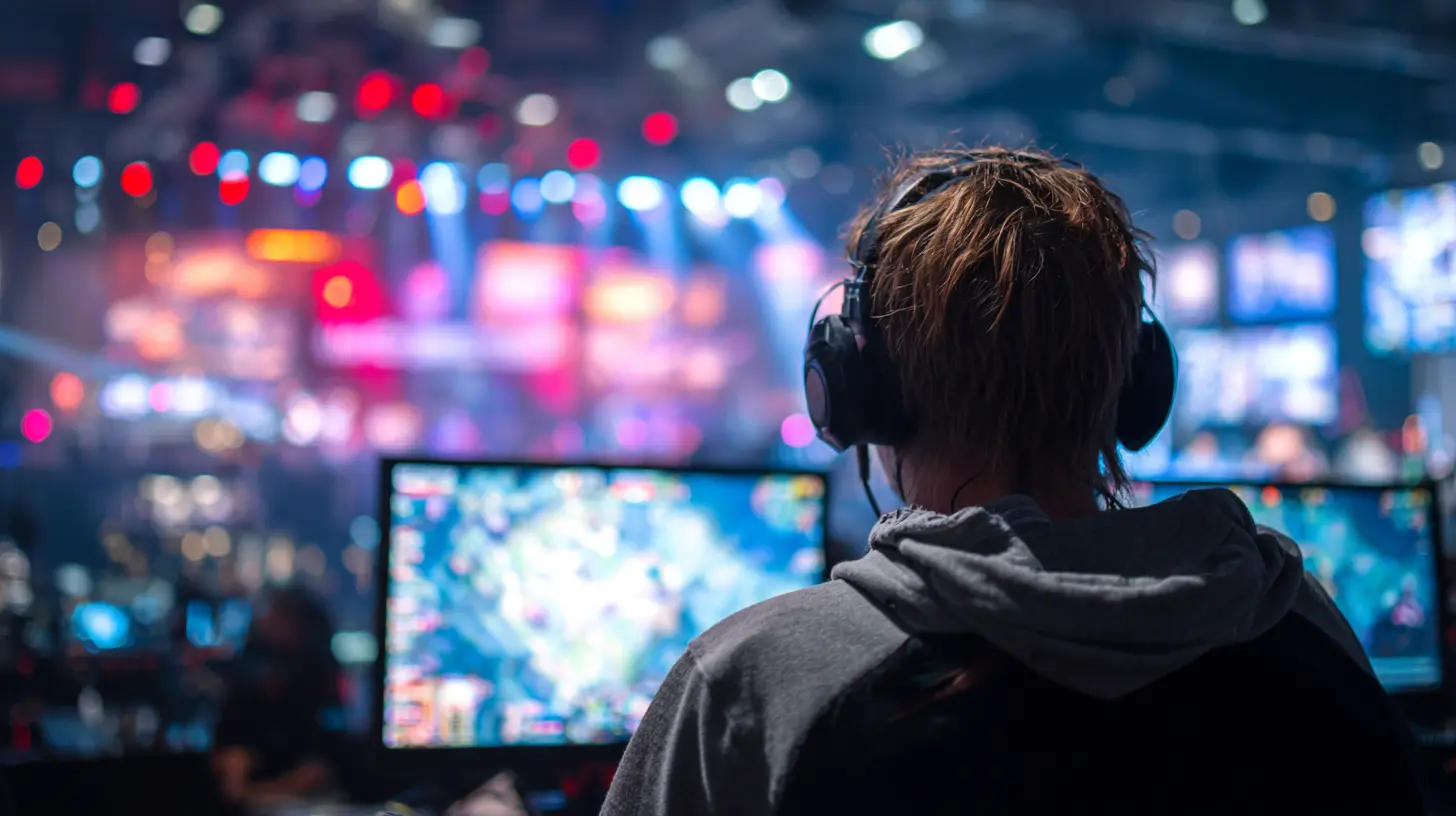
Data Analytics: From Noise to Signal
Replay parsing and telemetry analysis have matured significantly. Tools that once produced spreadsheets of raw events now generate heatmaps, utility efficiency metrics, and round-by-round economic modeling. The question is no longer whether data exists but whether coaches can extract meaning from it before a match.What Works
Pattern detection across large scrim samples works. If a team consistently loses retakes on a particular map site when their entry player dies first, that is a detectable, fixable problem. Analytics platforms excel at surfacing these recurring structural weaknesses.Opponent modeling also works, within limits. Tracking a rival's pick tendencies, early-round aggression rates, or preferred execution timings gives coaches a genuine edge in draft and veto phases. In MOBAs, this extends to ban and pick probability models that can inform draft strategy in real time.
What Often Fails
Overfitting to scrim data is the most persistent failure mode. Teams that practice against the same three opponents develop models tuned to those opponents, then collapse when they meet an unfamiliar style at the World Cup. Data amplifies this risk because it makes the overfitting feel rigorous.Another trap is metric worship. A player can post excellent individual statistics while making decisions that hurt the team. Analytics tools rarely capture positioning discipline, communication quality, or the value of a sacrifice play. Coaches who treat dashboards as ground truth rather than as one input among several tend to make worse decisions than coaches who watch film with no data at all.
The best practice is triangulation: data, film review, and player self-report. When all three agree, act confidently. When they conflict, investigate rather than defaulting to the numbers.
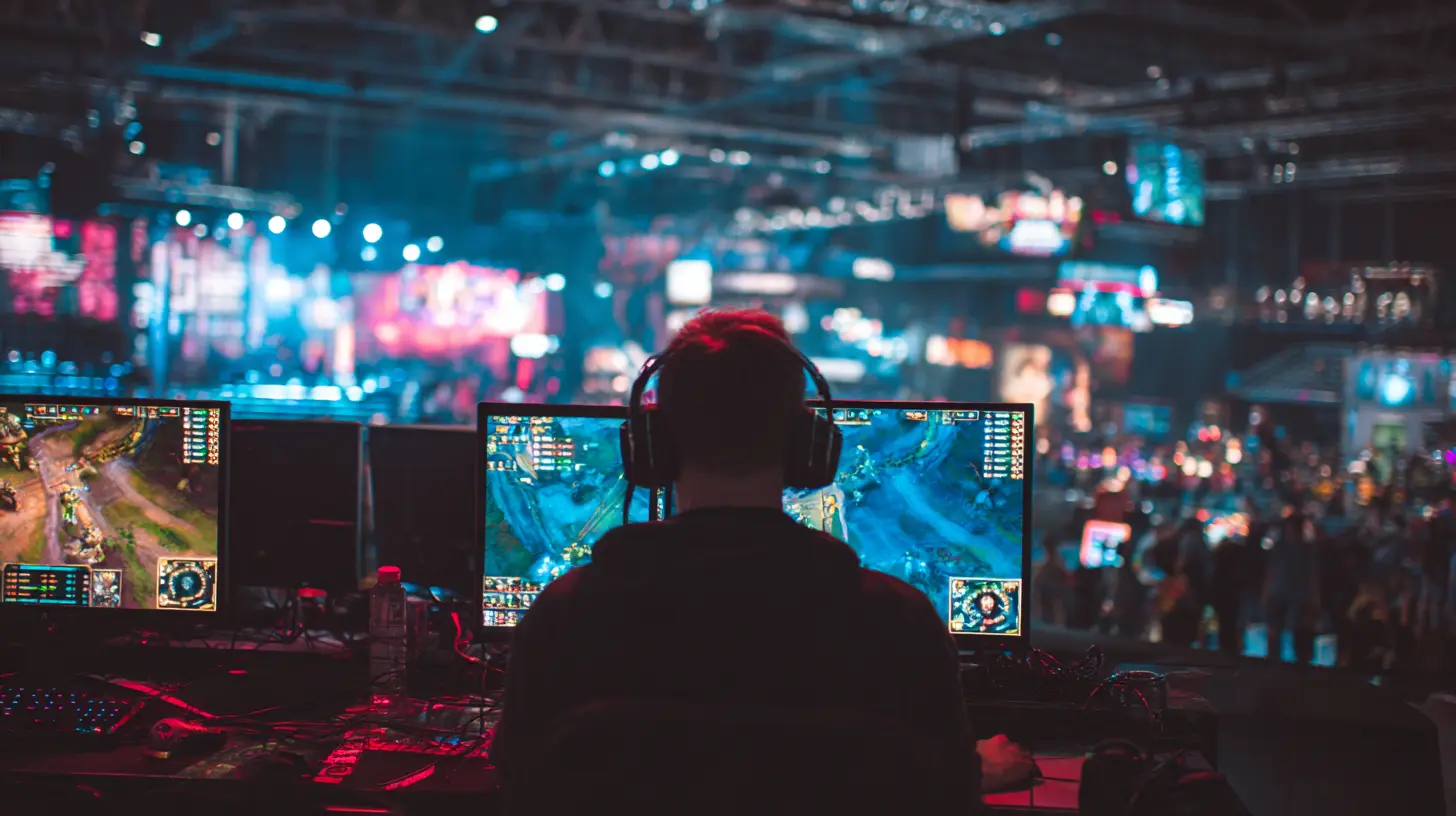
Practice Infrastructure and the Latency Question
The 2026 World Cup brings together teams from regions with very different network realities. A team based in Seoul, a team based in Sao Paulo, and a team based in Stockholm cannot scrim each other at competitive latency without infrastructure.This has driven adoption of several technologies:
Regional practice hubs. Organizations have begun renting facilities in neutral locations with strong connectivity, allowing mixed-region rosters to practice together. This is expensive but increasingly treated as a cost of competing.
Latency-equalization setups. Some teams deliberately practice at artificially elevated ping to simulate match conditions, on the theory that adapting to worse latency is a skill. This is controversial. The counterargument is that practicing at high ping ingrains bad habits and reduces the quality of the practice itself. Most coaches land somewhere in the middle: occasional high-ping sessions for adaptation, but the bulk of practice at the lowest available latency.
Cloud-based scrim platforms. These reduce setup friction and provide automatic recording. The trade-off is that they introduce a third party into the practice environment, which raises data security concerns. A leaked scrim recording can expose draft strategies or map tendencies.
The decision framework here is straightforward. If your roster is regionally concentrated, invest in local hardware and low-latency internet. If your roster is distributed, invest in a neutral hub or accept that a portion of your practice will be compromised. There is no technology that fully erases the speed of light.
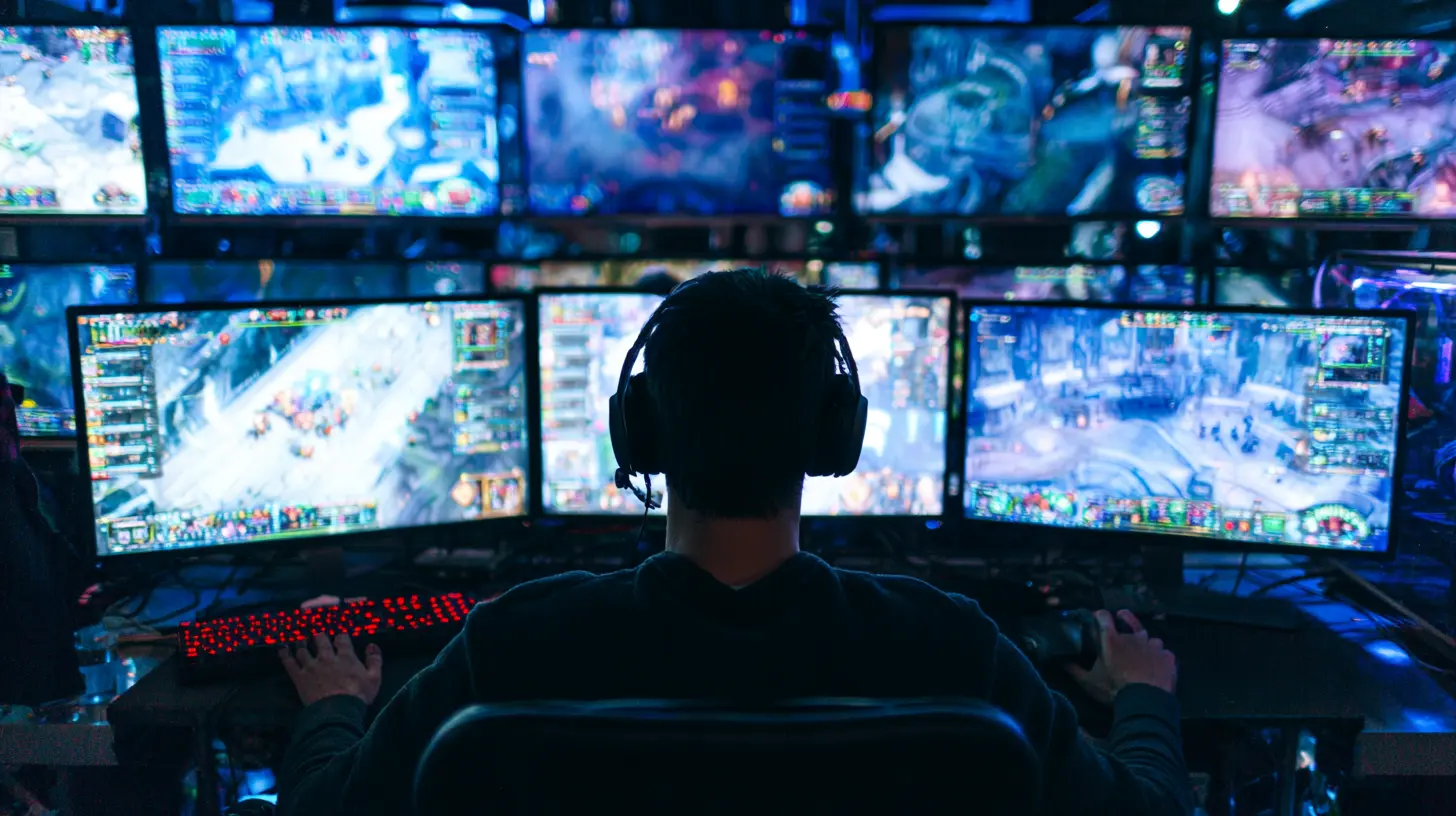
AI Coaching Tools: Useful Assistants, Poor Head Coaches
AI has become a marketing term in esports, which makes evaluation difficult. Stripped of hype, the tools that actually help fall into a few categories:- Automated VOD tagging that timestamps key events so coaches can jump to them quickly
- Draft and ban suggestion engines trained on historical match data
- Natural language tools that let coaches query match databases conversationally
- Player performance forecasting based on scrim and official match history
Each of these saves time. None of them replaces judgment.
The honest assessment is that AI tools are best at compression and retrieval, not at strategy. They can tell you that a certain composition has a 58 percent win rate in your dataset. They cannot tell you whether it fits your players' comfort, whether the sample is large enough to trust, or whether the meta has shifted since those games were played.
A useful rule: use AI to prepare the information, then use humans to interpret it. Teams that invert this order, letting the model make the call and the coach justify it, tend to underperform because they lose the contextual reasoning that separates good preparation from mechanical preparation.
There is also a real risk of homogenization. If every team uses the same publicly available AI draft tools, drafts converge, and the edge disappears. The teams that gain the most from AI are those feeding it proprietary data: their own scrim results, their own player tendencies, their own opponent notes. Off-the-shelf models provide baseline competence, not advantage.
Player Health and Performance Monitoring
The World Cup format is grueling. Multiple titles, long schedules, and international travel create physical and psychological strain that most esports preparation historically ignored.Wearable technology has entered the preparation process in a meaningful way. Heart rate variability monitoring, sleep tracking, and eye strain measurement are now common at well-funded organizations. The purpose is not to turn players into athletes in the traditional sense but to catch decline before it shows up in results.
What works: sleep tracking and schedule management. Players who sleep poorly make worse decisions, and the effect is measurable. Organizations that build practice schedules around sleep quality rather than forcing fixed hours often see better scrim performance.
What is oversold: cognitive training games. The evidence that playing brain-training software improves in-game decision-making is weak. Time spent on those tools is usually better spent on targeted in-game drills.
What is underused: mental health support delivered through accessible, low-stigma channels. Text-based counseling and peer support programs have shown more practical value in esports than many high-tech interventions, precisely because players actually use them.
Scouting, Recruitment, and the Transfer Window
Technology has changed how teams evaluate talent. Public match data, replay databases, and ranking systems mean a promising player in a minor region can be identified without a scouting trip.The upside is a wider talent pool. The downside is that public data rewards players who optimize for visible metrics. A player who tops a leaderboard by playing selfishly may look better on paper than a player who enables teammates. Scouting technology has not solved this; it has made the misjudgment faster.
Best practice: combine data screening with structured tryouts under realistic conditions. Watch how a candidate communicates, how they respond to coaching, and how they behave when losing. No algorithm captures that.
Common Misconceptions
"More data means better decisions." Only if the data is relevant, clean, and interpreted by someone who understands the game. Otherwise it produces false confidence."Technology can replace practice." It cannot. It can make practice more efficient, but the hours still matter.
"What works for Tier 1 works everywhere." A tool that suits a well-funded roster with a dedicated analyst may be useless for a smaller team without one. Match the technology to the support structure.
"Latency is solved." It is not. It is managed, and the management costs money and time.
Practical Recommendations
For teams preparing for the 2026 World Cup, a few principles hold up:1. Audit your existing workflow before buying anything. Identify the specific bottleneck you are trying to fix.
2. Prioritize infrastructure (network, recording, scheduling) over analytics. Bad infrastructure corrupts everything downstream.
3. Assign one person to own data interpretation. Tools without an owner become shelfware.
4. Protect scrim data. Treat it like competitive intelligence.
5. Budget for player health, not just performance. Burnout costs more than any tool.
6. Re-evaluate tools each season. The market moves quickly, and yesterday's advantage is today's baseline.
The Bigger Picture
The 2026 eSports World Cup is a stress test for how prepared the industry is to operate at the scale of a traditional sports event. Technology will shape which teams adapt and which ones arrive with tools built for a smaller stage. But the teams that win will likely be those that use technology to sharpen human judgment rather than replace it. The tools are powerful. The thinking still has to come from people.
all images in this post were generated using AI tools
Category:
Upcoming TournamentsAuthor:

Onyx Frye