How Sports Are Tackling Gender Inequality
25 November 2026
Gender inequality in sports is a multifaceted issue that has persisted for decades. Despite progress, there remains a significant gap in opportunities, pay, and recognition between male and female athletes. This article delves into how various sectors of the sports industry are addressing these disparities, offering insights into the current landscape, challenges, and effective strategies for promoting gender equity.
The Historical Context of Gender Inequality in Sports
To understand how sports are tackling gender inequality today, it's essential to consider the historical context. Traditionally, sports have been male-dominated arenas, with women often relegated to secondary roles or entirely excluded from participation. The passage of Title IX in the United States in 1972 marked a watershed moment, mandating equal opportunity for women in educational sports programs. However, despite such legislative advancements, many challenges remain.Key Milestones
1. Title IX (1972): This landmark legislation prohibited gender discrimination in federally funded educational programs, paving the way for increased female participation in sports.2. Women's World Cup: The growing popularity of events like the FIFA Women's World Cup has not only showcased female talent but also highlighted the disparities in pay and coverage compared to men's tournaments.
3. Olympic Inclusion: The gradual inclusion of women in the Olympics has been significant, with the first female athletes competing in 1900. Today, the Olympics feature events for women in nearly every sport.
Current Landscape
Despite these milestones, gender inequality persists. The pay gap between male and female athletes is vast, and media coverage of women's sports lags significantly behind that of men's. According to various studies, women's sports receive less than 5% of total sports media coverage, perpetuating stereotypes and limiting visibility.
The Role of Sports Organizations
Sports organizations play a crucial role in addressing gender inequality. Many are beginning to implement policies and initiatives aimed at leveling the playing field.Funding and Sponsorship
Sponsorship deals often favor men's sports, reflecting and reinforcing societal biases. Organizations are now recognizing the importance of investing in women's sports. For example, the Women's National Basketball Association (WNBA) has secured significant sponsorships and media deals, demonstrating the market potential of women's sports.Policy Changes
Policies promoting diversity and inclusion are gaining traction. The National Football League (NFL) launched the "Inspire Change" initiative to address social justice issues, including gender inequality. Such initiatives aim to create a more inclusive environment within the sport.Case Study: The U.S. Women's National Soccer Team
The U.S. Women's National Soccer Team (USWNT) has become a beacon of the fight for gender equality in sports. Their push for equal pay led to a historic settlement in 2022, where they secured equal compensation with their male counterparts. This case illustrates the power of collective bargaining and public advocacy in effecting change.
Empowering Female Athletes
Empowering female athletes is central to tackling gender inequality. Several initiatives are designed to provide female athletes with resources, training, and support systems.Mentorship Programs
Mentorship initiatives connect young female athletes with established professionals in their sports. For example, organizations like "SheIS" focus on providing mentorship and resources to female athletes, fostering an environment where they can thrive.Scholarships and Grants
Financial support is crucial for female athletes, many of whom may lack the funding available to their male peers. Scholarships specifically aimed at women in sports can help bridge this gap. Programs like the Women's Sports Foundation provide grants to female athletes, promoting their development and participation.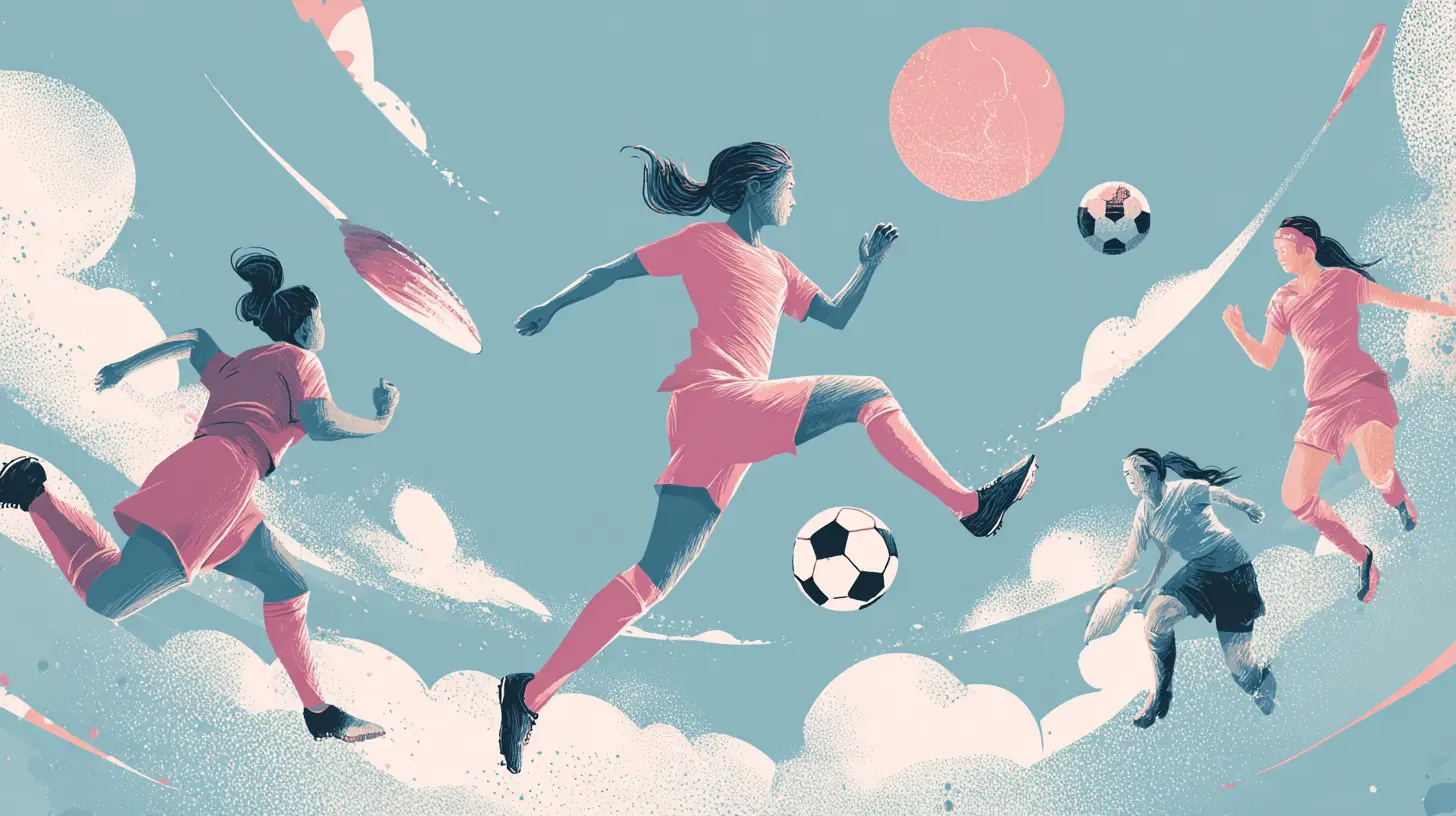
Media Representation and Coverage
Media representation plays a vital role in shaping perceptions of female athletes. A lack of visibility leads to a cycle of underrepresentation, which organizations are beginning to confront.Increasing Coverage
Media outlets are slowly recognizing the market potential of women's sports. In 2021, CBS Sports reported a significant increase in viewership for women's sports events. This rise in interest is prompting networks to invest more in broadcasting women's events, which is essential for building the visibility and popularity of women's sports.Social Media Influence
Social media platforms have become powerful tools for female athletes to share their stories and connect with fans. Athletes like Serena Williams and Megan Rapinoe use their platforms not only to promote their sports but also to advocate for gender equality. This grassroots movement is vital for driving change in mainstream media narratives.Addressing Misconceptions
Several misconceptions about gender equality in sports hinder progress. Understanding and addressing these can help create a more equitable environment.The Myth of Interest
One common misconception is that there is little interest in women's sports compared to men's. However, studies show that when women's sports are given equal media coverage and exposure, they attract substantial viewership. The success of women's events like the Women's World Cup dispels the myth that there is a lack of interest.Performance Levels
Another misconception is that women's sports are less competitive. This notion undermines the incredible talent and skill exhibited by female athletes. The records set by female athletes in various sports often match or exceed those of their male counterparts, proving that performance levels are not inherently tied to gender.
Best Practices for Sports Organizations
To effectively tackle gender inequality, sports organizations can adopt several best practices.Implementing Diversity Policies
Organizations should establish clear diversity and inclusion policies, prioritizing gender equity at all levels, from grassroots programs to professional leagues. This includes ensuring equal pay, media representation, and opportunities for women in leadership roles.Engaging Male Allies
Engaging male allies in the fight for gender equality is crucial. Male athletes and coaches can use their platforms to advocate for equal treatment of women in sports, helping to challenge societal norms and biases.Community Outreach Programs
Community initiatives aimed at encouraging young girls to participate in sports can significantly impact gender representation. Programs that provide access to facilities, coaching, and resources can help foster a new generation of female athletes.The Global Perspective
While much of the discussion around gender inequality in sports centers on Western countries, the issue is global. Various cultures have different challenges and opportunities for female athletes.Cultural Barriers
In some regions, cultural norms restrict women's participation in sports. Initiatives that challenge these norms and promote female athleticism are essential. Organizations like Women Win work globally to empower girls through sports, providing them with opportunities to participate and excel.International Competitions
Events like the Olympics and the FIFA World Cup can serve as platforms for promoting gender equality worldwide. The visibility these events provide can help change perceptions and inspire younger generations.
The Future of Gender Equality in Sports
The future of gender equality in sports looks promising, but challenges remain. The ongoing advocacy by athletes, organizations, and fans is critical for sustaining momentum.Funding and Investment
Continued investment in women's sports will be key to ensuring that female athletes receive the same opportunities and recognition as their male counterparts. This includes not only financial support but also infrastructure development and marketing efforts.Policy Enforcement
Enforcing existing policies and legislation aimed at promoting gender equality is crucial. Sports organizations must hold themselves accountable for creating a level playing field, ensuring that women have equal access to resources and opportunities.The Power of Storytelling
Storytelling can be a powerful tool for promoting gender equality. Highlighting the achievements of female athletes and sharing their stories can inspire others and challenge societal norms. Documentaries, interviews, and social media campaigns can amplify these narratives, making a lasting impact.Conclusion
As sports continue to evolve, the fight for gender equality remains a critical issue. While significant strides have been made, much work remains. By focusing on policy changes, media representation, and community engagement, the sports world can create a more equitable environment for all athletes. The path to gender equality in sports is not just a moral imperative; it is essential for the growth and development of the sports industry as a whole.
all images in this post were generated using AI tools
Category:
Sports And SocietyAuthor:

Onyx Frye