How Professional Football Teams Build Winning Cultures
6 July 2026
Let’s get real for a second—winning in professional football isn’t just about having the best quarterback, the fastest wide receiver, or the meanest linebacker. Nope, it goes way deeper than game-day performance. Behind every Super Bowl win or dominant season lies something far more powerful and long-lasting: culture.
A winning culture is the invisible glue that holds those highlight-reel plays, locker room celebrations, and championship parades together. It’s what separates the flashes-in-the-pan from the dynasties. So, how do professional football teams build that sort of culture—the kind that breeds excellence, resilience, and championships?
Let’s dive in and break it down.
What Exactly Is a “Winning Culture” in Football?
Before we get into the weeds, let’s define what we’re talking about. When football insiders talk about “culture,” they’re not referring to locker room music or team rituals. We’re talking about the collective mindset, values, work ethic, and habits that drive a team both on and off the field.A winning culture is where every player, coach, trainer—even the folks in the front office—are aligned toward a single goal: winning, yes, but also doing things the right way to sustain that success for years.
It’s kind of like building a house. Talent is your bricks. Strategy is the blueprint. But culture? That’s your foundation. Without it, everything else crumbles eventually.
Leadership Starts at the Top
Every successful football culture starts within the front office and coaching staff. Look at legends like Bill Belichick, Andy Reid, or even the up-and-coming Mike McDaniel. They don’t just install plays—they install accountability, consistency, and a shared purpose.General Managers and Owners: The Visionaries
A winning culture needs clarity and direction. Owners and general managers set the tone by hiring coaches who fit the long-term vision. They're not chasing the hottest name—they’re looking for leadership qualities that align with the team's identity.You’ll often hear phrases like “building the right way” or “trust the process.” That’s not just PR speak; it’s about aligning leadership with purpose. A GM who values character and work ethic as much as athleticism is already building something worthwhile.
Coaches: The Cultural Architects
Let’s be honest—players can smell inauthenticity from a mile away. Coaches who are real, who lead by example, who hold everyone accountable (including themselves), are the ones who earn player loyalty.Culture-building coaches:
- Reinforce team values every single day
- Prioritize player development alongside wins
- Don’t play favorites
- Address issues head-on, not through the grapevine
Think of them as gardeners. Their job is to create fertile soil where players can grow, not just scream at them when they mess up.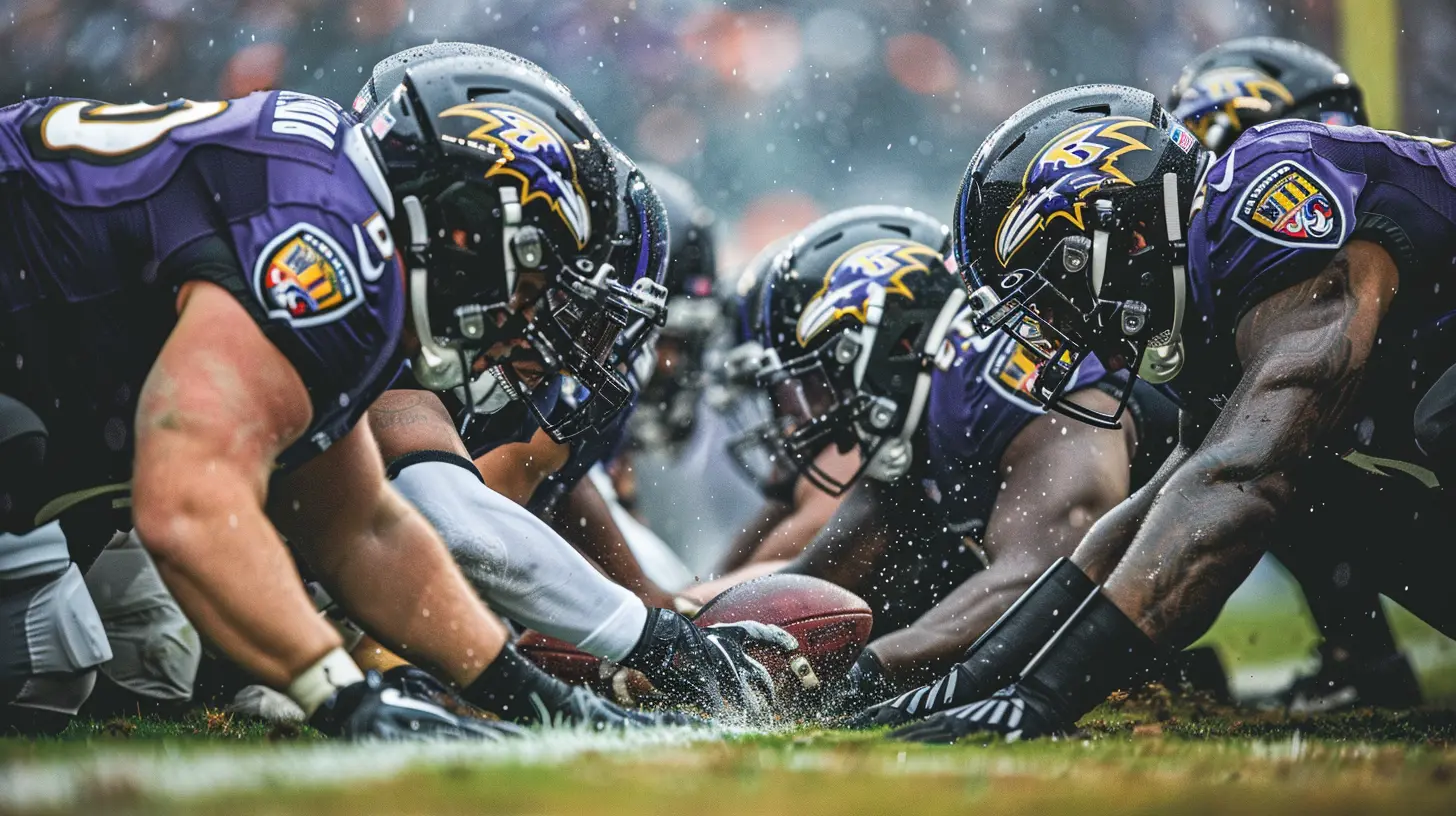
Recruiting the Right Kinds of Players
Here’s a hard truth: talent alone won’t keep you around in a team that values culture. Sure, having freak athletes helps, but if someone’s attitude stinks? They’re more likely to be out the door than on the field.Character Counts
Teams with winning cultures look for more than combine stats. They ask:- How does this player respond to adversity?
- Is he coachable?
- Does he uplift teammates or bring them down?
- Will he buy into the system?
It’s like drafting a puzzle piece. Even if it's high-quality, it still needs to fit into the bigger picture.
Locker Room Leaders
Every locker room has its alpha dogs. The key is making sure those leaders reflect the culture you're building. Leaders aren’t always the loudest ones either—sometimes, it’s the guy who shows up early, trains hard, and doesn’t make excuses.Culture spreads through these leaders like wildfire. When they live and breathe the right values, everyone else either follows suit or sticks out like a sore thumb.
Accountability: The Secret Sauce
One of the cornerstones of a winning football culture is accountability—from top to bottom. And by accountability, we’re not just talking about owning your mistakes (though that’s part of it). We’re talking about a daily commitment to excellence.No Excuses, Just Standards
The best teams don’t make excuses when they lose. They own it. They study the film, fix the problems, and come back stronger.Coaches hold players accountable.
Players hold each other accountable.
Veterans hold rookies accountable.
This creates a ripple effect. When everyone knows that their effort and attitude matter every day, the standard naturally elevates.
Internal Competition
Healthy competition fuels accountability. In high-performing cultures, players are constantly pushing each other. Not out of jealousy or ego—but out of mutual respect and hunger to be better.When everyone is grinding, nobody wants to be the weak link. That’s when you get those ‘iron sharpens iron’ moments.
Communication Is Everything
Want to know what ruins promising teams faster than anything else? Poor communication. A strong, winning culture fosters constant, open, and honest communication.Transparent Messaging
From leadership to coaches to players, everyone should know what the mission is. There’s no room for mystery in great cultures. If everyone understands their role and the expectations, there’s less confusion, fewer mistakes, and more unity.Feedback Loops
The best teams aren’t afraid of tough conversations. Constructive criticism is part of growth, and the culture encourages it—whether it’s rookies getting tips from vets or coaches adjusting based on team feedback.Without open lines of communication, even the most talented teams get bogged down by misalignment.
Consistency Across the Board
Ever wonder why some teams always seem to be “in the hunt,” no matter who’s playing quarterback or who left in free agency? It’s because they don’t reinvent the wheel every season—they stay true to their culture.Systems and Habits
Winning teams operate with consistent habits. From how practices are run to how meetings are held to the way players recover after games, everything is done with purpose.Consistency sends a message: this is who we are, and this is how we do things. It helps new players adjust quickly and keeps veterans sharp.
Adapting Without Losing Identity
Being consistent doesn’t mean being rigid. Winning cultures adapt to modern football trends—new schemes, analytics, player rest—but they never lose sight of who they are.That’s why Belichick’s Patriots could go from Tom Brady bombs to Cam Newton RPOs and still win games. The system evolved, but the culture? Rock solid.
Building Trust and Camaraderie
You can’t fake chemistry. Teams that trust each other deeply always have an edge. They’re more likely to go the extra mile, to back each other up during tough games, and to stay composed when everything's on the line.Bonding Off the Field
Great teams spend time together outside of practice. Whether it’s team dinners, bowling nights, or just goofing off in the film room, relationships matter.Why? Because when you care about the guy next to you, you play harder—for him, and with him. It’s no longer just a job—it’s personal.
Shared Sacrifices
Winning cultures are full of players who are willing to sacrifice personal stats for the greater good. That only happens when there’s trust in the system and in each other.When the culture is right, egos shrink, and the team identity takes over.
Investing in Player Growth (On and Off the Field)
Another sign of a strong culture? They don’t just care about what players can do for the team—they care about what the team can do for the players.Development-Oriented Mindset
Top-tier coaches are obsessed with helping players get better at their craft. But they also encourage learning, leadership, and mental toughness.Teams with winning cultures pour resources into:
- Skill development
- Mental health
- Nutrition
- Financial education
- Post-career planning
When a player knows the team has his back, it creates loyalty. And loyalty? That’s rare and powerful in any professional sport.
Embracing Legacy and Tradition
There’s something special about putting on a jersey that carries history. Whether it’s the Steelers, Packers, 49ers, or Cowboys—teams with deep legacies often use that heritage as a motivational tool.Honoring the Past
Winning cultures often tie their present-day journey to the legends who came before. That’s not just nostalgia—it’s a reminder that the standard was set long ago and still matters.A rookie stepping into that legacy knows he’s not just playing for himself—he’s continuing a story.
Creating New Standards
But culture isn’t just about keeping up tradition—it’s also about setting new ones. Each group of players has the chance to write their own chapter. When they buy into that? Magic happens.Conclusion: Culture Eats Strategy for Breakfast
At the end of the day, schemes, playbooks, and contracts all play a role—but culture? That's the heartbeat. It’s what sustains greatness through injuries, trades, and tough stretches. It’s why some teams bounce back from 2-5 starts and others fall apart with a 5-2 record.Building a winning culture in professional football isn’t easy. It takes time, patience, and unwavering commitment from every corner of the organization. But the payoff? Championships. Dynasties. Respect.
So, the next time you watch a powerhouse team dominate on Sunday, know this—it’s not just plays that got them there. It’s culture.
all images in this post were generated using AI tools
Category:
Professional SportsAuthor:

Onyx Frye
Discussion
rate this article
1 comments
Wyatt Bell
Winning cultures in football are built on trust, resilience, and teamwork. When players unite under a common goal, greatness follows. Every step matters on the path to victory.
July 8, 2026 at 3:37 AM
Onyx Frye
Absolutely. Trust and teamwork create the foundation for success. Every effort counts in building a winning culture.