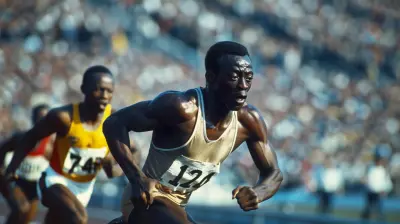
How Fans Reacted to the Shocking Trade That Shook the League in 2027
30 April 2026
Let me paint you a picture. It’s a Tuesday night in late July 2027. You’re scrolling through your phone, half-watching a rerun of SportsCenter, when the notification hits. Your thumbs freeze. Your jaw drops. You read it again—and again—because your brain refuses to process what your eyes are seeing. A trade. But not just any trade. The trade. The one that broke the internet, shattered fanbases, and made grown men cry into their nachos.
In the history of sports, there have been blockbusters—the Herschel Walker trade, the Babe Ruth sale, the LeBron-to-Miami decision. But the 2027 trade? It wasn’t just a seismic event. It was a meteor crashing into a volcano while a tsunami laughed in the background. Fans didn’t just react. They erupted. And I’m here to break down every scream, every meme, every conspiracy theory, and every tear that followed.
So grab your favorite jersey (or tear it off in protest), and let’s dive into the chaos.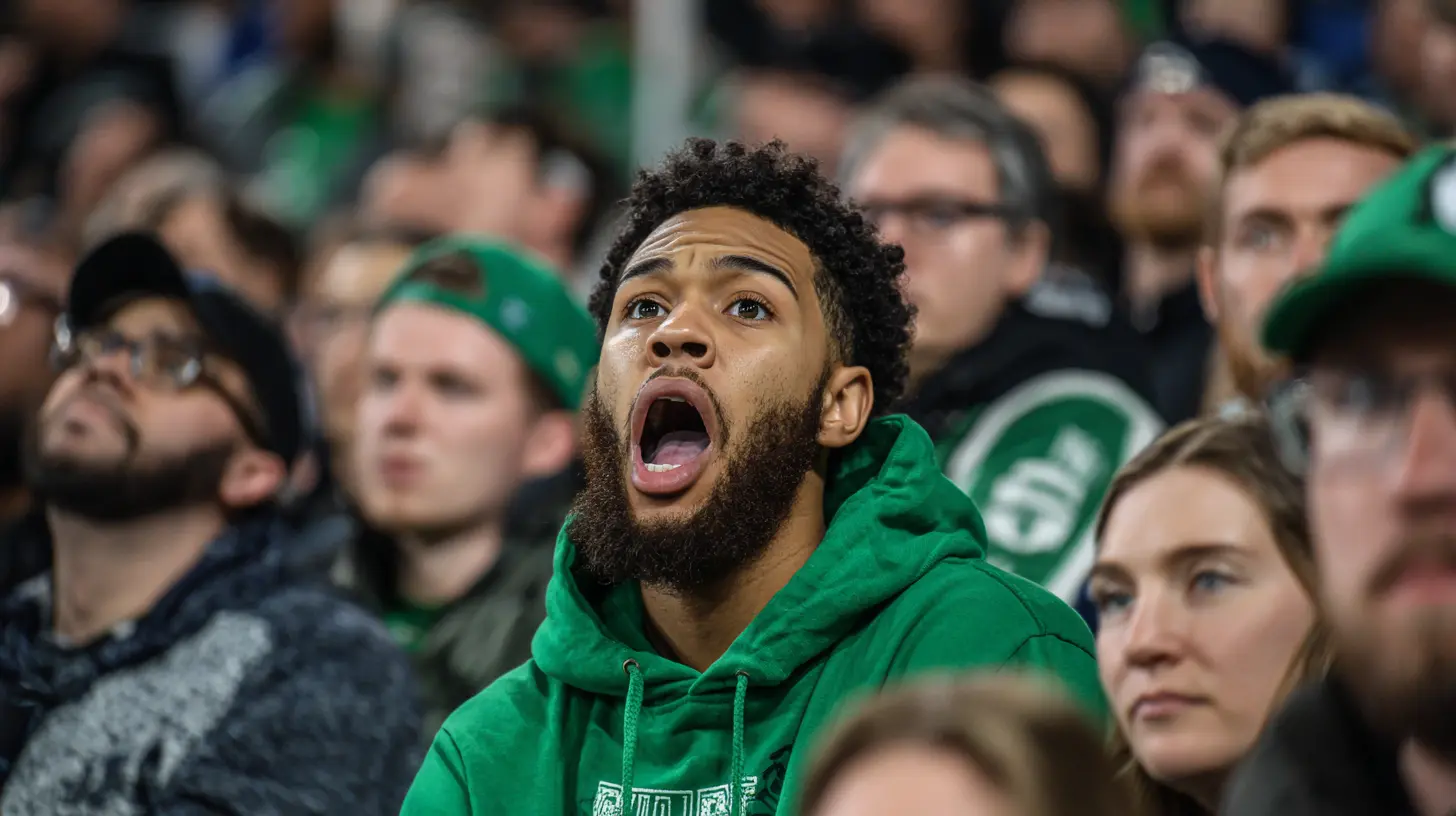
The Trade That Broke the Timeline (and Our Hearts)
First, let’s set the stage. The year is 2027. The league—let’s call it the NBA, because honestly, it fits—had been building toward a dynasty clash. Two superstars, both in their primes, had been the faces of their franchises for half a decade. One was a generational scorer, a human highlight reel who could drop 50 points while blindfolded. The other was a two-way monster, a defensive savant who made opponents question their career choices. They were rivals. They were icons. They were supposed to hate each other.But then, at 11:47 PM Eastern Time, the trade was announced: Superstar A was shipped to Superstar B’s team for a package that included three first-round picks, two emerging young talents, and a cash consideration that felt like an insult. The league office had approved it. The agents had signed off. And the world collectively screamed, “WHAT?!”
Why was it shocking? Because it wasn’t supposed to happen. Rumors had swirled for weeks, but everyone dismissed them as clickbait. “No way the front office is that dumb,” fans said. “They’d never trade the face of the franchise.” Well, they did. And the fallout was nuclear.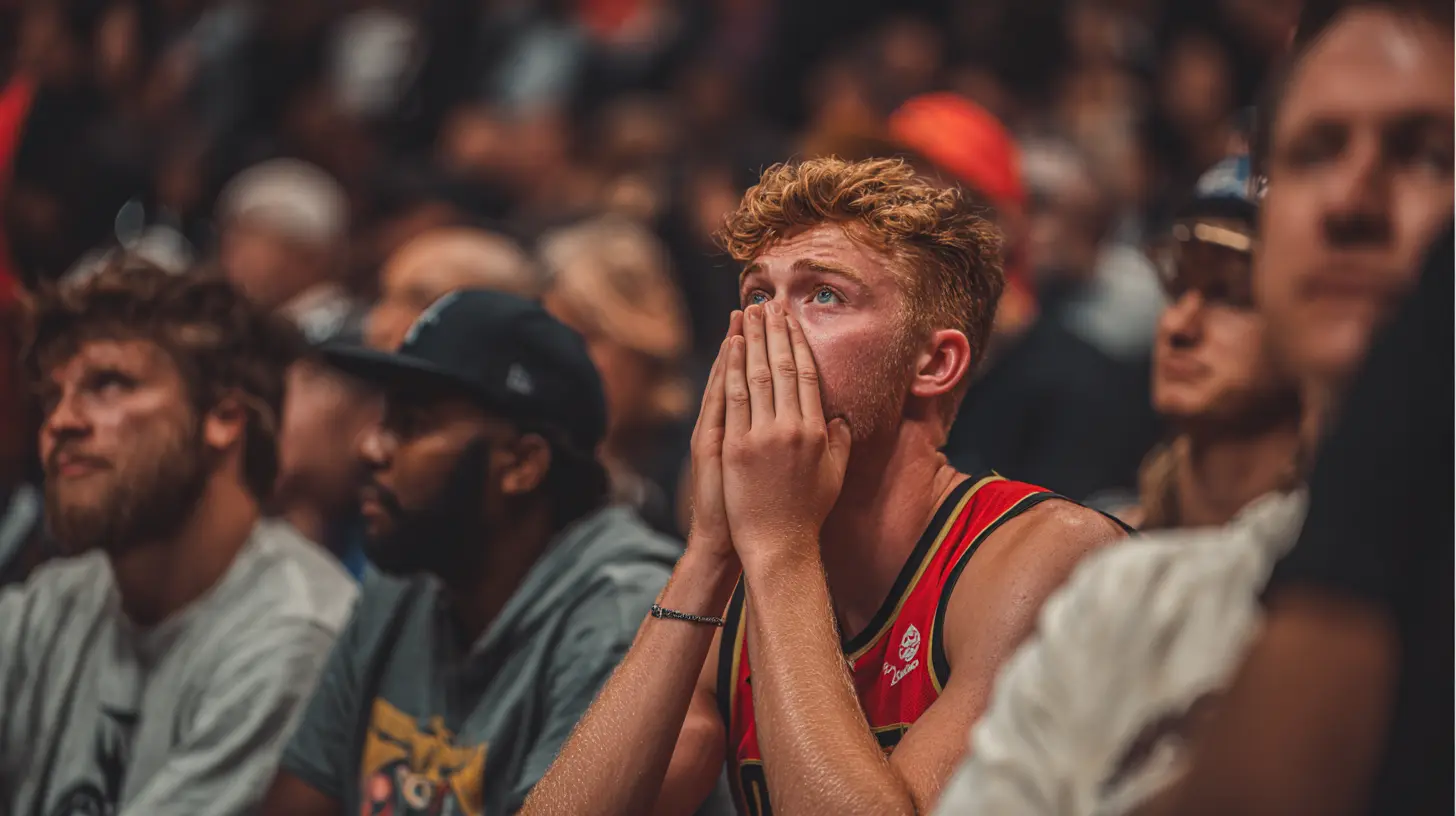
The First 15 Minutes: Pure Pandemonium
Imagine you’re at a family dinner, and your uncle announces he’s marrying a llama. That’s the level of disbelief fans experienced. Social media went into meltdown mode within seconds.Twitter/X became a war zone. Hashtags like #TradeOfTheCentury, #FireTheGM, and #LeagueIsRigged trended globally. Verified accounts—players, analysts, even referees—posted cryptic emojis. One former MVP tweeted a single GIF of a man setting his hair on fire. It summed up the vibe perfectly.
Reddit’s NBA subreddit crashed. Moderators had to create a megathread titled “We’re All in Shock. Post Your Reactions Here. No, Seriously, We’re Crying Too.” Within an hour, that thread had 47,000 comments. Some were analytical (“This destroys their cap space for three years”), but most were raw emotion (“I just threw my phone across the room. My dog is scared.”).
Instagram stories flooded with crying Jordan memes. Fans filmed themselves staring into the void. One guy—I’m not kidding—livestreamed himself burning his jersey in a backyard grill, only to realize it was a counterfeit and it smelled like toxic plastic. The irony was chef’s kiss.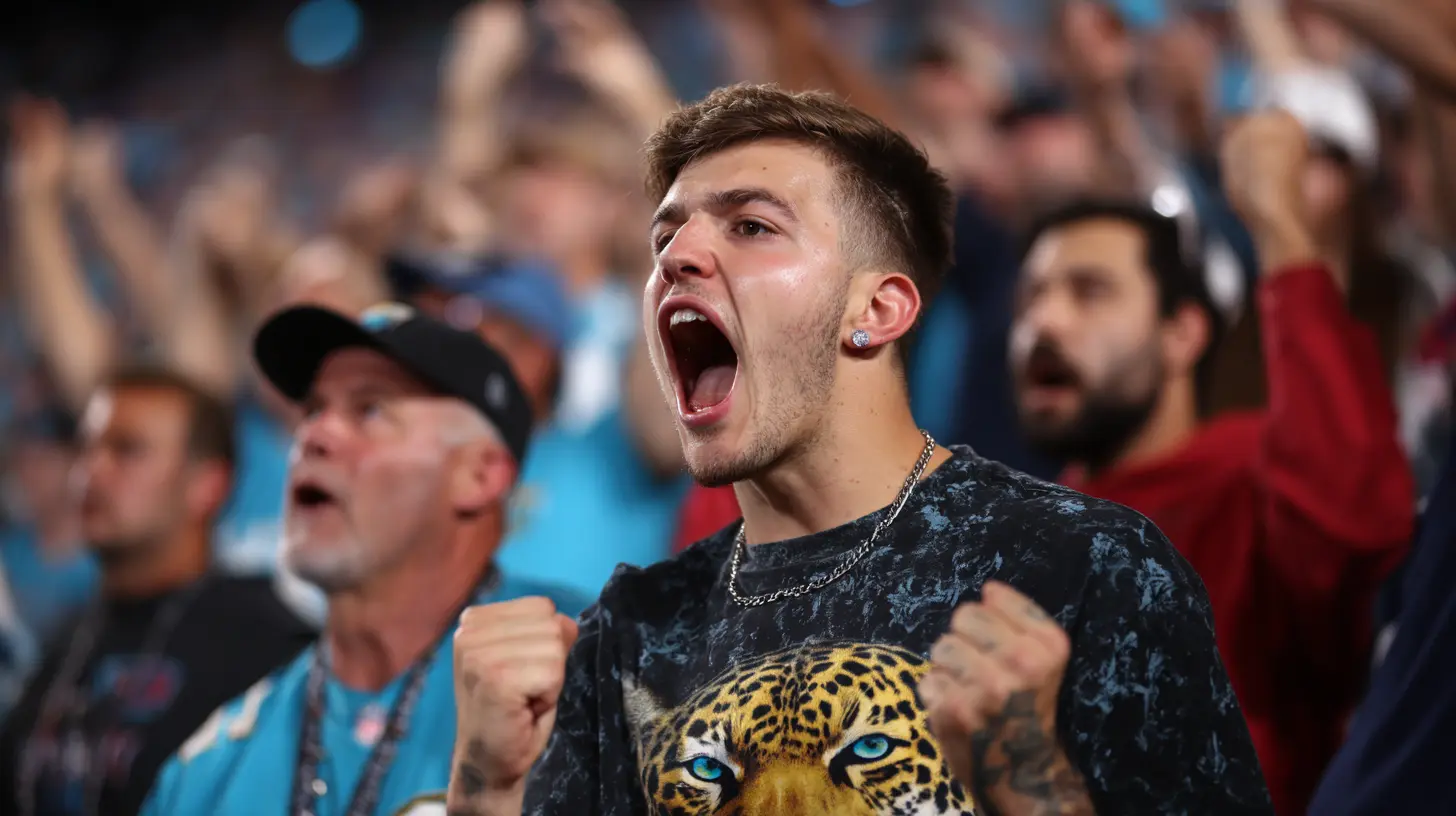
The Emotional Rollercoaster: From Denial to Rage to… Acceptance?
Psychologists love the five stages of grief. Fans of the team that lost Superstar A went through all five in about 48 hours. Let’s walk through them.Stage 1: Denial
“It’s a glitch,” they said. “The league’s Twitter account got hacked. This is a prank. Any minute now, Adam Silver will come out and say, ‘Just kidding, folks!’” Fans dug up old interviews where the GM swore Superstar A was “untouchable.” They screenshotted them and posted them with captions like, “Remember when words meant something?”One fan started a Change.org petition to “void the trade due to emotional distress.” It got 200,000 signatures. Did it matter? No. But it felt good.
Stage 2: Anger
Oh, the anger was beautiful—in a tragic, dumpster-fire kind of way. Local sports radio hosts went full Howard Beale from Network. Callers screamed about “betrayal” and “selling out.” One caller, a guy named Kevin from Ohio, said, “I’ve been a fan for 40 years. I named my son after this player. Now I have to look at my son and explain that his namesake is a mercenary.” Deep stuff, Kevin.Memes of the GM’s face photoshopped onto a clown became viral. Fans organized a “protest parade” outside the arena, complete with signs that read, “Our Franchise, Their Wallet” and “We Don’t Need Picks, We Need Pride.”
Stage 3: Bargaining
This stage was fascinating. Fans started proposing alternative scenarios—what if the trade was actually a three-team deal that hadn’t been announced yet? What if Superstar A was planning to retire and the team got something in return? What if this was all a setup for a bigger move at the deadline?One user on a forum wrote a 3,000-word essay titled “How This Trade Actually Makes Us Better (Hear Me Out).” It was downvoted into oblivion.
Stage 4: Depression
By day three, the anger faded into a quiet, existential sadness. Fans stopped posting. They stopped arguing. They just… stared. A popular tweet read: “I’m not even mad anymore. I’m just tired. I used to believe in loyalty. Silly me.”Local sports bars reported a 40% drop in attendance for the next home game. People weren’t boycotting—they were mourning. One fan told a reporter, “It feels like I got broken up with via text. Except I didn’t even know we were in a fight.”
Stage 5: Acceptance (Sort of)
Eventually, the dust settled. Fans started talking about the future. “Okay, we got three picks. Who can we draft?” “Maybe the young guys will blossom.” “We’ll rebuild. It’s fine.” But there was always a hint of bitterness. Acceptance didn’t mean forgiveness. It meant survival.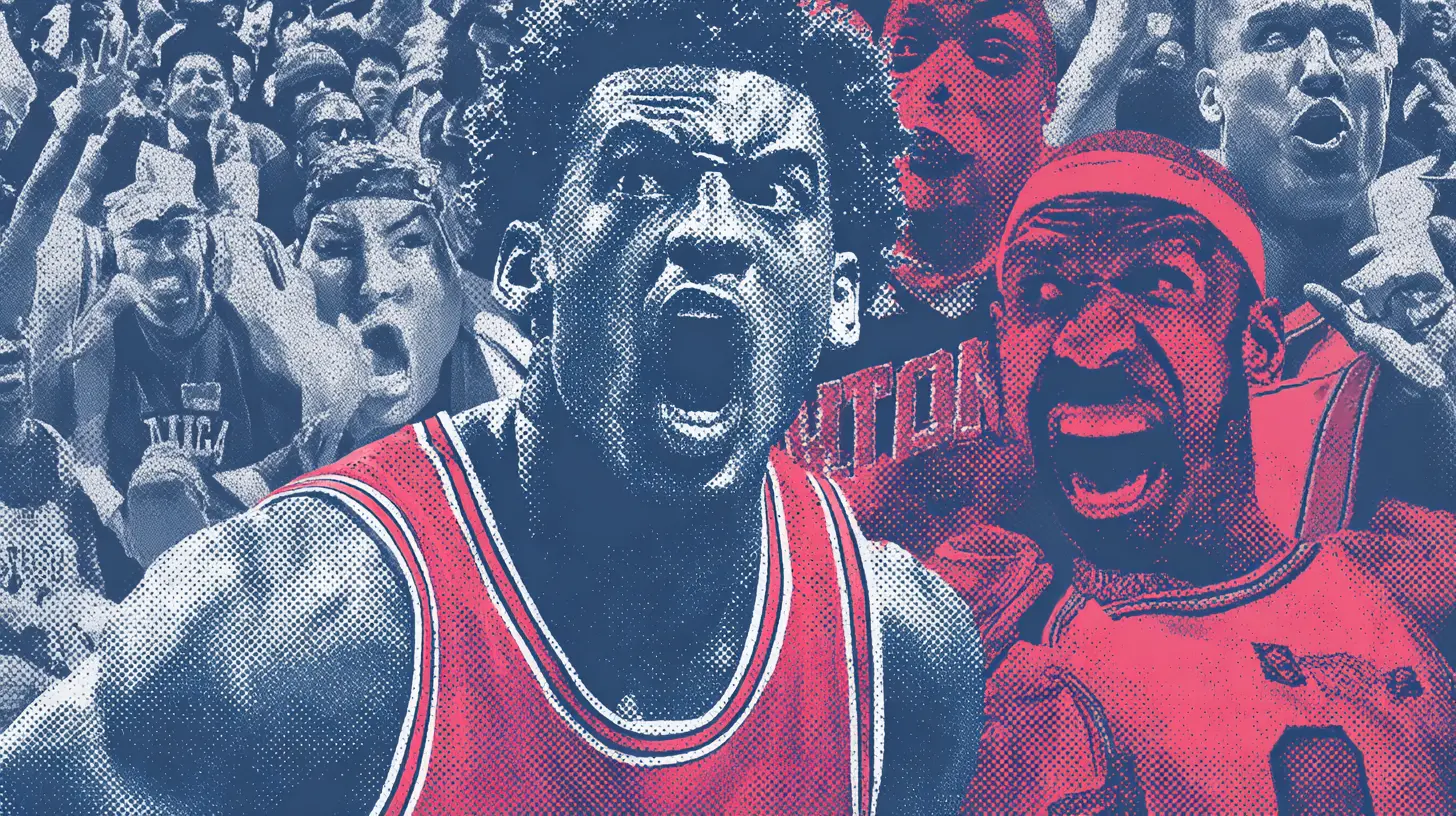
The Other Side: How the Winning Team’s Fans Reacted
Now, let’s flip the coin. The team that acquired Superstar A? Their fans were having the time of their lives. But even their reaction was layered.At first, it was pure euphoria. Champagne corks popped. Group chats exploded with “WE GOT HIM!” GIFs. One fan drove to the arena at 2 AM and just stood there, arms raised, like a victorious gladiator. Another tweeted, “I’ve been a fan since birth. This is the best day of my life. I’m calling my dad to cry.”
But then came the second-guessing. “Did we give up too much?” “What if the chemistry is off?” “Superstar A is a ball-dominant player. Will Superstar B be okay sharing the spotlight?” The excitement was real, but it was laced with the anxiety of high expectations. After all, when you trade the farm for a Ferrari, you better not scrape the rims.
The Media Circus: Analysts, Hot Takes, and Overreactions
If you thought fans were chaotic, wait until you saw the media. Every talking head had an opinion, and they weren’t afraid to shout it.ESPN dedicated an entire 24-hour segment to the trade. Stephen A. Smith went on a 12-minute rant that included the phrases “disgrace to the game,” “what is the world coming to,” and “I’m not angry, I’m disappointed.” He also compared the trade to “selling your soul for a lottery ticket.” Classic Stephen A.
Podcasters scrambled to record emergency episodes. One podcast titled “The Trade That Changed Everything” dropped within two hours. The hosts argued so loudly that one of them accidentally knocked over a microphone. It added to the drama.
Analytics nerds had a field day. They crunched numbers, simulated seasons, and concluded that the trade was either “a masterstroke” or “a catastrophic error” depending on which model they used. The 538 guys wrote a piece titled “The 2027 Trade: A 50-50 Gamble with 100% Emotional Fallout.” Accurate.
The Players’ Reactions: Social Media Clues and Silence
Here’s where it got juicy. Players from both teams—and around the league—reacted in real time.- Superstar A (the one traded) posted a single Instagram story: a black screen with a broken heart emoji. No caption. No explanation. Fans analyzed that emoji for days. Was he sad to leave? Was he sad about the backlash? Was he just tired of the drama? We’ll never know.
- Superstar B (the one staying) tweeted, “Business is business. Let’s get to work.” It felt cold, but also professional. Fans loved it or hated it—no middle ground.
- A random bench player from a different team tweeted, “I’m just glad I’m not involved in this mess.” That got 100,000 likes. Relatable king.
But the most telling reaction came from a veteran analyst who posted a photo of himself staring at a blank whiteboard. The caption: “I’ve covered this league for 30 years. I have no idea what just happened.” Honesty. Refreshing.
The Conspiracy Theories: Because Of Course
Where there’s a shocking trade, there are conspiracy theories. The 2027 trade was no exception.- Theory 1: The league forced the trade for ratings. “They needed a superteam to compete with the NFL’s popularity. This was rigged.” No evidence, but plenty of passion.
- Theory 2: Superstar A had a secret injury. “Why else would they trade him? He’s damaged goods. The other team got fleeced.” Doctors on Reddit debated this for weeks.
- Theory 3: The GM was blackmailed. “Look at his face in the press conference. He looks scared. There’s a video of him meeting with a mysterious figure at a diner.” The video turned out to be a pizza delivery guy. Still, the theory lived.
- Theory 4: It was all a social experiment. “The league wanted to see how fans would react. They’re studying us.” Honestly, I wouldn’t put it past them.
The Ripple Effect: How This Trade Changed the League
Beyond the fan reactions, the trade had lasting consequences. Let’s break down the ripple effect.Rivalries were redefined. The two teams that used to hate each other? Now they were linked forever. Every game between them became a “trade revenge” narrative. Ticket prices for those matchups tripled overnight.
Free agency shifted. Other stars started demanding trades. “If he can get moved, so can I,” became the unofficial motto. Agents used the trade as leverage. “Pay me or trade me. Look what happened to Team X.”
The draft became unpredictable. The picks involved in the trade were now “golden tickets.” Teams tanked harder than ever to get those picks. It was like The Hunger Games, but with basketballs.
Fan loyalty was tested. Some fans renounced their fandom entirely. “I can’t root for a franchise that would do this,” they said. Others doubled down. “We’ll rebuild stronger. Trust the process.” It was a schism that would take years to heal.
The Meme Economy: Gold, Silver, and Bronze
Let’s be real—memes saved us all during this crisis. Here are the top-tier ones that defined the 2027 trade:- The “Distracted Boyfriend” meme with the GM looking at the trade offer while ignoring the superstar.
- The “This Is Fine” dog sitting in a burning arena.
- A photo of a fan holding a “Will Root for Food” sign.
- A video of a parrot screaming “TRADE!” on loop.
- The “Drake Hotline Bling” edit where he’s sad about the trade, then happy, then sad again.
These memes weren’t just funny—they were therapy. They helped fans laugh through the pain.
What This Trade Taught Us About Fandom
At the end of the day, the 2027 trade wasn’t about stats or contracts. It was about us—the fans. It reminded us that sports are messy, emotional, and deeply human. We invest our time, money, and hearts into players who, ultimately, are professionals making business decisions. That hurts. But it’s also why we love sports.Think about it: Would we care this much if the trade didn’t matter? No. The passion, the anger, the tears—they’re proof that we’re alive, that we care about something bigger than ourselves. Sure, it’s just a game. But it’s our game.
So, whether you burned your jersey, cried in a parking lot, or just stared at your phone in disbelief, you were part of history. The 2027 trade shook the league. But it also shook us. And honestly? That’s what makes sports beautiful.
all images in this post were generated using AI tools
Category:
Fan ReactionsAuthor:

Onyx Frye
Discussion
rate this article
1 comments
Ivory Adkins
A thoughtful read. It's fascinating how quickly narratives shift—what feels like a betrayal today can become a stroke of genius tomorrow.
April 30, 2026 at 3:24 AM
Onyx Frye
Thanks for your insight! It's true how perceptions can change so rapidly in sports.