How Fan Engagement Drives Revenue in Professional Sports
7 December 2025
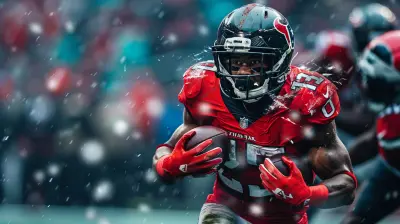
When you think about professional sports, what’s the first thing that pops into your head? Is it the athletes, the scoreboards, or the jaw-dropping plays? Sure, all of that is exciting, but none of it would matter without one thing — the fans. Yep, the roaring crowd isn’t just there to cheer. Fans are the heartbeat of sports. And more importantly for teams and leagues, they’re a massive part of the revenue machine.
But here’s the kicker — it’s not just about having a huge fanbase. It’s about engaging them. Deep, meaningful, long-term engagement. Let’s peel back the layers and see how fan engagement is not only vital to a team’s success but how it massively drives revenue in professional sports.
What Is Fan Engagement, Really?
Fan engagement isn’t just slapping a hashtag on a post or tossing free t-shirts into the crowd during halftime. It’s about creating a relationship. It means making fans feel like they're part of the journey — like they’re on the team bus, in the locker room, and right there in the huddle.It’s the tweets they reply to, the behind-the-scenes videos they watch, and the loyalty they build. It’s when fans feel heard, seen, and appreciated. And that kind of emotional connection? That’s marketing gold.
The Evolution of Sport Fandom
Let’s dial it back. Once upon a time, being a fan meant watching the game on TV or reading the box scores in the newspaper the next day. That’s it. Limited access meant limited interaction.Fast forward to today — fans have 24/7 access to players' lives, team developments, and breaking news — all in real-time. Social media, podcasts, fantasy leagues, YouTube, and streaming platforms have transformed passive spectators into active participants.
In other words, fans don’t just watch anymore — they engage. And where there’s engagement, there’s opportunity to monetize.
Why Fan Engagement Equals More Revenue
Alright, let’s talk money. Why does engagement directly affect the bottom line? Because engaged fans spend more, stay loyal longer, and recruit other fans. Here’s how the dots connect:1. Higher Ticket Sales
When fans feel emotionally invested, they don’t want to miss a game. Have you ever seen someone drive hours to catch a match they could’ve watched at home? That’s not just fandom; that’s engagement. And that means more butts in seats, higher gate receipts, and more sales at the concession stand.2. Boosted Merchandise Sales
Think about it. If a fan feels more connected to a team, they’re more likely to buy the jersey, the hat, the foam finger — you name it. Limited edition drops, personalized gear, and exclusive merch lines become irresistible to an engaged community.3. Increased Sponsorship Value
Brands invest in sports because fans pay attention. Highly engaged fans that consistently interact with content, attend events, and spread the word make the team (and its platforms) more valuable real estate for advertisers. The more engaged the audience, the higher the returns on sponsorship deals.4. Digital Monetization
Streaming services, app downloads, fantasy sports, NFTs, and pay-per-view content — all booming revenue streams that rely directly on engagement. The more fans interact online, the more data teams collect, and the more they can tailor monetized content.
Social Media: The MVP of Fan Engagement
If we had to crown a king of modern fan interaction, social media would be wearing the throne. Here’s why:Instant Connection
Twitter, Instagram, TikTok, and now Threads — they all allow teams and athletes to connect instantly with fans. A simple tweet from a star player can rack up millions of impressions and replies. That’s free marketing and deep engagement rolled into one.Behind-the-Scenes Access
Behind-the-scenes videos, locker-room celebrations, pre-game rituals, and bloopers add personality and relatability. Fans eat that up. It humanizes players and personalizes the experience.Virality = Visibility
Creative videos, memes, and viral moments can skyrocket brand visibility. Remember when the Dallas Cowboys' touchdown celebrations broke the internet? That wasn’t just fun — that was marketing value climbing through the roof.Data: The Money-Making Machine Behind Engagement
Here’s where things get really interesting. Every time a fan interacts — likes a post, buys a ticket, watches a video — they leave a digital breadcrumb. And smart teams? They’re following the trail.By analyzing this data, sports organizations can:
- Understand buying habits
- Personalize offers
- Predict fan behavior
- Deliver targeted ads
- Improve the fan experience
This kind of data-driven strategy means they’re not just throwing spaghetti at the wall — they know exactly what sticks.
Personalization: Turning Casual Fans Into Lifers
Put yourself in a fan’s shoes. Would you rather get a generic email blast or a message with your name, your favorite player’s highlights, and a discount for a game near you? Easy choice, right?Personalization is key. It's how you turn casual fans into die-hards. When fans feel like the team knows and appreciates them, they stick around — and their wallets do too.
The Role of Loyalty Programs and Memberships
Let’s not overlook loyalty programs. These are like frequent flyer programs, but for sports fans.Offer points for attending games or engaging on social, allow fans to unlock special rewards, or give early access to tickets. It's a win-win. Fans feel rewarded and stay active, and teams generate recurring revenue.
The best part? Loyal customers — or in this case, loyal fans — are worth up to 10x more than one-time buyers. That's a stat you can take to the bank.
Esports & Fantasy Leagues: The New Frontier
Esports and fantasy leagues aren’t just trends — they’re serious business. They pull fans deeper into the game and give them a sense of ownership.Fantasy leagues, for example, encourage fans to follow multiple teams and players, boosting overall viewership. And with esports, teams can tap into younger, digital-native audiences — the same ones who spend big on virtual goods and online content.
More engagement, more touchpoints, more revenue. Simple math.
Community = Currency
Let’s zoom out. When fans feel like they’re part of a larger community — one that celebrates, mourns losses, laughs at memes, and debates calls together — they’re more likely to stick around.It’s not just about the love for the sport. It’s the friendships, the rivalries, the shared experiences. That sense of belonging? It turns part-time fans into lifetime supporters.
And lifetime supporters drive revenue — not just in dollars, but in influence. They bring in other fans, carry the culture, and become the best marketing tool a team never had to pay for.
Real Talk: It’s About More Than the Money
Sure, this article is all about how fan engagement boosts revenue. But let’s be real — fans aren’t just dollar signs. They’re the pulse of the game. When fans are engaged, the stadiums are louder, the games mean more, and the sport thrives.So while engagement might pay the bills, it also feeds the soul of sports. Athletes feel it. Teams ride it. And frankly, it’s what keeps the magic alive.
How Teams Can Level Up Their Engagement Game
Feeling pumped? Great. Here are some actionable ways professional sports teams can supercharge fan engagement:- Go Live: Host Q&As, behind-the-scenes streams, or pre-game commentary.
- User-Generated Content: Encourage fans to post photos and videos and reshare the best ones.
- Create a Fan Mobile App: Centralize news, highlights, loyalty points, and ticket sales.
- Offer Exclusive Content: Think of this like a fan-only club. Behind-the-scenes footage, player interviews, etc.
- Gamify the Experience: Add points, leaderboards, and challenges for online interactions or live events.
- Leverage AI for Personalization: Use AI to tailor newsletters, notifications, ticket offers, and content.
Wrapping It All Up
Fan engagement isn’t a nice-to-have anymore — it’s the engine under the hood. It drives ticket sales, merch, sponsorships, digital growth, and overall brand value. In the hyper-competitive world of professional sports, the teams that win the fan engagement game are the ones that win the revenue race.So next time you see a viral tweet from your favorite team or get a personalized email with your name and jersey number — just know, it’s not just for fun. It’s business. And it’s brilliant.
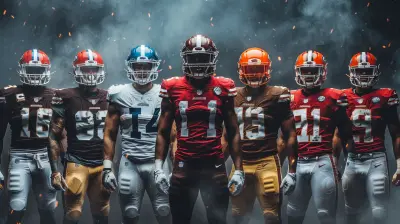
all images in this post were generated using AI tools
Category:
Professional SportsAuthor:

Onyx Frye
Discussion
rate this article
2 comments
Rune Gibson
Fan engagement is pivotal; it transforms passion into profit, driving revenue growth for teams.
December 22, 2025 at 1:27 PM
Onyx Frye
Absolutely! Engaging fans not only boosts their loyalty but also translates that enthusiasm into tangible revenue opportunities for teams.
Darby McQuiston
Who knew cheering for your favorite team could double as a cash cow? 🐄💰 Fan engagement isn’t just about the love for the game; it’s a winning strategy for revenue! Let’s keep the cheers coming, because every high-five counts in the scoreboard of success!
December 14, 2025 at 1:37 PM
Onyx Frye
Absolutely! Engaging fans not only enhances their experience but also significantly boosts revenue, proving that passion and profit can go hand in hand. Keep the cheers coming!