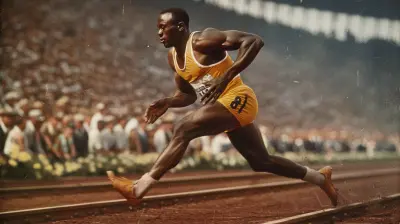
How Doping Affects the Mental Health of Athletes
31 December 2025
Introduction: More Than Just a Needle
Let’s be honest—when we think of doping in sports, we picture bulging muscles, record-breaking performances, and medals being snatched away in disgrace. But there's a side of this story that rarely makes the headlines. It’s hidden, silent, and often ignored by fans and even the athletes themselves. We’re talking about the mental toll—the psychological price of doping that doesn’t show up in drug tests or in press conferences.
So, what goes on in the mind of a doped-up athlete? Is it just guilt? Or is there something deeper, darker, gnawing at their mental peace? Buckle up because we're diving into a world where pressure, performance, and pills collide—and the results aren’t pretty.
What Is Doping Really?
Before we get into the emotional and psychological effects, let’s quickly clear up what doping actually means. Doping is the use of banned substances or methods to enhance athletic performance. We’re talking steroids, hormones, stimulants, or even blood doping (yes, that’s a thing).While it might sound like a shortcut to glory, the reality is far messier. Athletes who dope often face more than just physical side effects—they end up battling demons in their own minds.
The Pressure Cooker: Why Athletes Turn to Doping
The Win-at-All-Costs Mentality
Ever felt the pressure of a deadline or a project? Now imagine the weight of an entire nation’s expectations on your shoulders. That’s what athletes feel—every single day. The pressure to win, stay relevant, and outperform rivals can be unbearable.For many, doping feels like an answer. A desperate whisper, “Just one cycle, and you’ll be the best.” But it’s never just one cycle, and it's never just physical.
Fear of Falling Behind
Sports evolve fast. Athletes are younger, faster, stronger every season. Falling behind isn’t an option. For some, performance-enhancing drugs seem like the only way to keep up. It’s not about gaining an edge anymore. It’s about survival.
The Hidden Cost: Doping’s Impact on Mental Health
So how exactly does doping mess with your head? Let’s break it down.1. Anxiety and Paranoia: Living in Fear of Exposure
Think about lying to everyone around you—your coach, your fans, even your family. Now, imagine carrying that secret to every training session, every competition, every podium. That constant fear of being caught can churn into full-blown anxiety.Add random drug tests, media scrutiny, and shady back-alley conversations, and you've got insomnia, emotional outbursts, and uncontrolled stress levels brewing under the surface.
2. Depression: When the High Fades
The initial euphoria of winning dies down, but the side effects? They linger. Many performance-enhancing drugs alter the brain’s chemistry. Steroids can disrupt mood regulation, and when you stop taking them, your brain slows down its natural production of feel-good hormones. The result? A nosedive into depression.And it doesn't stop there. The shame, the guilt, the isolation—they all pile up. Athletes may feel like frauds. Even if they win, the question lingers: “Did I really earn this?”
3. Aggression and Mood Swings: The ‘Roid Rage’ is Real
Ever heard of ‘roid rage’? It’s not just locker room gossip. Steroids, especially anabolic ones, can cause severe mood swings. One minute athletes are on top of the world, and the next, they’re in a fit of blind rage.Imagine trying to maintain relationships, focus during training, or stay composed during a game with that kind of emotional storm inside you. Yeah, not easy.
4. Body Dysmorphia: A War Against the Mirror
Ironically, some athletes start doping not to win medals, but to feel better about themselves. But here’s the twist: doping often worsens body dysmorphia.Athletes become obsessed with their physique. Every mirror check becomes a judgment. “Am I lean enough?” “Do my muscles look flat today?” It becomes a toxic loop of dissatisfaction, pushing them deeper into drug use and further from mental peace.
5. Identity Crisis: Who Am I Without the Drugs?
Imagine tying your entire worth to your performance—and that performance depends on a banned substance. When an athlete finally stops doping (either by choice or force), they go through a crushing identity crisis.They start questioning everything: “Would I have made the team without it?” “Was I ever really talented?” The self-doubt can be crippling. Many lose interest in the sport they once loved.
Social Isolation: When Trust Breaks Down
Athletes often hide their doping from family, friends, even teammates. That secrecy becomes a heavy burden. Trust erodes. Relationships suffer. And as loneliness creeps in, it feeds the same mental monsters—depression, anxiety, paranoia—it all accelerates.They can’t talk about it. They can’t ask for help. So, they stay quiet. In pain. Alone.
The Vicious Cycle: Mental Health Issues Leading to More Doping
Here’s a twisted irony—poor mental health can actually lead athletes back to doping. The very thing causing their struggles starts to look like the solution again.Feeling depressed? Take another cycle.
Losing confidence? Pop a pill.
Falling behind? Inject a boost.
It becomes a loop, a dangerous game where the stakes keep climbing, but the house always wins—and the athlete always loses.
Real-Life Stories: The Untold Struggles
Case Study: The Sprinter Who Lost Himself
An elite sprinter once described his experience with doping like wearing a mask. On the track, he was a beast. Off it? He couldn't even look people in the eye. The fear of getting caught consumed him. He suffered panic attacks before races—not from nerves, but from thinking the next blood test might end everything.After his ban, he fell into depression, considered quitting the sport, and spent two years in therapy before even lacing up his spikes again.
Case Study: The Cyclist and the “Dark Cloud”
Another cyclist shared how doping made his victories feel hollow. Fans cheered, sponsors paid up, but inside, he felt nothing. He described it as “a dark cloud that followed me no matter how fast I rode.” Eventually, he confessed—but not before years of sleepless nights, broken relationships, and a near-suicidal breakdown.Are We Doing Enough? The Need for Mental Health Support
Here’s the harsh truth—anti-doping agencies are great at catching users, but not at helping them heal. The current system punishes athletes for slipping, but rarely asks why they did it in the first place.We need better psychological support. More open conversations. Less judgment. Because behind every doping scandal is a human being, often crying out for help in silence.
The Road to Redemption: Healing After Doping
Recovery isn’t just about detoxing the body. It’s about rebuilding self-worth. Reconnecting with passion. Relearning how to win—or even lose—with your integrity intact.Therapy, support groups, mentoring from former athletes—these can all be powerful tools. But most importantly, athletes need a circle that doesn’t reduce them to their performance.
Doping may leave bruises on the record books, but it doesn’t have to define the person.
Final Thoughts: Let’s Talk About It
So, next time you hear about a doping scandal, pause before you judge. Ask yourself—what kind of mental battlefield must that athlete be facing? Because the medals, the records, the broken rules—that’s just the surface.Underneath, there’s often pain, confusion, and a desperate need for validation.
Doping isn’t just a sports issue; it’s a mental health issue, too.
And it’s time we start treating it that way.
all images in this post were generated using AI tools
Category:
DopingAuthor:

Onyx Frye
Discussion
rate this article
2 comments
Gabriella Powell
Doping can have profound effects on athletes' mental health, often leading to anxiety, depression, and identity crises. The pressure to perform at all costs can create a toxic environment. It's crucial for the sports community to address these issues and promote a culture of integrity and well-being over performance-enhancing substances.
January 29, 2026 at 1:09 PM
Onyx Frye
Thank you for highlighting the critical link between doping and mental health. Addressing these issues is essential for fostering a healthier sports culture.
Ulysses Lane
Doping alters not only physical performance but also distorts mental well-being, leading to anxiety, paranoia, and diminished self-worth, ultimately compromising an athlete's integrity and identity.
January 6, 2026 at 3:46 AM
Onyx Frye
Thank you for your insightful comment! Doping indeed impacts both physical and mental health, affecting not just performance but also an athlete's overall well-being and sense of self.