How Data Analytics is Revolutionizing Sports Marketing
18 June 2026
Let’s take a moment and think about how much sports have changed in the past decade. It's not just about athletes getting faster or games being more intense. There's a whole new player on the field: data analytics. You’ve probably heard the term thrown around, but do you really know how it’s completely transforming the way sports marketing operates?
It’s a game-changer (pun intended), and in this article, we’ll dive into how data analytics is revamping the way sports brands, teams, and marketers connect with fans, sell merchandise, craft campaigns, and much more. Ready? Let’s gear up for a deep but fun dive into the world where numbers meet touchdowns and slam dunks.
What Is Data Analytics in Sports Marketing Anyway?
First things first—what are we talking about here?Data analytics, in simple terms, is the process of collecting, analyzing, and interpreting data to make smarter decisions. In the context of sports marketing, it means using stats, trends, and patterns to understand fan behavior, boost engagement, and improve ROI (return on investment).
It’s like having a magic playbook, but instead of secret plays, it’s filled with insights about what your fans want, how they behave, and how to keep them cheering—both in the stadium and on social media.
From Gut Feelings to Evidence-Based Decisions
Back in the day, marketing decisions were often based on intuition, experience, or just a really good hunch. But now, with data analytics, marketers don’t have to guess.They know.
You can track everything—from how many fans clicked on a ticket ad, to who’s buying more team jerseys, to what time of day your fans are most active online. It’s like having x-ray vision into the minds of your audience.
Pretty wild, right?
How Exactly Is Data Analytics Changing the Game?
Here’s where the real magic happens. Let’s break down the specific ways sports marketing is being revolutionized through data analytics.1. Understanding the Fan on a Deeper Level
Fans aren’t just statistics; they’re people with preferences, habits, and emotions. But analytics helps put all that into a measurable format. You can track:- What kind of content fans engage with most
- Their favorite players and teams
- Purchasing habits
- Preferred viewing platforms (TV, mobile, social media, etc.)
This insight allows marketers to create hyper-personalized campaigns that resonate on a deeper level. Instead of a one-size-fits-all approach, it’s like customizing a jersey just for the fan.
2. Boosting Ticket Sales with Predictive Modeling
Ever wondered how sports teams seem to know exactly when to push ticket promos?That’s predictive analytics at work.
By analyzing past sales data, current demand trends, and even weather forecasts, marketers can determine the best time to send that ticket promo email or launch a flash sale. It’s not luck—it’s data-driven precision.
3. Enhancing Fan Experiences with Real-Time Data
Let’s not forget the in-stadium experience.Imagine being at a stadium and receiving a push notification that your favorite snack is 50% off nearby. Or getting seat upgrade offers straight to your phone based on real-time availability.
All of this is powered by data analytics and digital tools that track location, preferences, and behavior.
It turns a regular game day into an unforgettable experience.
4. Smarter Sponsorship and Brand Partnerships
Sponsorships are a huge part of sports marketing—but how do you measure their impact?Data analytics lets teams and sponsors track impressions, engagement, and conversions tied directly to sponsorship campaigns. So if a brand sponsors a half-time show and wants to know its ROI, the data’s got the answers.
This kind of clarity makes partnerships more attractive and easier to fine-tune over time.
5. Social Media Marketing on Steroids
Social platforms are where fans hang out—and analytics helps marketers hang with them better.By monitoring likes, shares, comments, and hashtag trends, teams can spot which content is killing it and which posts are tanking.
This feedback loop helps adjust strategies on the fly. It’s like having the crowd cheer (or boo) in real-time, guiding your next move.
6. Merchandising Gets a Makeover
Data isn’t just good for selling tickets—it’s a powerhouse for merchandise sales too.Want to know which player’s jersey is trending in a specific city? Or what limited-edition gear has the highest sell-through rate?
Analytics spills all the tea. This helps teams stock the right inventory, run targeted promotions, and launch merch that fans actually want.
Real-Life Examples: Data In Action
Let’s throw in some real-world context, so it’s not all theory.- The NBA uses analytics to track fan behavior across all digital platforms. They're able to serve tailored content to fans based on whether they're more into highlights, interviews, or game stats.
- The NFL’s Baltimore Ravens used analytics to improve email marketing. They segmented their email lists based on fan data and saw a significant boost in click-through rates.
- Manchester City FC launched a data-driven loyalty program that uses insights to reward fan engagement—leading to a massive uptick in overall fan spending.
These aren’t just good ideas—they’re data-driven success stories.
Small Teams, Big Impact
You might be thinking, “Well, sure, big leagues can afford to dive into analytics, but what about smaller clubs?”Here’s the good news: data analytics isn’t just for giants anymore. With affordable tools and platforms available (like Google Analytics, HubSpot, or even social media insights), even local teams can harness the power of data to level up their marketing game.
It’s kind of like giving David a digital slingshot to face Goliath.
The Role of AI and Machine Learning
Hold up, let’s touch on something super cool—Artificial Intelligence.AI is like the engine that makes data analytics even faster and smarter. It can sift through tons of fan data in seconds and surface insights that would take a human weeks to find.
Machine learning, a subset of AI, takes it a step further by learning over time. The more data it analyzes, the smarter it gets.
Think of it like a coach that’s always watching film and coming up with better plays every week.
Challenges? Yeah, There Are a Few
Of course, it’s not all sunshine and records being broken. There are some hurdles.- Data Privacy: Fans are more aware of how their data is being used. One wrong move can land a team in hot water.
- Implementation Costs: While tools are more affordable, building a solid data pipeline still requires some investment.
- Skill Gaps: Analyzing data isn’t something you can wing. Teams need skilled analysts or training to make the most of it.
But here’s the thing—these challenges aren’t deal-breakers. They’re just part of the journey. The payoff is totally worth it.
So, What’s Next?
We’re just scratching the surface here. The future of sports marketing is going to be more personalized, more interactive, and more data-driven than ever before.Imagine:
- Augmented reality merch try-ons based on fan preferences
- Personalized game-day experiences powered by AI
- Real-time bidding on in-game ads based on live viewer data
Yep, it’s all coming. And if you’re in sports marketing and not embracing data analytics, you’re not just behind—you’re invisible.
Final Whistle
If sports are about emotion, data is about insight. And when the two team up, you get magic.Data analytics is revolutionizing sports marketing by turning raw numbers into real connections. It helps teams, brands, and leagues not just reach fans—but truly understand and engage with them.
So, whether you’re a die-hard fan, a marketing pro, or someone just fascinated by how sports and tech interlink, keep your eyes on analytics. Because the next big sports marketing play? It’s not drawn up on a whiteboard—it’s written in code.
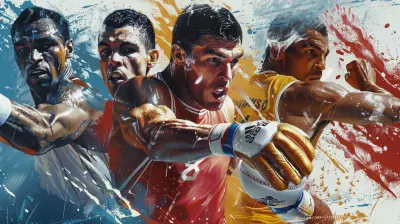
all images in this post were generated using AI tools
Category:
Sports MarketingAuthor:

Onyx Frye
Discussion
rate this article
1 comments
Thalor Roth
Finally, numbers can turn my love for snacks into stats!
July 2, 2026 at 1:00 PM
Onyx Frye
Glad you see the connection! Numbers definitely bring snacks and sports together in a fun way.