Every Ice Hockey Penalty Explained in Plain English
26 August 2026
Ice hockey penalties can feel like a secret language. The referee raises an arm, blows a whistle, and suddenly a player is skating to the box while the announcer mumbles something about "interference" or "slashing." For new fans, it is confusing. For experienced players, the nuances matter even more because a single bad penalty can swing a playoff game.
This guide breaks down every standard penalty in the NHL and most amateur leagues, explains why the rules exist, and gives you the context that most rulebooks leave out. You will learn what the call means, when referees actually make it, and how smart players avoid it.
The Foundation: Minor, Major, and Misconduct
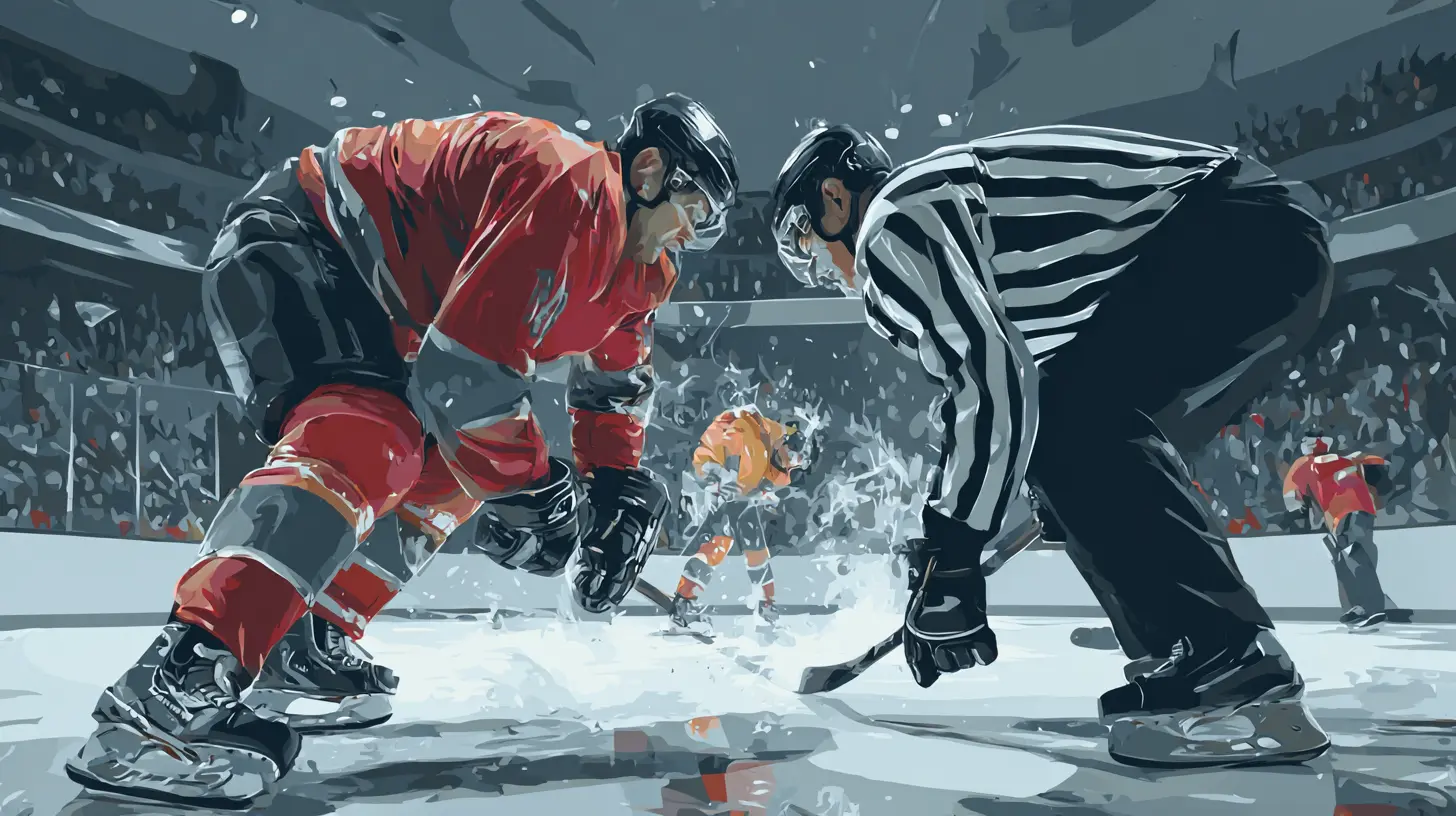
Before getting into specific infractions, you need to understand the penalty tiers. Every call fits into one of these categories, and the severity determines how much time a team plays shorthanded.A minor penalty lasts two minutes. The offending team plays with one fewer skater, and the power play ends early if the shorthanded team allows a goal. Two minors can be called on the same play, which creates a four-minute disadvantage, but that is rare.
A major penalty lasts five minutes. It is reserved for dangerous plays like fighting, boarding, or high sticking that draws blood. The full five minutes are served regardless of how many goals the other team scores. This is a massive swing, so referees do not hand out majors lightly.
A misconduct penalty lasts ten minutes. The player sits in the box, but the team does not play shorthanded. A game misconduct means the player is ejected for the rest of the game. These are usually paired with a minor or major, so the team still kills a penalty while the player leaves.
There is also the penalty shot, which is not timed. It is awarded when a player is fouled on a clear breakaway. The player gets one shot against the goalie with no defenders chasing.
Minor Penalties You Will See Every Game
Tripping
Tripping is the most common penalty in hockey. It happens when a player uses their stick, leg, or foot to cause an opponent to fall. The key word is "cause." If a player falls on their own and the defender merely touches them, there is no call. But if the defender sticks a leg out or sweeps the stick low, it is a trip.The tricky part is the "poke check" versus a trip. A defender can poke the puck away with their stick, and if the puck moves first, the follow-through contact is usually ignored. But if the stick hits the skater's feet before the puck, it is a penalty. Referees look at the point of contact. Stick on puck is clean. Stick on skate is a trip.
Hooking
Hooking is using the blade of the stick to slow down or restrain an opponent. It does not have to be a hard pull. Even a subtle tug on the hands or waist that impedes forward progress gets called.The modern game has shifted. Referees allow a "stick on stick" battle, but if the stick wraps around the body or the hands, it is a penalty. The biggest mistake young players make is keeping both hands on the stick while hooking. That makes it obvious. A better approach is to use body position and active stick work near the puck, not the player.
Slashing
Slashing is swinging the stick at an opponent, regardless of whether it hits the puck first. The rule exists to protect players from injury. A light tap on the shins is usually ignored, but a two-handed chop is always called.The line is blurry on the follow-through of a shot. If a player shoots and the stick accidentally hits the defender after the puck is gone, referees usually let it go. But if the stick is raised above the waist and brought down with force, it is a slash. In the NHL, slashes to the hands or wrists are called more strictly than slashes to the legs because hand injuries end careers.
Interference
Interference is any physical contact that prevents a player from moving freely when they do not have the puck. This is the most misunderstood penalty for new fans.The key is "puck possession." You can hit a player who has the puck. You cannot hit a player who does not have the puck, unless they are the one delivering the hit. The most common interference calls happen on forechecks, where a forward bumps a defenseman who just passed the puck. The rule says you must make a "reasonable effort" to avoid contact after the puck is gone.
There is also "puck support" interference. If a player is skating to a spot to receive a pass and gets bumped, that is interference. The exception is if the player is in the "battle zone" near the boards. Loose pucks allow for more physical play.
Holding
Holding is grabbing a player's body, sweater, or stick to slow them down. It is often called in conjunction with hooking. The difference is that holding uses the hands or arms, not the stick.Holding is a lazy penalty. It happens when a defender is beaten and panics. The best players never grab because they know it is an automatic call. If you are beat, you take a good angle or let the player go and recover. A hold is always worse than a missed check.
Roughing
Roughing is a catch-all for unnecessary physical contact after the whistle or excessive force away from the play. It is usually called when players start shoving after a whistle, or when a player delivers a punch that does not escalate to a fight.Roughing is a "message" penalty. Referees use it to control the game. If two players are jawing and one shoves the other, the shover gets two minutes. The best practice is to skate away from scrums. The second player into a scrum is the one who gets caught.
Cross-Checking
Cross-checking is hitting an opponent with the stick held in both hands and no part of the stick on the ice. The stick is perpendicular to the body, like a broom. This is dangerous because the stick can catch a player in the ribs, neck, or face.Cross-checks are common in front of the net, where defenders try to clear space. The rule is strict: any cross-check to the upper body is a penalty. A cross-check to the lower back is often ignored if it is a "box out" move. But if the stick is raised above the shoulders, it is an automatic call.
Elbowing
Elbowing is using the elbow to strike an opponent. It is usually called when a player extends the elbow away from the body and makes contact with the head or upper body. The elbow is a weapon because it is hard and pointy.The key is "extension." If a player keeps their elbows tucked and uses the forearm to brace, it is legal. If the elbow comes out like a chicken wing, it is a penalty. In open ice, elbowing is rare. It happens more along the boards when a player is trying to protect the puck.
Kneeing
Kneeing is using the knee to hit an opponent. This is a dangerous play because the knee is a hard joint and the impact can cause severe ligament damage. Kneeing is often accidental, like when two players collide and a knee catches a thigh.Referees look for intent or reckless action. If a player sticks a knee out to impede a skater, it is a penalty. If two players are racing for a puck and their knees bump, it is usually nothing. The difference is whether the knee was used as a weapon or just happened to be in the way.
High Sticking
High sticking is carrying the stick above the shoulder height and making contact with an opponent. It does not matter if the contact is accidental. The rule is strict because a stick to the face can cause serious injury.There are two types. The first is a minor penalty when the stick accidentally hits an opponent. The second is a double minor when blood is drawn. The blood rule is automatic. If the stick is above the shoulders and it draws blood, it is four minutes.
The best way to avoid high sticking is to keep your stick below the waist when not playing the puck. When you are in a battle, keep your stick on the ice. A raised stick is a liability.
Delay of Game
Delay of game is a broad category. The most common version is shooting the puck over the glass in your defensive zone. That is an automatic minor penalty because it stops play and is a clear attempt to waste time.Other delay of game calls include deliberately knocking the net off its moorings, throwing the puck out of reach, or refusing to play after a whistle. The net-off call is important. If a player is pushed into the net and it comes off, it is not a penalty. If a player uses their hand or stick to knock it off, it is a penalty.
Too Many Men on the Ice
This is a bench penalty. If a team has more than six skaters on the ice (including the goalie) while the puck is in play, it is a two-minute minor. The call is made against the player who illegally entered the ice, but the bench serves the time.The most common cause is a bad line change. A player jumps on the ice before the exiting player is within five feet of the bench. The rule is about "playable distance." If the exiting player is still in the play, it is too many men. The best teams practice changes relentlessly because this is a preventable penalty.
Major Penalties and Game Misconducts
Fighting
Fighting is a major penalty in the NHL, but it is not an automatic ejection. A player gets five minutes for fighting. If a player instigates the fight, they get an extra two minutes. If they instigate in the last five minutes of a game, they get a game misconduct.The unwritten rules matter. You do not fight a player who does not want to fight. You do not fight a goalie. You do not fight a clearly overmatched opponent. Referees allow fighting because it is a release valve for the physical intensity of the game. But the league is cracking down on staged fights and fights after clean hits.
Boarding
Boarding is checking an opponent violently into the boards. The key is "violently." A hard but clean hit along the boards is legal. Boarding is called when the hit is from behind, or when the player is in a vulnerable position and the contact sends them headfirst into the boards.Referees look at the number on the back. If the hitter sees the opponent's number, it is boarding. If the opponent turns at the last second, it is often a "hit from behind" which is a major. The most dangerous boarding plays happen when a player is chasing a puck along the boards and gets hit from the blind side.
Charging
Charging is taking more than two strides to build up speed before delivering a hit, or jumping into a hit. The rule is about "excessive distance traveled." A player who skates from the blue line to the corner to hit someone is charging.Charging is often called when the hitter leaves their feet. If a player jumps into the hit, it is charging. The best hitters keep their skates on the ice and take short, powerful strides. A long run-up is a tell that the hit is predatory.
Checking from Behind
This is a serious major penalty. It is called when a player hits an opponent from behind into the boards or the goal frame. The rule exists to protect the spine and neck. It is an automatic game misconduct in most leagues if the hit is severe.The tricky part is that players turn all the time. A clean hit can become a check from behind if the puck carrier turns at the last second. Referees give the hitter the benefit of the doubt if the turn is sudden. But if the hitter targets the back, it is a major.
Spearing
Spearing is jabbing an opponent with the blade of the stick. It is one of the most dangerous penalties because the blade is sharp and can puncture skin. Spearing is always a major penalty and usually a game misconduct.It is rare in professional hockey because it is so dangerous. It happens more in scrums when players are tangled up. The blade is used like a knife. Referees are zero-tolerance on this. If you see a player jab with the stick tip, it is an automatic ejection.
Butt-Ending
Butt-ending is jabbing an opponent with the top of the stick shaft, the part without the blade. It is a major penalty and a game misconduct. The top of the stick is hard and can cause serious internal injuries.This is almost always a retaliation play. A player gets slashed, then turns and jabs with the butt end. It is never worth it. The suspension risk is high, and the NHL reviews every butt-ending for supplemental discipline.
Misconducts and Match Penalties
Misconduct
A misconduct is ten minutes. The player sits in the box, but the team is not shorthanded. Misconducts are called for abusive language, repeated minor penalties, or unsportsmanlike conduct.The most common misconduct is arguing with a referee. If a player does not stop after a warning, they get ten minutes. The best players know when to shut up. You can say one thing, but if you keep going, you are hurting your team.
Game Misconduct
A game misconduct is an ejection. The player leaves the game, and a teammate serves the accompanying minor or major penalty. Game misconducts are automatic for fighting majors in some leagues, and for any attempt to injure.The NHL has a "secondary altercation" rule. If a player leaves the bench to join a fight, they get a game misconduct and a suspension. This is a team-killing penalty because it leaves the team with fewer players for the rest of the game.
Match Penalty
A match penalty is the most severe. It is a five-minute major, plus the player is ejected, plus the team is shorthanded for five minutes regardless of goals. Match penalties are reserved for deliberate attempts to injure.Examples include a stick swing to the head, a kick, or a bite. Match penalties are rare. When they happen, the league reviews the play and usually issues a suspension. The match penalty is the referee's nuclear option.
The Power Play and Penalty Kill Dynamics
Understanding penalties is not just about the infraction. It is about the strategic impact.A two-minute minor creates a power play. The team with the man advantage has a massive edge in ice time and puck possession. The best power plays are not about shooting from everywhere. They are about moving the puck quickly to create a one-timer or a cross-crease pass.
The penalty kill is about structure. The shorthanded team plays a box formation, protecting the middle of the ice. The goal is to clear the puck and waste time. A good penalty kill is aggressive at the point, forcing the power play to reset.
The biggest mistake on the power play is over-passing. Players get too cute and miss shooting lanes. The biggest mistake on the penalty kill is chasing the puck carrier. You have to stay in your box and let the power play make mistakes.
Common Misconceptions and Referee Judgment
Many fans think a penalty is a penalty. In reality, referees have a "standard of play" that changes from game to game. A slash that is called in the first period might be ignored in the third period of a close game. This is not a conspiracy. It is game management.Referees also let more go in the playoffs. The physical level rises, and the officials adjust. This is a known fact in the hockey world. Players who do not adjust get frustrated and take bad penalties.
Another misconception is that a player must be injured for a penalty to be called. That is false. The act is the penalty, not the result. A trip that causes no fall is still a trip if the stick contacts the skates.
The "puck first" rule is also misunderstood. In many cases, if a player touches the puck first, the contact is legal. But this is not true for high sticking, slashing, or boarding. Those are based on the act, not the puck.
Practical Advice for Players
If you want to avoid penalties, keep your feet moving. Most penalties happen when a player is flat-footed and reaches with the stick. A moving player can use body position instead of a hook.Keep your stick on the ice. A raised stick is a magnet for high sticking calls. When you are in the defensive zone, keep your stick in the passing lanes, not on the opponent's hands.
Do not retaliate. The second penalty is always the one that gets called. If you get slashed, skate away. The referee might not see the first slash, but they will see your slash.
Communicate with the referee. You can ask what you did wrong. Referees respect players who ask calmly. They do not respect players who scream.
The Bottom Line
Ice hockey penalties are about safety, fairness, and game flow. The rules are not perfect, and referees make mistakes. But the system works because it balances the physical nature of the sport with the need to protect players.The best players are not the ones who avoid all penalties. They are the ones who take smart penalties. A hook to stop a breakaway is better than a goal against. A roughing penalty to protect a teammate is sometimes worth it. The key is knowing when the cost is worth the benefit.
Next time you watch a game, pay attention to the penalty kill structure. Watch how the power play moves the puck. Watch which players take penalties and why. The game is deeper than the whistle. Once you understand the why behind the call, you will never watch hockey the same way again.
all images in this post were generated using AI tools
Category:
Game Rules ExplainedAuthor:

Onyx Frye
Discussion
rate this article
2 comments
Annette Allen
Great breakdown of penalties! Your clear explanations make it easy for fans to understand the game better. Keep it up!
September 15, 2026 at 4:53 AM
Camille McNeely
This article is a great resource for anyone new to ice hockey. The clear explanations make it easy to understand the different penalties and their consequences. No more confusion during games-now I can follow along without missing a beat. Definitely a must-read for fans and beginners alike.
September 12, 2026 at 12:24 PM