Downhill Longboarding: How to Master Speed and Control
20 January 2026
If you're an adrenaline junkie who loves the thrill of speed, downhill longboarding might just be your next obsession. It’s the perfect blend of excitement and skill, requiring both mental focus and physical precision. But here’s the thing—riding downhill on a longboard isn’t just about going fast. It’s also about mastering control. Lose that, and you might find yourself eating asphalt instead of conquering the hill.
So, how do you get good at downhill longboarding? How do you ride fast while staying safe and in control? Whether you’re a beginner just dipping your toes into the world of extreme sports or someone looking to refine your skills, you’re in the right place. Let’s break it down step by step.
Understanding the Basics of Downhill Longboarding
Before we dive into the nitty-gritty of speed and control, let’s cover some basics. What is downhill longboarding, and why do people love it so much?Downhill longboarding is exactly what it sounds like—riding a longboard down a steep hill at high speeds. Simple, right? Well, not quite. It’s a discipline that demands a ton of skill, balance, and nerve. Riders can easily exceed speeds of 30, 40, or even 50 miles per hour, depending on the hill. This is where the adrenaline kicks in. The faster you go, the more thrilling it becomes, but also, the more dangerous it gets. That’s why mastering control is critical.
Why Is Control So Important?
Imagine driving a car downhill with no brakes. Terrifying, right? Now imagine doing that on a longboard. Speed without control is a disaster waiting to happen. Controlling your speed, managing your balance, and making precise movements are key if you want to enjoy the rush without ending up in a hospital bed. So, it’s all about finding that sweet spot where speed and control meet.
Gear Up: The Right Equipment for Downhill Longboarding
Before you even think about hitting those hills, you’ve got to ensure your gear is up to par. Trust me, having the right equipment can make all the difference between a smooth ride and a catastrophic spill.The Longboard
Not all longboards are created equal. For downhill longboarding, you need a board that’s designed to handle high speeds. Look for boards that are longer and wider, as they provide more stability. You’ll also want a deck with a low center of gravity. Drop-through or drop-deck boards are great choices because they sit closer to the ground, which gives you better control.Wheels
Your wheels are crucial. For downhill longboarding, you’ll want larger and softer wheels. The softness helps with grip, which is essential when you’re bombing down a hill at 40 mph. You don’t want to be sliding all over the place. Wheels with a durometer rating between 78A and 83A are ideal. Larger wheels (around 70mm or more) also give you more speed and a smoother ride.Trucks
Trucks are the metal parts that attach your wheels to the board, and they play a huge role in how your board handles. When it comes to downhill longboarding, you want reverse kingpin trucks. These give you more stability, especially at high speeds. Make sure the trucks are wide enough to match the width of your board for better control.Safety Gear
I can’t stress this enough—safety gear is non-negotiable. Helmets, slide gloves, knee pads, and elbow pads are essential. And if you’re really serious about downhill longboarding, consider investing in a full-face helmet and a padded jacket or suit. You’re going to fall at some point, and when you do, you’ll want to be protected.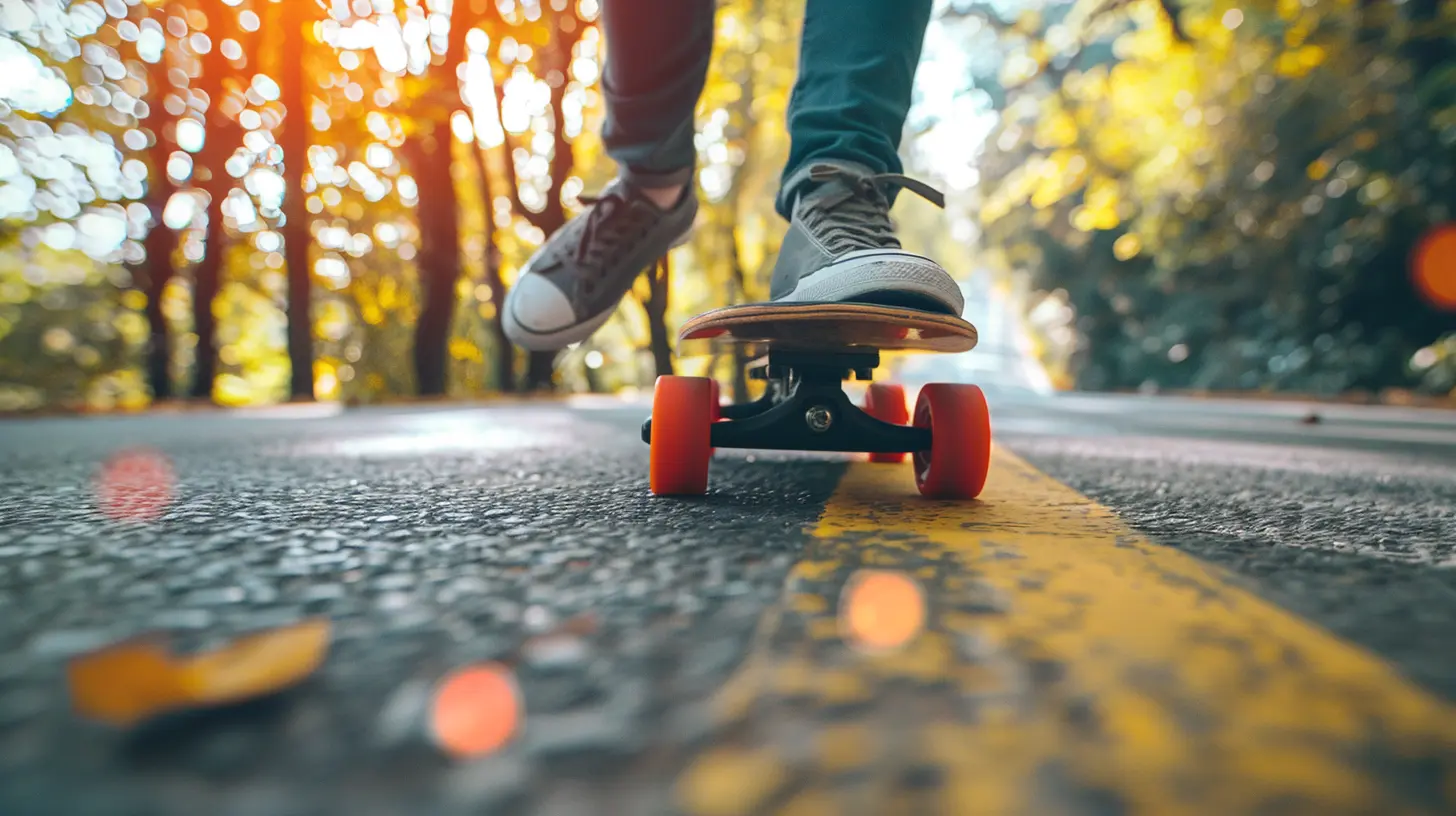
Mastering the Stance: It’s All About Balance
Now that we’re geared up, let’s talk about your stance. Your stance on the board is absolutely critical when it comes to controlling your speed and maintaining balance.Foot Placement
Most riders adopt a stance called the “tuck” when going downhill. In this position, your front foot should be pointing forward, and your back foot should be at a slight angle, typically 45 degrees. Keep your knees bent and your back low, almost like you’re crouching. This lowers your center of gravity and makes you more aerodynamic, reducing wind resistance and giving you better control at high speeds.Weight Distribution
Here’s a pro tip: where you place your weight on the board will affect how it moves. If you lean too far forward, you risk losing control of the back end. Lean too far back, and you could end up wobbling out of control. The key is to keep your weight centered over the board. Your front foot should bear most of your weight, while your back foot is there for support and steering.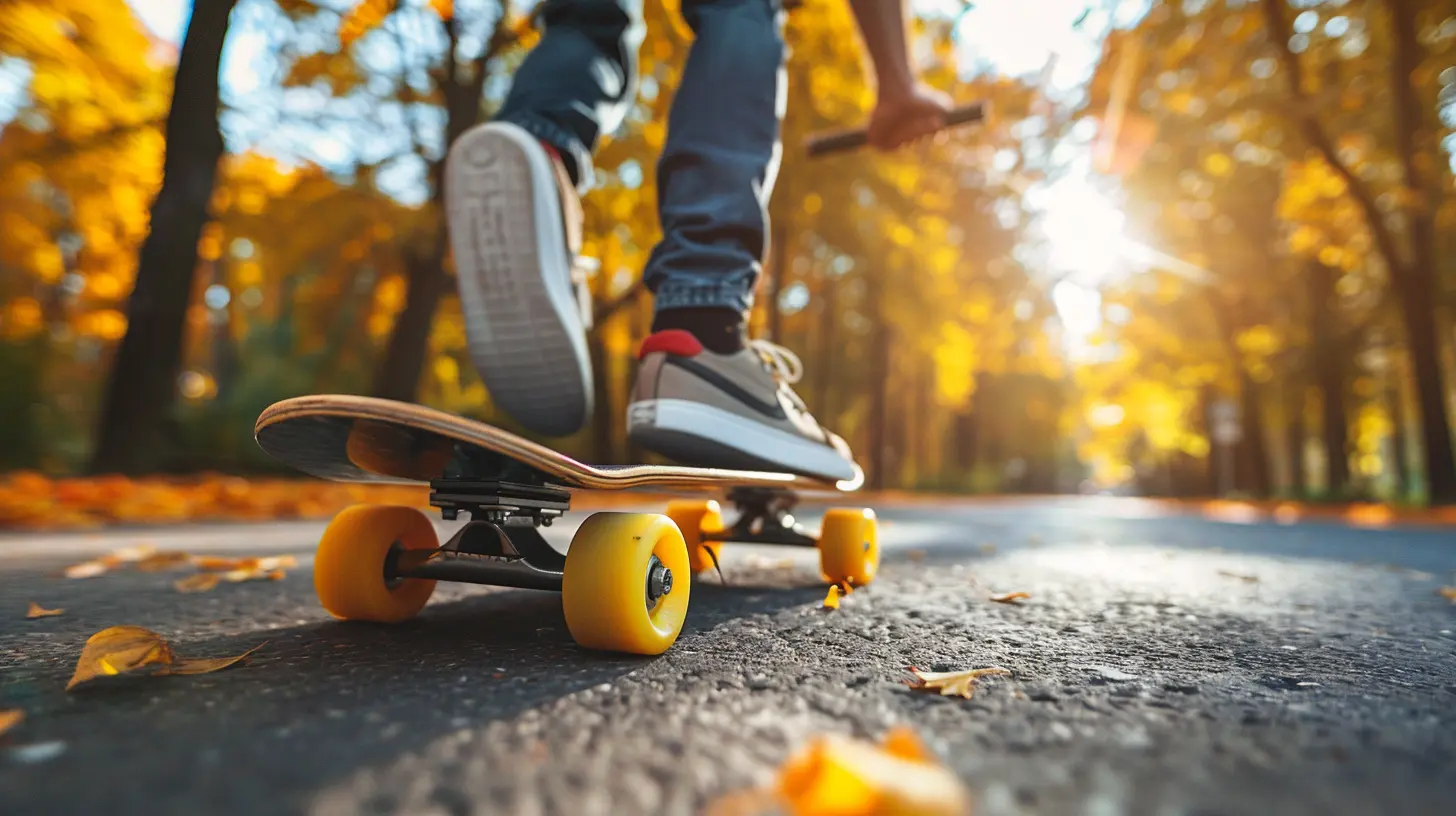
Speed Control Techniques: How to Ride Fast Without Losing Control
Alright, now we’re getting to the fun part—speed! But remember, speed without control is a recipe for a wipeout. Here are some techniques to help you maintain control while bombing hills.Carving
Carving is one of the most effective ways to control your speed without fully stopping. It involves making wide, sweeping turns as you go down the hill. Think of it like zig-zagging back and forth across the road. When you carve, you slow down naturally because your wheels lose some momentum during the turns. Plus, carving helps you maintain balance and avoid going too fast too quickly.Foot Braking
Foot braking is a simple but effective way to reduce speed. To foot brake, shift your weight onto your front foot and drag your back foot along the ground. The friction between your shoe and the pavement will gradually slow you down. Make sure you’re wearing shoes with thick soles, or you’ll burn through them pretty quickly!Sliding
Sliding is the go-to technique for bringing your speed down quickly when you’re going too fast. It’s also one of the hardest skills to master. There are different types of slides, like the Coleman slide or stand-up slides, but the basic concept is the same. You’ll need to shift your weight and kick out the back of your board, causing the wheels to lose traction and “slide” across the pavement. Sliding is tricky and takes practice, especially if you want to do it smoothly without losing balance.Reading the Road: How to Pick the Perfect Line
When you’re riding downhill, you can’t just bomb straight down the middle of the road and hope for the best. You need to read the road and pick your line carefully.Spotting Obstacles
First things first—always be on the lookout for obstacles. Rocks, cracks, gravel, or even a stray branch can send you flying if you’re not paying attention. Always scan the road ahead of you so you can react in time. Trust me, you don’t want to learn this the hard way.Choosing the Right Path
The “line” refers to the path you choose to take down the hill. A good line helps you maintain speed while staying in control. The best riders can read the road like a book, knowing exactly where to go to avoid obstacles and keep their momentum. As a beginner, try to keep your line smooth and avoid sharp turns or sudden directional changes that could throw you off balance.
Mental Game: Staying Calm Under Pressure
Downhill longboarding isn’t just a physical challenge—it’s a mental one, too. The faster you go, the more your brain will want to freak out. Staying calm under pressure is crucial if you want to maintain control.Focus on the Present
One of the biggest mistakes riders make is overthinking. When you’re going downhill fast, your mind can start racing just as quickly as your board. Don’t think about how fast you’re going or what might happen if you fall. Focus on the present moment. Keep your eyes on the road ahead and trust your skills.Practice Makes Perfect
The more you practice, the more confident you’ll become. Start small with slower hills before working your way up to steeper, faster runs. The more experience you gain, the easier it will be to stay calm and in control when things start speeding up.Safety First: How to Avoid Common Mistakes
Let’s be real—downhill longboarding can be dangerous. But with the right precautions, you can minimize your risks.Know Your Limits
It’s easy to get caught up in the thrill of speed, but knowing your limits is crucial. Don’t attempt a hill that’s beyond your skill level. Start with smaller hills and work your way up as you gain more control and confidence.Don’t Ride Alone
If you’re a beginner, it’s always a good idea to ride with a buddy, especially on unfamiliar terrain. That way, if something goes wrong, you’ve got someone there to help you out.Check Your Gear
Before every ride, double-check your equipment. Make sure your trucks are tight, your wheels are in good shape, and your safety gear is secure. A loose bolt or worn-out wheel can turn a fun ride into a nightmare.
Conclusion
Downhill longboarding is an incredible sport that offers a unique blend of adrenaline, skill, and focus. While the thrill of speed is undeniable, mastering control is what separates the amateurs from the pros. By focusing on your gear, stance, and technique—and keeping safety in mind—you can enjoy the ride without losing control. So, grab your board, gear up, and hit those hills. But remember, it’s not just about how fast you can go—it’s about how well you can control that speed.all images in this post were generated using AI tools
Category:
Extreme SportsAuthor:

Onyx Frye
Discussion
rate this article
2 comments
Valeris Willis
Downhill longboarding isn’t just a sport; it’s a thrilling dance with gravity! Embrace the adrenaline, push your limits, and conquer those curves. Mastering speed and control requires fearless dedication—so gear up, skate hard, and let nothing hold you back! The pavement is yours to own!
February 12, 2026 at 5:17 AM
Onyx Frye
Thank you for capturing the essence of downhill longboarding! Embracing that thrill is key to mastering both speed and control. Let's ride!
Mateo Moses
Mastering downhill longboarding requires balancing speed with control; practice is key to refining technique and enhancing your riding confidence.
January 21, 2026 at 5:22 AM
Onyx Frye
Thank you for your insightful comment! Balancing speed and control is indeed crucial in mastering downhill longboarding. Practice really does make perfect!