Combat Sports and Doping: A Dangerous Combination
9 March 2026
Let’s be real for a second — combat sports are already intense. Whether it's boxing, MMA, kickboxing, or even wrestling, these sports push athletes to their physical and mental limits. But now throw doping into the mix? That takes things from tough to downright dangerous.
In recent years, performance-enhancing drugs (PEDs) have become a hot topic in the world of combat sports. Fighters are under pressure to win, to perform, to entertain — and that pressure can push some into the dark alley of doping. Sounds like a plotline in a sports drama, right? Unfortunately, it’s all too real.
Let’s dive into why doping in combat sports is such a risky (and frankly, unfair) game.
What Exactly Is Doping?
Before we go full throttle, let’s hit the brakes and talk basics. Doping refers to the use of banned substances or methods to enhance athletic performance. We're talking about steroids, human growth hormones (HGH), EPO, and all sorts of pharmaceutical magic potions that give fighters an edge.Now, not all supplements are bad. Plenty of fighters use legal supplements to recover quicker, build muscle, and stay sharp. The problem arises when athletes cross the line and start playing chemist with their bodies.
Why Athletes Get Tempted
Here’s the thing — combat sports are brutal. A split-second mistake can mean the difference between glory and defeat. The stakes are sky-high. That’s why the temptation is real.Fighters might turn to PEDs to:
- Increase muscle mass and strength
- Cut weight faster
- Recover from injuries more quickly
- Improve endurance and stamina
Seems like a quick fix, right? But every shortcut has its cost. And in this case, the cost could be someone's life.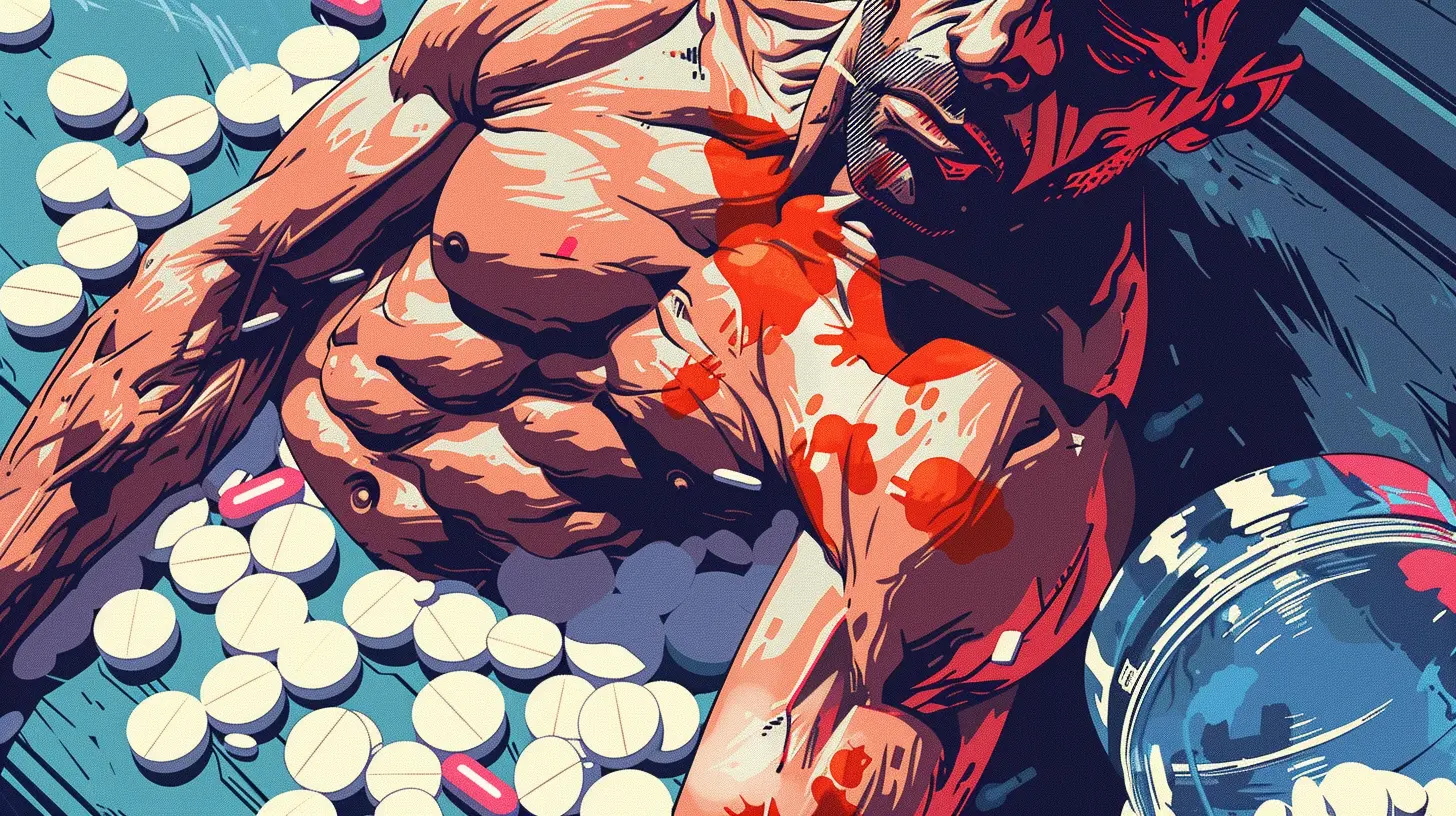
The Physical Risks of Doping in Combat Sports
Doping isn’t just “cheating.” In a sport where fists, elbows, knees, and kicks are flying at your head — doping can be life-threatening. Let’s break this down.1. Unnatural Strength = Unsafe Fights
When one fighter is "juiced up," their power grows beyond what’s natural. We’re talking about punches that can feel like getting hit by a truck. When a clean fighter steps into the ring against an enhanced opponent, it becomes a completely uneven playing field — and a dangerous one at that.2. Delayed Fatigue Means Prolonged Beating
PEDs can increase cardio endurance, letting doped fighters go longer without getting tired. That sounds like a good thing, right? But what it actually means is fighters can continue delivering damage long after a clean opponent would be exhausted. That’s not just unfair — it’s unsafe.3. Increased Aggression & Unpredictable Behavior
Some steroids mess with your brain as much as your body. They can cause aggression, mood swings, and even “roid rage.” Combat sports already ride that edge between controlled violence and chaos — do we really need another variable?4. Risk to Long-Term Health of the User
Let's stop and talk about the dopers themselves. These substances may give a short-term boost, but they often come with long-term consequences:- Liver and heart damage
- Infertility
- Hormonal imbalances
- Depression or suicidal thoughts
- Sudden cardiac arrest
That’s a steep price to pay for a few highlight-reel knockouts.
The Ethical Dilemma: Where’s the Honor?
Most combat sports come from cultures rooted in respect, discipline, and honor. Martial arts, especially, preach mental strength over brute force. When a fighter uses PEDs, it spits in the face of those traditions.Unfair Advantage
Fans pay to see warriors give their all under fair rules. How fair is it when one fighter secretly boosts their performance with banned substances? It robs clean athletes of their moment and messes with the integrity of the sport.Damage to the Sport's Image
Scandals hurt everyone. Remember when big names got busted for doping? It’s a black eye for the whole sport. Sponsors back out, fans lose interest, and young athletes get confused about what it really takes to succeed.Famous Doping Controversies in Combat Sports
Let’s not pretend this is a conspiracy theory. This stuff has happened — a lot.Jon Jones (MMA)
One of the most talented fighters in UFC history, Jon Jones has faced multiple suspensions for banned substances. Regardless of his talent, those drug test failures have dogged his legacy.Antonio Tarver (Boxing)
The former light heavyweight champ tested positive for anabolic steroids in 2012, leading to questions about his performances and ethics.Brock Lesnar (MMA/WWE crossover)
In 2016, Lesnar defeated Mark Hunt at UFC 200 — only to later fail two drug tests. Hunt was understandably furious, and the result was overturned. But the damage? Already done.These controversies highlight that doping isn't just some “underground problem.” It’s front and center — and it’s ugly.
How Testing Works (and Doesn’t)
Organizations like USADA (United States Anti-Doping Agency) and WADA (World Anti-Doping Agency) are responsible for testing athletes. They run random drug tests, blood tests, and keep a close eye on training camps.But here’s the brutal truth — cheaters are often one step ahead. Some fighters use microdosing, timing cycles, or even designer drugs hard to detect with current methods.
Plus, not all promotions enforce strict testing. In some places, it's easier to slip past the radar, especially in smaller or less regulated events.
What Needs to Change?
So, what can be done to clean up combat sports?1. Stricter Regulations
Every fight promotion, big or small, should have a consistent and transparent drug-testing policy. No exceptions. If fighters know there’s a real chance they’ll get caught (and face serious consequences), maybe they’ll think twice.2. Harsher Penalties
No slap-on-the-wrist stuff. Fighters who test positive should face stiff penalties — suspensions, fines, and even permanent bans depending on the severity. Let’s raise the cost of cheating.3. Better Education
Many fighters come from tough backgrounds and don’t always have access to good medical or training advice. Better education about what PEDs do to your body and how to compete clean could make a massive difference.4. Cultural Shift
This might be the hardest one — changing the mindset. We need to celebrate fighters not just for their records, but for how they carry themselves. A gritty, clean loss should be worth more than a dirty win.What Can Fans Do?
Believe it or not, fans have power too. Demand accountability. Question shady victories. Support organizations that take a hard stance against doping.Remember, these are real people in the cage or ring. And when one of them is pumped full of steroids, it's not just unfair – it’s plain dangerous.
Final Thoughts: Time To Protect the Spirit of Combat
Combat sports are beautiful in their brutality. They’re about mastery of mind and body, about pushing yourself to the brink, and doing it with honor. But throw PEDs into the mix, and that beauty starts to rot.It’s not just about fairness — it’s about safety, respect, and the future of the sport. The fight against doping is one we all need to care about, from athletes to promoters to fans in the nosebleeds.
Let’s keep the fight clean.
all images in this post were generated using AI tools
Category:
DopingAuthor:

Onyx Frye
Discussion
rate this article
2 comments
Velvet Matthews
Important insights! Let's prioritize athlete safety and integrity.
March 23, 2026 at 4:39 AM
Onyx Frye
Thank you! Prioritizing athlete safety and integrity is crucial for the future of combat sports.
Marie McQuaid
Doping in combat sports is like adding gasoline to fire—thrilling but ultimately destructive. Let's clean it up!
March 12, 2026 at 9:58 PM
Onyx Frye
Thank you for your insight! You're absolutely right; doping in combat sports not only compromises integrity but also poses serious health risks. We must prioritize clean competition for the safety and fairness of all athletes.