Canyoning: Navigating Nature’s Most Extreme Landscapes
9 May 2026
Ever thought about combining rock climbing, hiking, swimming, and rappelling into one epic outdoor adventure? Welcome to canyoning — or as some call it, the ultimate way to tango with Mother Nature’s wild side. This sport isn’t just about adrenaline; it’s about surrendering to the raw, rugged beauty of earth’s most secluded gorges and canyons.
Whether you’re a thrill-seeker, a nature lover, or someone just looking for a radical new challenge, canyoning lets you dive—literally—into landscapes most people only see in travel magazines.
Let’s gear up and dive deep into this exhilarating sport, step by step, splash by splash.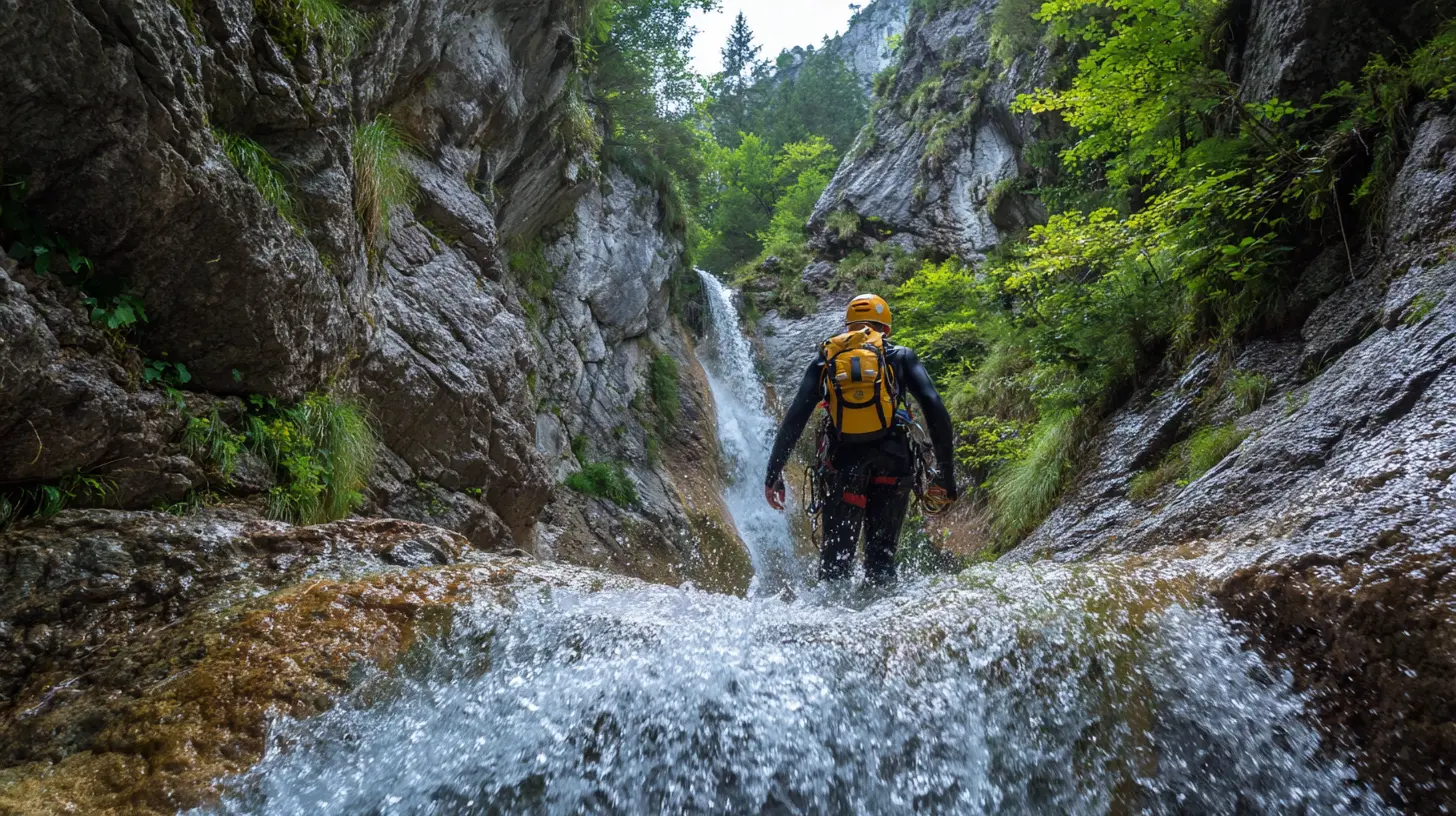
What Is Canyoning, Exactly?
Imagine this: you're deep in a narrow canyon, surrounded by towering rock walls carved by time and water. The sound of a waterfall echoes around you. To move forward, you have to rappel down a 20-foot drop, wade through an icy pool, and scramble up slippery rocks. That’s canyoning in a nutshell.Also known as canyoneering (especially in the U.S.), canyoning is an adventure sport that involves descending into remote canyons and navigating them using various techniques like:
- Rappelling
- Climbing
- Jumping
- Sliding
- Swimming
- Hiking
Each canyon is unique, and it can be as mellow or as extreme as your skills (and courage) allow. But regardless of the level, every trip is packed with raw beauty, solitude, and that delicious jolt of adrenaline you just can’t get from a treadmill.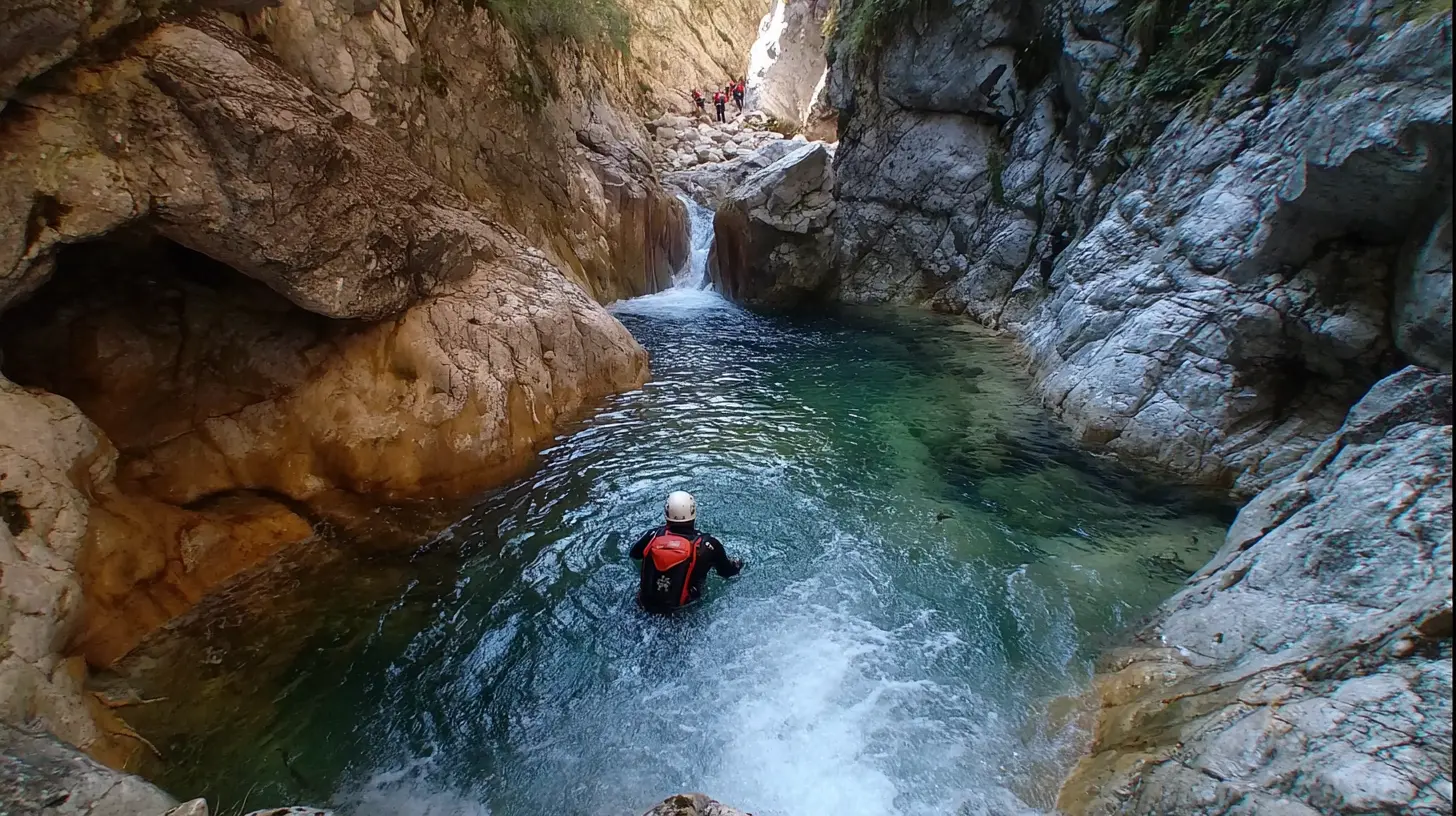
Why Canyoning Is So Much More Than Just A Sport
Sure, canyoning is physically demanding and mentally challenging — but it's also incredibly rewarding. There’s something primal about it. You’re not just observing nature; you’re fully immersed in it.Let’s face it — in today’s hyper-digital world, finding true adventure is rare. Canyoning gives you that. It forces you to disconnect and be totally present. There’s no Wi-Fi signal in a remote gorge, just the rush of water and the whisper of wind through stone.
Need more reasons to love it? Here are a few:
- Reconnect with nature in its rawest form
- Test your limits — both physical and mental
- Build trust and teamwork when you’re navigating with a group
- Boost your confidence after every successful descent
- Create stories that you'll be telling for a lifetime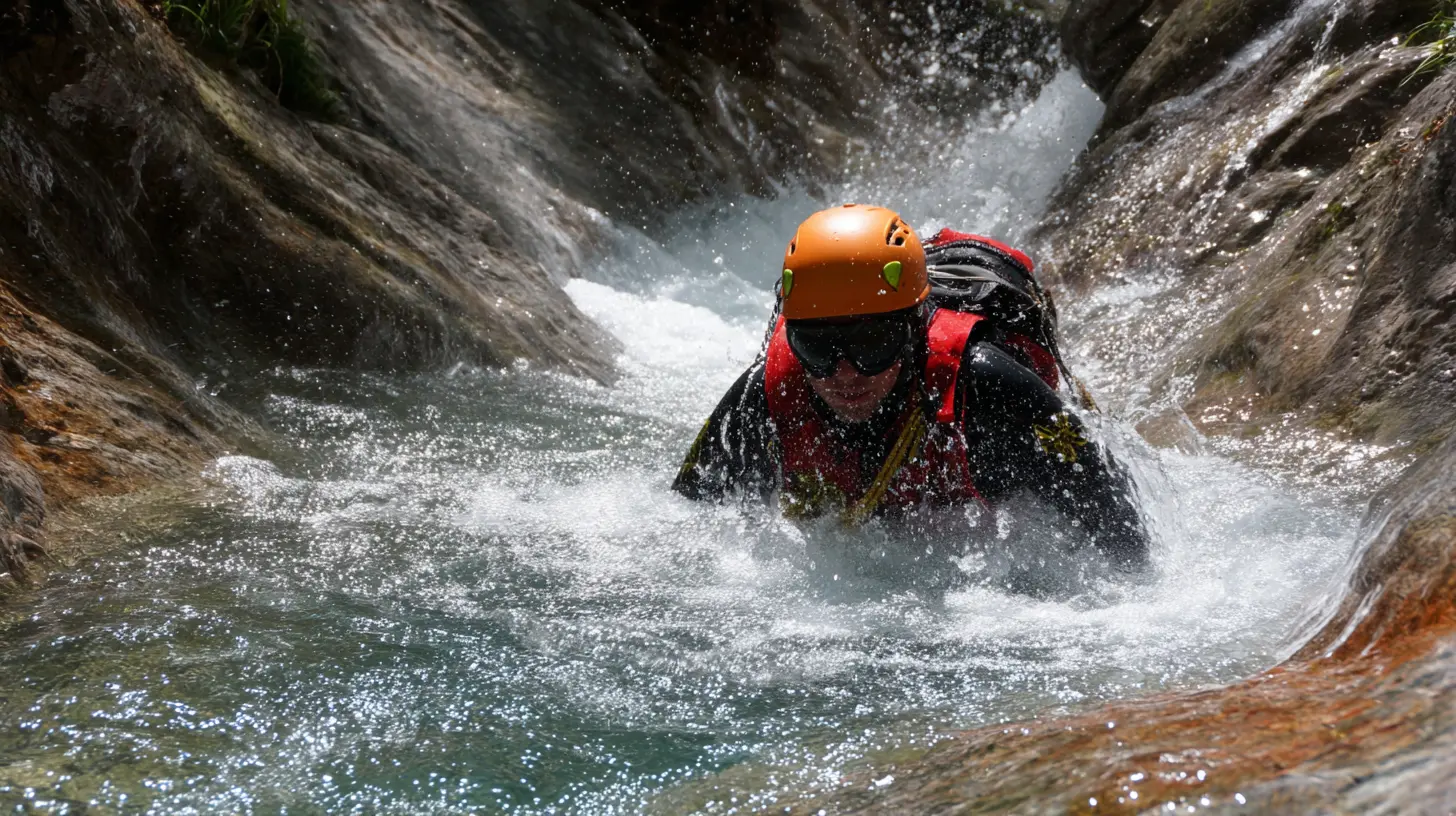
Where Does Canyoning Take Place?
From the Alps to the Andes, the world is dotted with canyons begging to be explored. But some locations have become legendary for their epic canyoning opportunities.Top Canyoning Destinations:
- Interlaken, Switzerland: Think deep gorges, vertical drops, and crystal-clear pools.- Blue Mountains, Australia: Lush rainforests and hidden waterfalls await.
- Madeira, Portugal: Epic volcanic landscapes and year-round adventure vibes.
- Utah, USA: Home to iconic slot canyons like The Subway and Zion's Pine Creek.
- Costa Rica: Rain-soaked jungles and tropical waterfalls — pure paradise.
No matter your skill level, there's a canyon out there with your name on it.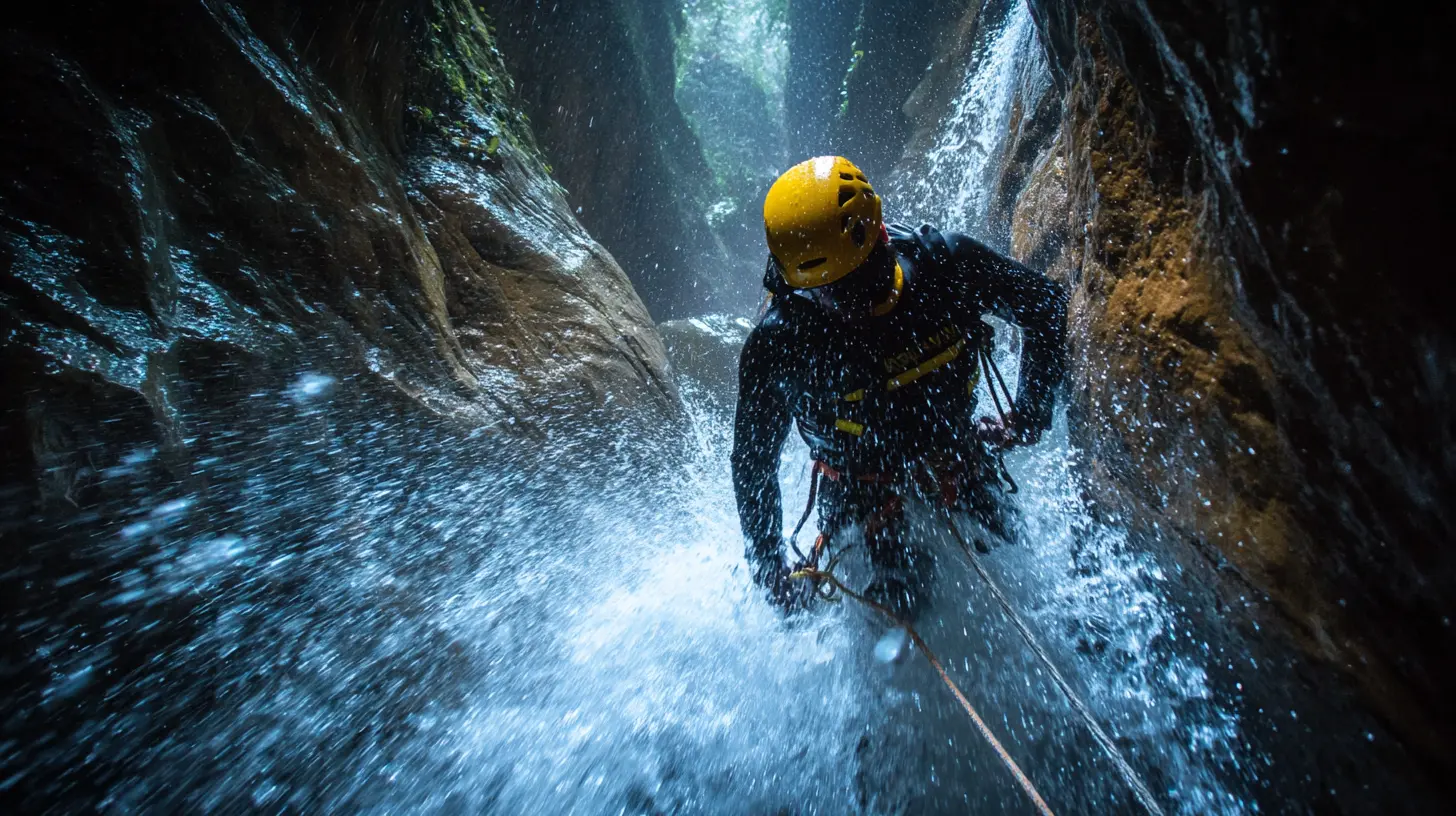
Gear Up! What You Need to Start Canyoning
Before you jump into your first gorge, you’ll need the right gear. Canyoning isn’t exactly a show-up-in-shorts-and-sneakers activity. Safety and comfort are key.Essential Gear Checklist:
- Helmet – Non-negotiable. Falling rocks are no joke.- Wetsuit – You’ll be in cold water. A wetsuit keeps you warm and adds buoyancy.
- Harness – Used for rappelling and climbing.
- Rope – Dynamic ropes are used for rappelling; static ropes for hauling and backups.
- Carabiners and Descenders – These connect you to your rope and control your descent speed.
- Dry Bag – To keep essentials like phones and snacks safe.
- Neoprene Socks and Canyoning Boots – For grip and comfort in wet conditions.
Renting gear through a certified guiding company is totally doable if you’re just starting out. Once you're hooked (and trust me, you will be), you can invest in your own setup.
First-Timer? Here’s How To Get Started
If you're new to canyoning, don't worry. Everyone starts somewhere, and the learning curve is part of the thrill. Here's a step-by-step guide to getting into the sport:1. Book a Guided Tour
Start with a reputable canyoning company. Professional guides handle the complex route planning, gear, and safety protocols. Plus, they probably know cool local legends about the terrain you’re about to conquer.2. Know Your Fitness Level
You don’t have to be an Olympian, but you should be comfortable swimming, hiking, and using your body. Start with beginner-friendly canyons and work your way up.3. Learn the Techniques
Skills like rappelling, knot tying, and reading waterfalls are vital. Guided tours often include basic training to get you familiar with the gear and techniques.4. Respect Nature
Leave no trace. Canyoning takes you to pristine, untouched places, and it’s our duty to keep them that way.The Rush: Why We Crave The Adrenaline
There’s something magnetic about canyoning that hooks you after just one trip. The sheer drop before a rappel, the splash of cold water, the silence of the deep gorge — it’s all part of the high.You’ll come face-to-face with fear, and then conquer it. And once you’ve done that, everyday worries somehow seem smaller. You’ve swum through icy pools, descended waterfalls, and made it out grinning. That’s not just exercise — that’s transformation.
It’s like nature hands you a reset button, and you get to push it with every canyon you tackle.
Canyoning Isn’t Just for Daredevils
You might be thinking, “This sounds amazing, but I’m not exactly Bear Grylls.”Here’s the good news: canyoning is scalable. There are beginner-friendly routes that feel more like adventurous hikes with wet feet, and then there are advanced canyons where you’re rappelling into 100-foot free-falls.
Start small. Gain experience. Build confidence. And if heights aren’t your thing? No problem. Some routes involve more swimming and scrambling than vertical drops.
Safety First: Navigating the Risks
Let’s be real — canyoning can be dangerous if you’re unprepared or reckless. But with the right mindset and precautions, it’s as safe as any adventure sport.Here are a few golden rules:
- Never canyon alone.
- Always check the weather — flash floods are a serious risk.
- Know your exit plans and emergency procedures.
- Use proper gear and double-check setups.
- Follow your guide’s instructions closely.
When done right, canyoning is safe, structured, and wildly fun. But when taken lightly? Not so much. Respect the canyon, and it will reward you.
The Mental Game: Building Grit One Drop At A Time
Let’s talk mindset. You’ll hit moments in canyoning where your mind screams, “Nope!” That’s when it gets interesting.Do you back away from a 25-foot rappel? Or do you breathe deep, clip in, and lean into the void?
Canyoning teaches resilience. It sharpens your decision-making. It forces you to stay calm under pressure, trust your gear (and your gut), and push past perceived limits.
It’s more than muscles and movement — it’s a masterclass in mental toughness.
Solo vs Group: What’s the Best Way to Canyon?
Canyoning with friends is like starring in your own adventure movie — corny group jokes, shared snacks, and high-fives after every challenge. Plus, there’s safety in numbers.On the other hand, experienced canyoners sometimes go solo for the peace and solitude. It’s meditative. But it’s also riskier and requires advanced skills.
For most, group canyoning is the way to go — especially when starting out. Besides, screaming with joy when you slide down a rock chute is way more fun when there’s someone to high-five at the bottom.
Staying Sustainable: Canyon With Care
Let’s be honest — these remote canyons we love are delicate ecosystems. Trampling vegetation, leaving trash, or altering rock formations can seriously mess them up.Here’s how to canyon responsibly:
- Stick to established paths and natural watercourses
- Pack out everything you bring in
- Say no to single-use plastics
- Support local guide companies that prioritize conservation
- Educate others on ethical canyoning
It’s simple. Respect the canyon, and it’ll keep welcoming adventurers like you for generations.
Final Thoughts: Nature’s Playground Is Waiting
Canyoning isn't just another trendy outdoor activity; it’s a doorway to deeper connection — with nature, with challenges, with ourselves.It’s not about being the fastest or the strongest. It’s about saying yes to adventure, to discomfort, to uncertainty… and coming out on the other side stronger, braver, and wide-eyed in wonder.
So next time you’re staring at your phone, bored out of your mind, ask yourself — “Why not trade this screen for a canyon?”
Because once you take that first plunge, there’s no going back. And honestly? You won’t want to.
all images in this post were generated using AI tools
Category:
Extreme SportsAuthor:

Onyx Frye
Discussion
rate this article
1 comments
Felicity Wade
Exploring canyoning sounds like an adventure of a lifetime! Embrace the thrill, push your limits, and remember: every drop and climb brings you closer to nature's wonders. Happy canyoning!
May 22, 2026 at 5:00 AM
Onyx Frye
Thanks for the encouragement! Canyoning truly connects you with the wild in an unforgettable way. Hope you get to experience it too!