Can Doping in Sports Ever Be Completely Fair?
28 December 2025
Let’s be real for a second—sports are all about pushing the limits. Athletes train relentlessly, commit their lives to being the best, and constantly chase perfection. But what happens when science jumps into the mix? Specifically, we're talking about doping. It's that controversial elephant in the room no one wants to address directly, yet everyone’s whispering about.
So here's the big question: can doping in sports ever be completely fair?
It’s a complicated topic. And while the gut reaction might scream “Never!”—the deeper you dig, the more complex it gets. Let’s break it down together.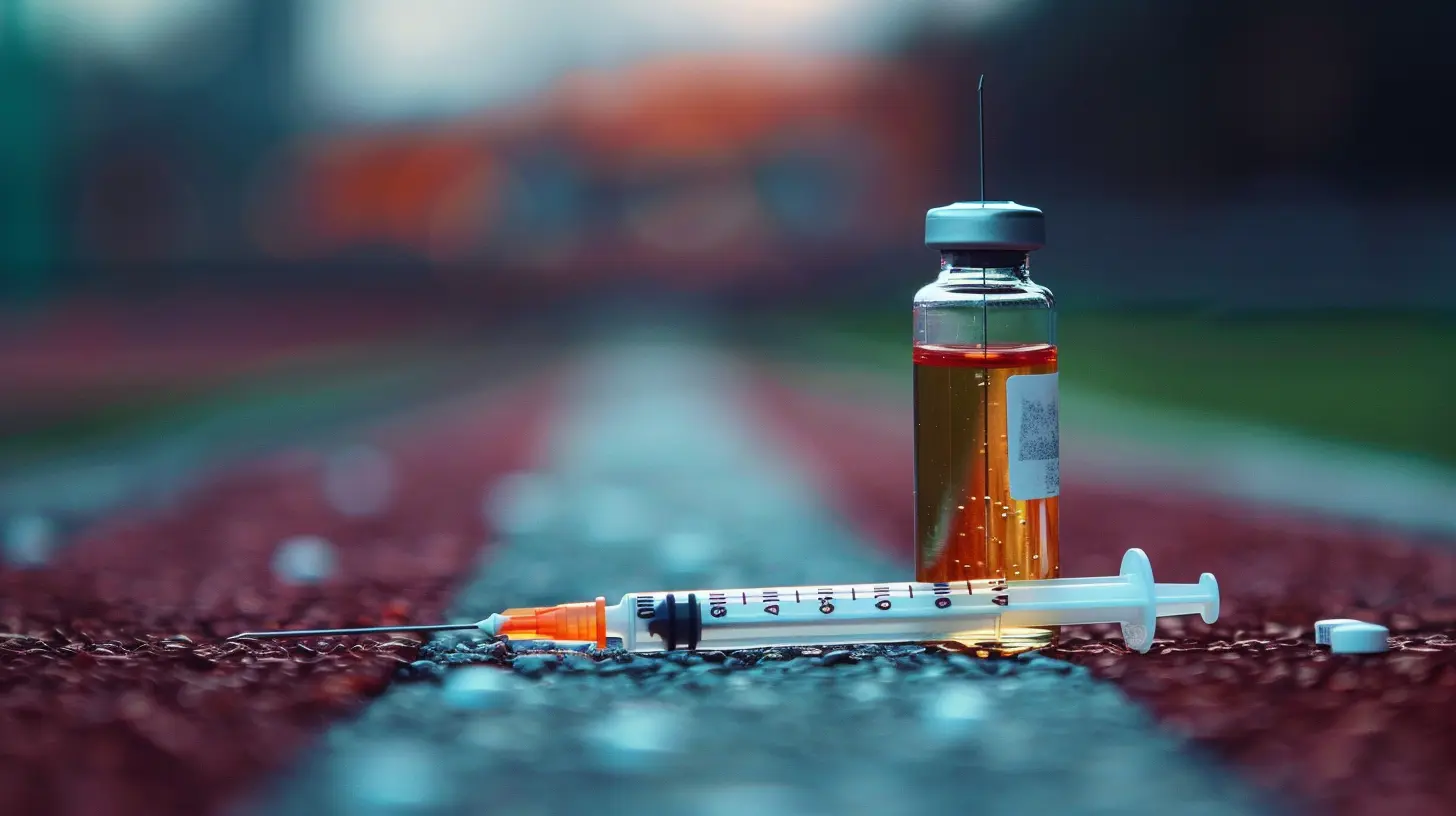
The Definition of Doping: More Than Just Steroids
When most people hear "doping," they picture bodybuilders with needle marks and lab-enhanced muscle gains. But doping is way broader than that. It includes any substance or method that enhances performance in unnatural ways. Steroids, human growth hormones, EPO (a favorite in endurance sports), even oxygen-enhancing chambers—if it gives an athlete an edge and isn’t naturally achieved, it’s labeled doping.The World Anti-Doping Agency (WADA) keeps updating its long list of substances and methods that count as doping. But here's the kicker—some “illegal” enhancements may not be all that different from legal ones.
The Gray Line Between Technology and Chemistry
Let’s think about this: Is using high-altitude training tents (which simulate low-oxygen environments to boost red blood cell production) cheating? What about laser surgery to improve an athlete’s vision? These are perfectly legal, but they give athletes a noticeable advantage.So why are some enhancements banned while others are embraced?
It’s a strange double standard, right? We accept technology like carbon-fiber running blades, compression suits, and high-intensity recovery machines, but draw the line at synthetic hormones.
The truth is, the line between innovation and cheating is blurrier than ever.
Leveling the Playing Field—or Tilting It?
Let’s play devil’s advocate for a minute.Imagine a world where doping was allowed—but under strict medical supervision. Every athlete has equal access to doctors, equipment, and regulated doses. Boom. Suddenly, everyone’s operating on the same chemical playing field.
Sounds kinda fair, doesn’t it?
But then reality hits. In the real world, not every athlete has access to top-notch resources. Athletes from wealthier countries or backed by giant sponsors would get the best "legal doping," while less privileged ones fall behind.
So even if doping were legalized and regulated, would the playing field really be level? Probably not.
The Ethics Dilemma: Is Enhanced Still Human?
Here’s where things get philosophical. When athletes use performance enhancers, are they still competing as themselves? Or are we watching a contest between labs and chemists?Sports are supposed to celebrate human effort, endurance, and spirit. When chemistry intrudes, some argue that it takes away from the raw authenticity of competition.
But others counter with, “Hey, isn’t training eight hours a day, eating a perfectly measured diet, and sleeping in oxygen pods also ‘unnatural’?”
Fair point.
At the end of the day, it comes down to what we want sports to represent: the natural peak of human potential, or the intersection of man and modern science.
Doping and Health Risks: The Silent Cost
Let’s not sugarcoat it—doping isn’t without risks.Sure, steroids and other enhancers can make you faster, stronger, harder to beat. But they can also mess up your heart, liver, mental health, and entire body chemistry. And when young athletes see their idols juicing up, they start thinking shortcuts are the only road to glory.
If society starts normalizing doping—even in a “regulated” form—what message are we sending?
That it’s okay to gamble your future health for a shot at a podium or fame?
Yikes.
The Never-Ending Cat-and-Mouse Game
Here’s the thing: doping isn’t going anywhere. No matter how many rules are made, some athletes and coaches will always look for ways to beat the system.It’s like a never-ending game of cat and mouse. New substance. New test. Slightly altered substance. Updated test. And so on.
It begs the question—are we fighting a battle we can never truly win?
If Everyone Doped, Would It Still Be Cheating?
Let’s entertain another “what if.”What if every athlete, across every sport, started using performance enhancers? If everyone is enhanced, does that make it fair?
In theory—yes. But let’s pull that thread.
Enhancement doesn't affect everyone equally. Your body chemistry, genetic makeup, and response to substances all vary. One person might skyrocket in performance, another might barely improve, or suffer side effects.
That's not fair. That's genetic luck—supercharged by drugs.
So even in a world of universal doping, the results would still be uneven.
The Role of Fans and Society
Let’s be honest—fans have power.We worship athletes who break records, set new bars, and achieve the impossible. But when those same athletes get exposed for doping, we turn on them like wolves.
We want superhuman performances—but only under human limits.
It’s a contradiction we all live with.
Maybe the bigger question is: what kind of sports do we want to watch? Do we value raw human talent, or peak entertainment, no matter how it's achieved?
Can There Ever Be a Fair System?
Okay, let’s bring it all home.So, can doping in sports ever be completely fair?
Short answer? Probably not.
There are too many factors—economic gaps, genetic differences, ethical questions, health risks, and technological imbalances. Even in a regulated, openly-enhanced world, fairness would still be a moving target.
But that doesn’t mean the conversation should stop.
We need to keep asking hard questions. Should we update our definition of fair play? Should we reevaluate how we test and treat athletes? Should we accept the role of science in modern sports?
What we need is transparency, education, responsibility, and an unshakable focus on athlete health and integrity.
Taking It Forward: A New Kind of Fairness
Maybe the future of fair competition isn’t about banning every enhancer.Maybe it’s about creating clear, medically-informed guidelines. Maybe it’s about giving all athletes equal access to safe, monitored performance tools. Maybe it’s about understanding that “natural” is evolving as fast as science.
Here’s what’s certain—we owe it to our athletes and future generations to keep the conversation open.
Conclusion: It’s Not Just About Drugs—It’s About Values
Doping in sports is bigger than chemicals in syringes. It’s about fairness, ethics, equality, and the soul of competition. While we might never reach a truly “fair” world of enhanced performance, the dialogue around it is essential.In the end, sports aren’t just about winning a gold medal. They’re about inspiring people, pushing boundaries, and showing the world what the human spirit can achieve—enhanced or not.
So what do you think—can doping in sports ever be completely fair?
Or is the concept of fairness itself up for debate?
all images in this post were generated using AI tools
Category:
DopingAuthor:

Onyx Frye
Discussion
rate this article
2 comments
Kassidy McGrath
Doping in sports raises complex questions about fairness and integrity. While regulations aim for a level playing field, the persistent arms race between athletes and testing methods complicates matters. True fairness may be elusive, as differing access to resources and knowledge can skew competition. The debate will likely continue indefinitely.
January 25, 2026 at 1:30 PM
Onyx Frye
Thank you for your insightful comment! You raise important points about the ongoing challenges in achieving true fairness in sports amid evolving doping practices and resource disparities. The complexity of this issue indeed makes it a continuous debate.
Solenne McElroy
While the debate on doping continues, let's focus on cultivating a culture of integrity and passion in sports, celebrating the true spirit of competition!
December 28, 2025 at 12:31 PM
Onyx Frye
Absolutely! Promoting integrity and a genuine love for the sport is crucial in ensuring fair competition and honoring athleticism.