Big Surprises Expected at the 2026 World Wrestling Championships
24 September 2026
The 2026 World Wrestling Championships will not be a simple continuation of the 2024 and 2025 seasons. It arrives at a rare crossroads in the Olympic cycle, and that timing matters more than most fans realize. With the Los Angeles 2028 Games still two years away, several federations are midway through generational overhauls, weight class adjustments are still settling, and a handful of veteran champions are deciding whether one more world title is worth the physical cost. Put those forces together and you get a tournament built for upsets.
This article breaks down where those surprises are most likely to come from, why they are likely, and how to read the bracket like a coach rather than a casual viewer.
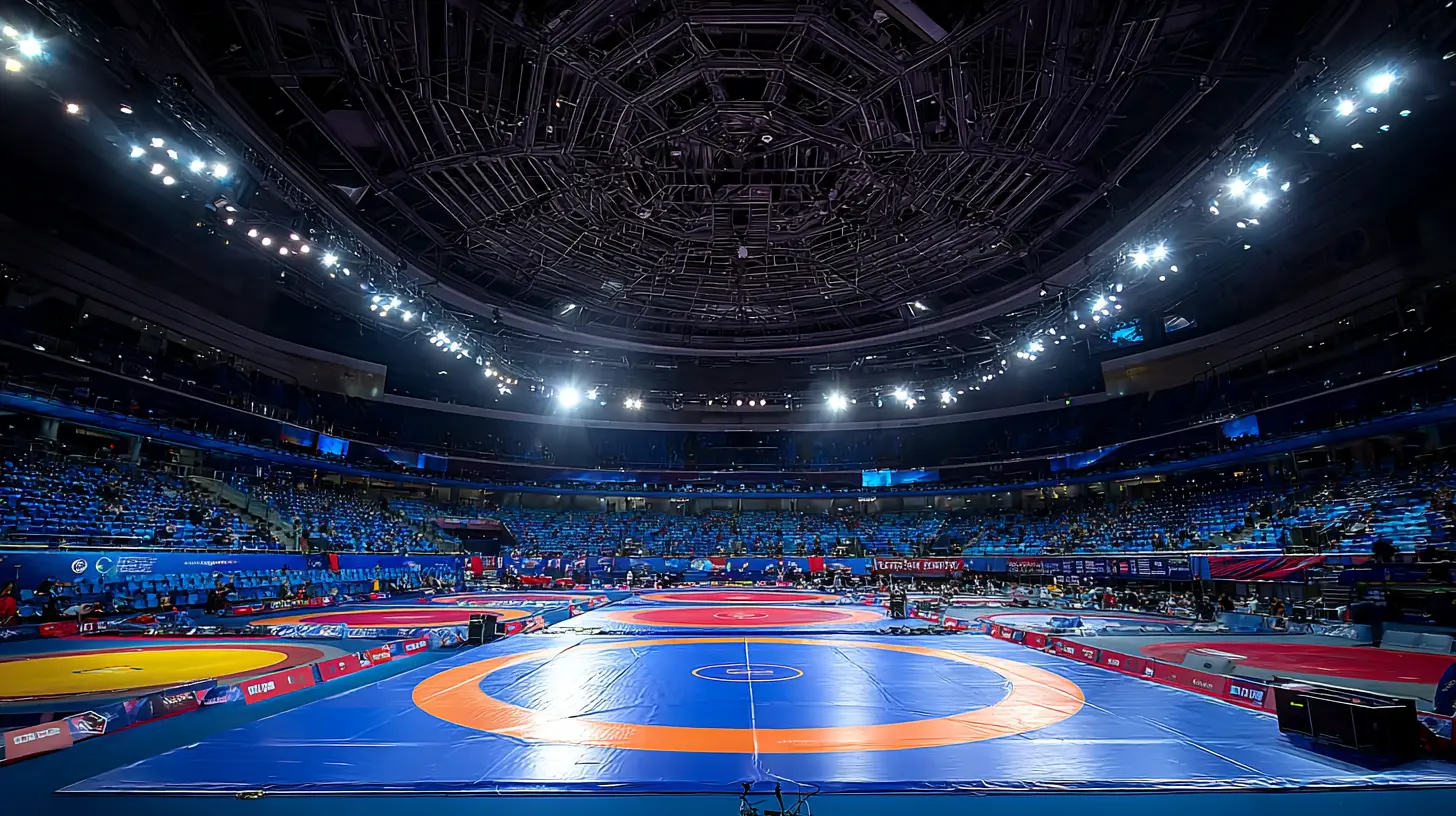
Why 2026 Is a Structural Pivot Year, Not Just Another Worlds
Most fans treat every World Championships the same. They should not. The value of a world title changes depending on where it sits in the quadrennial cycle.In the first year after an Olympics, many established champions skip the tournament to recover, and new faces win titles that later look like anomalies. In the year immediately before the Games, everyone shows up because the event doubles as a seeding and confidence benchmark. The 2026 edition sits in the awkward middle. It is far enough from Los Angeles that veterans can afford to pace themselves, but close enough that rising athletes see it as their last clean shot to establish a reputation before the Olympic qualification grind begins.
That middle position creates three specific conditions:
- Veterans are more willing to experiment with new weight classes or reduced schedules.
- Coaches are more willing to send young talent into senior brackets instead of holding them back.
- Federations that underperformed in 2024 are under real pressure to show progress, which pushes aggressive tactics.
Each of these conditions raises the odds of a surprise. Not chaos for its own sake, but a bracket where the top seed is less protected than usual.
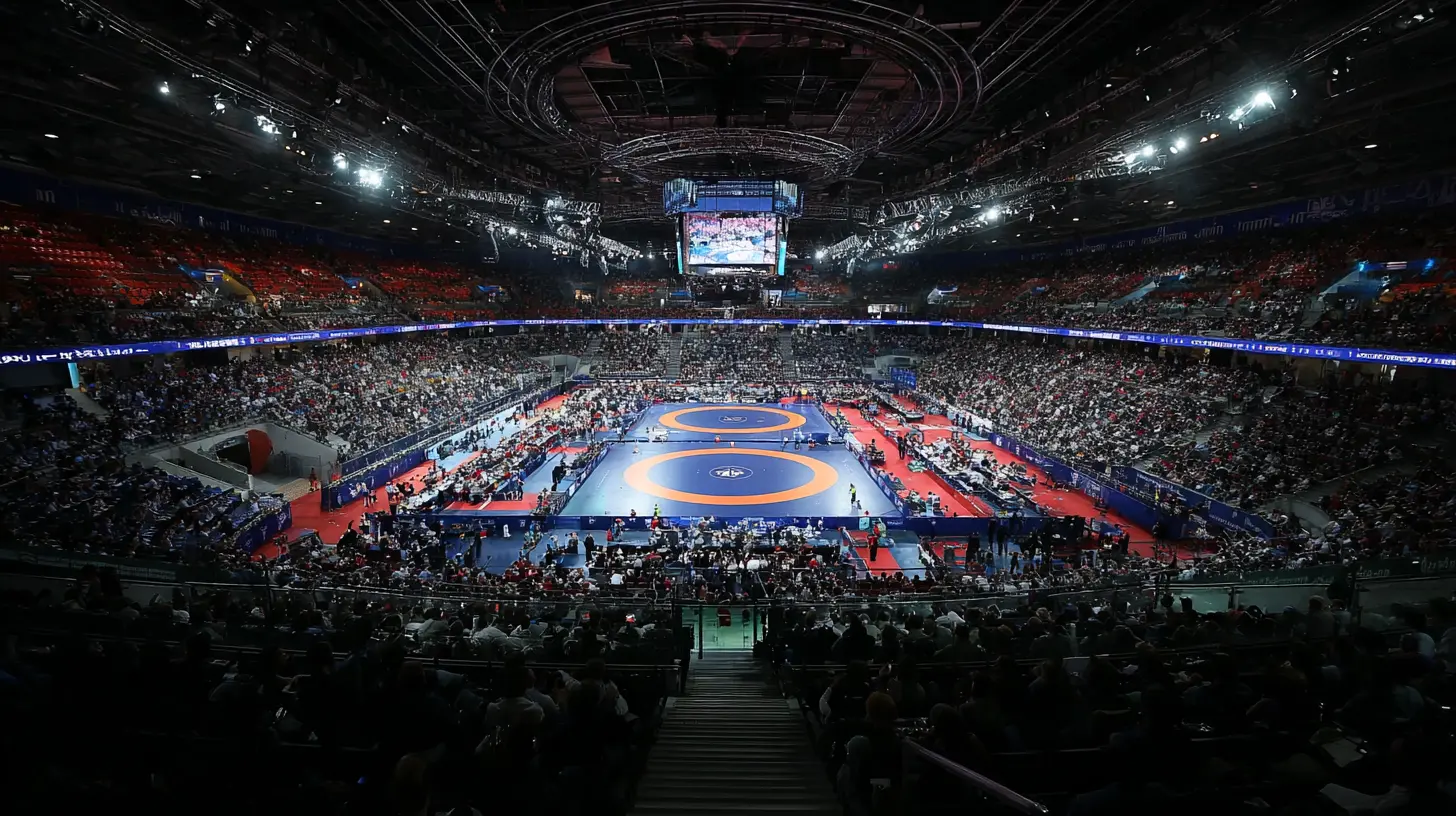
The Weight Class Shuffle Is the Biggest Single Variable
Nothing disrupts a world championship more than athletes changing weight classes. A wrestler moving up or down does not just change who they face. It changes the entire geometry of a bracket, because the athletes who stay put suddenly face opponents with different body types, different pacing, and different tactical habits.Why Weight Changes Create Ripple Effects
When a dominant athlete leaves a division, the wrestlers below them often relax and wrestle more freely. That sounds like a small psychological shift, but it shows up on the mat. Athletes who spent two seasons wrestling not to lose suddenly wrestle to win, and their scoring output rises. Meanwhile, the athlete who moved up or down usually needs at least one full season to adapt. Their timing on shots is slightly off, their weight management affects recovery, and their defensive instincts were trained against different leverage.This is why the most dangerous athlete in a bracket is often not the returning medalist. It is the talented wrestler who just dropped into a division where nobody has prepared for them.
Practical Example of How This Plays Out
Consider a hypothetical but realistic scenario. A Greco-Roman athlete who has been a perennial top five finisher at 77 kg decides the cut is no longer sustainable and moves to 87 kg. On paper, they are undersized. In practice, they bring faster hand fighting, better movement, and a par terre game built against quicker opponents. The bigger athletes in that division are used to grinding matches, not chasing movement. The result is often a low seed making a deep run.The reverse also happens. An athlete cutting too aggressively to stay in a lighter division can look sharp in the early rounds and fade badly in the semifinal. This is one of the most common sources of bracket surprises, and it is entirely predictable if you know what to look for.
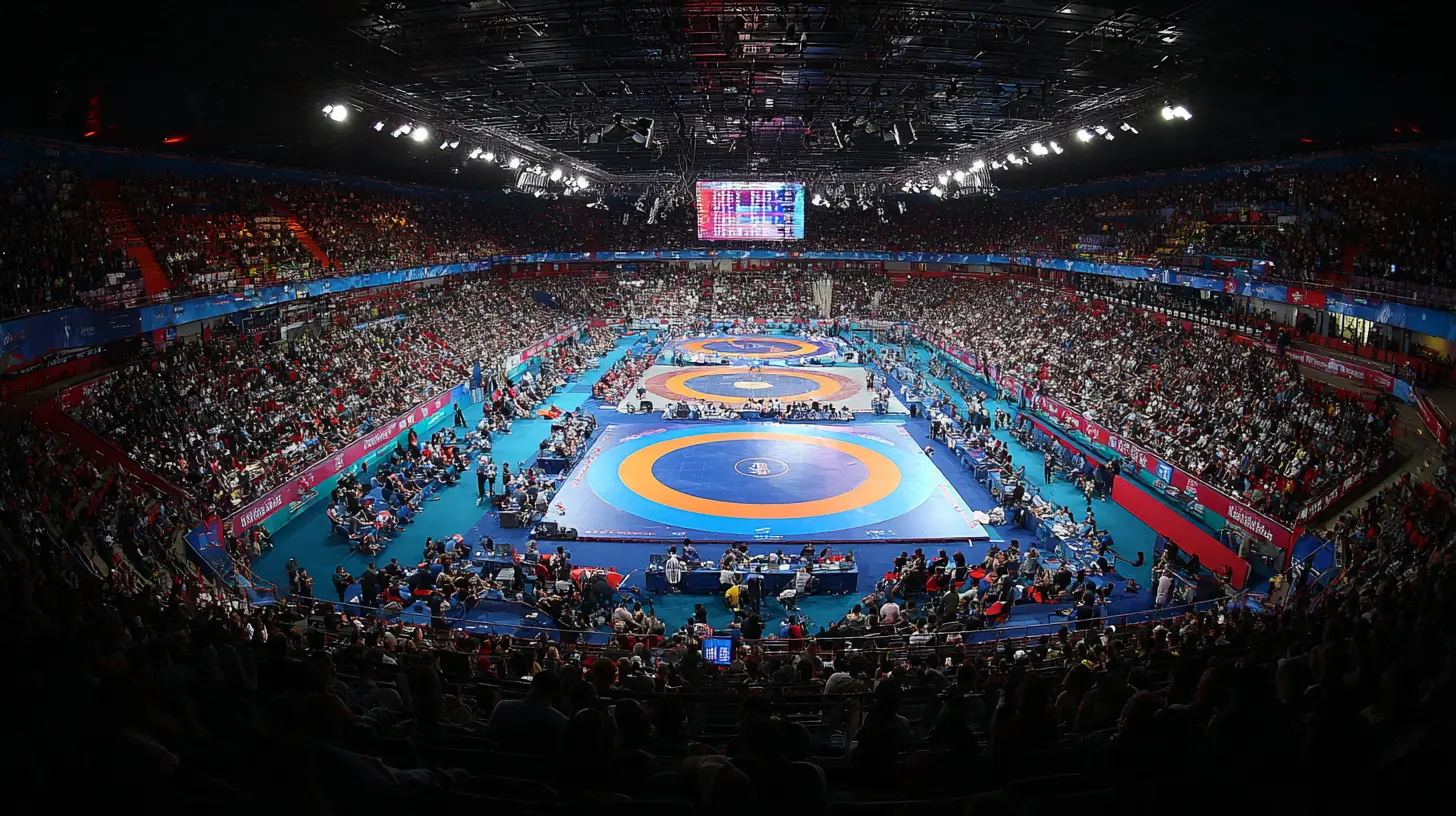
Freestyle: Where the Next Wave Breaks Through
Freestyle tends to produce surprises faster than Greco-Roman because the scoring system rewards continuous action and because the talent pipeline in several countries is unusually deep right now.The Aging Champion Problem
Several freestyle divisions are currently held by athletes in their early thirties. These are not weak champions. They are technically superior to almost everyone they face. The problem is recovery. At a World Championships, an athlete may wrestle five or six matches in three days, with weigh-ins each morning. A 23-year-old recovers overnight. A 32-year-old often does not.This does not mean the veteran loses. It means the veteran is vulnerable specifically in the quarterfinal and semifinal rounds, where they may face a younger opponent who has nothing to lose and everything to gain. Watch for matches where a veteran wins the first period comfortably and then gets pushed into a close third period. That pattern usually signals the beginning of a transition.
The Scrambling Revolution
Freestyle has quietly shifted toward scramble-heavy wrestling. Athletes who grew up training in folkstyle-influenced systems are now elite at leg attacks, re-attacks, and transitional scoring. This style punishes wrestlers who rely on a single dominant position.Why it matters for 2026: several traditional freestyle powers have built their systems around controlling ties and dictating pace. Against scramblers, that control breaks down. A wrestler who wins the tie but loses the scramble gives up points in the exact moments they expected to score. Expect at least one highly seeded athlete to lose to an unseeded scrambler in the round of 16.
What to Watch in the Brackets
- First-period scoring pace. Athletes who score early and then coast are vulnerable.- Passivity calls. Referees are increasingly willing to put passive wrestlers on the clock, which neutralizes defensive specialists.
- Challenge usage. Coaches who burn challenges early can lose a critical review late in a close match.
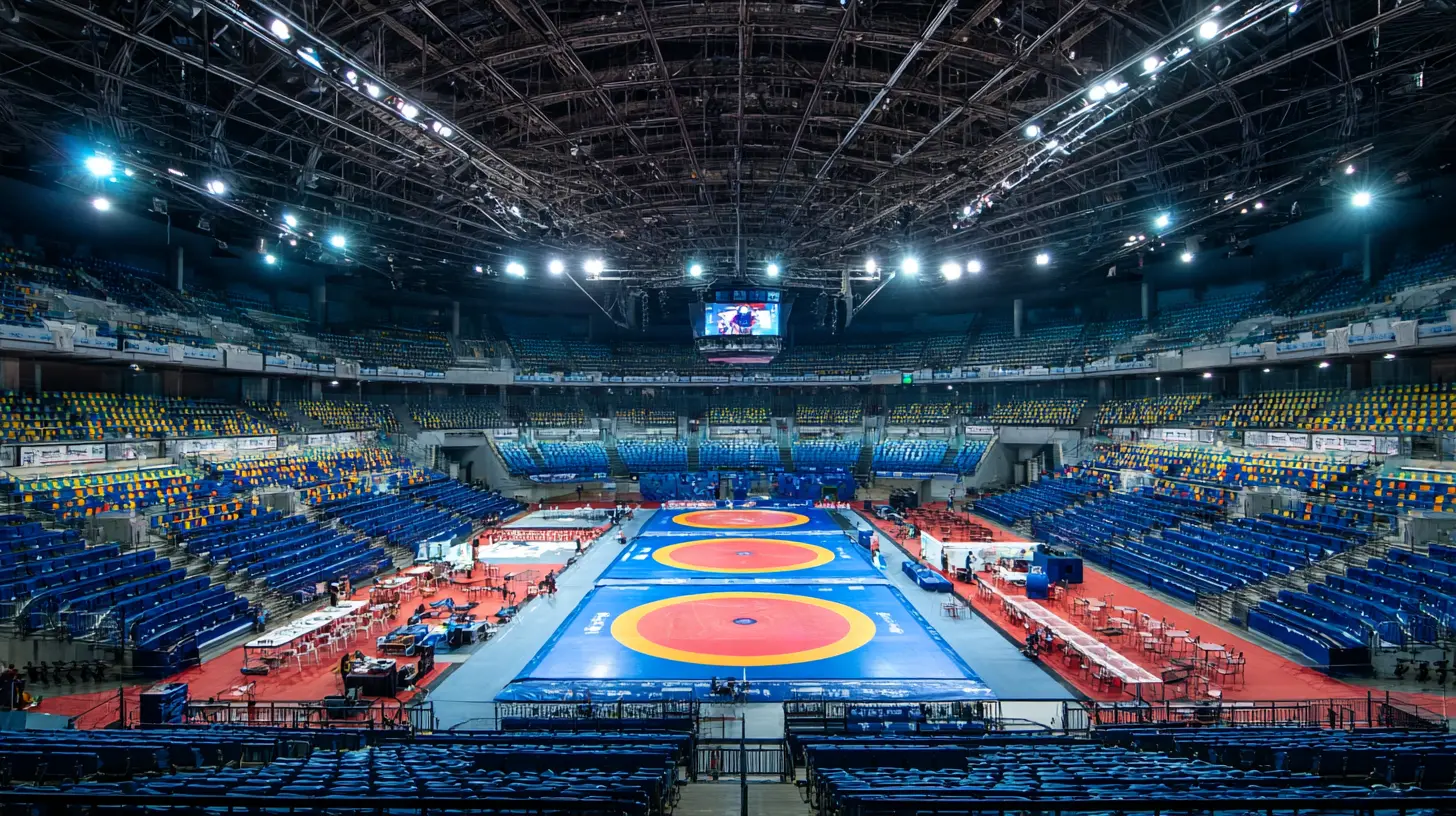
Greco-Roman: The Most Predictable Discipline Is About to Get Less Predictable
Greco-Roman has a reputation for being the most stable of the three Olympic styles. That reputation is deserved, but it is also starting to erode.Parity Is Rising in the Middle Weights
The middle weights in Greco-Roman have historically been dominated by a small group of countries with deep par terre traditions. That is changing. More federations are investing in Greco-specific coaching, and the result is a wider pool of athletes who can score from the clinch.The practical effect is that a single referee decision in par terre can now decide a medal match between two athletes who would have been separated by a wide margin five years ago. When matches are that close, surprises are not flukes. They are the natural outcome of parity.
The Par Terre Lottery
Par terre is the most misunderstood phase of Greco-Roman. Fans see it as a strength contest. Coaches see it as a probability game. An athlete who can score 40 percent of the time from the top position is considered elite. That means 60 percent of the time, they do not score.At a World Championships, that math becomes brutal. An athlete who wins three close matches via par terre is not necessarily better than their opponents. They are luckier in a phase where luck matters. Expect at least one top seed to lose because they could not convert par terre opportunities against an opponent who defended well.
Why This Makes 2026 Unusual
The athletes who are most vulnerable are the ones who rely on a single high-percentage par terre technique. If that technique is scouted and neutralized, they have no backup. Younger athletes who train multiple par terre options are less predictable, and unpredictability wins close matches.Women's Wrestling: The Deepest Talent Pool in the Sport
Women's wrestling has expanded faster than any other discipline over the past decade, and the 2026 World Championships will likely reflect that.More Countries, More Styles
The growth is not just in numbers. It is in stylistic diversity. Countries that entered the sport recently often bring different training backgrounds, including judo, sambo, and freestyle-influenced systems. That diversity creates matchup problems for athletes who are used to a narrow set of opponents.A wrestler who has dominated their continental circuit may face an opponent from a different continent whose movement patterns are unfamiliar. In a short tournament, unfamiliarity is a real disadvantage. There is no time to adjust.
The Youth Factor
Several of the top women's divisions feature athletes who are still in their early twenties and improving rapidly. Improvement curves matter in wrestling because technique compounds. An athlete who adds one reliable scoring position per season can jump from a round of 16 exit to a medal in a single year.Look for athletes who medaled at the junior level in 2024 or 2025 and are now entering senior brackets full time. They are often undervalued by seeding systems that reward senior results.
Coaching Decisions That Decide Medals
Fans focus on athletes. Coaches decide tournaments. The 2026 World Championships will likely be shaped by three coaching decisions.1. Whether to Wrestle or Rest a Veteran
Resting a veteran during the regular season protects their body but reduces match sharpness. Wrestling them in every event builds rhythm but risks injury. There is no universally correct answer. The best coaches match the decision to the athlete. A wrestler who thrives on timing needs matches. A wrestler who relies on strength and positioning can often afford rest.2. How Aggressively to Use Challenges
Challenges are a strategic resource, not a courtesy. A coach who challenges a call in the first period of a match they are winning comfortably has wasted a tool they may need later. Best practice is to save challenges for matches where a single point changes the outcome.3. When to Push a Young Athlete Into the Senior Bracket
This is the hardest decision in the sport. Sending a young athlete to Worlds too early can damage confidence. Sending them too late wastes a development year. The general rule is that an athlete should go when they can win at least one match against a senior opponent in a competitive training environment. If they cannot, they are not ready.Common Mistakes Fans and Analysts Make
Overrating Seeding
Seeds protect athletes from facing each other early, but they do not reflect current form. An athlete seeded third may be wrestling better than the top seed. Always check recent results before assuming the bracket will follow the numbers.Ignoring Weight Management
Weight cuts are invisible on broadcast but decisive on the mat. An athlete who looks drained during weigh-ins is likely to fade in the third period. This is one of the most reliable predictors of an upset.Assuming Continental Dominance Translates
Winning a continental championship is meaningful, but the depth of competition varies widely by region. An athlete who dominates a shallow bracket may struggle immediately against a world-class opponent.Forgetting About Referee Tendencies
Referees are not uniform. Some call passivity early, some let matches develop. Athletes and coaches who adapt to the assigned referee have an edge. Fans who ignore this miss a key variable.
How to Prepare for the Tournament
If you are a coach, an athlete, or a serious fan, preparation changes what you see.For Coaches
- Scout at least two matches from every potential opponent, focusing on how they score, not just how much.- Prepare a par terre plan for both top and bottom positions.
- Build a weigh-in and recovery protocol for a three-day tournament, not a single match.
For Athletes
- Train scramble situations, not just clean techniques.- Practice wrestling from behind on the scoreboard.
- Simulate a five-match tournament in training at least twice before the event.
For Fans and Analysts
- Track weight class changes, not just results.- Watch the first period closely. Most upsets are visible before the final score.
- Pay attention to body language during weigh-ins and warm-ups.
Final Thoughts
The 2026 World Wrestling Championships will reward preparation and punish assumptions. The athletes who win will not simply be the most talented. They will be the ones who managed weight intelligently, adapted to unfamiliar opponents, and executed under referee pressure. The surprises will not come from nowhere. They will come from the structural realities of a pivot year, a shifting talent pool, and a sport that is becoming more competitive at every level.If you follow the sport closely, this is the tournament to watch with a notebook, not just a screen.
all images in this post were generated using AI tools
Category:
Upcoming TournamentsAuthor:

Onyx Frye