Best Practices for Marketing Amateur Sports Events
10 June 2026
Picture this: a dusty field, the echo of sneakers squeaking on a worn-out court, the rhythmic chant of fans—family, friends, and neighbors—all gathering for the love of the game. That’s the heartbeat of amateur sports. Raw, authentic, full of hope. But here’s the thing—putting together a great event isn’t enough anymore. You need to get people to show up, tune in, and cheer on. That’s where marketing steps up to the plate.
So, how do you take these underdog sports events and give them the spotlight they deserve? Let’s dig into the best practices for marketing amateur sports events with a mix of strategy, storytelling, and spirit.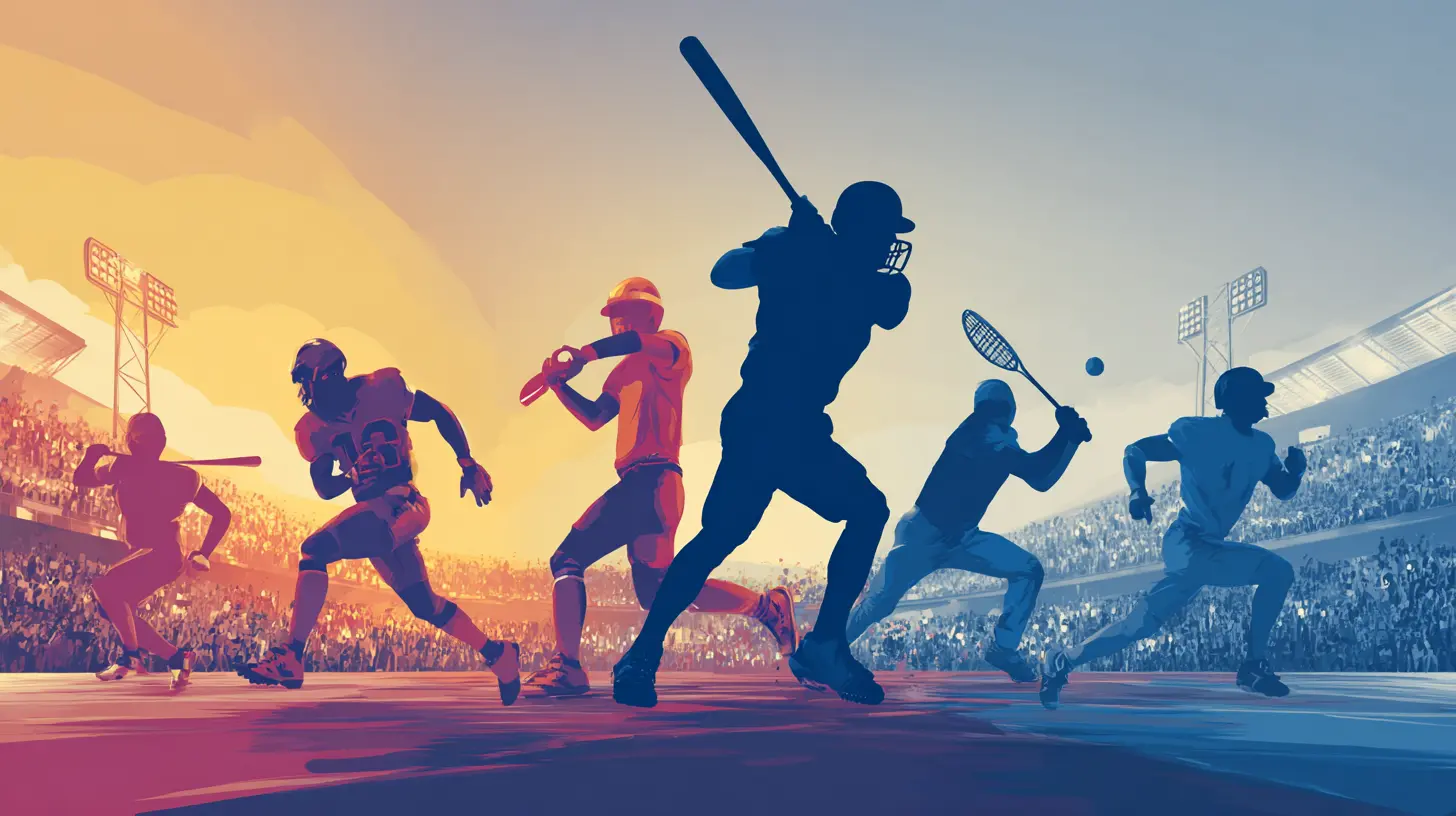
? Why Marketing Matters in Amateur Sports
You’ve got the players, the venue, and the community spirit—but without eyes on the event, none of that truly shines. Marketing is your megaphone. It's how you share the narrative, build the hype, and make the crowd care.Amateur sports don’t have million-dollar ad budgets or prime-time TV spots. What they do have is heart. And that’s more powerful than you think, especially when paired with the right marketing game plan.
1. ? Start with a Solid Strategy
Before you start posting on every social media platform or hanging flyers, take a breath. Strategy comes first.Know Your Audience
Who’s out there? Is it local families, teens, or sports fanatics? Understanding your audience is key. You wouldn’t market a youth soccer match the same way you’d promote a community boxing event, right?Set Clear Goals
Are you trying to sell tickets? Get volunteers? Raise funds? Maybe all three. Define what success looks like so you’re not just throwing spaghetti at the wall.Create a Timeline
Marketing an event isn’t a one-and-done thing. It's a slow build-up. Plan out your marketing calendar from announcement to post-event follow-up.
2. ? Harness the Power of Social Media
Let’s be real: social media is your biggest ally. It’s free, fast, and everyone’s on it.Choose the Right Platforms
- Facebook: Great for local outreach and event pages.- Instagram: Perfect for visuals—player highlights, behind-the-scenes, live stories.
- TikTok: If your event targets younger crowds, this is gold.
- Twitter/X: For real-time updates and engaging with sports-minded folks.
Create Shareable Content
Think short clips, motivational quotes, player interviews, countdowns. Make it so good people want to share it.Use Branded Hashtags
Make your event more searchable. Keep it unique and catchy, like #HometownHoops2024 or #RunWithUs.Go Live!
Live-stream practices, interviews, or even parts of the event. It builds anticipation and brings people along for the ride.
3. ? Don’t Underestimate Email Marketing
You heard that right. In a world of tweets and reels, email still packs a punch.Build an email list from past events, local community sign-ups, and ticket buyers. Use it to:
- Announce the event
- Share schedules and player profiles
- Offer early bird ticket discounts
- Remind people about RSVP deadlines
A heartfelt email can do wonders. Make it personal. Share a story, not just stats.
4. ?️ Create Eye-Catching Visuals
People scroll fast. You’ve got milliseconds to grab attention. So, make it count.- Photos: Use high-quality images from previous events or promo shoots.
- Videos: A 30-second adrenaline-pumping video montage can sell the entire event.
- Graphics: Banners, flyers, social posts—all with consistent branding.
Tools like Canva or Adobe Express make it easy, even if you’re not a designer.
5. ? Lean Into Local Community Support
Amateur sports are hyper-local. That’s your strength.Partner with Local Businesses
Get local coffee shops, gyms, or pizza joints to sponsor a team or promote the event. In return, give them a shout-out or let them post banners at the venue.Collaborate with Schools and Churches
Your event becomes the community thing when groups feel involved. Ask them to distribute flyers, share event details, or provide volunteers.Use Local Media
Write press releases for local newspapers and radio stations. Reach out personally—journalists love feel-good community stories.6. ?️ Tell a Compelling Story
A game is more than scores. It’s sweat, dreams, and second chances. Use storytelling to pull people in.Highlight Players
Share their journeys. The 14-year-old chasing a college scout. The parent-coach duo. The comeback kid after an injury. Make people care before the game even begins.Document the Journey
Don’t just promote the day of the event—document the build-up. Training days, pep talks, jersey nights. Bring the audience along for the ride.7. ? Diversify Your Promotion Channels
Relying on just one platform? Big mistake.Use Flyers and Posters
Good ol’ print still works. Post them in community centers, libraries, gyms, and cafés.Tap into Influencers
That high school MVP with a big TikTok following? Or the local coach with a podcast? Partner with them.Utilize Event Platforms
Sites like Eventbrite or Meetup can drive digital foot traffic to your amateur sports showcase.8. ? Offer Incentives to Drive Attendance
Who doesn’t love a good perk?- Early Bird Pricing: Reward early commitment.
- Group Discounts: Encourage teammates and families to come together.
- Merch Giveaways: First 50 through the gate gets a free team wristband.
Give people a reason to not just mark the date, but actually show up.
9. ? Maximize Volunteer and Participant Advocacy
Your best marketers? The players, volunteers, and fans themselves.Ask them to:
- Share posts
- Use the branded hashtag
- Invite friends and family
- Wear their team gear around town
Make it easy—send them a promo toolkit with suggested captions, graphics, and links.
10. ? Track, Analyze, and Improve
Can’t fix what you don’t measure.Use tools like Google Analytics, Facebook Insights, and email open rates to see what worked and what didn’t.
Did one post go viral? Replicate that style. Was a certain email campaign a dud? Change your approach. Think of each event as a springboard to do better next time.
? Post-Event Marketing: Keep the Momentum Going
Don't go radio silent after the final whistle.Share Recaps
Post photos, videos, and highlight reels. Tag participants and thank supporters publicly.Collect Testimonials
Ask players, spectators, and sponsors for feedback. Use these golden words in next year’s promotion.Begin Teasing the Next Event
Strike while the energy is still high. Build anticipation for what's next while still riding the current wave.? Final Whistle: Why This All Matters
Amateur sports are the soul of the game. They’re where dreams start, communities gather, and passion lives. Marketing isn’t about flashy billboards or big budgets—it’s about connection. About making sure that Friday night junior league match feels like the Super Bowl to someone.So don’t just organize amateur sports events…celebrate them. Broadcast their heartbeat. Let the world hear the echo of sneakers, see the sweat, and feel the story.
Because if you market it right, they will come. And they’ll bring the noise.
all images in this post were generated using AI tools
Category:
Sports MarketingAuthor:
Onyx Frye
Discussion
rate this article
1 comments
Zayla Potter
Great insights on marketing amateur sports events! Engaging the local community and using social media effectively can make a huge difference. Simple yet impactful strategies can really elevate these events and draw in larger crowds.
July 14, 2026 at 2:50 AM
Onyx Frye
Thanks for your feedback! I'm glad you found the insights valuable. Engaging the community and leveraging social media truly are game changers for these events.