Athletes to Watch at the 2027 Pan American Games
4 October 2026
The 2027 Pan American Games will land in Barranquilla, Colombia, and the event carries more weight than its medal table suggests. For athletes across the Americas, this is the last clear, open window before the Los Angeles 2028 Olympics. Some will use Barranquilla to announce themselves. Others will use it to prove a comeback is real. A few will treat it as a job interview for a professional contract, a national federation budget line, or a sponsorship renewal.
That context matters when you build a watchlist. The most useful names are not always the biggest stars. They are the athletes whose trajectory, timing, and competitive situation make the Games a genuine inflection point. This article focuses on those athletes: who they are, why 2027 is their moment, and what to look for when the competition begins.
Why the 2027 Pan American Games Matter More Than Usual
Pan American Games results have always carried regional prestige, but their strategic value fluctuates by cycle. The 2027 edition sits in a particularly loaded position. It falls roughly fourteen months before the Los Angeles Olympics, which is close enough that national federations will treat it as a serious selection and preparation benchmark, yet far enough that athletes can still absorb a disappointing result and adjust.Three factors make this edition especially significant.
First, the host city. Barranquilla sits at sea level with a hot, humid Caribbean climate. That combination punishes endurance athletes who rely on cool conditions and rewards competitors who have prepared for heat acclimation. A runner who wins in Barranquilla in August or September may be better prepared for a hypothetical warm-weather championship than a runner who wins in a temperate city.
Second, the qualification pipeline. Many Pan American sports use these Games as a direct or indirect pathway to Olympic qualification, world championship seeding, or federation funding. That raises the stakes beyond a medal.
Third, the generational shift. Several sports in the Americas are in the middle of a transition. Veterans from the Tokyo and Paris cycles are deciding whether to continue, while a wave of athletes born in the mid-2000s is arriving with senior-level readiness. The 2027 Games will be where those two groups collide.
How to Build a Credible Watchlist
Before naming athletes, it helps to explain the criteria. A watchlist built only on past medal counts is lazy. It tells you who already won, not who is about to matter.A better framework uses five filters:
- Trajectory. Is the athlete improving year over year, or holding steady on a plateau?
- Age and development curve. In some sports, a 19-year-old is peaking. In others, a 19-year-old is still three years away.
- Competitive environment. Is the athlete in a deep national program that forces them to improve, or a shallow one where they can coast?
- Event fit. Does the event suit the athlete's physical profile, or are they competing in a discipline that does not maximize their strengths?
- External factors. Funding, coaching changes, injuries, and eligibility rules can reshape a career faster than talent alone.
Keep those filters in mind. They explain why some names below are obvious and others are not.
Track and Field: The Deepest Talent Pool
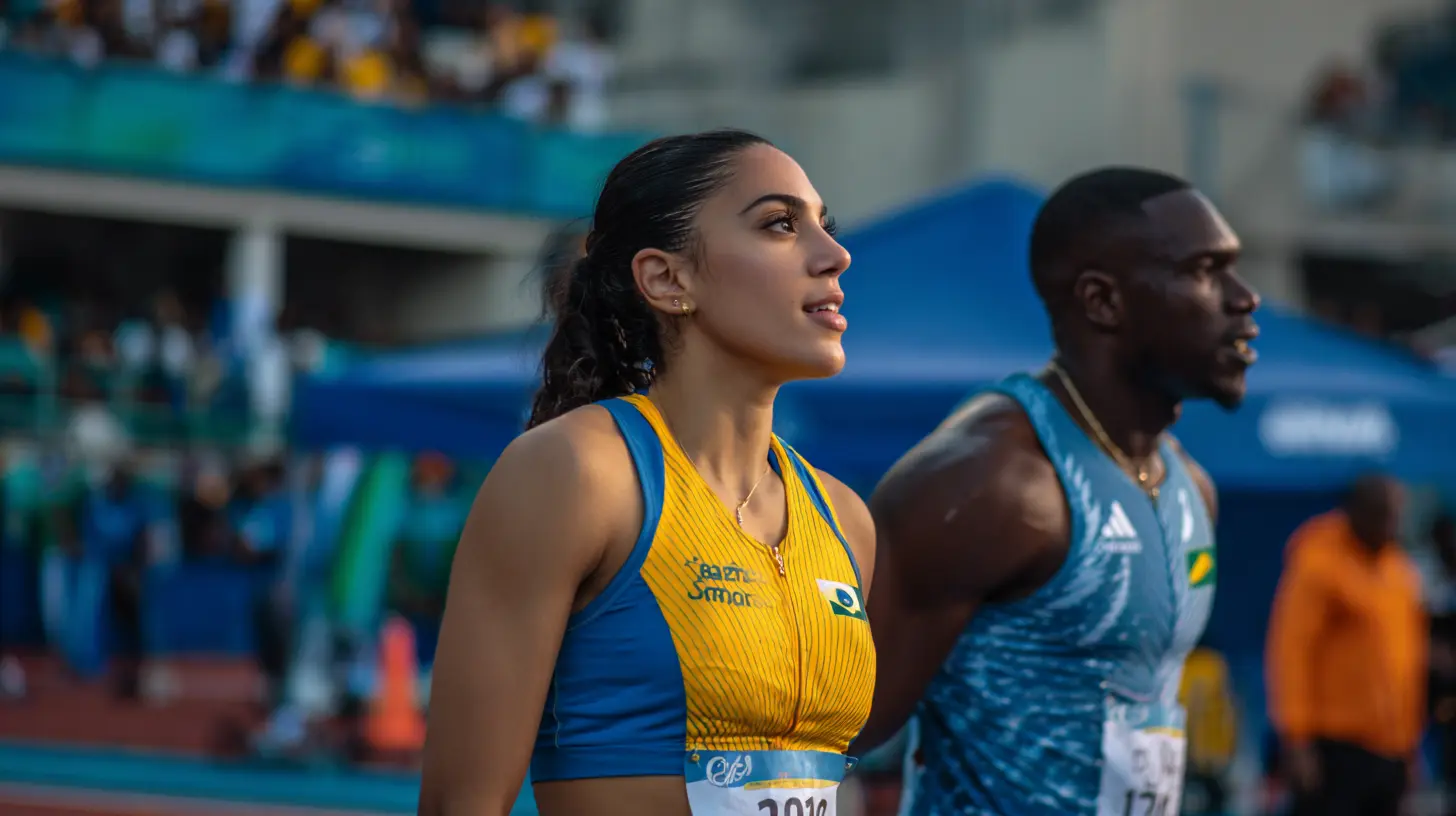
Track and field remains the backbone of the Pan American Games, and it is also where the watchlist is hardest to narrow. The Americas produce sprint depth that no other region can match, plus a growing middle-distance and field event presence.Sprinters Ready to Break Through
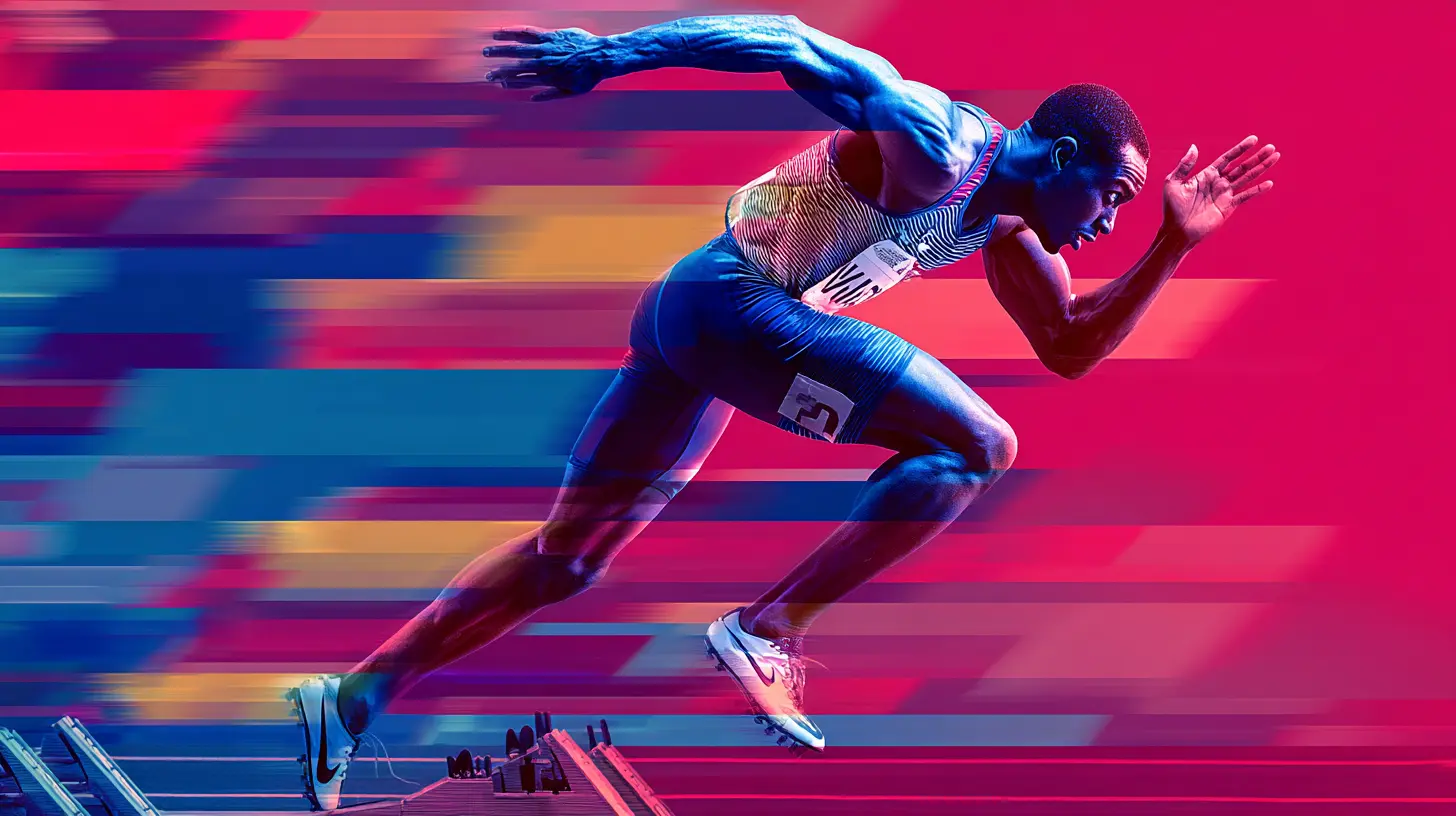
The Caribbean and North American sprint pipeline is relentless. By 2027, several athletes who were junior standouts in the early 2020s will be in their early twenties, which is historically the age range where sprinters make their biggest leaps.Look for athletes from Jamaica, Trinidad and Tobago, the Bahamas, and the United States who have posted strong junior times but have not yet converted that into senior championship finals. The Pan American Games offer a lower-pressure environment than a World Championship, which makes them ideal for a breakthrough.
What to watch: reaction time, top-end speed maintenance between 60 and 90 meters, and how they handle a multi-round schedule. Sprinters who win Pan Am gold often do so because they manage rounds better than their raw personal bests suggest.
The 400 Meter and Hurdles Question
The 400 meters and 400-meter hurdles are the most tactically demanding events on the track. They reward athletes who can distribute effort precisely, and they punish anyone who goes out too hard.By 2027, expect a cluster of athletes from the United States, Jamaica, Brazil, and Colombia to contend. Colombia in particular has invested heavily in hurdling and quarter-mile events, and a home crowd in Barranquilla could lift local athletes in ways that are hard to quantify but easy to observe.
A common mistake for viewers is to judge 400-meter runners purely by their open 400 personal best. The hurdles and the flat 400 reward different qualities. A hurdler with a slightly slower flat time can win if their hurdle technique is efficient and their stride pattern is consistent.
Distance Runners and the Heat Factor
The 5,000 and 10,000 meters in Barranquilla will not be won by the fastest personal best on paper. They will be won by the athlete who manages heat, hydration, and pace discipline best.Athletes from Brazil, Mexico, Colombia, Peru, and the United States will likely feature. Watch for runners who have raced in Central America or the Caribbean before, or who train in hot climates. A Kenyan-trained athlete living in a cool high-altitude environment may struggle more than their credentials suggest.
This is where practical advice matters for coaches and athletes reading this: if you are targeting 2027, do not wait until the final training block to simulate heat. Heat acclimation takes roughly ten to fourteen days of repeated exposure to produce meaningful physiological adaptation, and it decays quickly. Plan a heat camp at least three to four weeks before the Games.
Field Events: Where Technique Beats Raw Power
The throws and jumps often get less attention, but they are where the Americas have genuine global depth. The United States, Cuba, Jamaica, Brazil, and Canada consistently produce elite throwers and jumpers.In the throws, look for athletes who have recently changed coaches or training systems. A technical adjustment in the shot put or discus can add a meter or more within a single season, and the Pan American Games are often where that improvement becomes visible.
In the jumps, watch the triple jump and the pole vault. Both events are technically demanding, and both reward athletes who have spent years refining rhythm and approach speed rather than simply adding strength.
Swimming: A Changing of the Guard
Swimming at the Pan American Games has historically been dominated by the United States, Brazil, and Canada, with strong contributions from Argentina, Mexico, and the Caribbean. The 2027 edition should follow that pattern, but with a twist: several veteran swimmers are likely to retire after the Paris and Los Angeles cycles, which opens lanes for younger athletes.The Sprint Freestyle Events
The 50 and 100 freestyle are the most volatile events in swimming. A tenth of a second separates a medal from a missed final. Look for athletes from Brazil and the United States who have recently moved to full-time professional training groups.A key insight: sprint freestyle success at the Pan American level often comes from athletes who specialize rather than generalize. A swimmer who also races the 200 or the 400 may have the talent to win the 100, but their training split may not be optimized for pure speed. Watch for athletes who have dropped secondary events to focus on the sprints.
The Distance Events
The 400, 800, and 1500 freestyle will likely feature athletes from the United States, Brazil, Canada, and Argentina. The 800 and 1500 in particular reward pacing discipline and aerobic capacity, and they are less likely to produce surprise winners than the sprints.One misconception to avoid: a strong 400 freestyle time does not automatically translate to a strong 800. The energy systems overlap, but the training emphasis is different. An athlete who wins the 400 may struggle in the 800 if they have not built the aerobic base required.
The Strokes: Butterfly, Backstroke, Breaststroke
These events often produce the most interesting stories because technique matters as much as conditioning. In breaststroke, for example, small changes in kick timing and body position can produce large time drops.Watch for athletes from Brazil and the United States in the men's events, and from Canada, the United States, and Mexico in the women's events. Also keep an eye on Caribbean nations that have invested in stroke-specific coaching. A single well-coached athlete can upset a deeper field.
Gymnastics: Artistry Meets Difficulty
Gymnastics at the Pan American Games has become a genuine preview of Olympic contention. The United States, Brazil, Canada, and Mexico lead the region, but smaller nations have produced individual medalists in recent cycles.Women's Artistic Gymnastics
The key trend in women's gymnastics is the rising value of difficulty combined with execution. Athletes who can perform high-difficulty routines without major deductions are the ones who win.By 2027, look for Brazilian and American gymnasts in their late teens and early twenties who have already competed at the senior international level. The Pan American Games are often where they transition from promising junior to consistent senior medalist.
What to watch: vault and floor exercise. These events reward power and confidence, and they are where young gymnasts often make their biggest statement.
Men's Artistic Gymnastics
Men's gymnastics in the Americas is deep in the all-around and in the individual apparatus events. Brazil has produced world-class all-around competitors, and the United States and Canada consistently field strong teams.A practical note for viewers: do not judge a men's gymnast solely by their all-around score. Many specialists focus on two or three apparatuses, and their value to a team comes from high scores on those events. The Pan American Games often reveal which specialists are ready for a larger role.
Rhythmic and Trampoline
These disciplines get less coverage, but they offer genuine insight into emerging talent. Rhythmic gymnastics in the Americas is led by Brazil, Canada, Mexico, and the United States, with Argentina and Colombia improving.Trampoline is a smaller field, which means a single strong athlete can dominate. Watch for athletes who have recently moved up from junior competition and who have clean, consistent routines. In trampoline, consistency beats difficulty because the penalty for a fall is severe.
Combat Sports: Judo, Boxing, Wrestling, and Taekwondo
Combat sports are where the Pan American Games often produce the most dramatic upsets, because the gap between the top seed and the fifth seed is often small.Judo
Brazil, Cuba, Canada, the United States, and Mexico lead the region in judo. The 2027 Games will be important for athletes in the middle weight categories, where the depth is greatest.A key factor in judo is grip fighting. Athletes who control the grip control the match. Watch for competitors who have recently trained in Japan or Europe, where grip fighting is emphasized more heavily than in some domestic programs.
Boxing
Boxing at the Pan American Games has historically been a launching pad for professional careers. The 2027 edition will likely feature athletes from Cuba, the United States, Brazil, Mexico, Colombia, and the Dominican Republic.What to watch: footwork and defense. Amateur boxing rewards clean, scoring punches and effective evasion. A fighter with a strong professional style may struggle under amateur scoring rules, while a technically disciplined amateur may thrive.
Wrestling
Wrestling in the Americas is led by the United States, Cuba, Canada, and Venezuela, with Brazil and Colombia improving. The freestyle events are typically deeper than Greco-Roman in this region.A practical insight: wrestlers who can score from multiple positions are more dangerous than specialists. A wrestler with one dominant move can be scouted and neutralized. Watch for athletes who have expanded their offensive repertoire.
Taekwondo
Taekwondo is a sport where speed and timing matter more than raw power. Mexico, Brazil, the United States, and the Dominican Republic have strong programs.The 2027 Games will be important for athletes in the lighter weight categories, where the depth is greatest and the pace is fastest. Watch for competitors who have adjusted to the electronic scoring system and who can land clean, high-scoring techniques.
Cycling: Track, Road, and BMX
Cycling offers a wide range of events and a wide range of athlete profiles. The Pan American Games typically feature strong fields from Colombia, the United States, Canada, Brazil, and Mexico.Track Cycling
Track cycling is where Colombia has historically excelled, particularly in the endurance events. The home crowd in Barranquilla could be a significant factor.Watch for athletes in the team pursuit and omnium. These events reward tactical awareness and consistent lap times. A team with a slightly lower average power output can win if their pacing and exchanges are cleaner.
Road Cycling
Road cycling at the Pan American Games is often unpredictable because team dynamics vary. Some nations bring full teams with a designated leader, while others bring individual riders without support.A key insight: in a road race without radios, communication breaks down quickly. Athletes who can read a race and make decisions independently have a major advantage. Watch for riders who have experience in European professional racing, where tactical decision-making is honed.
BMX Racing and Freestyle
BMX racing is a pure power and skill event. Colombia, the United States, Brazil, and Argentina have strong programs. The 2027 Games will be important for athletes who are targeting the Los Angeles Olympics, as BMX racing rewards explosive speed and gate starts.BMX freestyle is a newer addition to the Pan American program. It rewards creativity and risk management. Athletes who can land difficult tricks consistently will score well, but the penalty for falling is high. Watch for riders who balance difficulty with consistency.
Team Sports: Where Depth Wins
Team sports at the Pan American Games often feature a mix of established national teams and developmental squads. The result is that some tournaments are more competitive than others.Basketball
Basketball at the Pan American Games typically features teams from the United States, Brazil, Argentina, Canada, and the Dominican Republic. The United States often sends a younger or developmental roster, which creates opportunities for other nations.Watch for individual players who use the tournament as a showcase for professional contracts. A strong performance in Barranquilla can lead to opportunities in European leagues or the NBA.
Volleyball
Volleyball in the Americas is led by Brazil, the United States, Cuba, Argentina, and Canada. The women's and men's tournaments are both competitive.A key factor is serve reception. Teams that can pass well under pressure can run their offense effectively. Watch for liberos and outside hitters who can stabilize a team's passing.
Field Hockey
Field hockey in the Americas is led by Argentina, Canada, and the United States, with Chile and Mexico improving. The Pan American Games are often a direct qualifier for the Olympics, which raises the stakes.Watch for goalkeepers. In field hockey, a hot goalkeeper can steal a match. A team that dominates possession but cannot score may lose to a team with a goalkeeper who makes ten saves.
Sports You Might Overlook
Some of the most interesting stories at the Pan American Games come from sports that get less attention. Here are a few worth following.Sailing
Sailing at the Pan American Games features a mix of dinghy and board classes. Brazil, Argentina, the United States, and Canada are traditionally strong.A practical insight: sailing rewards athletes who can read wind shifts and manage risk. A sailor who plays it safe may finish consistently in the top five, while a sailor who takes a bold flyer may win or finish last. The 2027 Games will be a test of decision-making under pressure.
Canoeing and Rowing
Canoeing and rowing in the Americas are led by Canada, the United States, Brazil, Argentina, and Cuba. These sports reward technical precision and aerobic capacity.Watch for athletes in the single sculls and the K1 200 meters. These events are often decided by small margins, and athletes who have refined their technique can outperform stronger competitors.
Modern Pentathlon
Modern pentathlon is a niche sport, but it produces compelling stories because it requires proficiency in five different disciplines. The 2027 Games will be important for athletes from Mexico, Guatemala, Brazil, and the United States.A key insight: modern pentathlon rewards athletes who can avoid disaster in their weakest discipline. An athlete who is average across all five events can beat an athlete who is excellent in four but poor in one.
Common Mistakes When Evaluating Pan American Athletes
Viewers and analysts often make predictable errors when assessing Pan American performances. Here are the most common.- Overweighting a single result. A gold medal in Barranquilla does not guarantee Olympic success. The field may be weaker than at a World Championship, and the conditions may favor a specific athlete.
- Ignoring age and development. A 17-year-old who finishes fifth may be a better long-term prospect than a 27-year-old who finishes first.
- Assuming personal bests translate across conditions. Heat, humidity, altitude, and travel all affect performance. A personal best set in cool, dry conditions may not be repeatable in Barranquilla.
- Underestimating tactical sports. In combat sports, cycling, and team sports, tactics often matter more than raw physical ability.
- Forgetting the qualification context. Some athletes are competing for a quota spot, not just a medal. Their approach may be more conservative or more aggressive depending on what they need.
What to Watch For in Barranquilla
The 2027 Pan American Games will be shaped by three broad themes.First, heat and humidity will influence results in endurance events. Athletes who prepare for the climate will have an edge.
Second, the generational shift will be visible. Several sports will feature athletes who are competing in their first major senior championship. Their performances will hint at the next Olympic cycle.
Third, the qualification stakes will change behavior. Some athletes will take risks they would not take in a lower-stakes event. Others will protect a lead rather than chase a personal best.
For readers who want to follow specific athletes, the best approach is to track results in the year before the Games. Look for athletes who are improving, not just winning. Look for athletes who are managing their schedule carefully. Look for athletes who have addressed a clear weakness.
The Pan American Games are not the Olympics. They are something more useful for analysis: a high-level, regionally deep competition that reveals who is ready for the next step. The athletes who matter in 2027 are the ones who use the Games as a platform, not a destination.
all images in this post were generated using AI tools
Category:
Upcoming TournamentsAuthor:
Onyx Frye